55 Flowers That Start With B: Names, Pictures & Growing Tips
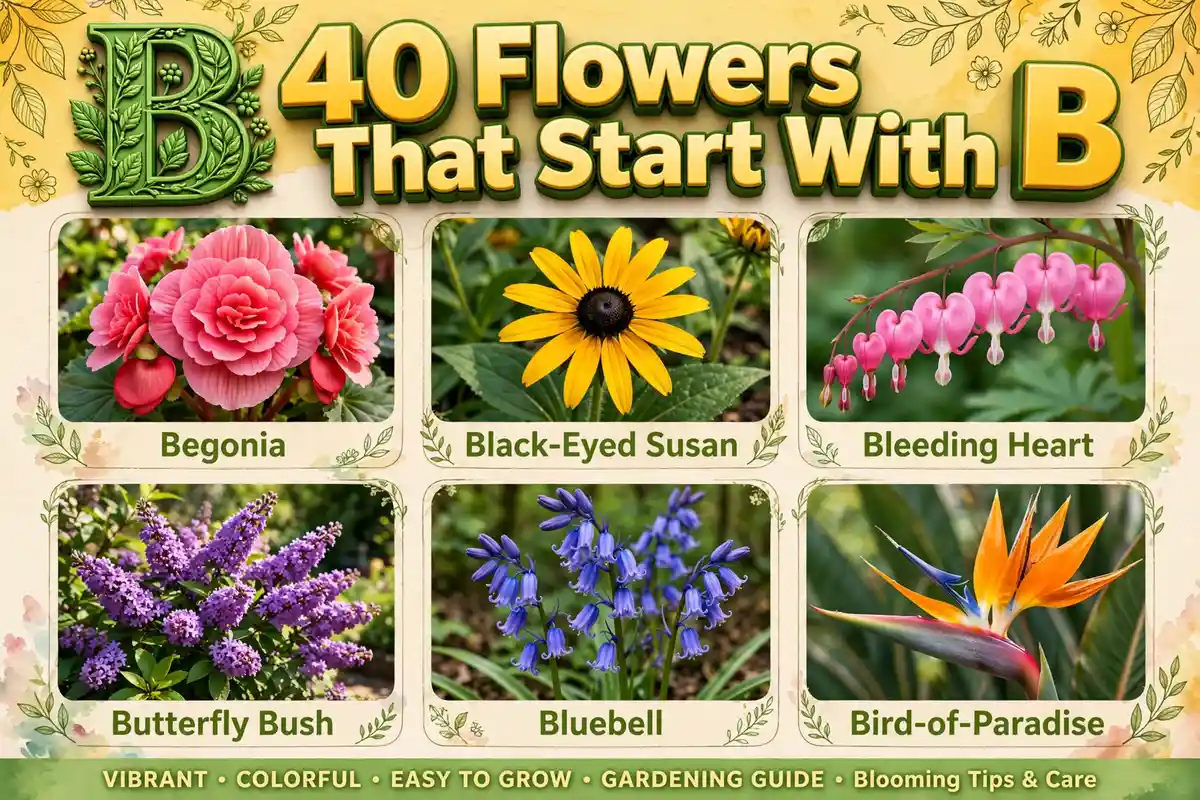
Looking for flower names that start with B? You have come to the right place. The letter B brings some of the biggest personalities in American gardens, from the cheerful golden faces of black-eyed Susans to the heart-shaped charms of bleeding hearts and the butterfly-magnet spikes of butterfly bush. Whether you are designing a new perennial border, searching for blue flowers that start with B for a cool-toned bed, or helping a child build an alphabet garden, this guide covers 55 real B-flowers, each with vivid descriptions and practical growing advice.
Every entry below includes the flower’s scientific name, bloom season, sun needs, and USDA hardiness zone, so you can spot which B-flowers will thrive in your yard at a glance. You will also find a quick comparison table, beginner-friendly growing tips, and answers to the most common questions gardeners ask about flowers beginning with B. Let’s dig in.
Quick Answer
Yes — this page lists 55 flowers that start with B, from begonias and butterfly bush to black-eyed Susans and bleeding hearts. Use the at-a-glance table to filter by your USDA zone, sun and bloom season before you buy.
Table of Contents
- B-Flowers at a Glance
- 55 Flowers That Start With B: The Complete List
- B flowers by colour
- Best B flowers by season
- Indoor and container-friendly B flowers
- Beginner-friendly B flowers
- Rare and unusual B flowers
- B flowers with full guides
- Growing Tips for B-Flowers
- Which B-Flowers Will You Grow?
- Frequently Asked Questions
- References
B-Flowers at a Glance
Use this table to compare all 55 flowers that start with B side by side, from botanical names to native regions.
| # | Name | Scientific name | Bloom | Sun | Zone | Best for |
|---|---|---|---|---|---|---|
| 1 | Wax Begonia | Begonia × semperflorens-cultorum | Summer to fall | Part shade to shade | 9–11; grown as annual elsewhere | Shady beds, containers, edging |
| 2 | Butterfly Bush | Buddleja davidii | Summer to fall | Full sun | 5–9 | Pollinator gardens, butterfly watching |
| 3 | Black-Eyed Susan | Rudbeckia hirta | Summer to fall | Full sun | 3–9 | Beginner gardens, meadow plantings, cut flowers |
| 4 | Bleeding Heart | Lamprocapnos spectabilis | Spring to early summer | Part shade | 3–9 | Shade borders, woodland gardens, spring romance |
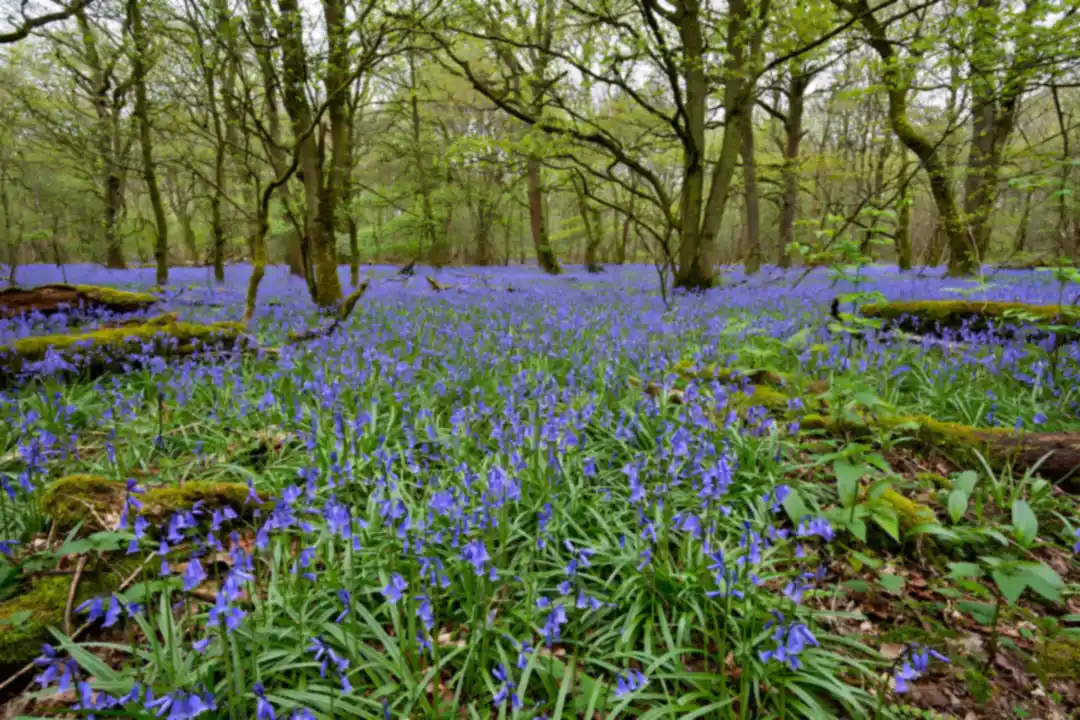
| 5 | Bluebell | Hyacinthoides non-scripta | Spring | Part shade | 4–9 | Woodland drifts, naturalizing under trees |
| 6 | Bachelor’s Button | Centaurea cyanus | Summer | Full sun | Grown as annual | Cottage gardens, cut flowers, children’s gardens |
| 7 | Bee Balm | Monarda didyma | Summer to fall | Full sun to part shade | 4–9 | Hummingbird gardens, native borders, herb tea |
| 8 | Balloon Flower | Platycodon grandiflorus | Summer | Full sun to part shade | 3–8 | Long-lived borders, children’s gardens |
| 9 | Blanket Flower | Gaillardia × grandiflora | Summer to fall | Full sun | 3–10 | Hot dry spots, pollinator gardens, long bloom season |
| 10 | Bellflower | Campanula carpatica | Summer | Full sun to part shade | 3–8 | Edging, rock gardens, front of borders |
| 11 | Bird of Paradise | Strelitzia reginae | Winter to spring | Full sun to bright indirect light | 10–12; houseplant elsewhere | Tropical statements, indoor wow factor |
| 12 | Bougainvillea | Bougainvillea spectabilis | Spring to fall | Full sun | 9–11 | Covering walls, hot patios, Mediterranean style |
| 13 | Blue Salvia | Salvia farinacea | Summer to fall | Full sun | 8–10; grown as annual elsewhere | Blue color, pollinators, containers |
| 14 | Blackberry Lily | Iris domestica | Summer | Full sun to part shade | 5–10 | Unusual seed pods, late-season interest |
| 15 | Brunnera | Brunnera macrophylla | Spring | Part to full shade | 3–8 | Shade gardens, silver foliage, spring blue |
| 16 | Bergenia | Bergenia cordifolia | Spring | Part shade to full shade | 3–8 | Evergreen groundcover, winter foliage color |
| 17 | Boltonia | Boltonia asteroides | Late summer to fall | Full sun | 3–9 | Fall color, back of borders, native gardens |
| 18 | Borage | Borago officinalis | Summer | Full sun | Grown as annual | Herb gardens, edible flowers, bee forage |
| 19 | Baptisia | Baptisia australis | Late spring to early summer | Full sun | 3–9 | Low-maintenance natives, drought tolerance |
| 20 | Bluebeard | Caryopteris × clandonensis | Late summer to fall | Full sun | 5–9 | Late-season pollinators, small shrubs |
| 21 | Barbados Lily | Hippeastrum puniceum | Spring to summer | Full sun to part shade | 9–11 | Tropical bulbs, warm-climate naturalizing |
| 22 | English Daisy | Bellis perennis | Spring to early summer | Full sun to part shade | 4–8 | Spring bedding, cool-season color |
| 23 | Bush Violet | Browallia speciosa | Summer to fall | Part shade | 9–11; grown as annual elsewhere | Shade containers, hanging baskets |
| 24 | Bloodroot | Sanguinaria canadensis | Early spring | Part to full shade | 3–8 | Woodland gardens, native ephemerals |
| 25 | Blue-Eyed Grass | Sisyrinchium angustifolium | Late spring to summer | Full sun to part shade | 4–9 | Path edges, rain gardens, native groundcover |
| 26 | Bearded Iris | Iris × germanica | Late spring | Full sun | 3–9 | Classic borders, cut flowers, fragrance (many varieties) |
| 27 | Blazing Star | Liatris spicata | Summer | Full sun | 3–8 | Vertical accents, pollinators, cut flowers |
| 28 | Bluebonnet | Lupinus texensis | Spring | Full sun | Grown as annual | Wildflower meadows, Texas-style spring displays |
| 29 | Buttercup | Ranunculus acris | Late spring to summer | Full sun to part shade | 3–8 | Meadow edges, cheerful yellow drifts |
| 30 | Bells of Ireland | Moluccella laevis | Summer | Full sun | Grown as annual | Cut flowers, dried arrangements, green accents |
| 31 | Bromeliad | Guzmania lingulata | Colorful bracts last for months | Bright indirect light | 10–11; houseplant elsewhere | Easy houseplants, tropical interiors |
| 32 | Bouvardia | Bouvardia ternifolia | Summer to fall | Full sun to part shade | 8–11 | Hummingbirds, drought-tolerant shrubs |
| 33 | Bitterroot | Lewisia rediviva | Late spring to early summer | Full sun | 3–6 | Rock gardens, alpine troughs, xeric beds |
| 34 | Basket Flower | Centaurea americana | Summer | Full sun | Grown as annual | Native wildflower gardens, big bold blooms |
| 35 | Bridal Wreath Spirea | Spiraea prunifolia | Spring | Full sun to part shade | 4–8 | Spring spectacle, hedges, low-maintenance shrubs |
| 36 | Black Cohosh | Actaea racemosa | Summer | Part to full shade | 3–8 | Shade architecture, woodland backdrops |
| 37 | Blue Star Creeper | Isotoma fluviatilis | Summer | Full sun to part shade | 5–9 | Between stepping stones, lawn alternatives, groundcover |
| 38 | Bottlebrush | Callistemon citrinus | Spring to summer | Full sun | 8–11 | Hummingbirds, evergreen screening, warm climates |
| 39 | Blue Daisy | Felicia amelloides | Summer to fall | Full sun | 9–11; grown as annual elsewhere | True-blue color, containers, edging |
| 40 | Blue Flag Iris | Iris versicolor | Late spring to early summer | Full sun to part shade | 3–9 | Rain gardens, pond edges, wet soil |
| 41 | Buttonbush | Cephalanthus occidentalis | Summer | Full sun to part shade | 5–9 | Native shrubs, rain gardens, pollinators |
| 42 | Black Chokeberry | Aronia melanocarpa | Spring (berries in fall) | Full sun to part shade | 3–8 | Native shrubs, fall color, wildlife berries |
| 43 | Blue Vervain | Verbena hastata | Summer to fall | Full sun | 3–8 | Rain gardens, pollinators, native meadows |
| 44 | Bunchberry | Cornus canadensis | Late spring to early summer | Part to full shade | 2–6 | Woodland groundcover, native gardens |
| 45 | Blue-Eyed Mary | Collinsia verna | Spring | Full sun to part shade | Grown as annual | Spring wildflowers, edging |
| 46 | Baby Blue Eyes | Nemophila menziesii | Spring | Full sun to part shade | Grown as annual | Spring carpets, containers, edging |
| 47 | Blue Phlox | Phlox divaricata | Spring | Part shade | 3–8 | Woodland gardens, spring color, groundcover |
| 48 | Butterfly Pea | Clitoria ternatea | Summer to fall | Full sun | 9–11; annual elsewhere | Vines, edible flowers, containers |
| 49 | Blue Daze | Evolvulus glomeratus | Summer to fall | Full sun | 9–11; annual elsewhere | Containers, edging, heat-tough color |
| 50 | Blue Potato Bush | Lycianthes rantonnetii | Spring to fall | Full sun | 9–11 | Warm-climate shrubs, containers |
| 51 | Blue Cohosh | Caulophyllum thalictroides | Spring | Part to full shade | 3–8 | Woodland gardens, native plants |
| 52 | Bottle Gentian | Gentiana andrewsii | Late summer to fall | Full sun to part shade | 3–7 | Native gardens, late-season color |
| 53 | Beach Sunflower | Helianthus debilis | Spring to fall | Full sun | 8–11 | Coastal gardens, groundcover, pollinators |
| 54 | Black Locust | Robinia pseudoacacia | Late spring | Full sun | 4–8 | Fragrant trees, fast shade — plant with caution (aggressive spreader) |
| 55 | Barberry | Berberis thunbergii | Spring | Full sun to part shade | 4–8 | Hedges, fall color — plant with caution (invasive in many states) |
55 Flowers That Start With B: The Complete List
Here they are — 55 beautiful, real flowers beginning with B, each with growing notes so you can pick the right ones for your garden.
1. Wax Begonia (Begonia × semperflorens-cultorum)
Wax begonias are the backbone of shady summer bedding, blooming nonstop from planting until frost in red, pink, rose, and white. Their glossy, rounded leaves — green or bronze — look tidy even between blooms. They thrive in part shade with rich, moist soil and shrug off heat and humidity that flatten fussier annuals. In zones 9–11 they live on as perennials; everywhere else, buy fresh each spring or overwinter cuttings indoors.
Bloom: Summer to fall | Sun: Part shade to shade | Zone: 9–11; grown as annual elsewhere | Best for: Shady beds, containers, edging
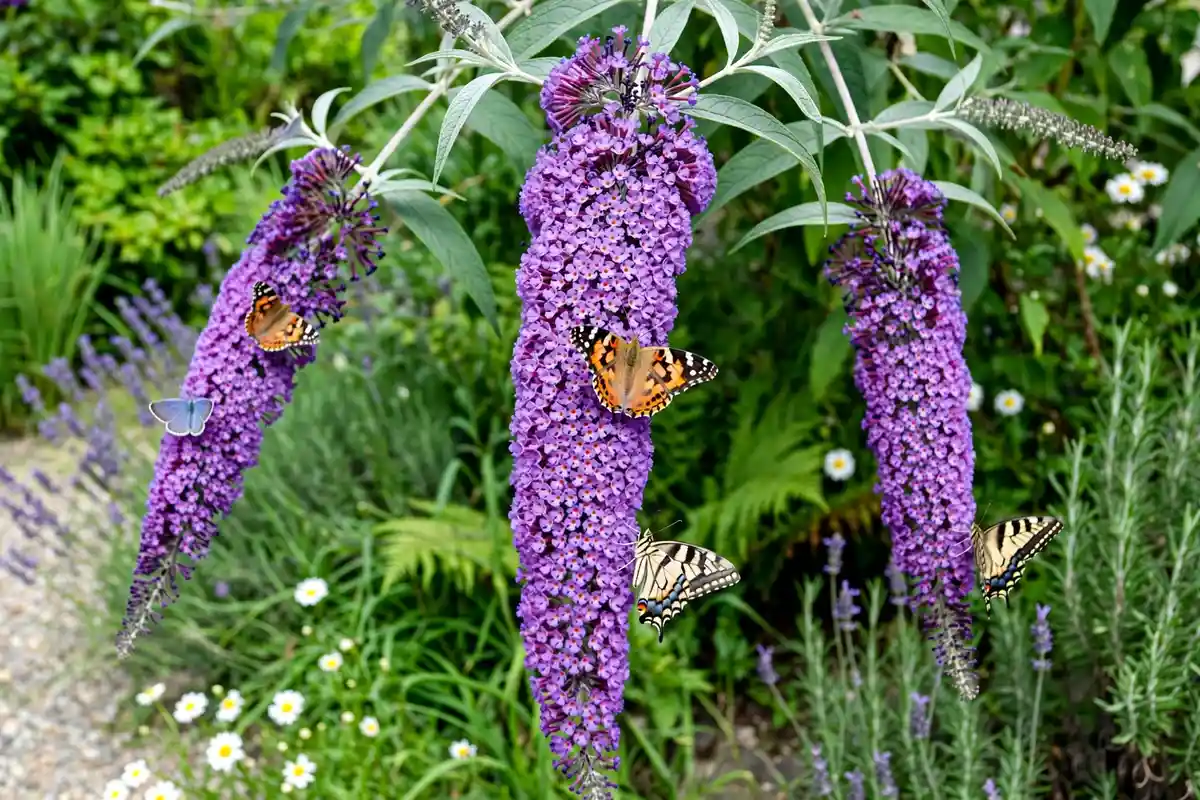
2. Butterfly Bush (Buddleja davidii)
Butterfly bush earns its name: long, honey-scented purple, pink, white, or blue flower spikes draw clouds of butterflies, bees, and hummingbirds from summer to fall. This fast-growing deciduous shrub reaches 5–10 feet in a season and blooms on new wood, so cut it back hard each spring for bigger flowers. One caution — it self-seeds aggressively in some regions, so check your local invasive list and choose sterile cultivars where recommended.
Bloom: Summer to fall | Sun: Full sun | Zone: 5–9 | Best for: Pollinator gardens, butterfly watching
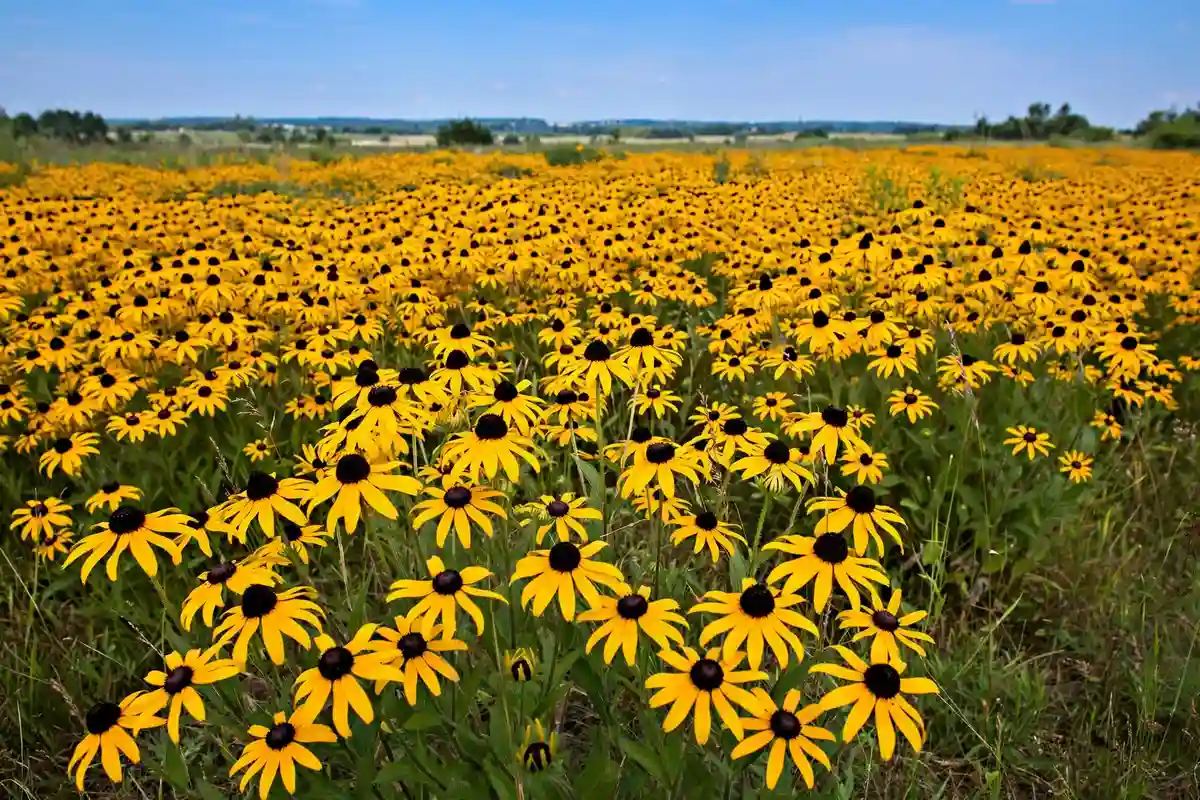
3. Black-Eyed Susan (Rudbeckia hirta)
Black-eyed Susans are pure summer sunshine — golden-yellow daisies with chocolate-brown centers that bloom for months on sturdy 2- to 3-foot stems. Native to North American prairies, they handle heat, drought, and poor soil with ease. Deadhead to prolong the show, or leave seed heads standing for goldfinches and winter interest. They self-sow gently, so a patch only gets better with time.
Bloom: Summer to fall | Sun: Full sun | Zone: 3–9 | Best for: Beginner gardens, meadow plantings, cut flowers
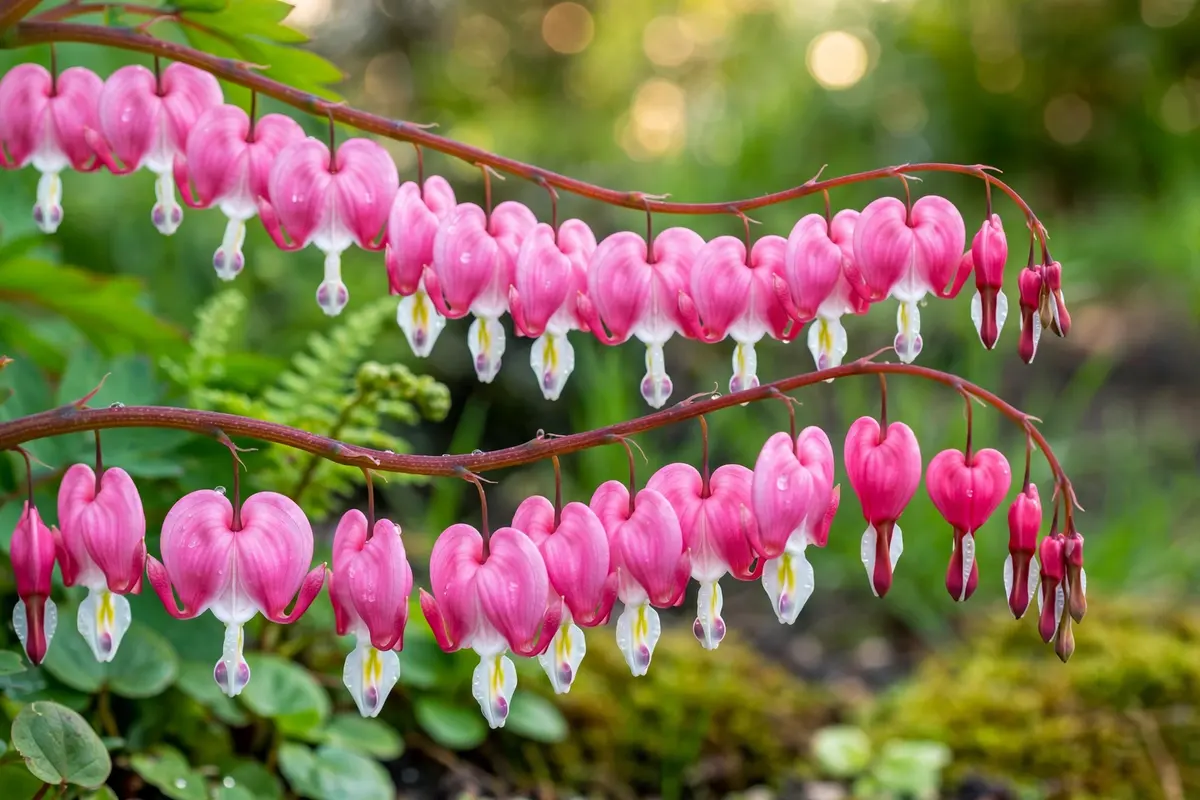
4. Bleeding Heart (Lamprocapnos spectabilis)
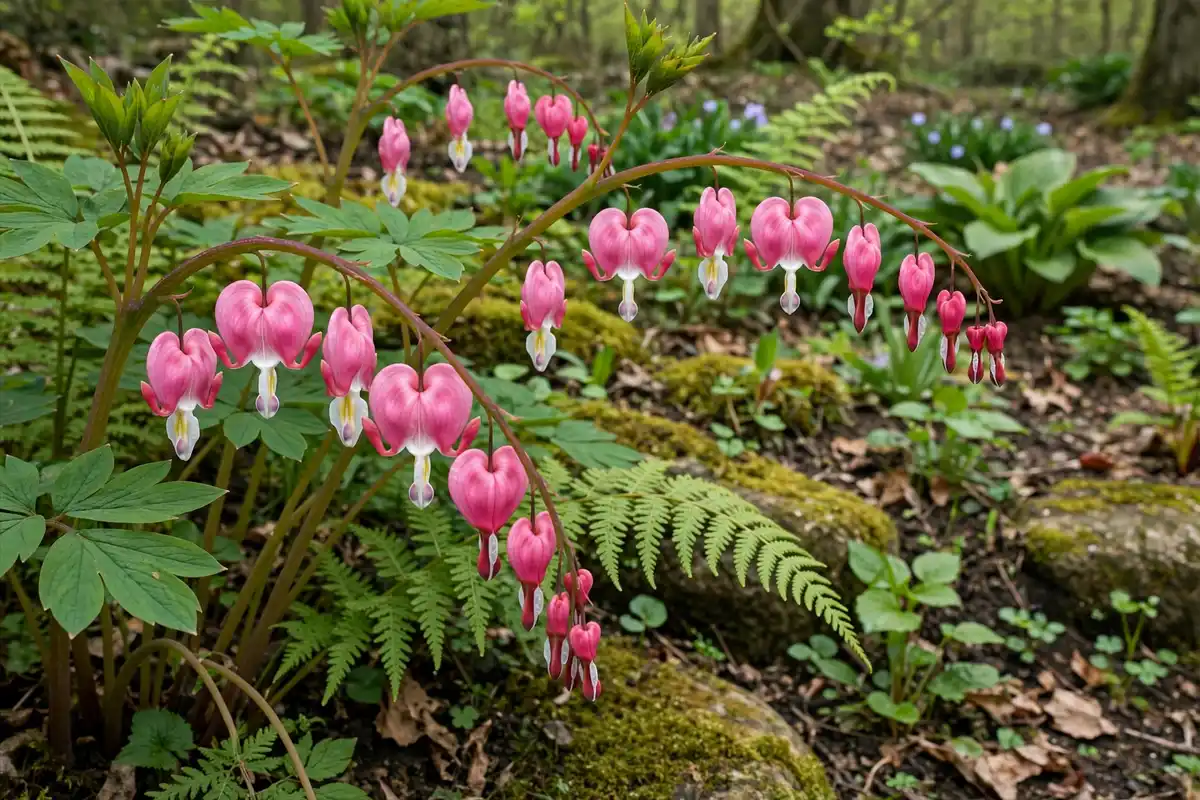
Bleeding heart is the romantic of the shade garden — arching stems dripping with pink-and-white heart-shaped lockets in spring. Once sold as Dicentra spectabilis, this Asian woodland native grows 2–3 feet tall in rich, moist soil and part shade. The foliage goes dormant in summer heat, so plant ferns or hostas nearby to fill the gap. White-flowered ‘Alba’ glows beautifully in dark corners.
Bloom: Spring to early summer | Sun: Part shade | Zone: 3–9 | Best for: Shade borders, woodland gardens, spring romance
5. Bluebell (Hyacinthoides non-scripta)
English bluebells carpet ancient woodlands in nodding, sweetly scented blue bells each spring — a sight British gardeners treasure. Plant the bulbs in fall, 3–4 inches deep, in part shade with leafy, humus-rich soil, and let them naturalize undisturbed into sweeping drifts. Spanish bluebells (Hyacinthoides hispanica) are sturdier and more upright, a better choice where the true English species struggles.
Bloom: Spring | Sun: Part shade | Zone: 4–9 | Best for: Woodland drifts, naturalizing under trees
6. Bachelor’s Button (Centaurea cyanus)
Also called cornflower, bachelor’s button is an old-fashioned cottage annual with frilly blue blooms — plus pink, white, and purple forms — on wiry 2- to 3-foot stems. It is one of the easiest flowers to grow from seed: sow directly in the garden in early spring for summer flowers. The blooms are superb cut flowers and the petals are edible, adding a cornflower-blue garnish to salads and cakes.
Bloom: Summer | Sun: Full sun | Zone: Grown as annual | Best for: Cottage gardens, cut flowers, children’s gardens
7. Bee Balm (Monarda didyma)
Bee balm’s shaggy, firework-like blooms in scarlet, pink, purple, or white are hummingbird magnets from midsummer on. This eastern North American native spreads by runners into generous clumps — give it room or divide every few years. Good air circulation and morning sun help prevent powdery mildew, the plant’s main weakness. The aromatic leaves make a delicious Oswego tea, a colonial-era favorite.
Bloom: Summer | Sun: Full sun to part shade | Zone: 4–9 | Best for: Hummingbird gardens, native borders, herb tea
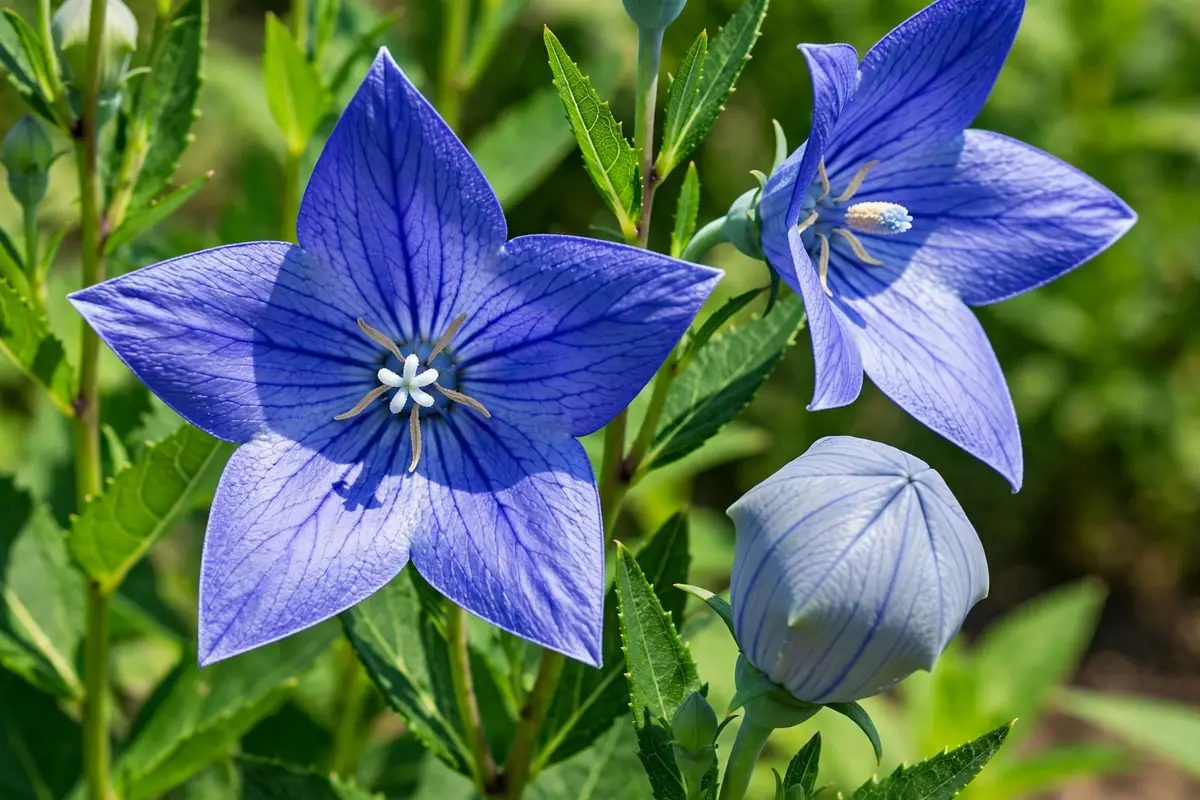
8. Balloon Flower (Platycodon grandiflorus)
Balloon flower is pure garden theater: buds swell into perfect puffy balloons before popping open into five-pointed stars of blue, white, or pink. This long-lived East Asian perennial blooms for weeks in summer and resents disturbance — its thick taproot means you should plant it once and leave it alone for decades. Mark its spot in spring, because it emerges late and is easy to dig up by mistake.
Bloom: Summer | Sun: Full sun to part shade | Zone: 3–8 | Best for: Long-lived borders, children’s gardens
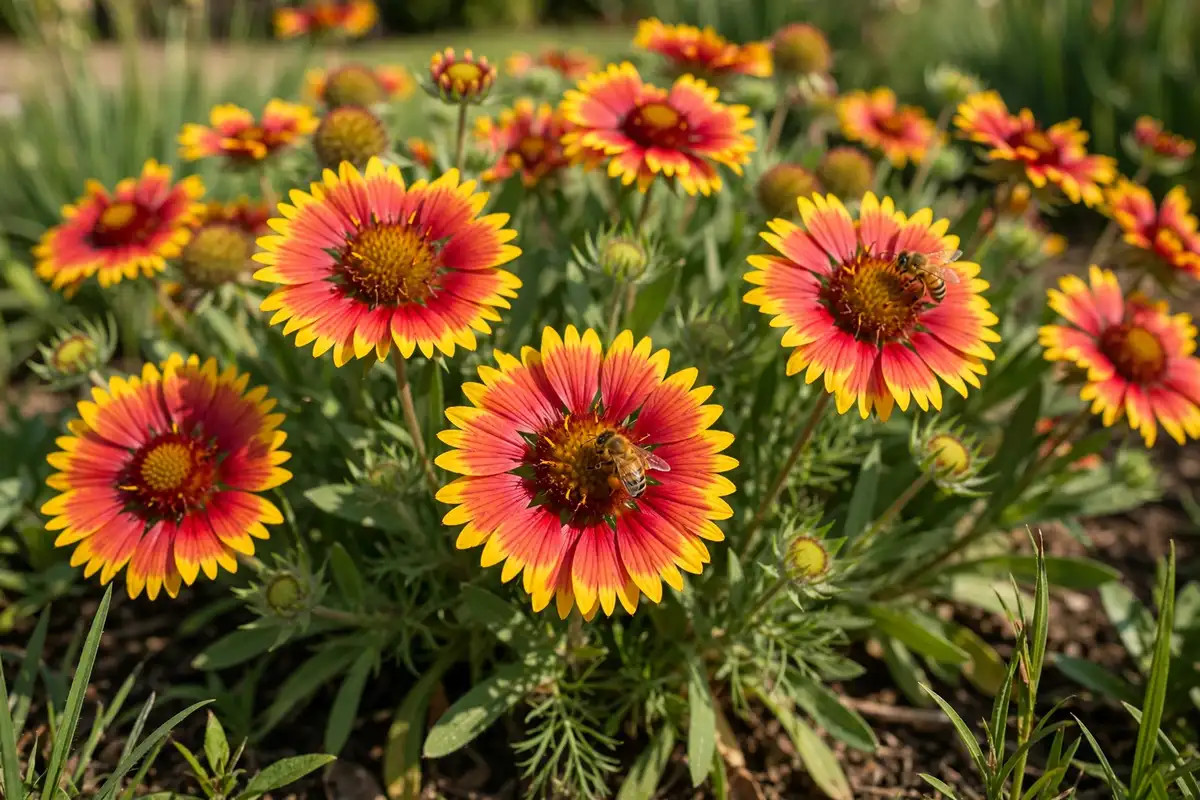
9. Blanket Flower (Gaillardia × grandiflora)
Blanket flowers paint the summer garden in sunset colors — red-and-yellow ringed daisies that bloom relentlessly from June to frost. A North American prairie native, gaillardia laughs at heat, drought, and poor soil; it actually blooms best when slightly neglected. Deadhead for continuous flowers, and divide every 2–3 years. Butterflies visit constantly, and the seed heads feed birds in fall.
Bloom: Summer to fall | Sun: Full sun | Zone: 3–10 | Best for: Hot dry spots, pollinator gardens, long bloom season
10. Bellflower (Campanula carpatica)
Carpathian bellflower forms neat, low mounds covered in upward-facing blue or white bells all summer — a rock-garden and edging classic. At just 6–12 inches tall, it tucks beautifully along paths and in front of taller perennials. It prefers cool summers, good drainage, and full sun to light shade. Shear plants back after the first flush to spark a second round of blooms.
Bloom: Summer | Sun: Full sun to part shade | Zone: 3–8 | Best for: Edging, rock gardens, front of borders
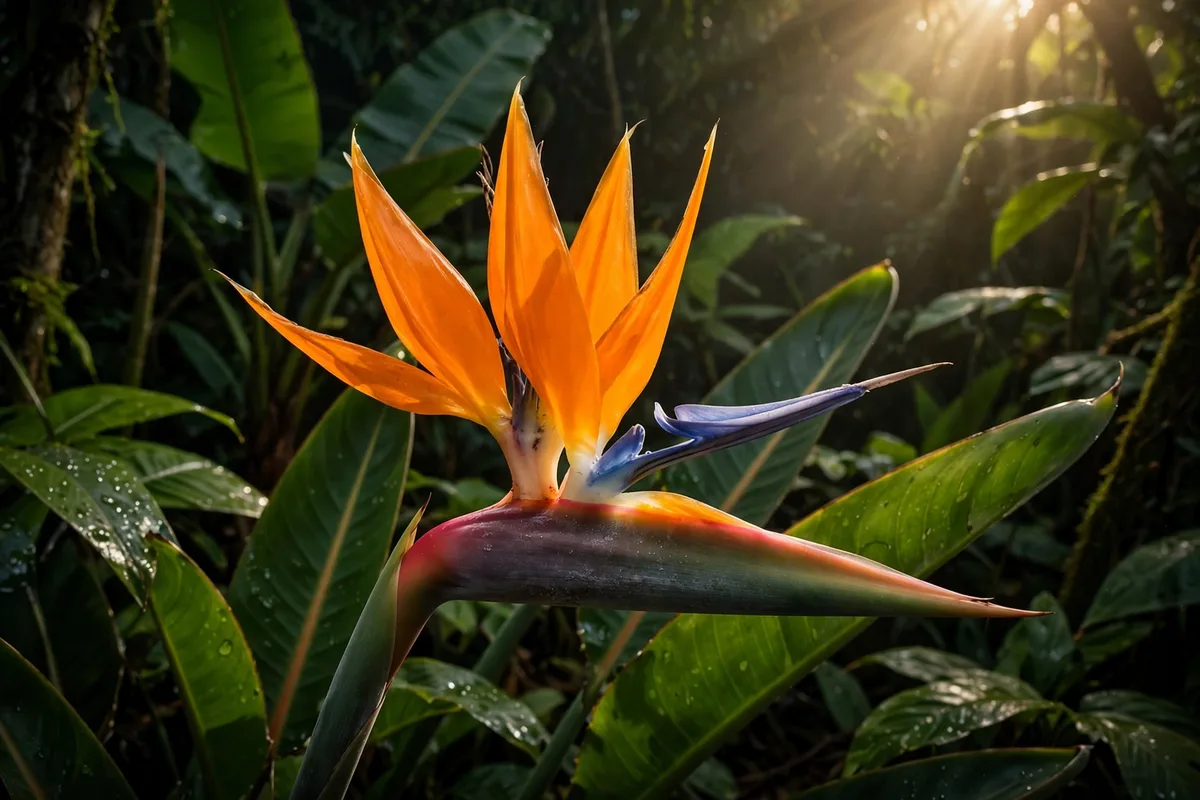
11. Bird of Paradise (Strelitzia reginae)
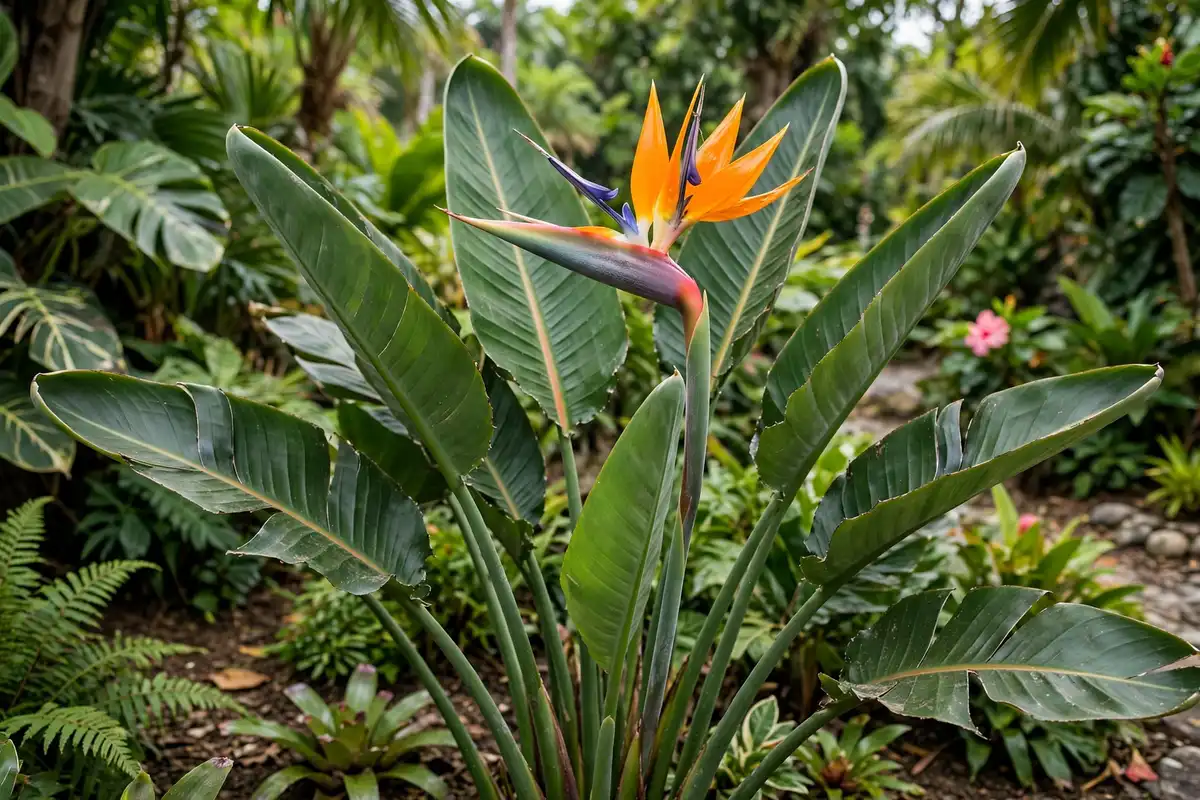
Bird of paradise looks like a tropical bird frozen mid-flight — vivid orange sepals and electric-blue petals rising from a beak-like green bract. This South African showpiece blooms mainly in winter and spring and makes a jaw-dropping houseplant, needing only bright light and a tight pot to flower. Outdoors it thrives in zones 10–12 with full sun. Split crowded clumps in spring to share the drama.
Bloom: Winter to spring | Sun: Full sun to bright indirect light | Zone: 10–12; houseplant elsewhere | Best for: Tropical statements, indoor wow factor
12. Bougainvillea (Bougainvillea spectabilis)
Bougainvillea turns walls, fences, and arbors into waterfalls of magenta, purple, red, or orange — though the showy “flowers” are actually papery bracts surrounding tiny true blooms. This Brazilian vine demands full blazing sun and actually blooms heaviest when slightly stressed: lean soil, tight roots, and restrained watering. In zones 9–11 it is evergreen; elsewhere grow it in pots and overwinter frost-free.
Bloom: Spring to fall | Sun: Full sun | Zone: 9–11 | Best for: Covering walls, hot patios, Mediterranean style
13. Blue Salvia (Salvia farinacea)
Blue salvia — mealy cup sage — sends up 2-foot spikes of true-blue or violet flowers that bloom nonstop from summer to frost. Native to Texas and Mexico, it is a heat-proof workhorse for beds and containers, adored by bees and butterflies. In zones 8–10 it returns as a perennial; northern gardeners grow it as an annual. Deadhead spent spikes to keep new ones coming.
Bloom: Summer to fall | Sun: Full sun | Zone: 8–10; grown as annual elsewhere | Best for: Blue color, pollinators, containers
14. Blackberry Lily (Iris domestica)
Blackberry lily is a conversation piece: orange, red-spotted iris-like flowers in midsummer give way to pods that split open revealing shiny black seed clusters resembling blackberries. Formerly sold as Belamcanda chinensis, this East Asian perennial grows 2–3 feet tall in sun to part shade. The dried seed stalks are striking in fall arrangements.
Bloom: Summer | Sun: Full sun to part shade | Zone: 5–10 | Best for: Unusual seed pods, late-season interest
15. Brunnera (Brunnera macrophylla)
Brunnera is the shade gardener’s answer to forget-me-nots — clouds of tiny sky-blue flowers in spring above large, heart-shaped leaves. Cultivars like ‘Jack Frost’ and ‘Alexander’s Great’ add silver-veined foliage that lights up dark corners all season. It wants part to full shade and consistently moist soil. One of the most reliable blue flowers that start with B for shady spots.
Bloom: Spring | Sun: Part to full shade | Zone: 3–8 | Best for: Shade gardens, silver foliage, spring blue
16. Bergenia (Bergenia cordifolia)
Bergenia — pigsqueak — is a tough evergreen perennial with big, leathery, cabbage-like leaves and clusters of pink or magenta bell flowers in early spring. The foliage often turns bronze or burgundy in winter for bonus color. It thrives in shade where many perennials sulk, tolerating dry shade once established. Divide crowded clumps every 3–4 years in spring.
Bloom: Spring | Sun: Part shade to full shade | Zone: 3–8 | Best for: Evergreen groundcover, winter foliage color
17. Boltonia (Boltonia asteroides)
Boltonia is a tall, airy native aster relative that covers itself in hundreds of white, pink, or lavender daisies from late summer into fall. Growing 4–6 feet tall, it brings a frothy, cloud-like texture to the back of the border. Give it full sun and average soil; stake in rich soil where it can flop. A wonderful, low-maintenance alternative to fall asters.
Bloom: Late summer to fall | Sun: Full sun | Zone: 3–9 | Best for: Fall color, back of borders, native gardens
18. Borage (Borago officinalis)
Borage is a charming annual herb with star-shaped, true-blue flowers that taste faintly of cucumber — a classic garnish for summer drinks and salads. Bees absolutely mob it, making borage a must for pollinator-friendly vegetable gardens. Sow seeds directly where they are to grow; like many taprooted annuals, it dislikes transplanting. It self-sows freely, so plant once and enjoy for years.
Bloom: Summer | Sun: Full sun | Zone: Grown as annual | Best for: Herb gardens, edible flowers, bee forage
19. Baptisia (Baptisia australis)
Blue wild indigo is one of the most dependable native perennials you can plant — lupine-like spikes of indigo-blue flowers in late spring on a handsome 3- to 4-foot shrub-like mound. Once established, its deep taproot makes it extraordinarily drought-tolerant and very long-lived; specimens can thrive for decades undisturbed. The charcoal-black seed pods add fall and winter interest.
Bloom: Late spring to early summer | Sun: Full sun | Zone: 3–9 | Best for: Low-maintenance natives, drought tolerance
20. Bluebeard (Caryopteris × clandonensis)
Bluebeard bridges the summer-to-fall gap with clusters of powder-blue flowers that butterflies find irresistible just when nectar gets scarce. This compact deciduous shrub (2–3 feet) blooms on new wood, so prune it back hard each spring like a perennial. Silvery foliage adds texture. It wants full sun and sharp drainage — a perfect small-space shrub for late-season color.
Bloom: Late summer to fall | Sun: Full sun | Zone: 5–9 | Best for: Late-season pollinators, small shrubs
21. Barbados Lily (Hippeastrum puniceum)
Barbados lily is the wild Caribbean cousin of the holiday amaryllis, producing clusters of fiery orange-red trumpets on 2-foot stalks in spring and summer. Unlike big hybrid amaryllis, it multiplies freely into generous clumps in warm, frost-free gardens (zones 9–11). Plant bulbs with the neck above the soil in full sun to part shade, and give them a dry rest after blooming to set buds.
Bloom: Spring to summer | Sun: Full sun to part shade | Zone: 9–11 | Best for: Tropical bulbs, warm-climate naturalizing
22. English Daisy (Bellis perennis)
English daisies bring storybook charm — cheerful white, pink, or red pompom blooms on 4- to 6-inch plants in spring. They shine in cool weather, making them perfect spring bedding alongside pansies, and often rebloom in fall. Give them full sun to part shade with consistent moisture. In hot climates, treat them as cool-season annuals and replant each spring.
Bloom: Spring to early summer | Sun: Full sun to part shade | Zone: 4–8 | Best for: Spring bedding, cool-season color
23. Bush Violet (Browallia speciosa)
Bush violet is a shade-lover’s treasure: vivid blue-violet, star-shaped flowers smother compact 1-foot mounds from summer to frost. This Colombian native blooms best in part shade — full sun bleaches the flowers — and makes a superb hanging basket or container plant. In zones 9–11 it returns yearly; elsewhere grow it as an annual. Keep soil evenly moist for best flowering.
Bloom: Summer to fall | Sun: Part shade | Zone: 9–11; grown as annual elsewhere | Best for: Shade containers, hanging baskets
24. Bloodroot (Sanguinaria canadensis)
Bloodroot is a fleeting spring miracle of eastern woodlands — pristine white flowers with golden centers that open on sunny days and close at night, lasting barely a week. The blooms emerge wrapped in a single lobed leaf that unfurls afterward and stays handsome all summer. Named for the orange-red sap in its roots, it is for admiring, not touching — the sap irritates skin. Plant rhizomes in rich, moist shade.
Bloom: Early spring | Sun: Part to full shade | Zone: 3–8 | Best for: Woodland gardens, native ephemerals
25. Blue-Eyed Grass (Sisyrinchium angustifolium)
Despite the name, blue-eyed grass is a petite iris relative with grassy foliage and charming blue-violet, yellow-eyed flowers that open in morning sun and close by afternoon. This eastern North American native forms tidy 1-foot tufts for path edges, rock gardens, and rain gardens. It self-sows politely and tolerates both average and moist soils — a delightful native groundcover.
Bloom: Late spring to summer | Sun: Full sun to part shade | Zone: 4–9 | Best for: Path edges, rain gardens, native groundcover
26. Bearded Iris (Iris × germanica)
Bearded irises are the aristocrats of the late-spring garden, with ruffled falls, upright standards, and fuzzy “beards” in nearly every color imaginable. Plant rhizomes shallowly — the top should bake in the sun — in full sun with excellent drainage; buried rhizomes rot. Divide crowded clumps every 3–4 years in late summer. Reblooming varieties add a fall encore.
Bloom: Late spring | Sun: Full sun | Zone: 3–9 | Best for: Classic borders, cut flowers, fragrance (many varieties)
27. Blazing Star (Liatris spicata)
Blazing star does everything backward — in the best way. Its 3- to 4-foot purple spikes bloom from the top down, unlike nearly every other spike flower, creating a striking torch effect in summer. This eastern native loves full sun and tolerates clay and drought. Butterflies and bees visit constantly, and goldfinches love the seeds. Superb cut flowers with a long vase life.
Bloom: Summer | Sun: Full sun | Zone: 3–8 | Best for: Vertical accents, pollinators, cut flowers
28. Bluebonnet (Lupinus texensis)
Texas bluebonnets are legendary — spring fields of blue spikes with white tips that draw pilgrims and photographers every April. This cool-season annual germinates in fall, overwinters as a rosette, and explodes into bloom in spring. Sow scarified seed in fall in full sun with well-drained, alkaline soil. Do not fertilize; like all lupines, it fixes its own nitrogen.
Bloom: Spring | Sun: Full sun | Zone: Grown as annual | Best for: Wildflower meadows, Texas-style spring displays
29. Buttercup (Ranunculus acris)
Tall buttercup lights up meadows with glossy, mirror-like yellow flowers in late spring — the shine comes from a reflective petal layer, the same trick behind the childhood chin test. While it can be weedy in pastures, the double-flowered garden forms are well-behaved border plants. Give them full sun to part shade and moist soil. All parts are mildly toxic if eaten.
Bloom: Late spring to summer | Sun: Full sun to part shade | Zone: 3–8 | Best for: Meadow edges, cheerful yellow drifts
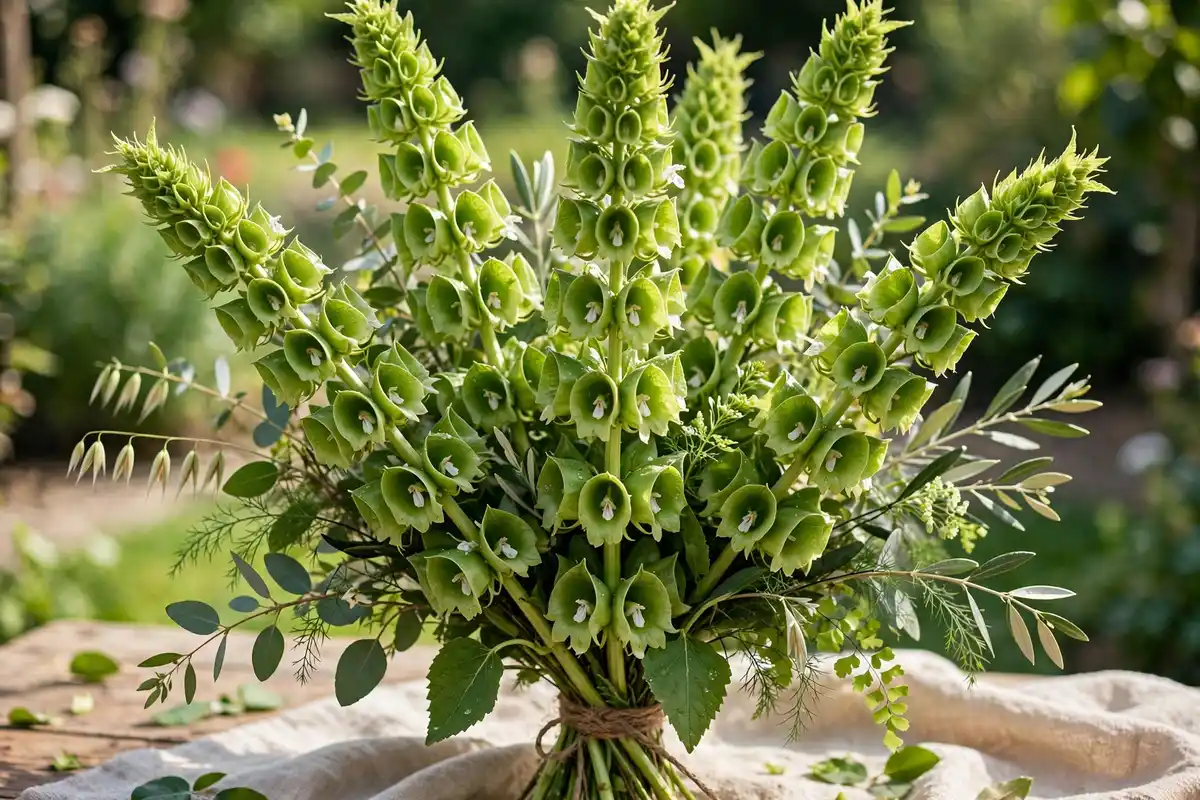
30. Bells of Ireland (Moluccella laevis)
Bells of Ireland are florist favorites — tall spikes of apple-green, bell-shaped calyces (the tiny white flowers hide inside) that add height and unusual color to arrangements. This Western Asian annual grows 2–3 feet tall in full sun; chill seeds before sowing for best germination. The green bells dry beautifully for everlasting bouquets. A must-grow for cutting gardens.
Bloom: Summer | Sun: Full sun | Zone: Grown as annual | Best for: Cut flowers, dried arrangements, green accents
31. Bromeliad (Guzmania lingulata)
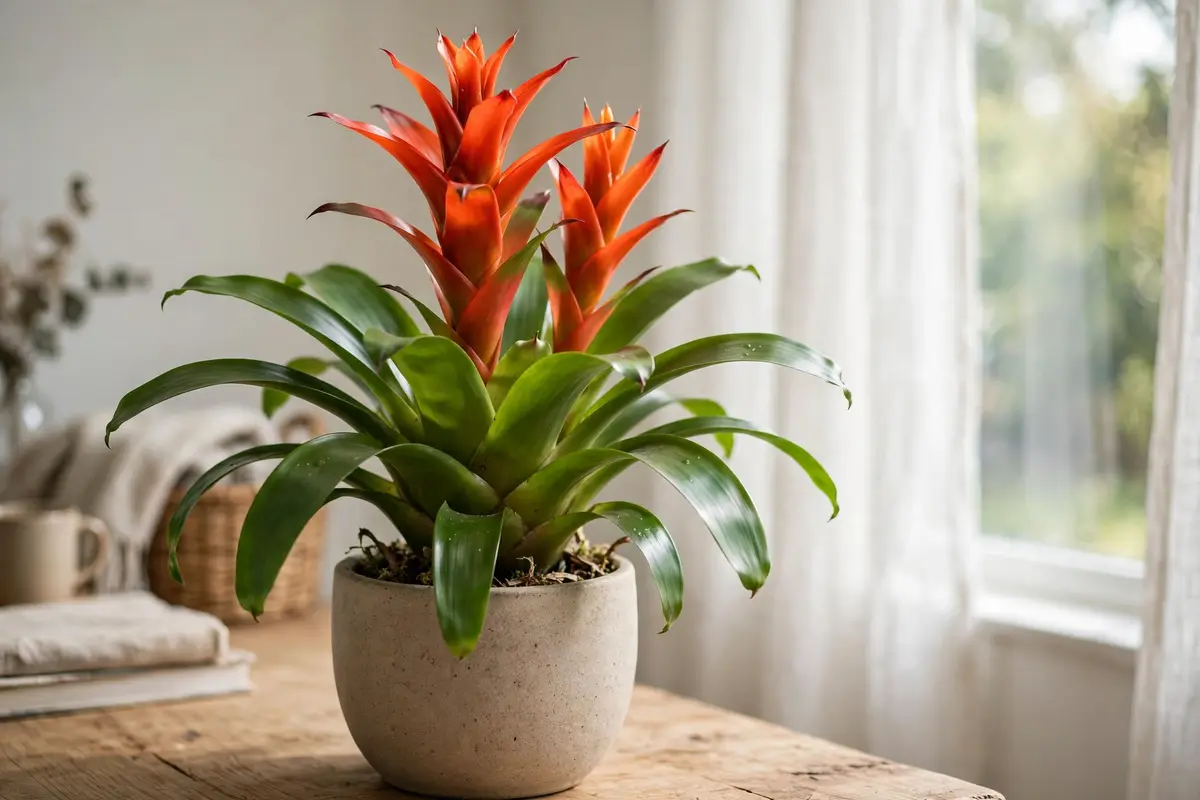
Scarlet star bromeliad brings the tropics indoors — a rosette of glossy green leaves crowned by a brilliant red, orange, or yellow flower spike that lasts for months. As an epiphyte, it drinks through its central “tank”: keep the cup filled with fresh water and mist regularly. Bright indirect light keeps colors vivid. After blooming, the mother plant produces pups to start the cycle again.
Bloom: Colorful bracts last for months | Sun: Bright indirect light | Zone: 10–11; houseplant elsewhere | Best for: Easy houseplants, tropical interiors
32. Bouvardia (Bouvardia ternifolia)
Bouvardia — firecracker bush — explodes with clusters of scarlet, trumpet-shaped flowers from summer to fall that hummingbirds cannot resist. This evergreen shrub from Mexico and the Southwestern US grows 2–4 feet tall in full sun to part shade. It is remarkably drought-tolerant once established and blooms heaviest with a hard spring pruning. Tender below zone 8, so northern gardeners can enjoy it in containers.
Bloom: Summer to fall | Sun: Full sun to part shade | Zone: 8–11 | Best for: Hummingbirds, drought-tolerant shrubs
33. Bitterroot (Lewisia rediviva)
Bitterroot is a western wildflower of remarkable toughness — fleshy rosettes that go fully dormant in summer heat, then resurrect with satiny pink, rose, or white flowers in late spring. Montana’s state flower needs what kills most plants: gritty, fast-draining soil, full sun, and a bone-dry summer rest. Perfect for rock gardens, troughs, and alpine beds where drainage is sharp.
Bloom: Late spring to early summer | Sun: Full sun | Zone: 3–6 | Best for: Rock gardens, alpine troughs, xeric beds
34. Basket Flower (Centaurea americana)
American basket flower is the cornflower’s bigger, bolder native cousin — 4- to 5-inch pink-lavender thistle-like blooms on 3- to 5-foot stems, each bud wrapped in a distinctive woven “basket” of bracts. This south-central US native blooms all summer in full sun and poor soil, feeding bees and butterflies. Sow seed directly in spring; it dislikes transplanting.
Bloom: Summer | Sun: Full sun | Zone: Grown as annual | Best for: Native wildflower gardens, big bold blooms
35. Bridal Wreath Spirea (Spiraea prunifolia)
Bridal wreath spirea is spring’s white waterfall — arching branches completely smothered in double white blossoms, like a bridal bouquet exploded across the shrub. This classic deciduous shrub grows 4–8 feet tall and blooms on old wood, so prune right after flowering if needed. Give it full sun to part shade and average soil; it is nearly indestructible and deer-resistant.
Bloom: Spring | Sun: Full sun to part shade | Zone: 4–8 | Best for: Spring spectacle, hedges, low-maintenance shrubs
36. Black Cohosh (Actaea racemosa)
Black cohosh — bugbane — sends 4- to 6-foot wands of tiny white flowers towering over dark, divided foliage in midsummer shade gardens, where few plants offer such drama. This eastern woodland native wants rich, moist soil and part to full shade. The bottlebrush-like flower spikes have a distinctive sweet scent that some love and others find odd. A stately anchor for the back of shade borders.
Bloom: Summer | Sun: Part to full shade | Zone: 3–8 | Best for: Shade architecture, woodland backdrops
37. Blue Star Creeper (Isotoma fluviatilis)
Blue star creeper is a living carpet — tiny star-shaped pale-blue flowers sprinkled over dense evergreen mats from early to midsummer. It tolerates light foot traffic, making it a charming lawn substitute or pathway filler, and it fills gaps between stepping stones beautifully. Give it full sun to part shade with consistent moisture. It spreads steadily, so edge it where you want it to stop.
Bloom: Summer | Sun: Full sun to part shade | Zone: 5–9 | Best for: Between stepping stones, lawn alternatives, groundcover
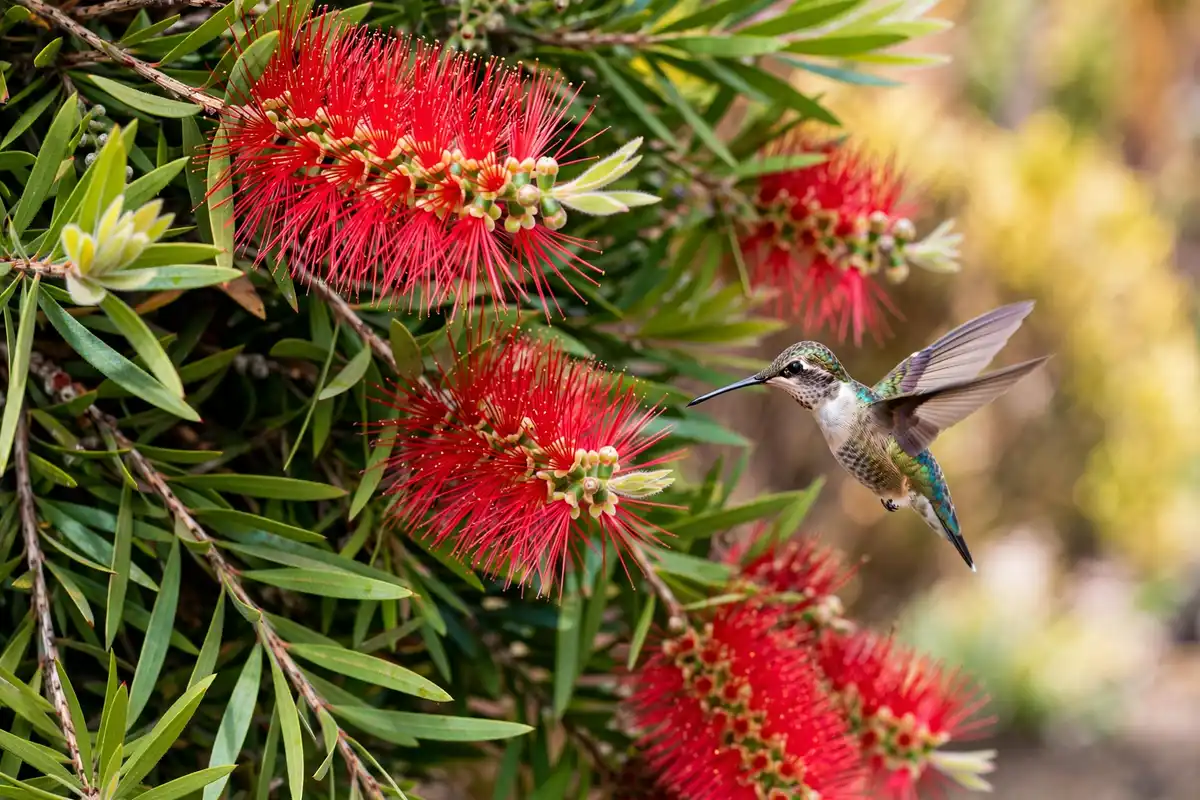
38. Bottlebrush (Callistemon citrinus)
Crimson bottlebrush lives up to its name with vivid red, brush-like flower spikes that hummingbirds mob in spring and summer. This Australian evergreen shrub grows 6–12 feet tall in full sun with excellent drainage — it hates wet feet. The lemon-scented foliage adds a second sensory layer. In zones 8–11 it is evergreen year-round; elsewhere, grow dwarf forms in pots and overwinter indoors.
Bloom: Spring to summer | Sun: Full sun | Zone: 8–11 | Best for: Hummingbirds, evergreen screening, warm climates
39. Blue Daisy (Felicia amelloides)
Blue daisy is one of the truest blues in the garden — sky-blue petals around a golden-yellow center on compact 1- to 2-foot mounds that bloom from summer to frost. This South African native wants full sun and sharp drainage and sulks in soggy soil. In zones 9–11 it returns yearly; northern gardeners grow it as an annual or overwinter cuttings. Deadhead for nonstop color.
Bloom: Summer to fall | Sun: Full sun | Zone: 9–11; grown as annual elsewhere | Best for: True-blue color, containers, edging
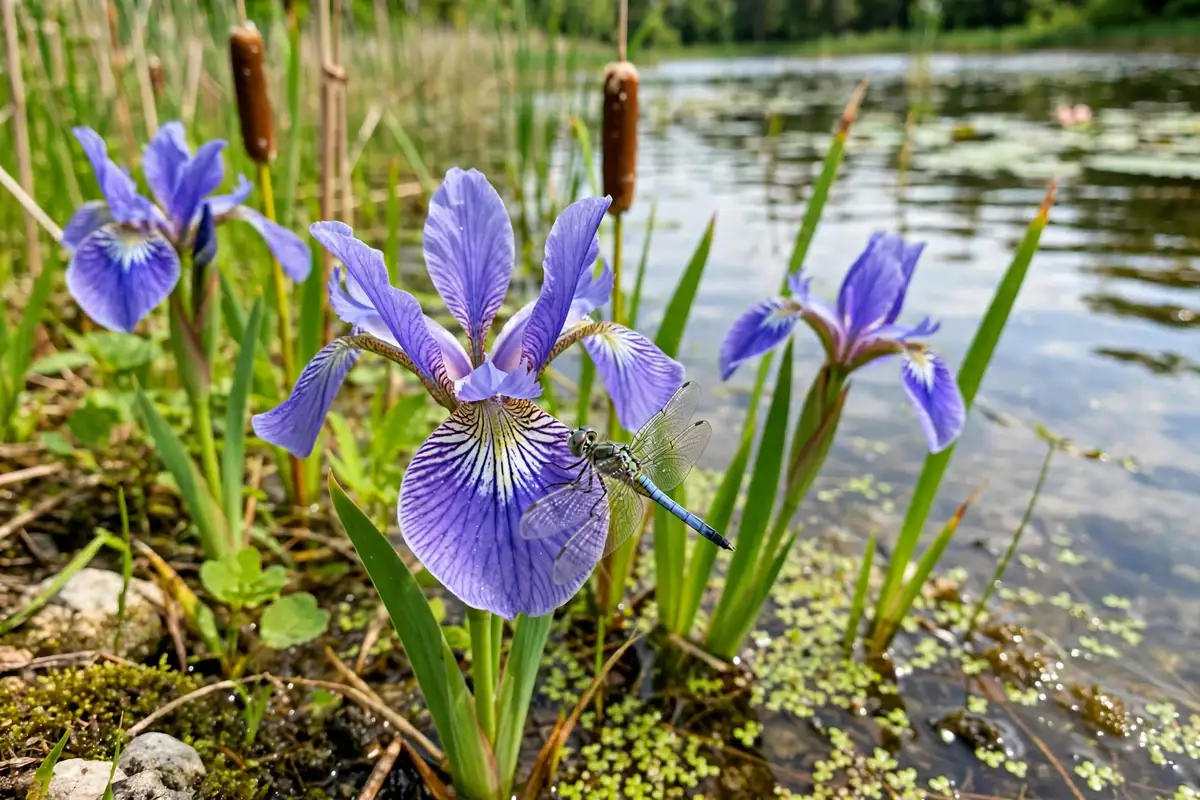
40. Blue Flag Iris (Iris versicolor)
Blue flag iris is a graceful native for wet spots — elegant blue-violet falls veined in white and yellow rising 2–3 feet above sword-like foliage in late spring. This eastern North American wildflower thrives in rain gardens, pond margins, and soggy clay where most perennials drown. Give it full sun to part shade and constant moisture. Leave the foliage standing for structure through the seasons.
Bloom: Late spring to early summer | Sun: Full sun to part shade | Zone: 3–9 | Best for: Rain gardens, pond edges, wet soil
41. Buttonbush (Cephalanthus occidentalis)
Bloom: Summer | Sun: Full sun to part shade | Zone: 5–9 | Best for: Native shrubs, rain gardens, pollinators
Buttonbush is one of the finest native shrubs for wet spots — spherical white flower heads like pincushions that butterflies and bees mob in midsummer. This eastern and central North American native thrives in rain gardens, pond margins, and low spots where other shrubs drown. Give it full sun to part shade and room to spread; the seed balls feed ducks and songbirds through winter.
42. Black Chokeberry (Aronia melanocarpa)
Bloom: Spring (berries in fall) | Sun: Full sun to part shade | Zone: 3–8 | Best for: Native shrubs, fall color, wildlife berries
Black chokeberry is a native shrub that works triple duty — white spring flowers, glossy summer foliage, and brilliant red fall color topped with clusters of black berries. The astringent berries are beloved by birds and make antioxidant-rich juice for people. It tolerates wet soil, drought, and neglect, making it one of the toughest native shrubs you can plant.
43. Blue Vervain (Verbena hastata)
Bloom: Summer to fall | Sun: Full sun | Zone: 3–8 | Best for: Rain gardens, pollinators, native meadows
Self-seeds readily — deadhead after bloom if you want to keep it in bounds.
Blue vervain sends up candelabra-like spikes of tiny violet-blue flowers that bloom from the bottom up through summer into fall. This native of moist meadows and rain gardens is a pollinator powerhouse, feeding bees, butterflies, and beneficial insects for months. Plant it where it has room, or deadhead spent spikes to keep it in check.
44. Bunchberry (Cornus canadensis)
Bloom: Late spring to early summer | Sun: Part to full shade | Zone: 2–6 | Best for: Woodland groundcover, native gardens
Bunchberry is a ground-hugging dogwood for cool shade — white four-petaled blooms in late spring give way to tight clusters of bright red berries in late summer. Native to northern woodlands, it carpets the forest floor where few other plants thrive. It needs acidic, humus-rich soil and consistent moisture; hot dry shade will defeat it.
45. Blue-Eyed Mary (Collinsia verna)
Bloom: Spring | Sun: Full sun to part shade | Zone: Grown as annual | Best for: Spring wildflowers, edging
Cool-season annual — sow seed directly in fall; it self-sows politely where it is happy.
Blue-eyed Mary is a spring wildflower of eastern woodlands — delicate two-toned blue and white blooms with a sweet face, each flower no bigger than a dime. This cool-season annual germinates in fall and blooms in early spring before the tree canopy closes. Plant it with trilliums and wild ginger for a classic woodland spring display.
46. Baby Blue Eyes (Nemophila menziesii)
Bloom: Spring | Sun: Full sun to part shade | Zone: Grown as annual | Best for: Spring carpets, containers, edging
Cool-season annual — sow seed directly in fall; it self-sows politely where it is happy.
Baby blue eyes is California’s beloved spring annual — carpets of sky-blue, white-centered cups that look like scattered pieces of sky. Sow seed in fall in full sun to part shade for a March-to-May show, then let it set seed and disappear for summer. It is one of the easiest wildflowers for beginners and a wonderful edging for spring bulbs.
47. Blue Phlox (Phlox divaricata)
Bloom: Spring | Sun: Part shade | Zone: 3–8 | Best for: Woodland gardens, spring color, groundcover
Blue phlox — woodland phlox — perfumes spring woods with clusters of fragrant lavender-blue flowers on 12-inch stems. This eastern native spreads slowly into handsome colonies in part shade with rich, moist soil. Plant it with trilliums, ferns, and wild ginger for a classic woodland garden.
48. Butterfly Pea (Clitoria ternatea)
Bloom: Summer to fall | Sun: Full sun | Zone: 9–11; annual elsewhere | Best for: Vines, edible flowers, containers
Tropical — not hardy outdoors in most US zones; grow as an annual.
Butterfly pea is a tropical vine with astonishing cobalt-blue flowers that can turn tea, cocktails, and rice a vivid indigo with a squeeze of lemon. This Southeast Asian native climbs 6–10 feet in a season in full sun and heat. Start seeds indoors or direct-sow after the soil warms; give it a trellis and watch it climb.
49. Blue Daze (Evolvulus glomeratus)
Bloom: Summer to fall | Sun: Full sun | Zone: 9–11; annual elsewhere | Best for: Containers, edging, heat-tough color
Tropical — not hardy outdoors in most US zones; grow as an annual.
Blue daze is a heat-proof groundcover that pumps out true-blue, funnel-shaped flowers from summer to frost without pause. This tender South American native forms low mounds of silvery foliage that look good even between blooms. It shrugs off heat and humidity that flatten fussier annuals — a top pick for summer containers in the South.
50. Blue Potato Bush (Lycianthes rantonnetii)
Bloom: Spring to fall | Sun: Full sun | Zone: 9–11 | Best for: Warm-climate shrubs, containers
Berries are toxic if eaten — keep away from curious children and pets; grow in pots you can move indoors in cold zones.
Blue potato bush is a fast-growing evergreen shrub covered in violet-blue, potato-like flowers with yellow centers from spring through fall. Native to South America, it brings tropical color to warm-climate gardens and large containers. Shear lightly after each flush to keep it dense and blooming.
51. Blue Cohosh (Caulophyllum thalictroides)
Bloom: Spring | Sun: Part to full shade | Zone: 3–8 | Best for: Woodland gardens, native plants
Berries are toxic if eaten — site where children and pets will not be tempted.
Blue cohosh is a stately woodland native — blue-green divided foliage, greenish-yellow spring flowers, and striking deep-blue berries in fall. It thrives in rich, moist shade where it slowly forms handsome colonies. Leave it undisturbed once planted; like many woodland natives it resents moving.
52. Bottle Gentian (Gentiana andrewsii)
Bloom: Late summer to fall | Sun: Full sun to part shade | Zone: 3–7 | Best for: Native gardens, late-season color
Bottle gentian is one of fall’s great treats — clusters of deep-blue, bottle-shaped flowers that never fully open, blooming when most of the garden is winding down. Bumblebees are strong enough to force their way inside, making it a late-season pollinator lifeline. This eastern and midwestern native wants full sun to part shade with consistent moisture.
53. Beach Sunflower (Helianthus debilis)
Bloom: Spring to fall | Sun: Full sun | Zone: 8–11 | Best for: Coastal gardens, groundcover, pollinators
Spreads and self-seeds — give it room or edge it back.
Beach sunflower is Florida’s workhorse native — cheerful yellow daisies on sprawling stems that bloom nearly year-round in warm zones. It thrives on sand, salt spray, and neglect, making it perfect for coastal gardens and hot dry banks. Butterflies visit constantly, and the seed heads feed birds.
54. Black Locust (Robinia pseudoacacia)
Bloom: Late spring | Sun: Full sun | Zone: 4–8 | Best for: Fragrant trees, fast shade — plant with caution (aggressive spreader)
Suckers aggressively and can be weedy — plant only where you can manage its spread, away from natural areas.
Black locust perfumes late spring with intensely fragrant, white, wisteria-like flower clusters that bees travel far to find. This fast-growing native tree fixes nitrogen and tolerates poor soil, making it a pioneer for tough sites. Cut back root suckers promptly to keep a single-stemmed tree.
55. Barberry (Berberis thunbergii)
Bloom: Spring | Sun: Full sun to part shade | Zone: 4–8 | Best for: Hedges, fall color — plant with caution (invasive in many states)
Invasive in many US states — check local guidance before planting; native alternatives like winterberry holly or ninebark give the same structure and fall color without the ecological cost.
Japanese barberry is a dense, thorny shrub with small yellow spring flowers, red berries, and foliage that turns crimson in fall. It has escaped cultivation in many eastern states, where it invades woodlands and is extremely difficult to remove once established. Plant it only where local guidance allows, or choose a native alternative instead.
B flowers by colour
Planning a colour scheme? Here are the 55 B flowers above, grouped by their main flower colour, using the colours named in the FAQ below. B is the alphabet’s great blue letter — the FAQ counts more than a dozen true-blue choices — but it covers every other colour too. Several appear in more than one group, so check the numbered entry for the exact cultivar.
| Colour | B flowers to try |
|---|---|
| Blue and purple | Bluebell, Blue Salvia, Balloon Flower, Blue Daisy, Brunnera, Bachelor’s Button, Bluebeard, Bluebonnet, Blue-Eyed Grass, Blue Flag Iris, Borage, Bush Violet, Blue Vervain, Blue-Eyed Mary, Baby Blue Eyes, Blue Phlox, Blue Daze, Blue Potato Bush, Butterfly Pea |
| White | Bridal Wreath Spirea, Bloodroot, Black Cohosh, Boltonia, white forms of Bluebell and Balloon Flower, white Wax Begonias, white Bearded Iris varieties |
| Pink and red | Bleeding Heart, Bergenia, Bee Balm, Basket Flower, Bitterroot, pink forms of Brunnera, pink Wax Begonias, Blanket Flower, Bouvardia |
| Yellow and green | Black-Eyed Susan, Buttercup, Bells of Ireland (green), yellow Blanket Flower |
Best B flowers by season
B opens the garden year and closes it. These are the strongest picks from the list for each season, taken from the bloom column of the at-a-glance table.
Spring: Bleeding Heart, Bluebell, Brunnera, Bergenia, Bloodroot, Bluebonnet, Bridal Wreath Spirea, Black Chokeberry, Blue-Eyed Mary, Baby Blue Eyes, Blue Phlox and Blue Cohosh, with Bird of Paradise finishing its winter-to-spring run and Barbados Lily and English Daisy bridging into summer. Summer: the big show — Black-Eyed Susan, Bee Balm, Balloon Flower, Blanket Flower, Bellflower, Blazing Star, Borage, Baptisia and Buttercup, plus the long summer-to-fall crowd of Butterfly Bush, Blue Salvia and Bougainvillea. Fall: Boltonia, Bluebeard and Bottle Gentian peak late, while Blanket Flower, Blue Vervain and Blue Daze run summer to fall. Winter: outdoors rests except Bergenia’s winter foliage colour — indoors, Bromeliad bracts hold their colour for months and Bird of Paradise starts its winter-to-spring bloom.
Indoor and container-friendly B flowers
No garden required: B is full of container plants. The table’s own picks include Wax Begonia for shady beds and containers, Blue Salvia and Blue Daisy for containers, Bush Violet for shade containers and hanging baskets, Baby Blue Eyes for spring containers, Butterfly Pea and Blue Daze for containers, and Blue Potato Bush for warm-climate containers. Two are true houseplants: Bromeliad, the easy indoor plant whose colourful bracts last for months in bright indirect light, and Bird of Paradise, grown as a houseplant everywhere outside zones 10–12.
Beginner-friendly B flowers
New to gardening? Start with the page’s own easiest picks, named in the FAQ: Wax Begonias, Black-Eyed Susans, Blanket Flowers, Bachelor’s Buttons and Blue Salvia — nearly foolproof plants that transplant easily, bloom for months and forgive missed waterings. For perennials, the FAQ recommends Balloon Flower, Bee Balm and Blazing Star for dependable returns, and Beach Sunflower and Black Chokeberry are easy native choices too. For shade, the FAQ’s list is Bleeding Heart, Brunnera, Bergenia, Bloodroot, Black Cohosh and Bluebells.
Rare and unusual B flowers
Beyond the classics, B hides some genuine oddities. Bird of Paradise flowers look like cranes in flight. Bells of Ireland are grown for green, bell-shaped calyxes rather than petals. Bottle Gentian never opens — its blue bottles stay closed and bumblebees force their way in. Blackberry Lily follows summer flowers with seed pods that split to show blackberry-like seeds, and Bitterroot is a tiny rock-garden jewel for alpine troughs. Three grower cautions from the entries and table: Butterfly Bush self-seeds aggressively in some regions — check your local invasive list and choose sterile cultivars where recommended; Barberry is invasive in many US states; and Black Locust is an aggressive spreader — plant all three with caution.
B flowers with full guides on HomeYorva
Several flowers in this list have their own complete growing and care guides elsewhere on HomeYorva. If one of these is your flower, start there:
- Bleeding Heart Flower guide — bleeding hearts, the spring shade classic (entry 4)
- Lupine Flower guide — lupines, including Bluebonnet (entry 28)
- Sunflower Varieties guide — sunflower types, including Beach Sunflower (entry 53)
- Fragrant Flowers guide — butterfly bush, bluebells and bearded iris are the fragrant B picks named in the FAQ
- Red Flowers · Blue Flowers · White Flowers · Purple Perennial Flowers — colour guides for planning a B border by colour
Browse the rest of the letter: Flowers That Start With C · Flowers That Start With P · Flowers That Start With D · Flowers That Start With M · Flowers That Start With K · Flowers That Start With L · Flowers That Start With I · Flowers That Start With A · Flowers That Start With E · Flowers That Start With S · Flowers That Start With J · Flowers That Start With R · Flowers That Start With H · Flowers That Start With G · Flowers That Start With N · Flowers That Start With T · or see all 26 letters in the Flower Names A–Z hub. There is also a companion Plants That Start With B page.
Growing Tips for B-Flowers
With 55 different B-flowers on this list, a few universal rules will set you up for success no matter which ones you choose.
Match the plant to your zone first. Check the hardiness zones in the table above before you buy. Tropical B-flowers like bird of paradise, bougainvillea, and bromeliad simply cannot survive a freezing winter outdoors — grow them in pots you can move inside, or enjoy them as houseplants year-round.
Respect the taproot crew. Baptisia, balloon flower, borage, bluebonnet, and butterfly weed relatives all grow deep taproots and hate being moved. Plant them once, in their permanent spot, and let them settle in for years of low-maintenance bloom. Mark late emergers like balloon flower and baptisia so spring cleanup does not accidentally dig them up.
Give blues their best shot. Many of the finest blue flowers that start with B — blue salvia, blue daisy, bachelor’s button, blazing star — bloom heaviest in full sun with lean to average soil. Rich, over-fertilized soil grows floppy foliage instead of flowers, so go easy on the nitrogen and deadhead regularly to keep the color coming.
Shade is an asset, not a problem. Bleeding heart, brunnera, bergenia, bloodroot, and black cohosh all prefer part to full shade, and bluebells naturalize beautifully under deciduous trees. Feed shade beds with leaf mold or compost each spring to mimic the woodland floor these plants evolved in.
Deadhead annuals, leave perennials standing. Snipping spent blooms off wax begonias, blue daisies, and blanket flowers keeps new buds coming for months. On perennials like black-eyed Susan, blazing star, and baptisia, leaving seed heads through fall feeds birds and adds winter structure — cut back in early spring instead.
Water wisely for the climate crowd. Drought champions like blanket flower, bouvardia, and bitterroot want sharp drainage and resent soggy soil, while blue flag iris, blue-eyed grass, and black cohosh thirst for consistent moisture. Group plants with similar water needs together and mulch 2–3 inches deep to even out the swings.
Check invasiveness before you plant. Japanese barberry is invasive in many US states — verify local guidance and consider the native alternatives named in its entry. Butterfly bush (live entry 2) carries the same caution on the live page, and black locust suckers aggressively where it is not wanted.
Watch the self-sowers and spreaders. Blue vervain, beach sunflower, blue-eyed Mary, and baby blue eyes all self-sow — deadhead to keep them in bounds. Blue star creeper (live entry 37) and bee balm (live entry 7) spread by runners on the live page.
Match tender plants to your zone. Butterfly pea, blue daze, and blue potato bush need frost-free conditions — grow them as annuals or in pots you can move indoors, just like the bird of paradise and bougainvillea already on this page.
Explore More Flowers
- Flowers That Start With A
- Flowers That Start With C
- Flowers That Start With D
- Flowers That Start With E
- Flowers That Start With F
- Flowers That Start With G
- Flowers That Start With H
- Flowers That Start With I
- Flowers That Start With J
- Flowers That Start With K
- Flowers That Start With L
- Flowers That Start With M
- Flowers That Start With N
- Flowers That Start With O
- Flowers That Start With P
- Flowers That Start With R
- Flowers That Start With S
- Flowers That Start With V
- Flowers That Start With W
- Flowers That Start With Z
- Plants That Start With T
Which B-Flowers Will You Grow?
From the spring hearts of bleeding heart to the fall spikes of butterfly bush, flowers that start with B cover every season, every sun level, and every USDA zone from 3 to 12. Start with easy winners matched to your conditions — perhaps black-eyed Susans and blanket flowers for a sunny border, brunnera and bergenia for shade, or a bromeliad for the windowsill. Pick three or four favorites from this list, give them the right spot, and you will be amazed how quickly the letter B fills your garden with color.
Frequently Asked Questions
What flowers start with B?
Dozens of garden favorites start with B, including begonia, butterfly bush, black-eyed Susan, bleeding heart, bluebell, bachelor’s button, bee balm, balloon flower, blanket flower, and bellflower. This guide covers 55 entries in total, each with its scientific name, bloom season, sun needs and hardiness zone.
What are some common flower names that start with B for a garden?
For an easy-care garden, start with black-eyed Susan, blanket flower, bee balm, balloon flower, and bachelor’s button. They are widely available at nurseries, adapt to many US climates, and bloom reliably with basic care. Add butterfly bush or bluebeard for bigger shrub impact.
What blue flowers start with B?
Beautiful blue B-flowers include bluebell, blue salvia, balloon flower, blue daisy, brunnera, bachelor’s button, bluebeard, bluebonnet, blue-eyed grass, blue flag iris, borage, and bush violet. The new entries add blue vervain, blue-eyed Mary, baby blue eyes, blue phlox, blue daze, and blue potato bush — few letters of the alphabet offer gardeners as much true-blue choice as B does.
What white flowers start with B?
White B-flowers include bridal wreath spirea, bloodroot, black cohosh, boltonia, white forms of bluebell and balloon flower, white begonias, and white bearded iris varieties. White gardens glow beautifully at dusk, and these pair well with silver foliage.
What pink flowers start with B?
Top pink choices are bleeding heart, bergenia, bee balm, basket flower, bitterroot, brunnera’s pink forms, and pink begonias. Blanket flower and bouvardia add pink-to-red heat for summer beds.
Which perennial flowers start with B?
Reliable perennial flowers that start with B include black-eyed Susan, bleeding heart, bee balm, balloon flower, blanket flower, bellflower, brunnera, bergenia, baptisia, blazing star, blue flag iris, bearded iris, blue-eyed grass, black cohosh, and blue star creeper. Most return bigger and better each year with minimal care. The new entries add buttonbush, black chokeberry, blue vervain, bunchberry, blue phlox, blue cohosh, and bottle gentian to the perennial ranks.
What flowers that start with B bloom in spring?
Spring bloomers include bleeding heart, bluebell, brunnera, bergenia, bloodroot, bridal wreath spirea, bluebonnet, English daisy, bearded iris, baptisia, and blue flag iris. The new entries add blue-eyed Mary, baby blue eyes, blue phlox, bunchberry, black chokeberry, and black locust. Plant a mix for continuous spring color from March through June.
Which flowers starting with B are best for beginners?
Wax begonias, black-eyed Susans, blanket flowers, bachelor’s buttons, and blue salvia are nearly foolproof — they transplant easily, bloom for months, and forgive missed waterings. For perennials, try balloon flower, bee balm, or blazing star for dependable returns. Beach sunflower and black chokeberry are easy native choices too.
What flowers that begin with B grow well in shade?
Shade-tolerant B-flowers include bleeding heart, brunnera, bergenia, bloodroot, black cohosh, bluebells, and bush violet. Wax begonias are the top annual for shady beds and containers, while bromeliads thrive as indoor plants in bright indirect light. The new entries add bunchberry, blue phlox, and blue cohosh for shade.
Are there fragrant flowers that start with B?
Yes! Butterfly bush has sweet honey-scented spikes, bluebells carry a delicate spring perfume, many bearded iris varieties are deliciously fragrant, and borage flowers smell faintly of cucumber. Bells of Ireland add a fresh green scent to bouquets. The new entries add black locust’s powerful spring perfume and blue phlox’s sweet scent.
What flowers that start with B make good cut flowers?
Blazing star, bachelor’s button, bells of Ireland, black-eyed Susan, and blanket flower all make excellent, long-lasting cut flowers. Butterfly bush and bluebeard stems add fragrance and pollinator-friendly charm to summer arrangements. Cut stems early in the morning for longest vase life.
Which B-flowers attract butterflies and hummingbirds?
Butterfly bush, bee balm, blue salvia, blanket flower, blazing star, bouvardia, and bottlebrush are magnets for butterflies, bees, and hummingbirds. The new entries add buttonbush, blue vervain, beach sunflower, and bottle gentian. Planting several together creates a nectar buffet that supports pollinators from spring through fall.
6 Comments