
Quick Answer
Yes — this page lists 30 plants that start with T, filling the one missing letter in HomeYorva’s plant A–Z set. Use the table to filter by zone, sun and use, from hummingbird vines to shade woodlanders.
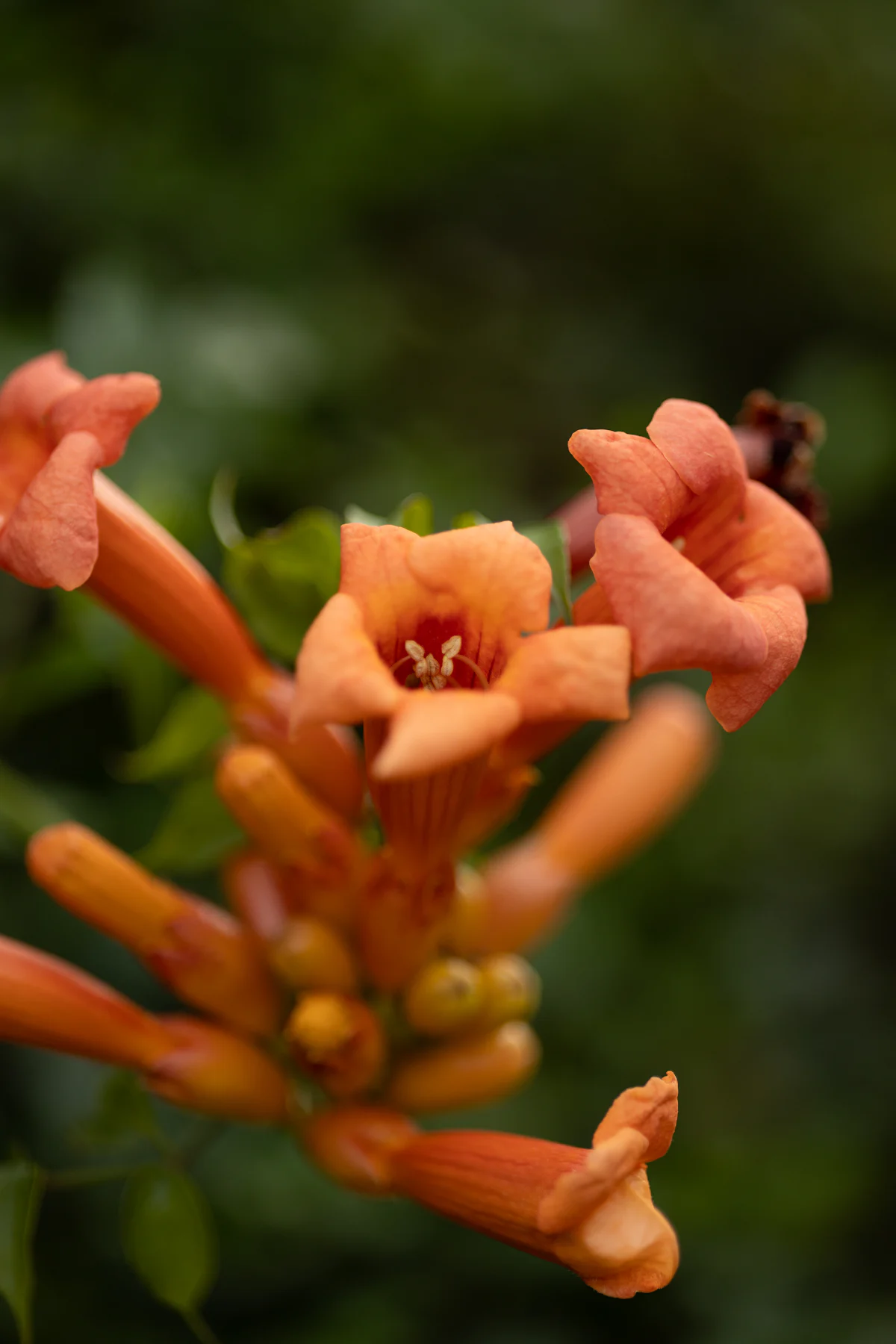
Looking for plants that start with T? This guide covers 30 real T plants, each with its scientific name, bloom season, sun needs and hardiness zone. For flowers specifically, see Flowers That Start With T, and keep exploring the alphabet with Plants That Start With S, Plants That Start With U and Plants That Start With A.
T-Plants at a Glance
| # | Name | Scientific | Bloom | Sun | Zone | Best for |
|---|---|---|---|---|---|---|
| 1 | Tea Olive | Osmanthus fragrans | Fall | Full sun to part shade | 7-10 | Fragrant shrub border |
| 2 | Trumpet Vine / Trumpet Creeper | Campsis radicans | Summer | Full sun | 4-9 | Fence, arbour, hummingbird garden |
| 3 | Creeping Thyme | Thymus serpyllum | Summer | Full sun | 4-9 | Groundcover, herb garden, between stones |
| 4 | Common Thyme | Thymus vulgaris | Summer | Full sun | 5-9 | Herb garden, edging |
| 5 | Tiger Lily | Lilium lancifolium | Summer | Full sun to part shade | 3-9 | Border, cut flowers |
| 6 | Spiderwort | Tradescantia virginiana | Summer | Part shade | 4-9 | Shade border, woodland edge |
| 7 | Trailing Rosemary | Salvia rosmarinus ‘Prostratus’ | Spring to summer | Full sun | 8-10 | Groundcover, wall edge, herb garden |
| 8 | Tea Plant | Camellia sinensis | Fall | Part shade | 7-9 | Shrub border, tea garden |
| 9 | Tuberose | Polianthes tuberosa | Summer to fall | Full sun | 8-10 | Fragrant border, cut flowers, containers |
| 10 | Tulip Tree | Liriodendron tulipifera | Spring | Full sun | 4-9 | Large shade tree |
| 11 | Turk’s Cap | Malvaviscus arboreus | Summer to fall | Full sun to part shade | 7-11 | Hummingbird garden, shrub border |
| 12 | Twinflower | Linnaea borealis | Summer | Part shade | 2-7 | Woodland groundcover |
| 13 | Foamflower | Tiarella cordifolia | Spring | Part to full shade | 3-8 | Woodland groundcover, shade border |
| 14 | Black-Eyed Susan Vine | Thunbergia alata | Summer to fall | Full sun | Annual; perennial 10-11 | Trellis, containers |
| 15 | Texas Sage | Leucophyllum frutescens | Summer to fall, after rain | Full sun | 8-10 | Dry shrub border, xeriscape |
| 16 | Texas Mountain Laurel | Dermatophyllum secundiflorum | Spring | Full sun | 8-10 | Fragrant shrub/small tree |
| 17 | Flowering Tobacco | Nicotiana alata | Summer to fall | Full sun to part shade | Annual; perennial 10-11 | Evening garden, containers |
| 18 | Torch Lily / Red Hot Poker | Kniphofia uvaria | Summer | Full sun | 5-9 | Hot border, pollinator garden |
| 19 | Trailing Lantana | Lantana montevidensis | Summer to fall | Full sun | 9-11 | Groundcover, containers |
| 20 | Common Tansy | Tanacetum vulgare | Summer | Full sun | 3-8 | Herb / cottage border |
| 21 | Tarragon (French) | Artemisia dracunculus | Summer; small flowers | Full sun | 4-8 | Herb garden |
| 22 | Globe Thistle | Echinops ritro | Summer | Full sun | 3-8 | Pollinator garden, dry border |
| 23 | Large-Flowered Trillium | Trillium grandiflorum | Spring | Part to full shade | 4-8 | Woodland garden |
| 24 | Trout Lily | Erythronium americanum | Spring | Part shade | 3-8 | Woodland garden |
| 25 | Turtlehead | Chelone lyonii | Late summer to fall | Part shade, moist soil | 3-8 | Moist border, rain garden |
| 26 | Tall Phlox | Phlox paniculata | Summer | Full sun to part shade | 4-8 | Border, cut flowers |
| 27 | Tidy Tips | Layia platyglossa | Spring | Full sun | Annual wildflower | Wildflower meadow, bedding |
| 28 | Tickseed | Coreopsis lanceolata | Summer | Full sun | 4-9 | Meadow, border, pollinator garden |
| 29 | Trumpet Honeysuckle | Lonicera sempervirens | Spring to summer | Full sun to part shade | 4-9 | Hummingbird vine, fence |
| 30 | Tree Peony | Paeonia suffruticosa | Spring | Full sun to part shade | 4-8 | Shrub border |
Note: Only 9 images are used on this page — the hero and the entries for trumpet vine, creeping thyme, tiger lily, spiderwort, black-eyed Susan vine, torch lily, globe thistle, tickseed and tree peony. The other 21 entries have no new image on this page.
30 Plants That Start With T: The Complete List
1. Tea Olive (Osmanthus fragrans)
Intensely fragrant small flowers. Bloom: Fall | Sun: Full sun to part shade | Zone: 7-10 | Best for: Fragrant shrub border.
2. Trumpet Vine / Trumpet Creeper (Campsis radicans)
Vigorous and suckering — give a strong support and check local invasiveness. Bloom: Summer | Sun: Full sun | Zone: 4-9 | Best for: Fence, arbour, hummingbird garden.
3. Creeping Thyme (Thymus serpyllum)
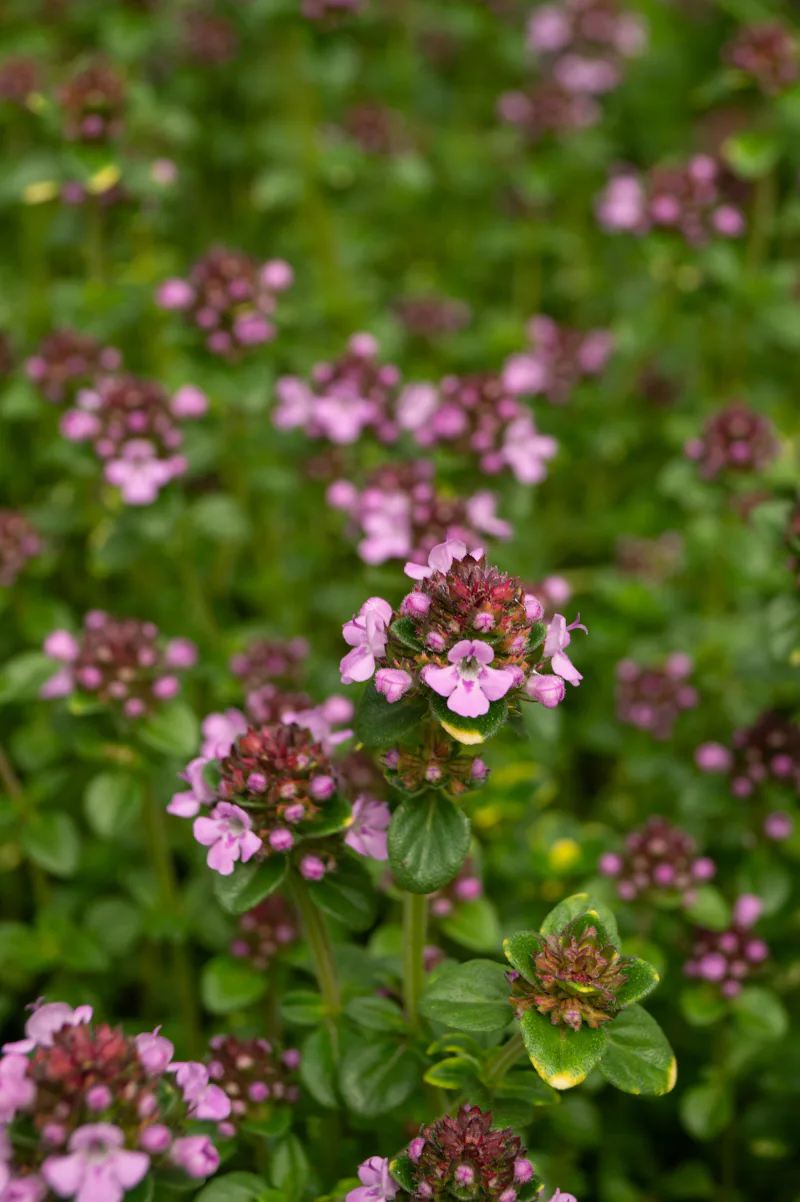
Fragrant foliage; flowers attract bees. Bloom: Summer | Sun: Full sun | Zone: 4-9 | Best for: Groundcover, herb garden, between stones.
4. Common Thyme (Thymus vulgaris)
Culinary herb; shear after flowering. Bloom: Summer | Sun: Full sun | Zone: 5-9 | Best for: Herb garden, edging.
5. Tiger Lily (Lilium lancifolium)
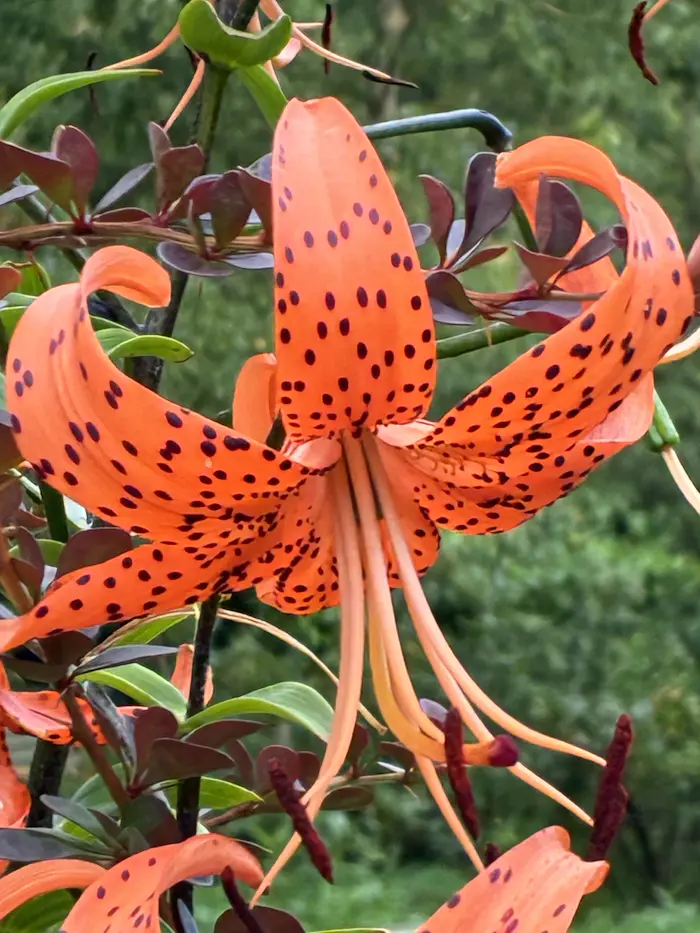
Can carry lily mosaic virus without symptoms — keep away from other lilies if virus is a concern. Bloom: Summer | Sun: Full sun to part shade | Zone: 3-9 | Best for: Border, cut flowers.
6. Spiderwort (Tradescantia virginiana)
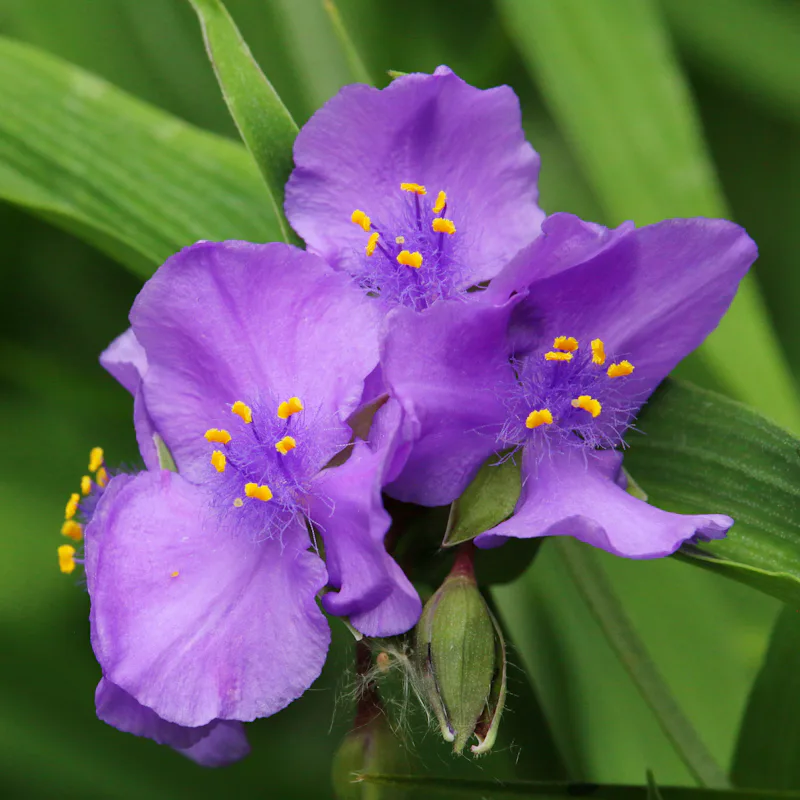
Closes flowers by afternoon; cut back after first flush. Bloom: Summer | Sun: Part shade | Zone: 4-9 | Best for: Shade border, woodland edge.
7. Trailing Rosemary (Salvia rosmarinus ‘Prostratus’, syn. Rosmarinus officinalis ‘Prostratus’)
Needs sharp drainage. Bloom: Spring to summer | Sun: Full sun | Zone: 8-10 | Best for: Groundcover, wall edge, herb garden.
8. Tea Plant (Camellia sinensis)
Source plant of true tea; flowers are white and fragrant. Bloom: Fall | Sun: Part shade | Zone: 7-9 | Best for: Shrub border, tea garden.
9. Tuberose (Polianthes tuberosa)
Lift bulbs before frost in cold zones. Bloom: Summer to fall | Sun: Full sun | Zone: 8-10 | Best for: Fragrant border, cut flowers, containers.
10. Tulip Tree (Liriodendron tulipifera)
Tulip-like green-yellow flowers, often high in the canopy. Bloom: Spring | Sun: Full sun | Zone: 4-9 | Best for: Large shade tree.
11. Turk’s Cap (Malvaviscus arboreus)
Bloom: Summer to fall | Sun: Full sun to part shade | Zone: 7-11 | Best for: Hummingbird garden, shrub border.
12. Twinflower (Linnaea borealis)
Delicate; needs cool, moist, acidic woodland conditions. Bloom: Summer | Sun: Part shade | Zone: 2-7 | Best for: Woodland groundcover.
13. Foamflower (Tiarella cordifolia)
Bloom: Spring | Sun: Part to full shade | Zone: 3-8 | Best for: Woodland groundcover, shade border.
14. Black-Eyed Susan Vine (Thunbergia alata)
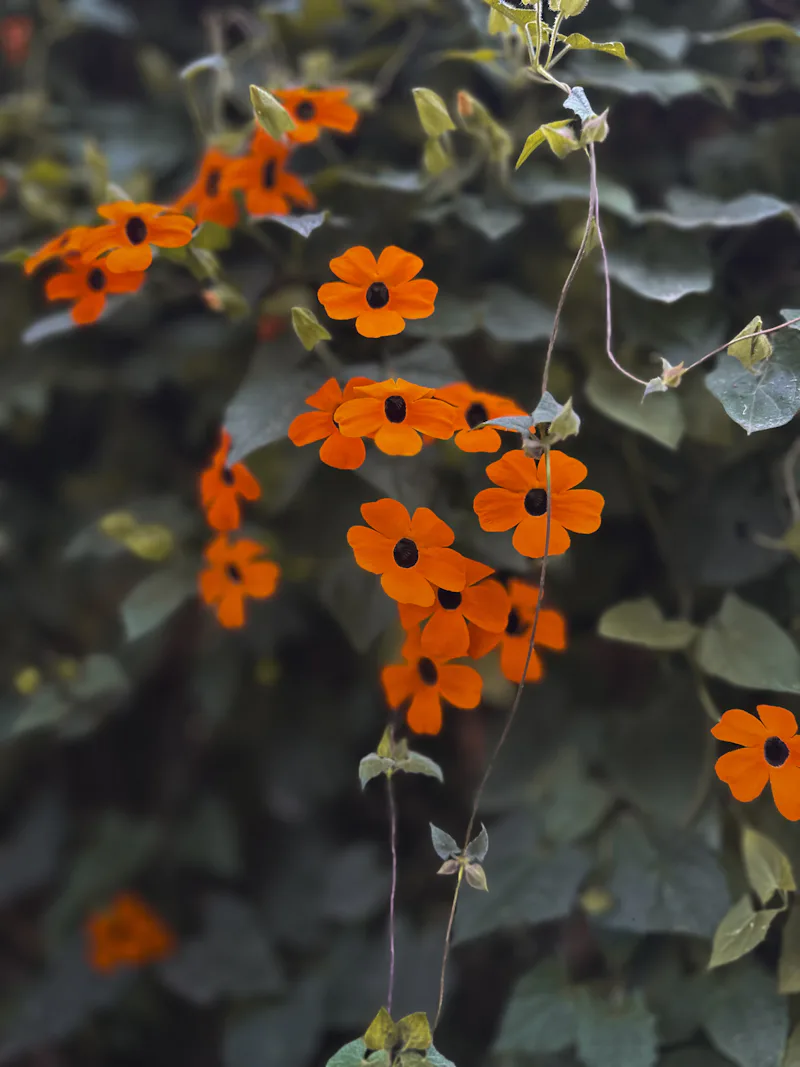
Bloom: Summer to fall | Sun: Full sun | Zone: Annual; perennial 10-11 | Best for: Trellis, containers.
15. Texas Sage (Leucophyllum frutescens)
Do not overwater. Bloom: Summer to fall, after rain | Sun: Full sun | Zone: 8-10 | Best for: Dry shrub border, xeriscape.
16. Texas Mountain Laurel (Dermatophyllum secundiflorum, syn. Sophora secundiflora)
Seeds are toxic if eaten. Bloom: Spring | Sun: Full sun | Zone: 8-10 | Best for: Fragrant shrub/small tree.
17. Flowering Tobacco (Nicotiana alata)
Evening-fragrant; old-fashioned types are more fragrant than many modern bedding types. Bloom: Summer to fall | Sun: Full sun to part shade | Zone: Annual; perennial 10-11 | Best for: Evening garden, containers.
18. Torch Lily / Red Hot Poker (Kniphofia uvaria)
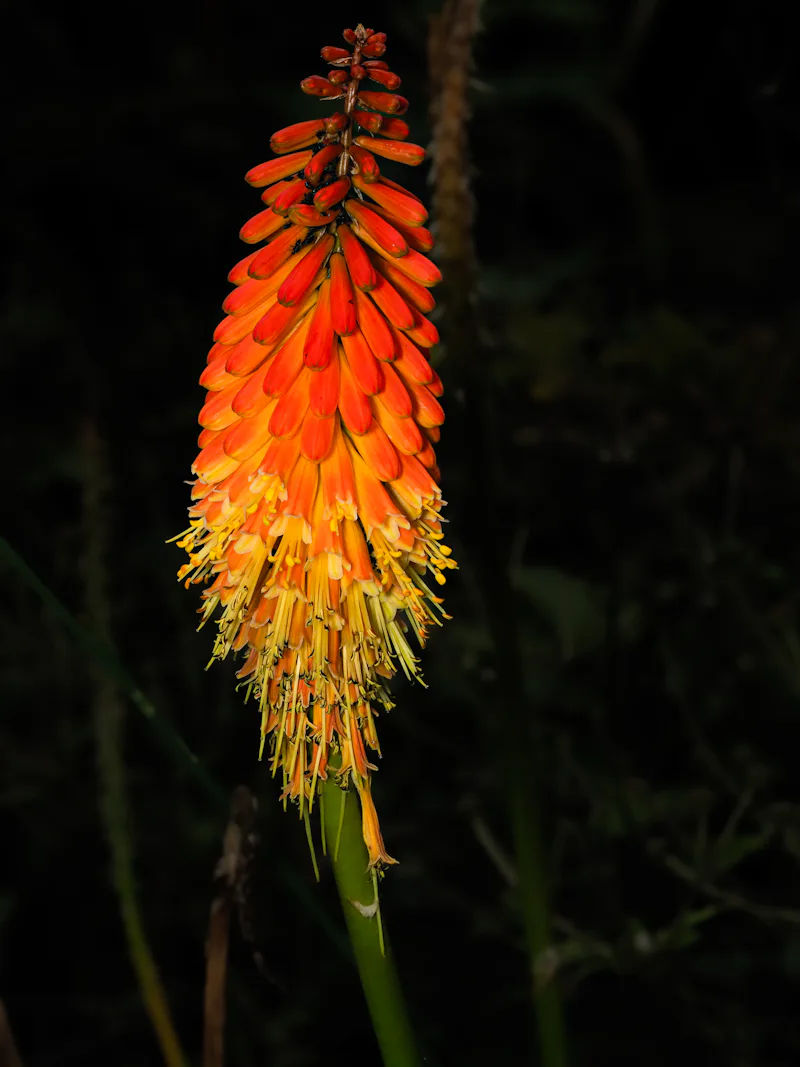
Needs drainage in winter. Bloom: Summer | Sun: Full sun | Zone: 5-9 | Best for: Hot border, pollinator garden.
19. Trailing Lantana (Lantana montevidensis)
Check local invasiveness for lantana in warm regions. Bloom: Summer to fall | Sun: Full sun | Zone: 9-11 | Best for: Groundcover, containers.
20. Common Tansy (Tanacetum vulgare)
Spreads aggressively — contain or avoid near natural areas. Bloom: Summer | Sun: Full sun | Zone: 3-8 | Best for: Herb / cottage border.
21. Tarragon (French) (Artemisia dracunculus)
Grown for leaves; flowers are small and secondary. Bloom: Summer; small flowers | Sun: Full sun | Zone: 4-8 | Best for: Herb garden.
22. Globe Thistle (Echinops ritro)
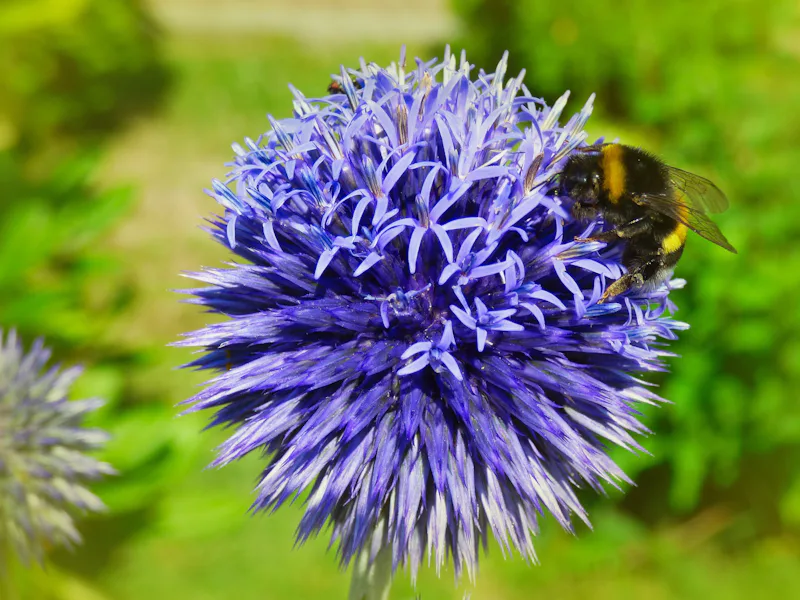
Bloom: Summer | Sun: Full sun | Zone: 3-8 | Best for: Pollinator garden, dry border.
23. Large-Flowered Trillium (Trillium grandiflorum)
Do not pick wild plants; buy nursery-grown stock. Bloom: Spring | Sun: Part to full shade | Zone: 4-8 | Best for: Woodland garden.
24. Trout Lily (Erythronium americanum)
Ephemeral — foliage disappears after spring. Bloom: Spring | Sun: Part shade | Zone: 3-8 | Best for: Woodland garden.
25. Turtlehead (Chelone lyonii)
Bloom: Late summer to fall | Sun: Part shade, moist soil | Zone: 3-8 | Best for: Moist border, rain garden.
26. Tall Phlox (Phlox paniculata)
Give air circulation to reduce mildew. Bloom: Summer | Sun: Full sun to part shade | Zone: 4-8 | Best for: Border, cut flowers.
27. Tidy Tips (Layia platyglossa)
California native annual. Bloom: Spring | Sun: Full sun | Zone: Annual wildflower | Best for: Wildflower meadow, bedding.
28. Tickseed (Coreopsis lanceolata)
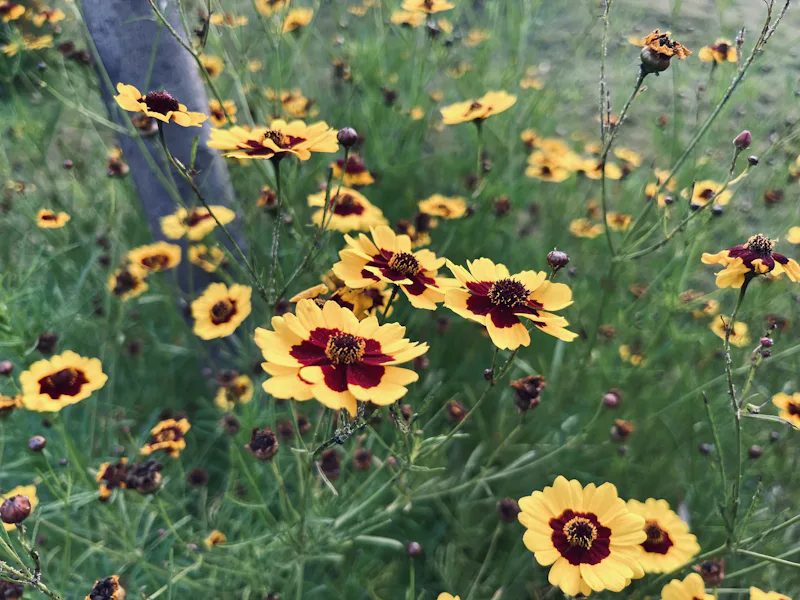
Deadhead for longer bloom. Bloom: Summer | Sun: Full sun | Zone: 4-9 | Best for: Meadow, border, pollinator garden.
29. Trumpet Honeysuckle (Lonicera sempervirens)
Native honeysuckle — not the invasive Japanese honeysuckle. Bloom: Spring to summer | Sun: Full sun to part shade | Zone: 4-9 | Best for: Hummingbird vine, fence.
30. Tree Peony (Paeonia suffruticosa)
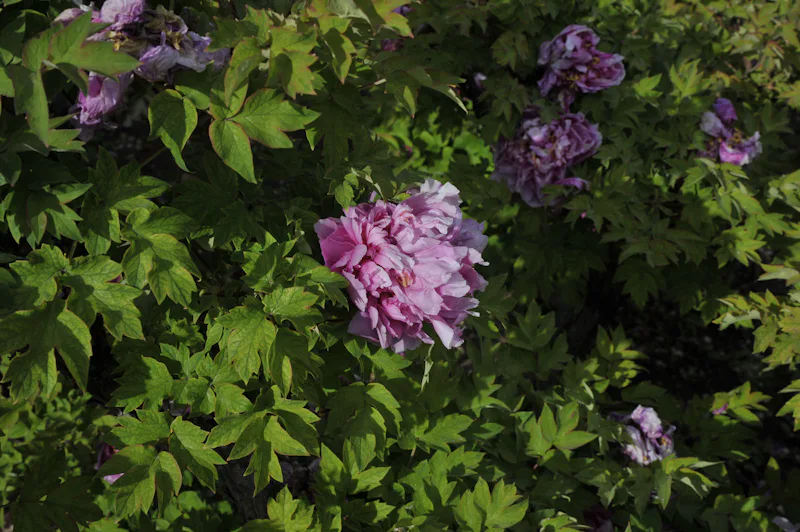
Woody peony; do not cut back like herbaceous peonies. Bloom: Spring | Sun: Full sun to part shade | Zone: 4-8 | Best for: Shrub border.
Growing Tips for T-Plants
Match zone first. A beautiful flower that is not hardy in your zone will need winter protection or must be grown as an annual. Give full-sun plants real sun. Shade is the most common reason a sun-lover blooms poorly. Improve drainage for Mediterranean, rock-garden and dry-border plants; give moist-border plants consistent water instead of treating every plant the same. Deadhead spent blooms on repeat-flowering annuals and perennials to extend the season, unless you want seed for birds or self-sowing. Check local invasiveness before planting vigorous spreaders or vines, especially near wetlands and natural areas.
Which T-Plants Will You Grow?
From hummingbird vines to shade woodlanders, pick three T-plants that fit your light and zone. For sunny shrub ideas, see Best Shrubs for Sun, or return to HomeYorva to browse the full plant A–Z set.
Frequently Asked Questions
How many plants that start with T are on this page?
This draft lists 30 plants that start with T, each with a scientific name, bloom season, sun needs and hardiness zone.
Why is there a Plants That Start With T page now?
HomeYorva previously had plant A–Z pages for every letter except T. This draft fills that single missing letter, so the plant A–Z set is complete.
What is the easiest T plant for beginners?
Creeping thyme, tickseed, spiderwort and trailing rosemary (in warm zones) are forgiving starters, provided they get the sun and drainage listed in the table.
Which T plants attract hummingbirds?
Trumpet vine, trumpet honeysuckle, Turk’s cap and torch lily are strong hummingbird plants. Trumpet honeysuckle is the native, non-invasive honeysuckle choice here.
Which T plants are best for shade?
Foamflower, spiderwort, trillium, trout lily, turtlehead (moist shade) and twinflower (cool woodland shade) are shade plants. Most need soil that does not dry out.
Which T plants are fragrant?
Tea olive, tuberose, Texas mountain laurel and flowering tobacco (evening-fragrant types) are the most fragrant on this list.
Is trumpet vine invasive?
Trumpet vine is vigorous and suckering and is considered invasive in some areas. Give it a strong support, remove suckers, and check local guidance before planting it near natural areas.
Can I grow T plants in containers?
Yes: trailing rosemary, trailing lantana, black-eyed Susan vine, tuberose and thyme all suit containers with drainage. Large trees on this list, such as tulip tree, do not.
What T plants are good for dry gardens?
Texas sage, creeping thyme, globe thistle, tickseed and Texas mountain laurel tolerate dry conditions once established, with sharp drainage.
What is the difference between trumpet vine and trumpet honeysuckle?
They are unrelated vines with trumpet-shaped flowers: trumpet vine is Campsis radicans, orange-red and very vigorous, while trumpet honeysuckle is Lonicera sempervirens, red-yellow, native to eastern North America, and generally better behaved.
Which T plants are herbs?
Common thyme, creeping thyme, trailing rosemary and French tarragon are culinary herbs on this list. Their flowers are secondary to their leaves.
Do trillium and trout lily need special care?
Yes — both are woodland ephemerals that need shade, leafy, moist, well-drained soil, and must not be dug from the wild. Buy nursery-grown stock and leave them undisturbed.
References
- Missouri Botanical Garden, Plant Finder
- Royal Horticultural Society (RHS), Plants database
- USDA PLANTS Database
- Old Farmer’s Almanac, plant growing guides
- Lady Bird Johnson Wildflower Center, Native Plant Database
- Wikipedia, species articles for the scientific names used above (used for name verification, not as the sole source for growing advice)