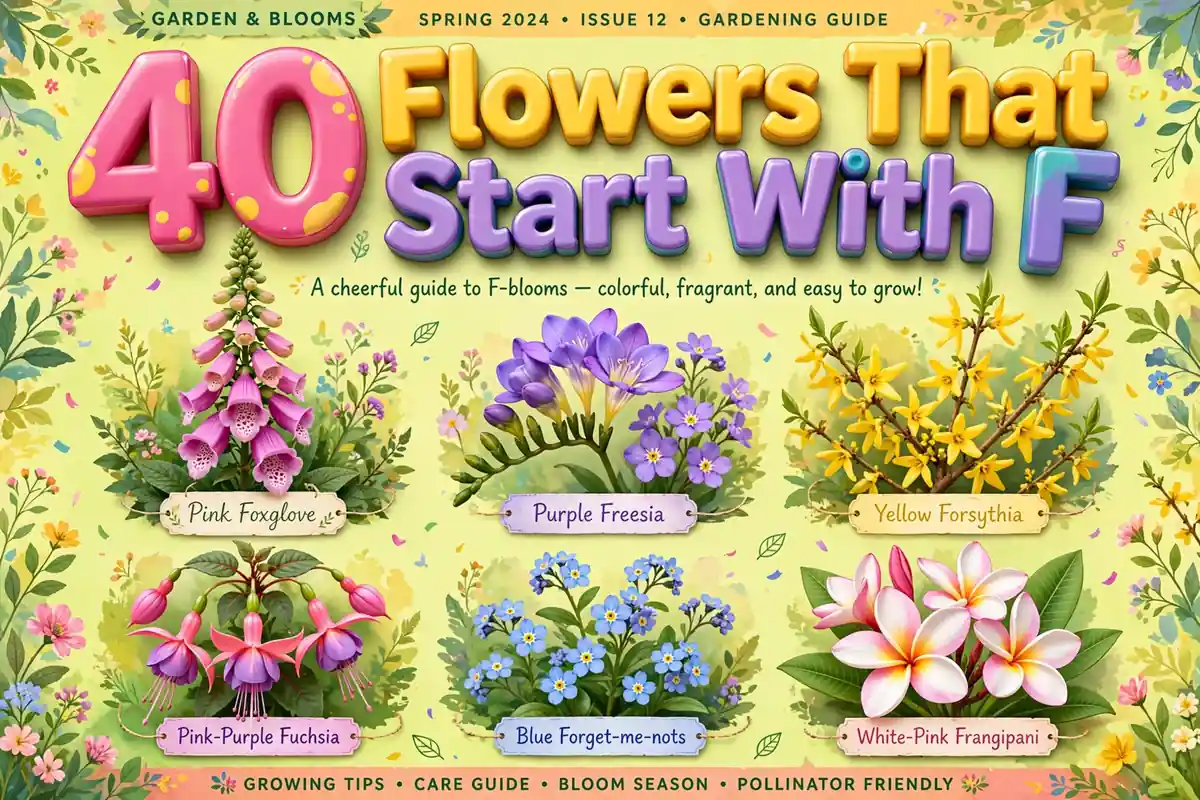
55 Flowers That Start With F: Names, Pictures & Growing Tips
Looking for flower names that start with F? You have come to the right place. The letter F is full of garden favorites, from the sweet perfume of freesias and the towering spires of foxgloves to the first yellow flash of forsythia each spring and the tropical drama of frangipani. Whether you are planning a fragrant cutting garden, a pollinator-friendly border, or a colorful container display, this guide covers 55 flowers starting with F, each with its scientific name, bloom season, sun needs, and USDA hardiness zone.
Every flower that starts with F below includes its scientific name, bloom season, sun needs, and USDA hardiness zone, so you can tell at a glance which F-flowers will thrive in your yard. You will also find a quick comparison table, beginner-friendly growing tips, and answers to the most common questions gardeners ask about flowers beginning with F. Let’s dig in.
Quick Answer
Yes — this page lists 55 flowers that start with F, from freesia and foxglove to forsythia, fuchsia and forget-me-not. Use the at-a-glance table to filter by your USDA zone, sun and bloom season before you buy.
Table of Contents
- F-Flowers at a Glance
- 55 Flowers That Start With F: The Complete List
- F flowers by colour
- Best F flowers by season
- Indoor and container-friendly F flowers
- Beginner-friendly F flowers
- Rare and unusual F flowers
- F flowers with full guides
- Growing Tips for F-Flowers
- Which F-Flowers Will You Grow?
- Frequently Asked Questions
- References
F-Flowers at a Glance
Use this table to compare all 55 flowers that start with F side by side.
| # | Name | Scientific | Bloom | Sun | Zone | Best for |
|---|---|---|---|---|---|---|
| 1 | Freesia | Freesia hybrids | Spring | Full sun | 9-10; annual elsewhere | Cut flowers, fragrance, containers |
| 2 | Foxglove | Digitalis purpurea | Late spring to summer | Part shade | 4-8 | Cottage borders, woodland edges (toxic if eaten) |
| 3 | Forsythia | Forsythia x intermedia | Early spring | Full sun | 5-8 | Spring hedges, foundation shrubs |
| 4 | Fuchsia | Fuchsia hybrids | Summer to fall | Part shade | 9-11; annual elsewhere | Hanging baskets, shade containers |
| 5 | Forget-Me-Not | Myosotis sylvatica | Spring | Part shade | 3-8 | Spring bedding, woodland edges, self-seeding |
| 6 | French Marigold | Tagetes patula | Summer to frost | Full sun | Grown as annual | Bedding, edging, pest-companion planting |
| 7 | Frangipani | Plumeria rubra | Summer to fall | Full sun | 10-12; container elsewhere | Fragrance, tropical patios |
| 8 | Blue Flax | Linum perenne | Late spring to summer | Full sun | 5-8 | Meadows, cottage borders, cut flowers |
| 9 | Feverfew | Tanacetum parthenium | Summer | Full sun | 5-9 | Herb borders, cottage gardens, cut flowers |
| 10 | Fleabane | Erigeron speciosus | Summer | Full sun | 3-8 | Cottage borders, pollinators, cut flowers |
| 11 | False Indigo | Baptisia australis | Late spring to early summer | Full sun | 3-9 | Native borders, meadows, pollinators |
| 12 | Foamflower | Tiarella cordifolia | Spring | Part to full shade | 3-8 | Shade groundcover, woodland gardens |
| 13 | Indian Blanket | Gaillardia pulchella | Summer to fall | Full sun | 3-10 | Hot dry spots, pollinators, beginners |
| 14 | Four O’Clock | Mirabilis jalapa | Summer to frost | Full sun | 9-11; annual elsewhere | Evening fragrance, cottage beds |
| 15 | Crown Imperial | Fritillaria imperialis | Spring | Full sun | 5-8 | Spring bulbs, statement borders |
| 16 | Fothergilla | Fothergilla gardenii | Spring | Full sun to part shade | 5-8 | Fall color, foundation shrubs, fragrance |
| 17 | Flowering Dogwood | Cornus florida | Spring | Part shade | 5-9 | Flowering trees, shade gardens |
| 18 | Flowering Cherry | Prunus serrulata | Spring | Full sun | 5-8 | Spring trees, lawn specimens |
| 19 | Flowering Tobacco | Nicotiana alata | Summer to fall | Full sun to part shade | 9-11; annual elsewhere | Evening fragrance, cottage beds |
| 20 | Fan Flower | Scaevola aemula | Summer to frost | Full sun | 9-11; annual elsewhere | Baskets, trailing containers |
| 21 | Flaming Katy | Kalanchoe blossfeldiana | Winter to spring (indoors) | Bright indirect light | Indoors; outdoors 10-12 only | Houseplant, containers, gifts |
| 22 | False Sunflower | Heliopsis helianthoides | Summer to fall | Full sun | 3-9 | Native borders, cut flowers, pollinators |
| 23 | Fringed Bleeding Heart | Dicentra eximia | Spring to summer | Part shade | 3-9 | Shade borders, woodland gardens |
| 24 | Fireweed | Chamaenerion angustifolium | Summer | Full sun to part shade | 3-8 | Meadows, wild gardens, pollinators |
| 25 | Field Poppy | Papaver rhoeas | Late spring to summer | Full sun | Grown as annual | Meadows, cottage beds, cut flowers |
| 26 | Fortnight Lily | Dietes grandiflora | Spring to fall | Full sun to part shade | 8-11 | Warm borders, poolside planting |
| 27 | Meadowsweet | Filipendula rubra | Summer | Full sun to part shade | 3-9 | Rain gardens, damp borders, fragrance |
| 28 | Fringe Tree | Chionanthus virginicus | Late spring | Full sun to part shade | 3-9 | Flowering trees, native gardens |
| 29 | Florist’s Cineraria | Pericallis x hybrida | Spring | Part shade | 9-11; annual elsewhere | Spring containers, indoor color |
| 30 | Florist’s Gloxinia | Sinningia speciosa | Spring to summer (indoors) | Bright indirect light | Houseplant (10-11 outdoors) | Indoor color, gifts, windowsills |
| 31 | Obedient Plant | Physostegia virginiana | Late summer to fall | Full sun | 3-9 | Late borders, cut flowers, pollinators |
| 32 | Firebush | Hamelia patens | Summer to frost | Full sun | 9-11; annual elsewhere | Hummingbirds, warm borders |
| 33 | Firecracker Penstemon | Penstemon eatonii | Late spring to summer | Full sun | 4-9 | Dry gardens, hummingbirds, xeriscapes |
| 34 | Flame Azalea | Rhododendron calendulaceum | Late spring to summer | Part shade | 5-8 | Woodland shrubs, native gardens |
| 35 | Winter Honeysuckle | Lonicera fragrantissima | Late winter to early spring | Full sun to part shade | 4-8 | Winter fragrance, hedges |
| 36 | Firethorn | Pyracantha coccinea | Spring (berries in fall) | Full sun | 6-9 | Hedges, berries, wildlife |
| 37 | Fragrant Tea Olive | Osmanthus fragrans | Fall | Full sun to part shade | 7-10 | Fragrance, hedges, foundation shrubs |
| 38 | Fairy Foxglove | Erinus alpinus | Spring to summer | Full sun to part shade | 4-8 | Rock gardens, walls, alpine troughs |
| 39 | French Lavender | Lavandula stoechas | Spring to summer | Full sun | 8-10 | Fragrance, Mediterranean borders, pollinators |
| 40 | Floss Silk Tree | Ceiba speciosa | Fall | Full sun | 9-11 | Specimen trees, warm climates |
| 41 | Floss Flower | Ageratum houstonianum | Summer to frost | Full sun to part shade | Grown as annual | Bedding, edging, butterflies |
| 42 | Fairy Lily | Zephyranthes candida | Late summer to fall | Full sun to part shade | 7-10 | Rain gardens, edging, lawns |
| 43 | Fairy Duster | Calliandra eriophylla | Spring to fall | Full sun | 8-11 | Dry gardens, hummingbirds, xeriscapes |
| 44 | Fetterbush | Lyonia lucida | Spring | Part shade | 7-9 | Shade shrubs, native gardens, evergreen |
| 45 | Foxtail Lily | Eremurus robustus | Early summer | Full sun | 5-8 | Tall borders, cut flowers, dry soils |
| 46 | Fawn Lily | Erythronium californicum | Spring | Part shade | 5-9 | Woodland gardens, shade borders |
| 47 | Fig Marigold | Lampranthus spectabilis | Spring to summer | Full sun | 9-11; annual elsewhere | Groundcover, coastal gardens, dry slopes |
| 48 | Flannel Flower | Actinotus helianthi | Spring to summer | Full sun | 9-11; annual elsewhere | Australian natives, cut flowers, dry gardens |
| 49 | False Miterwort | Mitella diphylla | Spring | Part to full shade | 3-8 | Woodland groundcover, shade gardens |
| 50 | Flowering Quince | Chaenomeles speciosa | Early spring | Full sun | 4-8 | Spring shrubs, hedges, cut branches |
| 51 | Frostweed | Verbesina virginica | Fall | Part shade | 7-10 | Shade gardens, butterflies, native beds |
| 52 | Fairy Wand | Chamaelirium luteum | Late spring to summer | Part shade | 4-9 | Woodland gardens, native perennials |
| 53 | Firecracker Flower | Crossandra infundibuliformis | Summer to fall | Part shade | 10-12; annual elsewhere | Tropical containers, indoor color |
| 54 | Fringed Pink | Dianthus superbus | Summer | Full sun | 3-8 | Rock gardens, fragrance, edging |
| 55 | Fairy Primrose | Primula malacoides | Winter to spring | Part shade | 9-11; annual elsewhere | Spring containers, indoor color, bedding |
55 Flowers That Start With F: The Complete List
Here they are — 55 flowers that start with F, each with growing notes so you can pick the right ones for your garden.
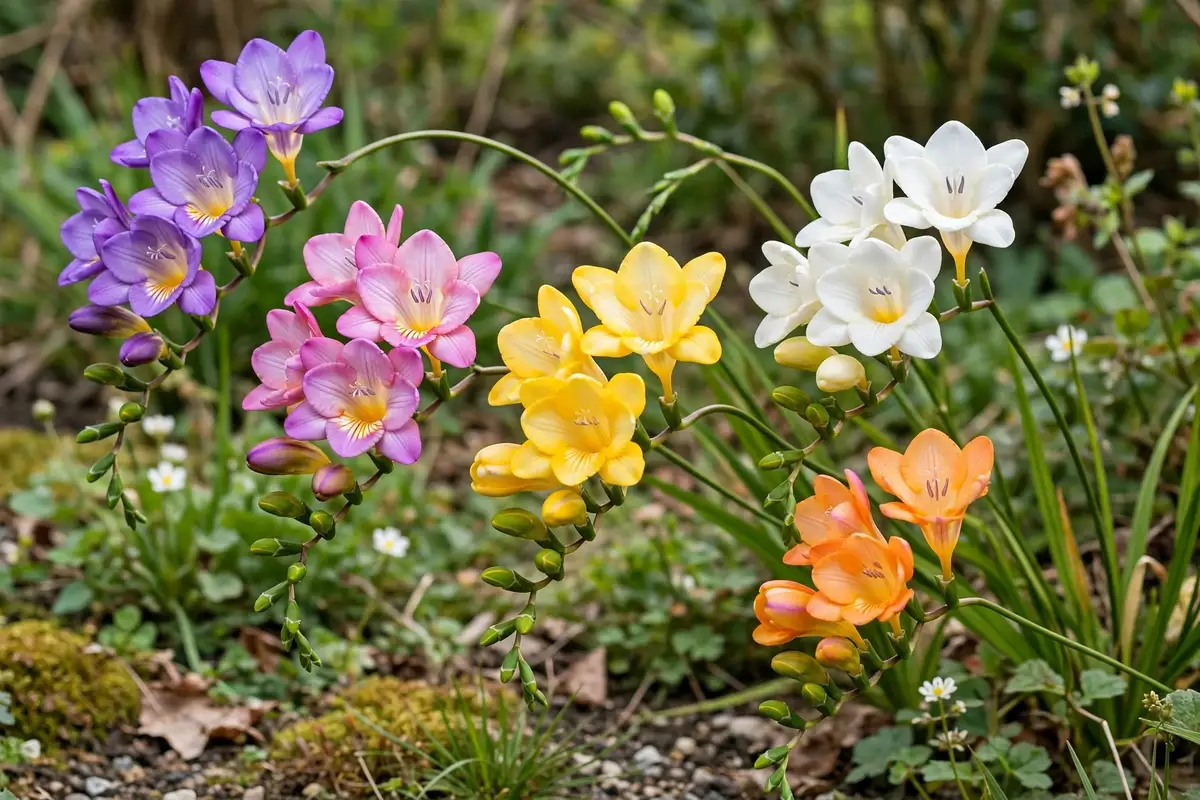
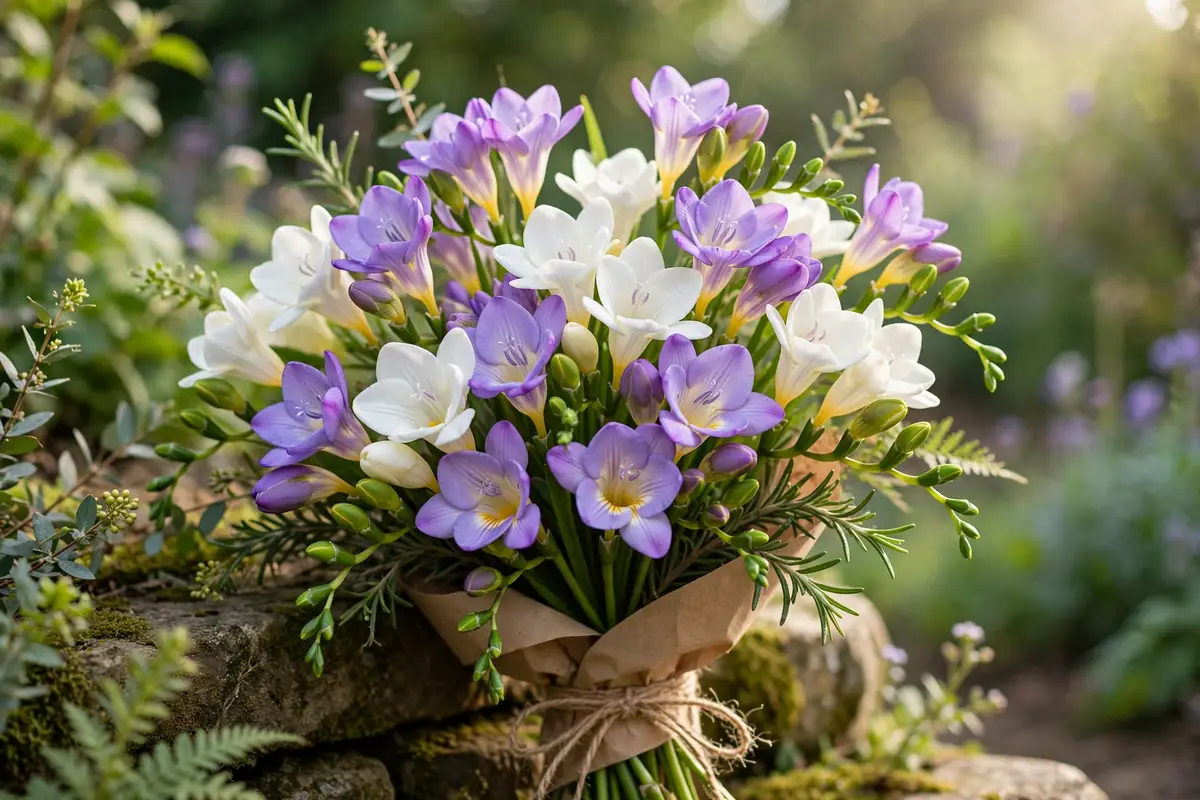
1. Freesia (Freesia hybrids)
Freesias are grown for intensely fragrant, funnel-shaped flowers on wiry arching stems — a florist favourite with a long vase life. Plant the corms in fall in zones 9–10, or in spring pots elsewhere and treat them as annuals. They need full sun, sharp drainage and cool nights to flower well; support the floppy stems with twiggy sticks as they grow.
Bloom: Spring | Sun: Full sun | Zone: 9-10; annual elsewhere | Best for: Cut flowers, fragrance, containers
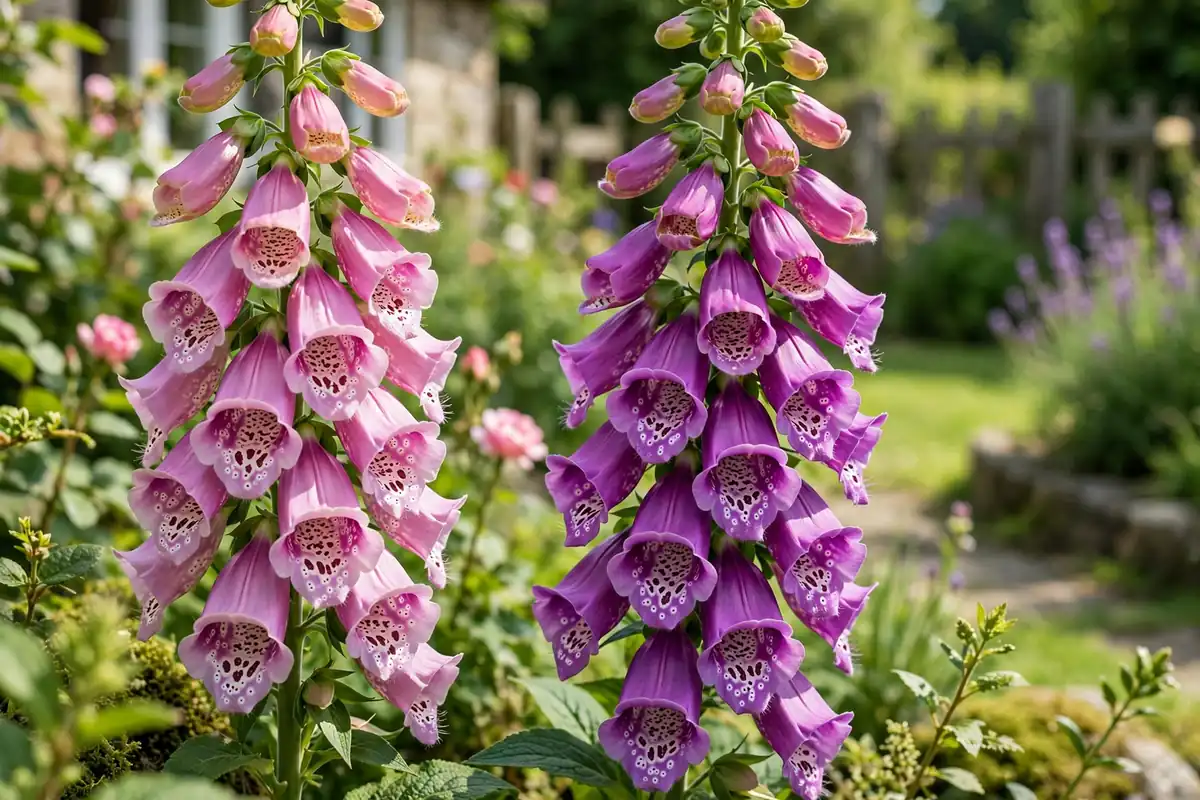
2. Foxglove (Digitalis purpurea)
Foxgloves send up tall spires of tubular, speckled bells that bees love, flowering in late spring and early summer. Most are biennial: sow seed in summer for flowers the following year, then let a few plants self-seed for a continuing colony. They prefer part shade and moist, rich soil. All parts are toxic if eaten, so plant away from small children and pets.
Bloom: Late spring to summer | Sun: Part shade | Zone: 4-8 | Best for: Cottage borders, woodland edges
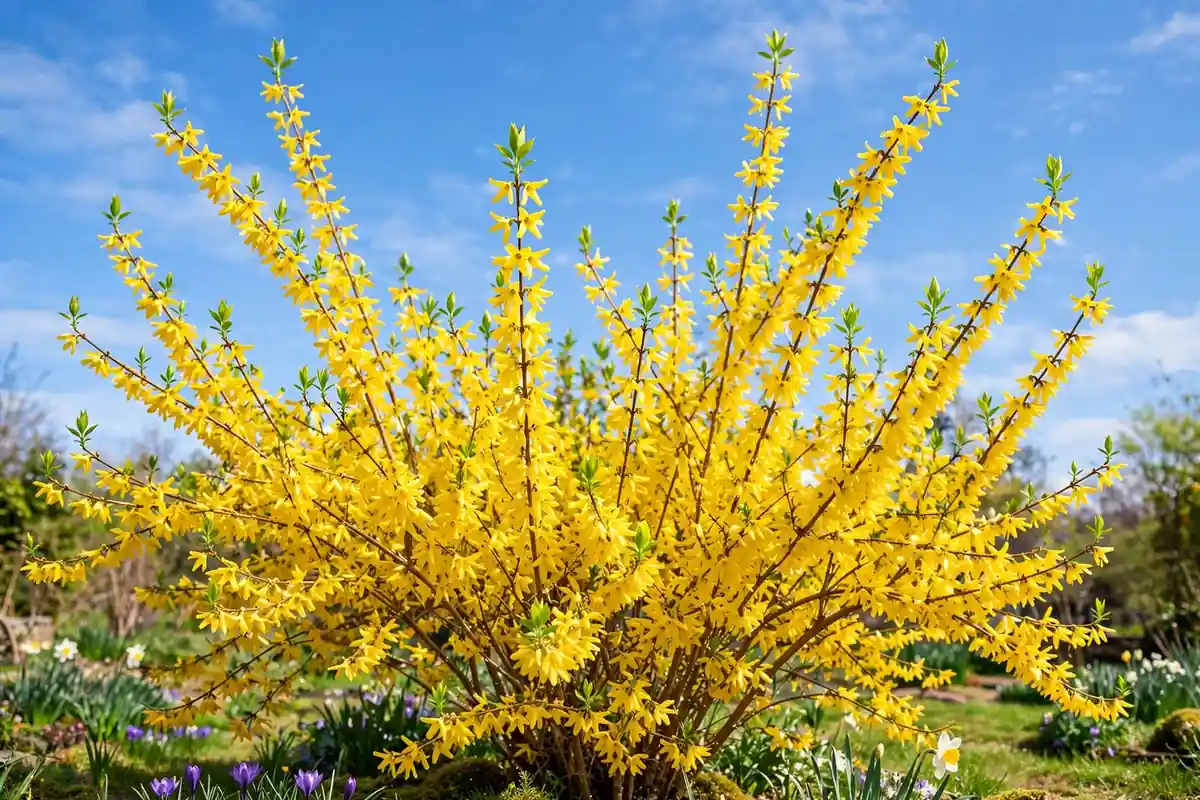
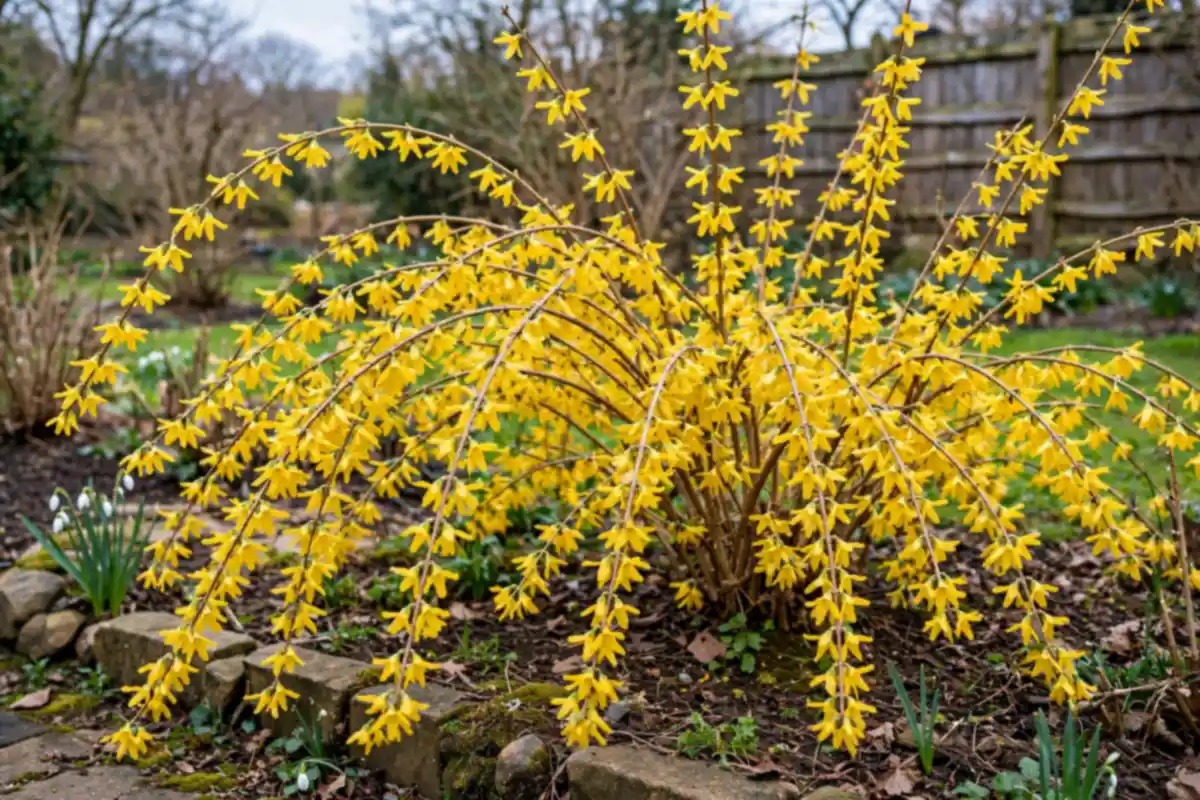
3. Forsythia (Forsythia x intermedia)
Forsythia is the classic first shrub of spring, smothered in golden-yellow bells before the leaves appear. Plant it in full sun for the densest flowering and give it room — mature shrubs reach 8–10 feet wide. Prune immediately after flowering, removing a few of the oldest stems at the base each year; pruning in winter removes the flower buds, which form on old wood.
Bloom: Early spring | Sun: Full sun | Zone: 5-8 | Best for: Spring hedges, foundation shrubs
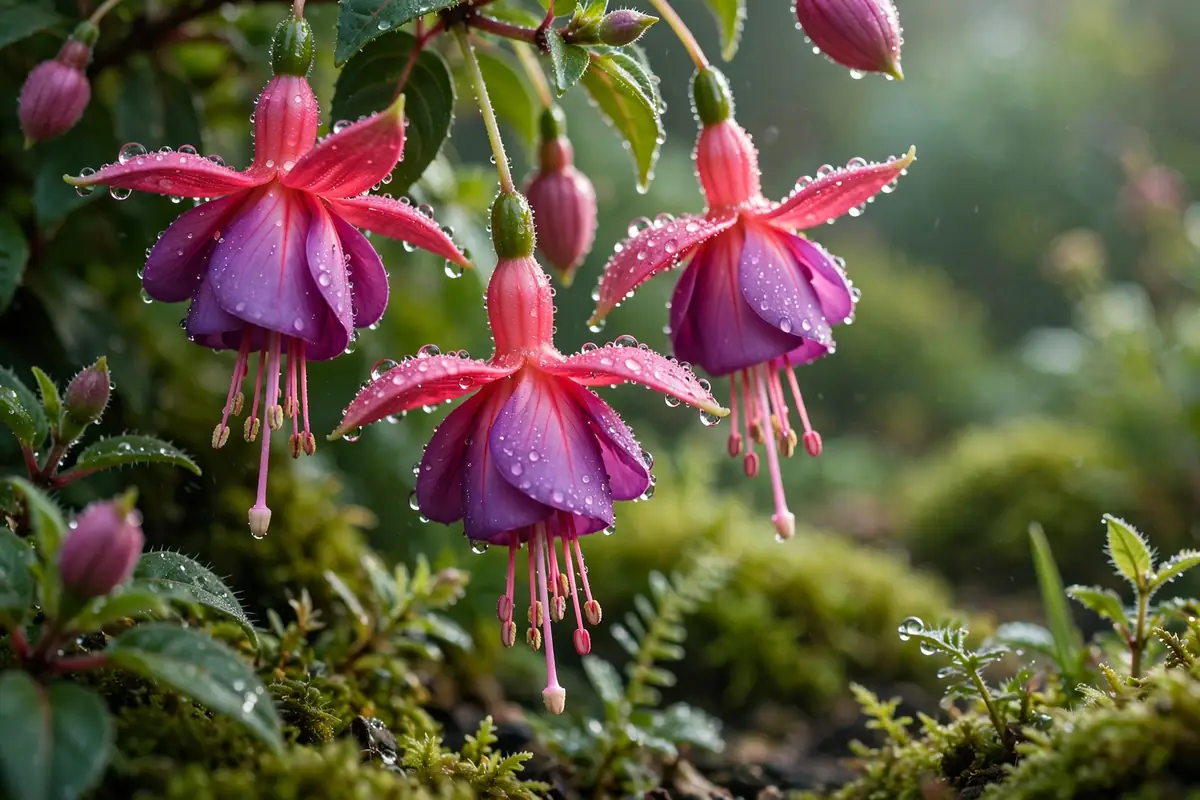
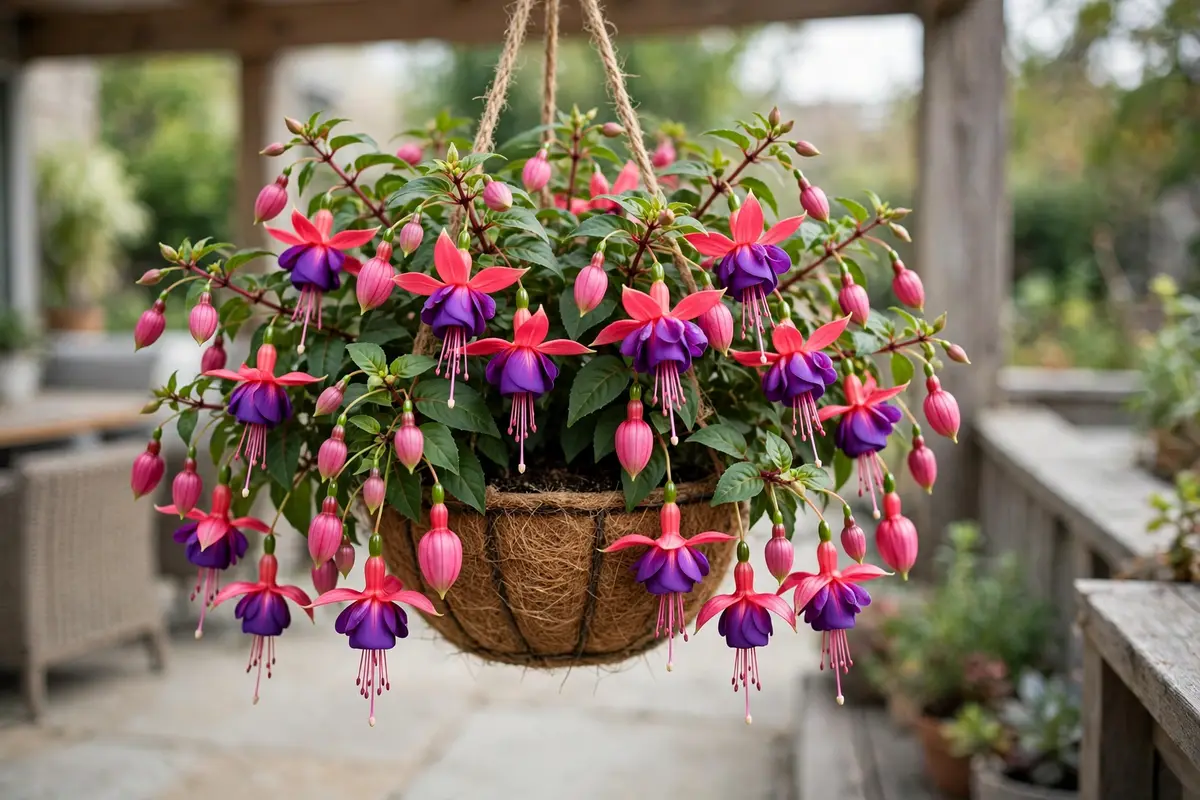
4. Fuchsia (Fuchsia hybrids)
Fuchsias dangle teardrop buds and two-tone bells all summer in cool shade, making them the classic hanging-basket flower. They dislike heat and dry roots: keep the compost evenly moist, feed weekly, and shelter baskets from wind. In zones 9–11 hardy types overwinter outdoors; elsewhere, bring baskets in before frost or treat them as annuals.
Bloom: Summer to fall | Sun: Part shade | Zone: 9-11; annual elsewhere | Best for: Hanging baskets, shade containers
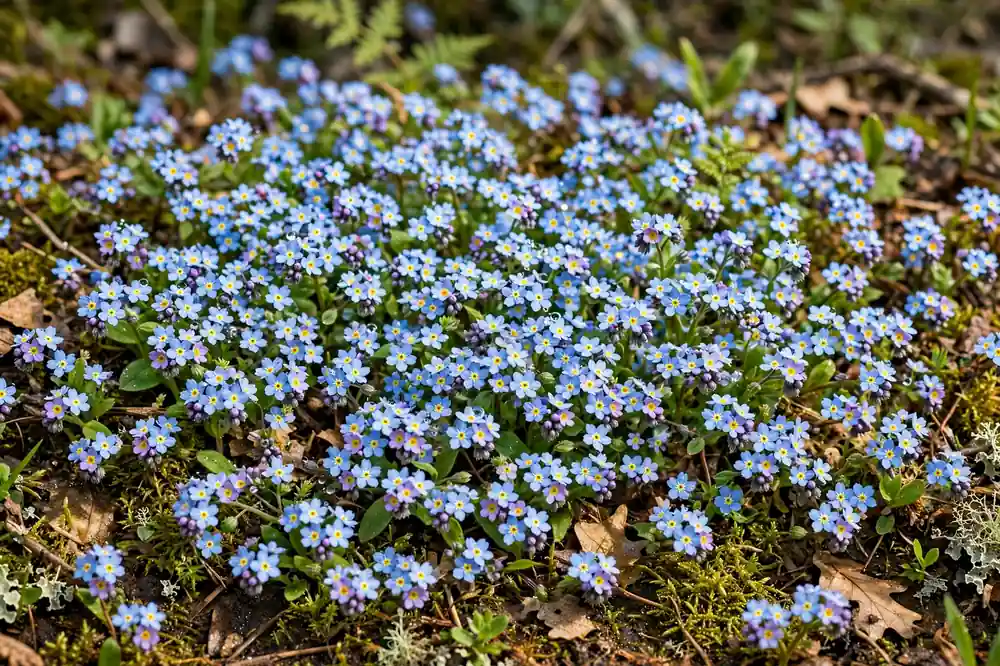
5. Forget-Me-Not (Myosotis sylvatica)
Forget-me-nots carpet spring borders with clouds of tiny sky-blue, pink or white flowers with yellow eyes. Sow seed in summer for the following spring, or let established plants self-seed — they seed freely and pop up in cracks and edges. They are happiest in part shade with moist soil, and they pair beautifully with tulips, flowering just as the bulbs peak.
Bloom: Spring | Sun: Part shade | Zone: 3-8 | Best for: Spring bedding, woodland edges, self-seeding
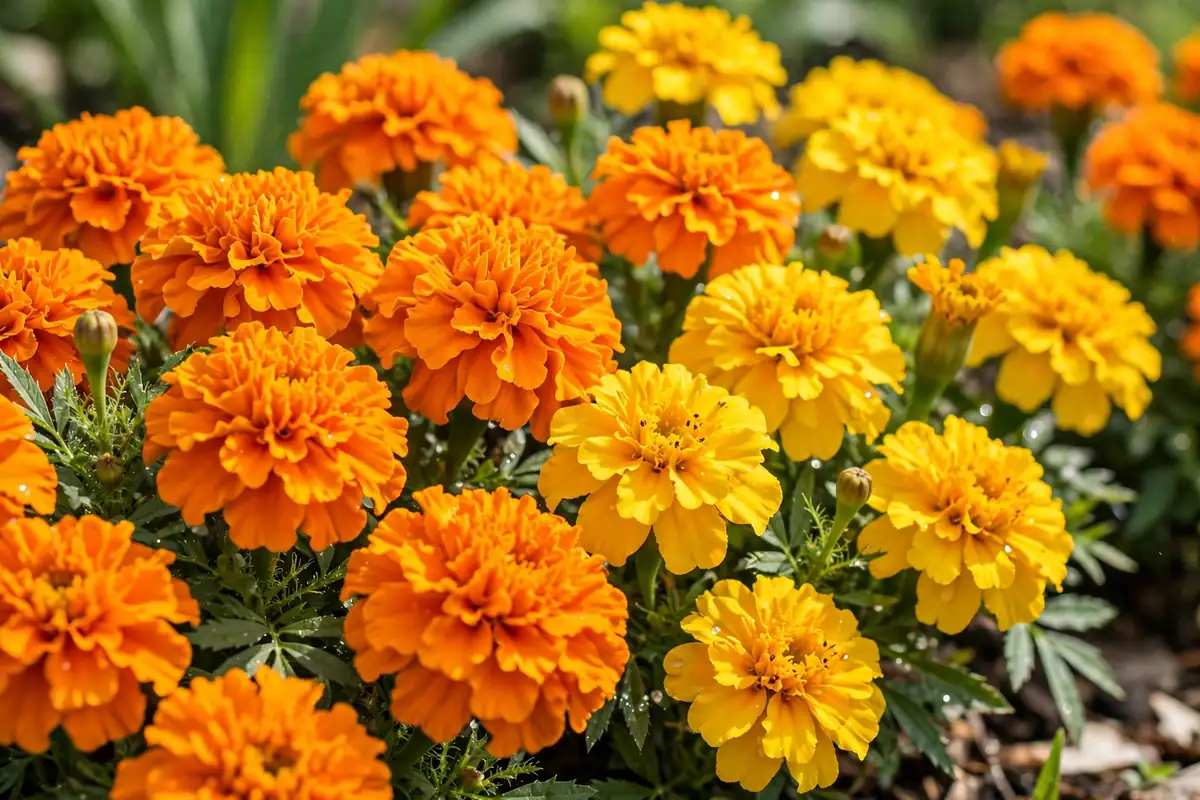
6. French Marigold (Tagetes patula)
French marigolds are compact, non-stop bedding plants whose roots also help suppress nematodes in vegetable beds, making them a classic companion plant. Start seed indoors 6–8 weeks before the last frost or buy transplants; plant out after frost in full sun. Deadhead spent flowers to keep the display going until frost, and water at the base to keep foliage dry.
Bloom: Summer to frost | Sun: Full sun | Zone: Grown as annual | Best for: Bedding, edging, pest-companion planting
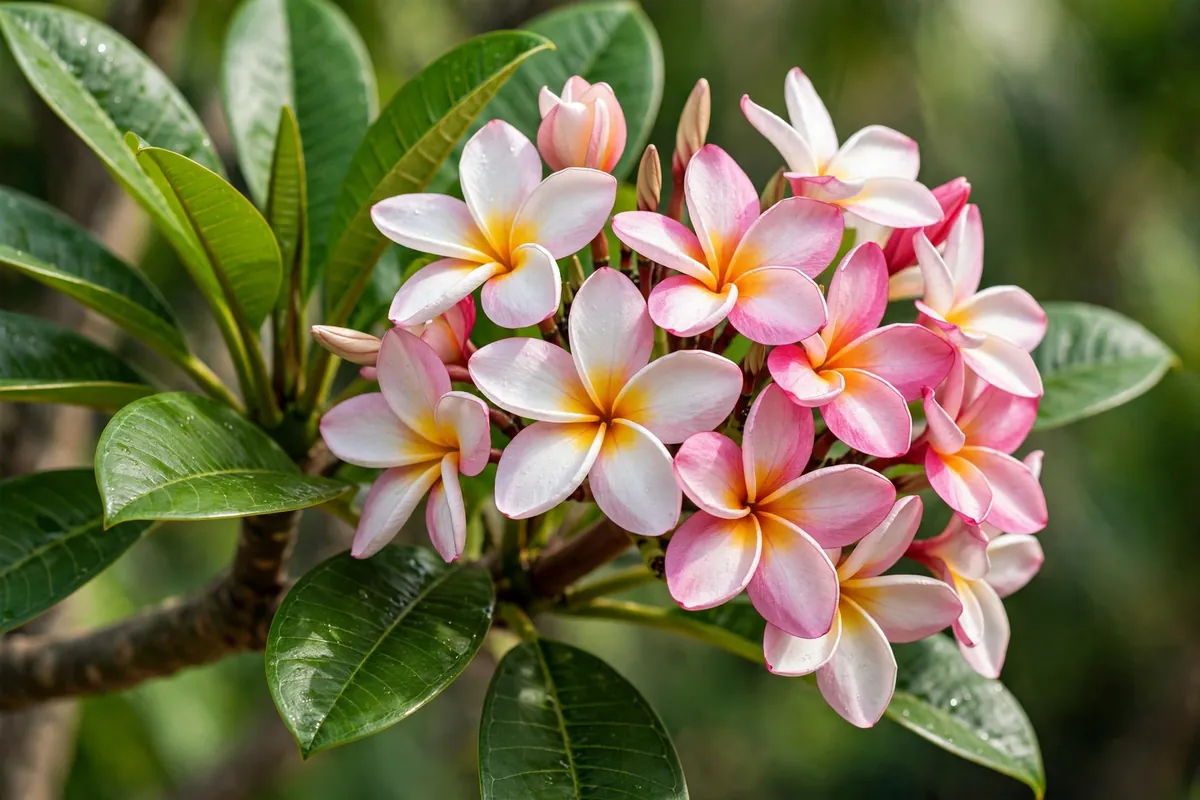
7. Frangipani (Plumeria rubra)
See the full entry for Plumeria (Frangipani) on Flowers That Start With P, rather than duplicating it here.
Bloom: Summer to fall | Sun: Full sun | Zone: 10-12; container elsewhere | Best for: Fragrance, tropical patios
8. Blue Flax (Linum perenne)
Blue flax opens fresh sky-blue saucers every morning through late spring and summer, each flower lasting a single day. It is a short-lived perennial that self-seeds politely to persist. Sow where it is to grow — it resents transplanting — in full sun and poor, well-drained soil. Drought-tolerant once established, it is ideal for meadow-style and cottage plantings.
Bloom: Late spring to summer | Sun: Full sun | Zone: 5-8 | Best for: Meadows, cottage borders, cut flowers
9. Feverfew (Tanacetum parthenium)
Feverfew is a cheerful cottage herb covered in small white daisies with yellow centres all summer. It self-seeds enthusiastically, so deadhead if you want to limit spread, and cut plants back after the first flush for a second show. Grow it in full sun and well-drained soil; the ferny foliage is aromatic, and the flowers dry well for arrangements.
Bloom: Summer | Sun: Full sun | Zone: 5-9 | Best for: Herb borders, cottage gardens, cut flowers
10. Fleabane (Erigeron speciosus)
Fleabane covers itself in lavender-blue daisies with yellow centres in summer, a magnet for bees and butterflies. It is a tough, long-lived perennial for cottage borders: plant in full sun and well-drained soil, and divide clumps every few years to keep them vigorous. Cutting back after the first flush often encourages a second, lighter bloom.
Bloom: Summer | Sun: Full sun | Zone: 3-8 | Best for: Cottage borders, pollinators, cut flowers
11. False Indigo (Baptisia australis)
See the full entry for False Indigo on Flowers That Start With I, rather than duplicating it here.
Bloom: Late spring to early summer | Sun: Full sun | Zone: 3-9 | Best for: Native borders, meadows, pollinators
12. Foamflower (Tiarella cordifolia)
Foamflower is a woodland groundcover that sends up foamy white flower spikes in spring above handsome, often marbled leaves. It spreads by runners to form a weed-smothering carpet in part to full shade and moist, leafy soil. Plant it under trees, along shaded paths or in woodland gardens where little else flowers; it needs almost no care once established.
Bloom: Spring | Sun: Part to full shade | Zone: 3-8 | Best for: Shade groundcover, woodland gardens
13. Indian Blanket (Gaillardia pulchella)
Indian blanket is a heat-loving wildflower in red, orange and yellow that blooms from summer into fall and shrugs off drought and poor soil. Sow seed directly where it is to grow in full sun; it often self-seeds to return each year. A first-rate pollinator plant and one of the easiest flowers on this page for beginners in hot, dry spots.
Bloom: Summer to fall | Sun: Full sun | Zone: 3-10 | Best for: Hot dry spots, pollinators, beginners
14. Four O’Clock (Mirabilis jalapa)
Four o’clocks open their fragrant, trumpet flowers in late afternoon and keep them open all night — a single plant can carry several colours at once. Grow them as annuals from seed or from their tuberous roots, which can be lifted and stored like dahlias in cold zones. They self-seed freely and thrive in full sun with ordinary soil.
Bloom: Summer to frost | Sun: Full sun | Zone: 9-11; annual elsewhere | Best for: Evening fragrance, cottage beds
15. Crown Imperial (Fritillaria imperialis)
Crown imperial is the drama queen of spring bulbs: a 3-foot stem topped with a crown of orange or yellow bells under a tuft of leaves. Plant the large bulbs in fall, on their sides in gritty soil to stop water rotting the hollow crown. The bulbs smell strongly of fox, which is said to deter moles and rodents from bulb beds.
Bloom: Spring | Sun: Full sun | Zone: 5-8 | Best for: Spring bulbs, statement borders
16. Fothergilla (Fothergilla gardenii)
Dwarf fothergilla is a two-season shrub: honey-scented white bottlebrush flowers in spring, then some of the finest orange and red fall colour of any shrub. Plant it in full sun to part shade in moist, acidic, well-drained soil alongside azaleas and rhododendrons. It is slow-growing, compact and needs no pruning beyond removing the odd dead stem.
Bloom: Spring | Sun: Full sun to part shade | Zone: 5-8 | Best for: Fall color, foundation shrubs, fragrance
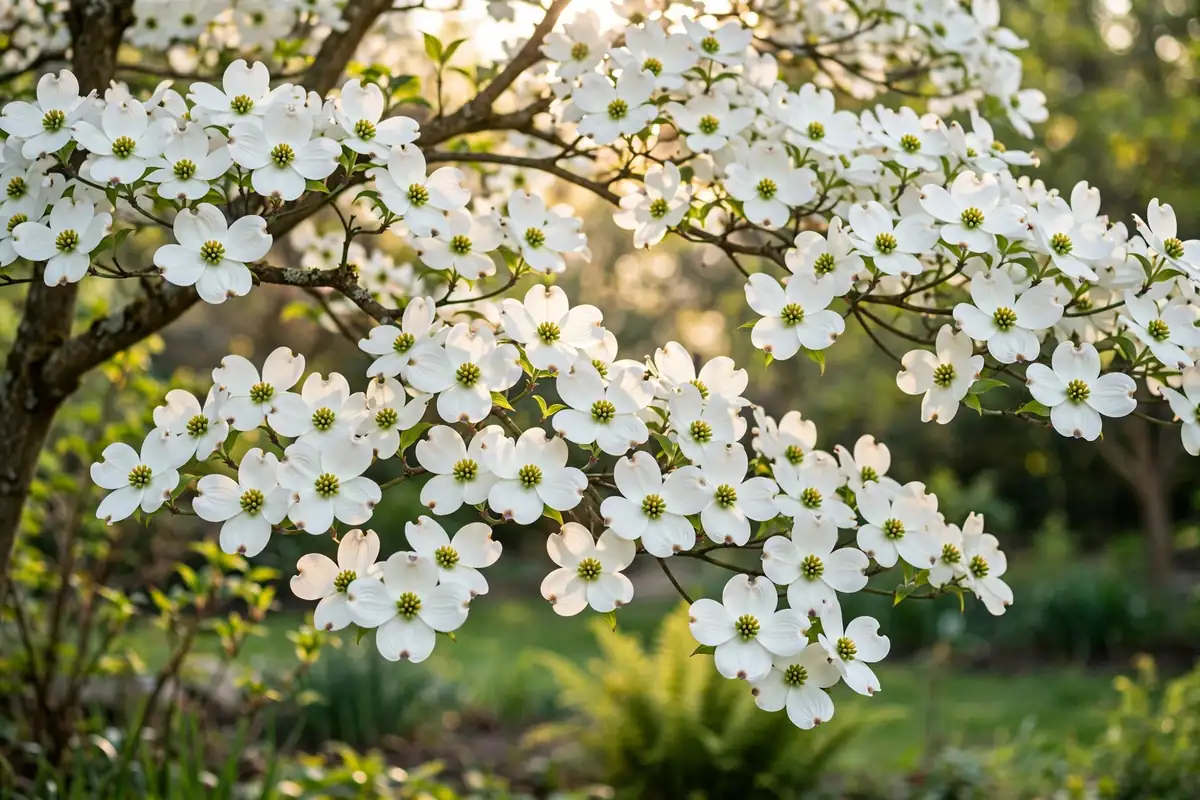
17. Flowering Dogwood (Cornus florida)
Flowering dogwood is a small understory tree with layered branches, white or pink spring bracts, red fall berries and rich burgundy foliage. Plant it in part shade with moist, acidic, well-drained soil and mulch the root zone; it dislikes drought and wet feet in equal measure. It is a high-value wildlife tree — birds feast on the berries through fall.
Bloom: Spring | Sun: Part shade | Zone: 5-9 | Best for: Flowering trees, shade gardens
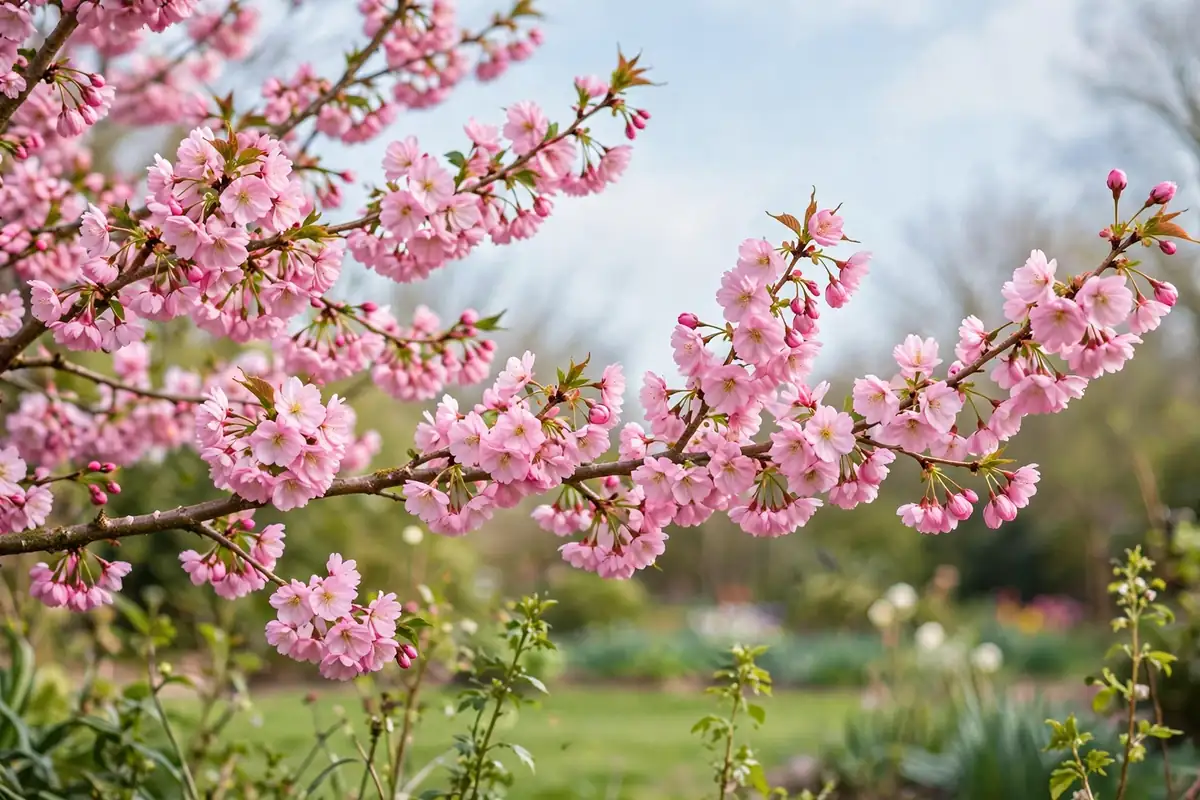
18. Flowering Cherry (Prunus serrulata)
Flowering cherries give the great spring blossom display, in white to deep pink, single or double, often for only a week or two — plant one where you will see it daily. They need full sun and well-drained soil and dislike heavy clay. Keep pruning minimal and do it in summer, which reduces the risk of silver leaf disease entering the cuts.
Bloom: Spring | Sun: Full sun | Zone: 5-8 | Best for: Spring trees, lawn specimens
19. Flowering Tobacco (Nicotiana alata)
Flowering tobacco releases its sweetest scent after dark, drawing night-flying moths to its white or pastel trumpets. The tall species types are the most fragrant; dwarf bedding types trade scent for neatness. Grow as an annual in full sun to part shade, planting near a patio or open window where the evening perfume can be enjoyed.
Bloom: Summer to fall | Sun: Full sun to part shade | Zone: 9-11; annual elsewhere | Best for: Evening fragrance, cottage beds
20. Fan Flower (Scaevola aemula)
Fan flower is a trailing Australian plant whose violet-blue, fan-shaped blooms run non-stop from summer to frost with no deadheading. It is one of the toughest basket and container plants for heat: give it full sun, free drainage and regular water in pots. Tender below zone 9, it is grown as an annual elsewhere and roots easily from cuttings.
Bloom: Summer to frost | Sun: Full sun | Zone: 9-11; annual elsewhere | Best for: Baskets, trailing containers
21. Flaming Katy (Kalanchoe blossfeldiana)
See the full entry for Kalanchoe (Flaming Katy) on Flowers That Start With K, rather than duplicating it here. It is a houseplant, not hardy outdoors in most US zones.
Bloom: Winter to spring (indoors) | Sun: Bright indirect light | Zone: Indoors; outdoors 10-12 only | Best for: Houseplant, containers, gifts
22. False Sunflower (Heliopsis helianthoides)
False sunflower looks like a sunflower but is a well-behaved, long-lived perennial, flowering from summer into fall on 3–5 foot stems. It tolerates clay, heat and drought once established and makes an excellent cut flower. Plant in full sun; divide every few years to refresh clumps, and deadhead if you want to limit its gentle self-seeding.
Bloom: Summer to fall | Sun: Full sun | Zone: 3-9 | Best for: Native borders, cut flowers, pollinators
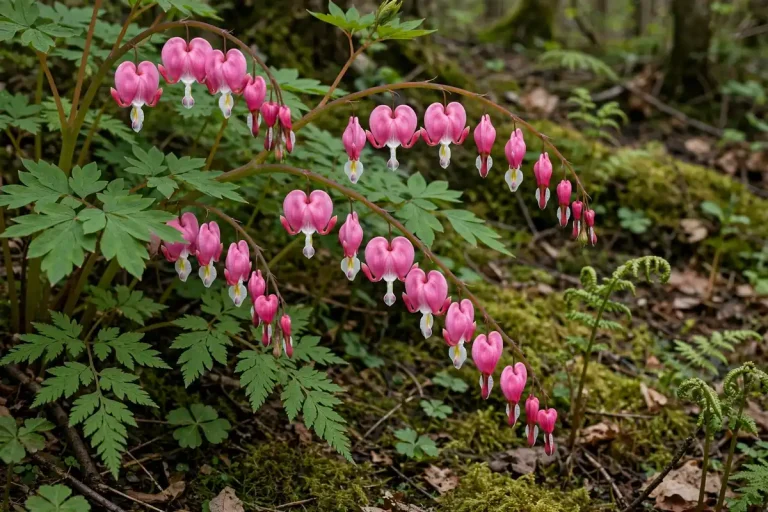
23. Fringed Bleeding Heart (Dicentra eximia)
Unlike the spring-only bleeding heart, the fringed species flowers from spring well into summer — and can repeat in fall — over ferny blue-green foliage that never goes dormant. It is a native woodland plant for part shade and moist, rich soil, ideal under trees and in shaded borders. Let it self-seed gently and it will weave itself through the shade garden.
Bloom: Spring to summer | Sun: Part shade | Zone: 3-9 | Best for: Shade borders, woodland gardens
24. Fireweed (Chamaenerion angustifolium)
Fireweed is the great coloniser of cleared and burned ground, sending up tall spikes of magenta-pink flowers that open from the bottom up all summer. It spreads by rhizomes and wind-blown seed, so give it a wild corner, meadow or large garden where it can roam. Bees and hummingbirds work the flowers heavily, and the fall foliage turns a fine red.
Bloom: Summer | Sun: Full sun to part shade | Zone: 3-8 | Best for: Meadows, wild gardens, pollinators
25. Field Poppy (Papaver rhoeas)
The field poppy — the remembrance poppy — bears silky scarlet cups that last a day each but arrive in succession for weeks. Sow seed directly in fall or early spring where it is to flower; it hates transplanting. It thrives in full sun and poor, disturbed soil, self-seeds generously, and is at its best sown in drifts through a meadow or cottage border.
Bloom: Late spring to summer | Sun: Full sun | Zone: Grown as annual | Best for: Meadows, cottage beds, cut flowers
26. Fortnight Lily (Dietes grandiflora)
Fortnight lily produces white, iris-like flowers with yellow and violet markings in repeated flushes roughly every two weeks through the warm season — hence the name. A tough, evergreen plant for warm borders and poolside planting in zones 8–11, it tolerates drought, poor soil and coastal conditions. Divide crowded clumps in spring to keep the flowering flushes coming.
Bloom: Spring to fall | Sun: Full sun to part shade | Zone: 8-11 | Best for: Warm borders, poolside planting
27. Meadowsweet (Filipendula rubra)
Queen of the prairie is a statuesque moisture-lover, with cotton-candy plumes of pink over bold foliage in summer. Unlike most border plants it thrives in damp and even boggy soil, making it a first choice for rain gardens and pond edges. Plant in full sun to part shade, keep it watered in dry spells, and give its spreading roots room to run.
Bloom: Summer | Sun: Full sun to part shade | Zone: 3-9 | Best for: Rain gardens, damp borders, fragrance
28. Fringe Tree (Chionanthus virginicus)
Fringe tree covers itself in late spring with clouds of fragrant, ribbon-petalled white flowers that seem to float over the foliage. A native small tree or large shrub, it is slow-growing and trouble-free in full sun to part shade and ordinary soil. Male plants flower most heavily; females add blue-black berries in fall that birds relish.
Bloom: Late spring | Sun: Full sun to part shade | Zone: 3-9 | Best for: Flowering trees, native gardens
29. Florist’s Cineraria (Pericallis x hybrida)
Cinerarias are cool-season pot plants sold in full flower in spring, their daisies in electric blues, purples, pinks and bicolours. Keep them in bright, cool conditions and water from the base — they wilt dramatically if dry but recover quickly after a soak. They are usually treated as one-season plants; discard after flowering, as coaxing a second show is rarely worth it.
Bloom: Spring | Sun: Part shade | Zone: 9-11; annual elsewhere | Best for: Spring containers, indoor color
30. Florist’s Gloxinia (Sinningia speciosa)
See the full entry for Gloxinia on Flowers That Start With G, rather than duplicating it here. It is the same species (Sinningia speciosa) and a houseplant, not hardy outdoors in most US zones.
Bloom: Spring to summer (indoors) | Sun: Bright indirect light | Zone: Houseplant (10-11 outdoors) | Best for: Indoor color, gifts, windowsills
31. Obedient Plant (Physostegia virginiana)
Obedient plant earns its name because the individual flowers stay put when you swivel them on the spike. Its late-summer spires of pink or white are valuable when borders run short of bloom — but the plant itself is anything but obedient, spreading vigorously by rhizomes. Plant it where it can spread, in a confined bed, or in poorer, drier soil to slow it down.
Bloom: Late summer to fall | Sun: Full sun | Zone: 3-9 | Best for: Late borders, cut flowers, pollinators
32. Firebush (Hamelia patens)
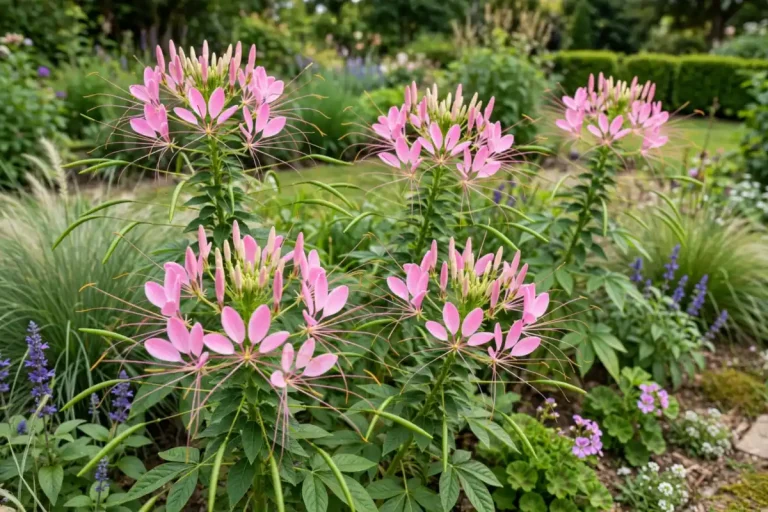
Firebush is a hummingbird magnet: clusters of tubular orange-red flowers from summer to frost, followed by dark berries that birds eat. In zones 9–11 it is a semi-evergreen shrub; elsewhere it is grown as a fast annual that still reaches several feet in a season. Give it full sun and heat — it sulks in cool, wet summers.
Bloom: Summer to frost | Sun: Full sun | Zone: 9-11; annual elsewhere | Best for: Hummingbirds, warm borders
33. Firecracker Penstemon (Penstemon eatonii)
Firecracker penstemon sends up wands of scarlet tubes in late spring, precisely shaped for hummingbirds. A desert native, it demands sharp drainage and lean soil — wet winter soil kills it faster than cold. Plant in full sun in rock gardens, gravel beds and xeriscapes, water sparingly once established, and leave the evergreen basal rosette uncut through winter.
Bloom: Late spring to summer | Sun: Full sun | Zone: 4-9 | Best for: Dry gardens, hummingbirds, xeriscapes
34. Flame Azalea (Rhododendron calendulaceum)
Flame azalea lights up Appalachian woodlands in late spring with clusters of orange, gold and apricot trumpets — among the most spectacular of all native shrubs. Plant it in part shade in moist, acidic, humus-rich soil, and mulch to keep roots cool. It is deciduous and slow to establish, but a mature plant in full flower is unforgettable.
Bloom: Late spring to summer | Sun: Part shade | Zone: 5-8 | Best for: Woodland shrubs, native gardens
35. Winter Honeysuckle (Lonicera fragrantissima)
Winter honeysuckle perfumes the late-winter garden from modest cream flowers that open on bare stems — a few sprigs scent a whole room indoors. A large, bushy shrub rather than a climber, it is tough and easy in sun or part shade and ordinary soil. Prune after flowering if needed, and plant it near a path or door where you will catch the scent.
Bloom: Late winter to early spring | Sun: Full sun to part shade | Zone: 4-8 | Best for: Winter fragrance, hedges
36. Firethorn (Pyracantha coccinea)
Firethorn is grown less for its spring white flowers than for the massed orange-red berries that follow and feed birds through fall and winter. It is a spiny evergreen that trains superbly against walls and fences as security hedging. Plant in full sun and well-drained soil; prune after flowering, and choose scab-resistant varieties in humid regions.
Bloom: Spring (berries in fall) | Sun: Full sun | Zone: 6-9 | Best for: Hedges, berries, wildlife
37. Fragrant Tea Olive (Osmanthus fragrans)
Tea olive’s tiny fall flowers are easy to miss but impossible to ignore — their apricot-like perfume carries across a whole garden on still evenings, with lighter flushes through winter and spring. A slow-growing evergreen shrub for zones 7–10, it makes a fine hedge or foundation plant in sun or part shade and needs almost no pruning.
Bloom: Fall | Sun: Full sun to part shade | Zone: 7-10 | Best for: Fragrance, hedges, foundation shrubs
38. Fairy Foxglove (Erinus alpinus)
Fairy foxglove is a tiny alpine that tucks itself into wall cracks and rock crevices, flowering in pink, purple or white from spring into summer. Sow seed on the surface of gritty compost or scatter it into the cracks where you want it; it self-seeds into stonework for years. It needs sharp drainage and sun to part shade, and resents winter wet.
Bloom: Spring to summer | Sun: Full sun to part shade | Zone: 4-8 | Best for: Rock gardens, walls, alpine troughs
39. French Lavender (Lavandula stoechas)
French lavender is recognised by the butterfly ‘ears’ — showy bracts on top of each flower head — and a long spring-to-summer season. It is less hardy than English lavender (zones 8–10) and is often grown in pots that can shelter from winter wet. Give it full sun, poor gritty soil and a hard trim after flowering; never cut into old bare wood.
Bloom: Spring to summer | Sun: Full sun | Zone: 8-10 | Best for: Fragrance, Mediterranean borders, pollinators
40. Floss Silk Tree (Ceiba speciosa)
Floss silk tree is a tropical statement: a green, thorn-studded trunk topped in fall with huge pink or white hibiscus-like flowers, followed by pods full of silky floss. A fast-growing specimen tree for frost-light climates (zones 9–11), it needs full sun and room — allow for a broad canopy. Young trees need frost protection; established ones are tougher.
Bloom: Fall | Sun: Full sun | Zone: 9-11 | Best for: Specimen trees, warm climates
Entries 41-55 below are the new entries in this expansion, published exactly as drafted.
41. Floss Flower (Ageratum houstonianum)
Floss flower makes neat mounds of powder-puff blue, violet, pink or white blooms from summer to frost — a classic edging plant. Start seed indoors 8–10 weeks before the last frost, as the seed needs light to germinate, and plant out into full sun to part shade. Deadheading is barely needed on modern varieties; water in dry spells to keep the flowers coming.
Bloom: Summer to frost | Sun: Full sun to part shade | Zone: Grown as annual | Best for: Bedding, edging, butterflies
42. Fairy Lily (Zephyranthes candida)
Fairy lily, or white rain lily, pushes up white crocus-like flowers within days of late-summer rain — a delightful surprise in lawns, edging and rain gardens. The narrow evergreen foliage is tidy year-round in zones 7–10. Plant the small bulbs in groups in sun to part shade; they multiply steadily and also grow well in pots, flowering after a dry spell ends.
Bloom: Late summer to fall | Sun: Full sun to part shade | Zone: 7-10 | Best for: Rain gardens, edging, lawns
43. Fairy Duster (Calliandra eriophylla)
Fairy duster is a desert shrublet whose pink powder-puff flowers — really bundles of long stamens — appear from spring to fall and draw hummingbirds. Native to the Sonoran and Chihuahuan deserts, it is extremely drought-tolerant once established and perfect for xeriscapes and dry borders in zones 8–11. Plant in full sun and lean, fast-draining soil; it resents rich soil and overwatering.
Bloom: Spring to fall | Sun: Full sun | Zone: 8-11 | Best for: Dry gardens, hummingbirds, xeriscapes
44. Fetterbush (Lyonia lucida)
Fetterbush is an evergreen native shrub of southeastern wetlands, with arching stems, glossy leaves and dangling white-to-pink urn flowers in spring. It thrives in the moist, acidic soil where azaleas and blueberries succeed, in part shade, and spreads slowly by suckers to form thickets valuable to wildlife. Give it room in a native or rain garden and keep it watered in drought.
Bloom: Spring | Sun: Part shade | Zone: 7-9 | Best for: Shade shrubs, native gardens, evergreen
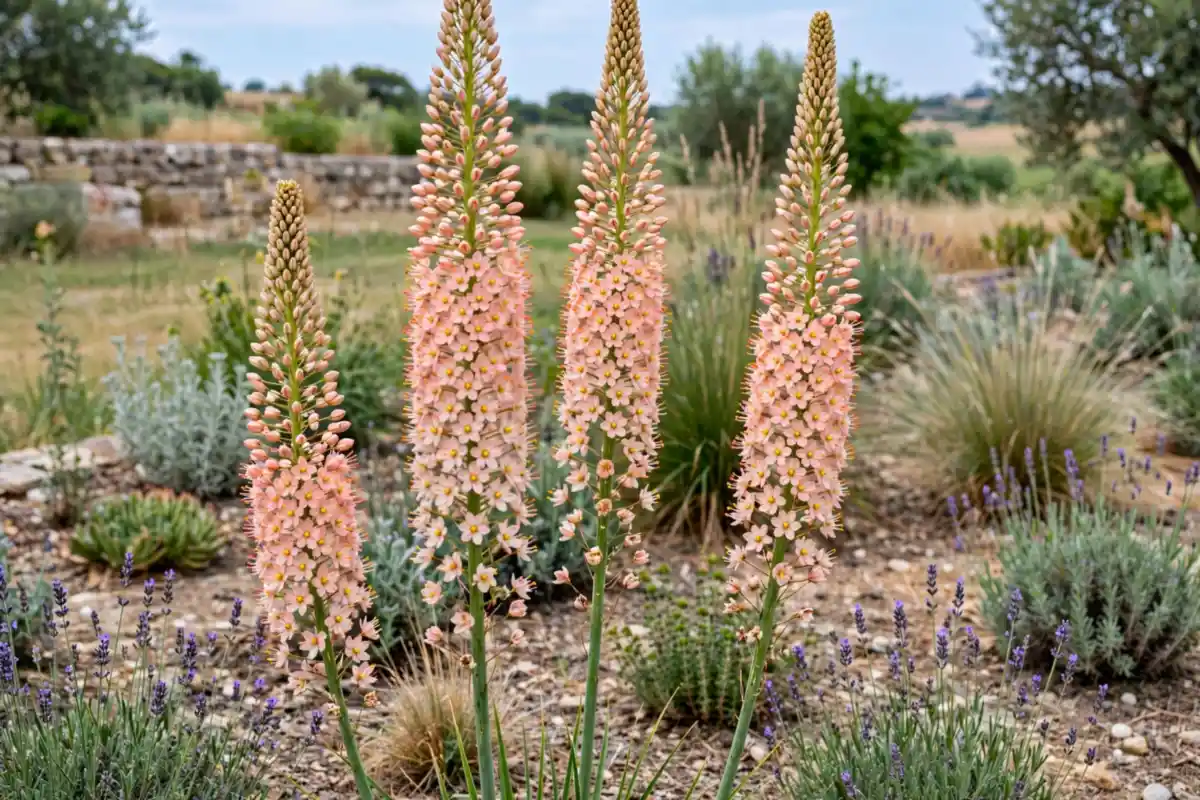
45. Foxtail Lily (Eremurus robustus)
Foxtail lilies produce spectacular 6–8 foot candles of peachy-pink flowers in early summer, rising from starfish-like roots. Plant the brittle roots shallowly in fall, spread over a mound of grit in full sun and sharply drained soil, and mark the spot — the foliage dies back soon after flowering. They hate disturbance and winter wet; a mulch of gravel helps both.
Bloom: Early summer | Sun: Full sun | Zone: 5-8 | Best for: Tall borders, cut flowers, dry soils
46. Fawn Lily (Erythronium californicum)
Fawn lily is a spring woodland bulb from California, with mottled, fawn-like leaves and nodding cream lilies with swept-back petals. Plant the bulbs in fall in part shade and humus-rich, well-drained soil, and leave them undisturbed — colonies build slowly and resent being moved. Summer drought is fine and even helpful, matching their native dry-summer woods.
Bloom: Spring | Sun: Part shade | Zone: 5-9 | Best for: Woodland gardens, shade borders
47. Fig Marigold (Lampranthus spectabilis)
Fig marigold is a South African ice plant that smothers dry banks and coastal slopes in magenta, pink, orange or yellow daisies in spring and summer. It is a first-rate groundcover for hot, dry, sandy ground in zones 9–11, and a trailing annual or pot plant elsewhere. Give it full sun and minimal water; it roots readily from cuttings stuck straight into soil.
Bloom: Spring to summer | Sun: Full sun | Zone: 9-11; annual elsewhere | Best for: Groundcover, coastal gardens, dry slopes
48. Flannel Flower (Actinotus helianthi)
Australia’s flannel flower has soft, felted white bracts around a green centre — like a daisy made of flannel — flowering in spring and summer. It is a short-lived perennial or annual for very free-draining, low-phosphorus soils; standard fertilisers can harm it, so feed sparingly if at all. Grow it in full sun in pots of sandy mix where drainage is doubtful.
Bloom: Spring to summer | Sun: Full sun | Zone: 9-11; annual elsewhere | Best for: Australian natives, cut flowers, dry gardens
49. False Miterwort (Mitella diphylla)
False miterwort is a delicate woodland groundcover whose slender spring wands carry tiny white flowers fringed like snowflakes — worth a hand lens. It spreads gently by rhizomes in part to full shade and moist, leafy soil, pairing well with foamflower and ferns. A quiet native for the shade garden, it asks only for moisture while it establishes.
Bloom: Spring | Sun: Part to full shade | Zone: 3-8 | Best for: Woodland groundcover, shade gardens
50. Flowering Quince (Chaenomeles speciosa)
Flowering quince opens waxy red, pink, white or orange cups on thorny bare stems in early spring — among the earliest shrubs to flower, and superb cut for forcing indoors. It is a tough, suckering shrub for full sun and almost any soil, making good security hedging. Prune after flowering, and expect hard, fragrant quinces in fall on some varieties.
Bloom: Early spring | Sun: Full sun | Zone: 4-8 | Best for: Spring shrubs, hedges, cut branches
51. Frostweed (Verbesina virginica)
Frostweed blooms white in fall when little else does, feeding migrating butterflies — and on the first hard frosts, sap in its stems can freeze into curling ice ribbons at the base, the ‘frost flowers’ that give it its name. A tall native for part shade and average soil in zones 7–10, it self-seeds freely; cut it back in early summer if you want it shorter.
Bloom: Fall | Sun: Part shade | Zone: 7-10 | Best for: Shade gardens, butterflies, native beds
52. Fairy Wand (Chamaelirium luteum)
Fairy wand is a rare native woodland perennial: a wand of tiny white flowers in late spring, male plants holding theirs erect, females arching with seed. It grows in moist, acidic woods in part shade and is slow from seed, so buy plants from reputable nurseries — wild collection has made it scarce. Keep it evenly moist while it establishes.
Bloom: Late spring to summer | Sun: Part shade | Zone: 4-9 | Best for: Woodland gardens, native perennials
53. Firecracker Flower (Crossandra infundibuliformis)
Crossandra produces overlapping salmon-orange fans of flowers over glossy evergreen leaves from summer to fall, and in warm rooms it can bloom nearly year-round. A tropical plant for part shade and steady warmth, it is grown as a houseplant or summer container plant outside zones 10–12. Keep the soil evenly moist, mist in dry indoor air, and pinch tips to keep it bushy.
Bloom: Summer to fall | Sun: Part shade | Zone: 10-12; annual elsewhere | Best for: Tropical containers, indoor color
54. Fringed Pink (Dianthus superbus)
Fringed pink carries deeply cut, feathery petals in pink or white with a rich clove fragrance, flowering in summer over neat grassy mounds. A short-lived perennial that self-seeds to persist, it suits rock gardens, edges and gravel plantings in full sun and sharp drainage. Deadhead to extend the show, and let a few heads ripen if you want seedlings.
Bloom: Summer | Sun: Full sun | Zone: 3-8 | Best for: Rock gardens, fragrance, edging
55. Fairy Primrose (Primula malacoides)
Fairy primrose is a cool-season charmer: tiered rings of pink, lilac or white flowers over soft rosettes from winter into spring. Usually grown as an annual for spring containers, bedding and indoor colour, it wants part shade, cool conditions and evenly moist soil — it wilts in heat. Sow seed in summer for winter flowers under glass, or buy plants in bloom.
Bloom: Winter to spring | Sun: Part shade | Zone: 9-11; annual elsewhere | Best for: Spring containers, indoor color, bedding
F flowers by colour
Planning a colour scheme? Here are the 55 F flowers above, grouped by their main flower colour, using the colours named in the FAQ below. Several appear in more than one group — floss flower and fig marigold come in many colours — so check the numbered entry for the exact cultivar.
| Colour | F flowers to try |
|---|---|
| Yellow and orange | Forsythia, False Sunflower, Firebush, Foxtail Lily, Fawn Lily, Fig Marigold, Flame Azalea (gold and apricot), yellow forms of Field Poppy and Floss Flower |
| Purple and blue | Foxglove, Fuchsia, False Indigo, Fleabane, Fan Flower, Florist’s Cineraria, Fairy Foxglove, Blue Flax |
| Pink and red | Fringed Bleeding Heart, Floss Silk Tree, Flowering Quince, Fairy Primrose, Firecracker Flower, pink forms of Fairy Foxglove and Fringed Pink |
| White | Flowering Dogwood, Flowering Cherry, Foamflower, Fairy Lily, Fetterbush, Fringe Tree, white forms of Frangipani, Forget-Me-Not and Fairy Primrose |
Best F flowers by season
F opens the garden year — forsythia and flowering quince are among the first shrubs to bloom — and perfumes its close. These are the strongest picks from the list for each season, taken from the bloom column of the at-a-glance table.
Spring: Forsythia, Flowering Quince, Forget-Me-Not, Freesia, Foamflower, Crown Imperial, Fothergilla, Flowering Dogwood, Flowering Cherry, Fawn Lily, Fetterbush and False Miterwort, with Winter Honeysuckle starting in late winter and Foxglove, Blue Flax, Fringe Tree and Fairy Foxglove bridging into summer. Summer: Fuchsia, French Marigold, Frangipani, Feverfew, Fleabane, Fireweed, Meadowsweet, Foxtail Lily and Fringed Pink, with Obedient Plant carrying late summer. Fall: Fragrant Tea Olive and Floss Silk Tree peak, Frostweed blooms for migrating butterflies, and Fairy Lily answers late-summer rain. Winter: outdoors, Winter Honeysuckle scents the cold months; indoors, Flaming Katy and Fairy Primrose flower from winter into spring.
Indoor and container-friendly F flowers
No garden required: F is full of container plants. The table’s own picks include Freesia for containers, Fuchsia for hanging baskets and shade containers, Fan Flower for baskets and trailing containers, Florist’s Cineraria and Fairy Primrose for spring containers and indoor colour, Firecracker Flower for tropical containers, and Frangipani grown in containers everywhere outside zones 10–12. Two are true houseplants: Flaming Katy, flowering in bright indirect light from winter to spring, and Florist’s Gloxinia, the windowsill classic.
Beginner-friendly F flowers
New to gardening? Start with the page’s own easiest picks, named in the FAQ: French Marigold, Indian Blanket, Floss Flower, Fleabane, Feverfew and False Sunflower — nearly foolproof plants that transplant easily, bloom for months and forgive missed waterings. For perennials, the FAQ recommends False Indigo, Foamflower and Obedient Plant — though obedient plant spreads vigorously, so give it a spot where it can roam. For shade, the FAQ’s list is Foxglove, Forget-Me-Not, Foamflower, Fringed Bleeding Heart, Fuchsia and Flame Azalea.
Rare and unusual F flowers
Beyond the classics, F hides some genuine oddities. Crown Imperial tops 3-foot stems with a crown of bells — and bulbs that smell of fox, said to deter moles. Floss Silk Tree studs its green trunk with thorns and opens huge pink flowers in fall. Foxtail Lily raises 6–8 foot candles from starfish-like roots, Frostweed can extrude curling ice ribbons from its stems on the first hard frosts, and Fairy Wand is a scarce native wildflower that should only ever come from a nursery, never the wild. One safety note from the table: Foxglove is beautiful but toxic if eaten.
F flowers with full guides on HomeYorva
Some flowers in this list have their own complete growing and care guides elsewhere on HomeYorva. If one of these is your flower, start there:
- Forget-Me-Not Flower guide — forget-me-nots, the self-seeding spring classic (entry 5)
- Fragrant Flowers guide — freesia, frangipani, fragrant tea olive, winter honeysuckle and French lavender are the fragrant F picks named in the FAQ
- Red Flowers · Blue Flowers · White Flowers · Purple Perennial Flowers — colour guides for planning an F border by colour
Browse the rest of the letter: Flowers That Start With C · Flowers That Start With P · Flowers That Start With D · Flowers That Start With M · Flowers That Start With K · Flowers That Start With L · Flowers That Start With I · Flowers That Start With A · Flowers That Start With E · Flowers That Start With S · Flowers That Start With J · Flowers That Start With R · Flowers That Start With H · Flowers That Start With G · Flowers That Start With N · Flowers That Start With T · Flowers That Start With B · or see all 26 letters in the Flower Names A–Z hub. There is also a companion Plants That Start With F page.
Growing Tips for F-Flowers
Match the plant to your zone first, then to your sun — tender F-flowers (frangipani, flaming Katy, florist’s gloxinia, firebush, floss silk tree) need pots indoors in cold winters, while foxglove, false indigo, foamflower, fireweed and fringe tree handle zone 3.
Give shrubs and trees room from day one: forsythia, flowering dogwood, flowering cherry, fringe tree and floss silk tree all outgrow a tight corner fast; deadhead French marigold, floss flower and fan flower for more blooms.
Drainage beats fertilizer for bulbs and corms: freesia, crown imperial, foxtail lily and fairy lily rot in soggy soil — mix grit into heavy clay and set bulbs at pot depth.
Explore More Flowers
Plants That Start With T was not linked, because that page was not verified as live at publish time; no link to a 404 was added.
Which F-Flowers Will You Grow?
From the golden herald of forsythia to the fall fireworks of floss silk tree, flowers that start with F cover every season, every sun level, and every garden style — pick by zone first, then by sun and bloom season, and let the table above do the shortlisting.
Frequently Asked Questions
What flowers start with F?
Dozens of garden favorites start with F, including freesia, foxglove, forsythia, fuchsia, forget-me-not, French marigold, frangipani, blue flax, feverfew, fleabane, false indigo and foamflower. This guide covers 55 entries in total, each with its scientific name, bloom season, sun needs and hardiness zone.
What are some common flower names that start with F for a garden?
For an easy-care garden, start with French marigold, Indian blanket, false sunflower, fleabane, feverfew and floss flower. They are widely available, adapt to many US climates and bloom reliably. Add forsythia or flowering quince for spring shrub impact, and freesia for fragrance and cutting.
What yellow flowers start with F?
Yellow F-flowers include forsythia, false sunflower, field poppy’s yellow forms, firebush, foxtail lily, fawn lily and fairy wand’s pale forms. The new entries add floss flower’s yellow forms and fig marigold’s bright yellows to that palette.
What purple flowers start with F?
Top purple choices are foxglove, fuchsia, false indigo, fleabane, fan flower, florist’s cineraria and fairy foxglove. Fringed bleeding heart adds pink-purple to shade gardens, while fairy lily brings white to late summer.
What white flowers start with F?
White F-flowers include flowering dogwood, flowering cherry, foamflower, fringed bleeding heart’s white forms, fairy lily, fetterbush and fairy primrose’s white forms. Frangipani adds white fragrance to tropical patios, and forget-me-not’s white forms suit spring bedding.
Which perennial flowers start with F?
Reliable perennials include foxglove, false indigo, foamflower, fleabane, false sunflower, fringed bleeding heart, fireweed, meadowsweet, obedient plant, firecracker penstemon and flame azalea. Most return bigger each year with minimal care.
What flowers that start with F bloom in spring?
Spring bloomers include forsythia, forget-me-not, blue flax, foamflower, crown imperial, fothergilla, flowering dogwood, flowering cherry, fringe tree, fairy foxglove, flowering quince and fawn lily. Plant a mix for continuous spring color.
Which flowers starting with F are best for beginners?
French marigold, Indian blanket, floss flower, fleabane, feverfew and false sunflower are nearly foolproof — they transplant easily, bloom for months and forgive missed waterings. For perennials, try false indigo, foamflower or obedient plant. Give them sun and good drainage for fast rewards.
What flowers that begin with F grow well in shade?
Shade-tolerant F-flowers include foxglove, forget-me-not, foamflower, fringed bleeding heart, fuchsia, flame azalea, fetterbush and false miterwort. Flowering dogwood and winter honeysuckle handle part shade, florist’s gloxinia thrives indoors in bright indirect light, and fawn lily suits woodland shade.
Are there fragrant flowers that start with F?
Yes! Freesia is famously fragrant, frangipani smells of tropical flowers, fragrant tea olive perfumes fall evenings, winter honeysuckle scents late winter, and French lavender carries a classic herbal fragrance. Four o’clock and flowering tobacco add evening fragrance to summer beds.
What flowers that start with F make good cut flowers?
Freesia is the classic cutting-garden F-flower with a long vase life. Also excellent: foxglove, blue flax, feverfew, fleabane, false sunflower, field poppy, foxtail lily and fringed pink. Cut stems early in the morning and condition them in cool water.
Which F-flowers attract butterflies and bees?
Indian blanket, false sunflower, fleabane, fireweed, obedient plant, firebush, firecracker penstemon, floss flower and frostweed are pollinator magnets. Planting several together creates a buffet supporting butterflies and bees from spring through fall.
References
- Missouri Botanical Garden — Plant Finder
- The Old Farmer’s Almanac — Gardening Guides
- Royal Horticultural Society — Plant Database
- Lady Bird Johnson Wildflower Center — Native Plants
- USDA PLANTS Database
- National Gardening Association — Garden.org
- Wikipedia — Freesia
- Wikipedia — Foxglove (Digitalis purpurea)
Per-entry Quora and Reddit links were not added as filler: no verified on-topic Quora or Reddit thread was used for this page.
Images on this page reuse already-uploaded HomeYorva images for this post. New per-entry WebP images for the 55 entries were not uploaded in this task; see the task report for that limitation.