55 Flowers That Start With Z: Names, Pictures & Growing Tips
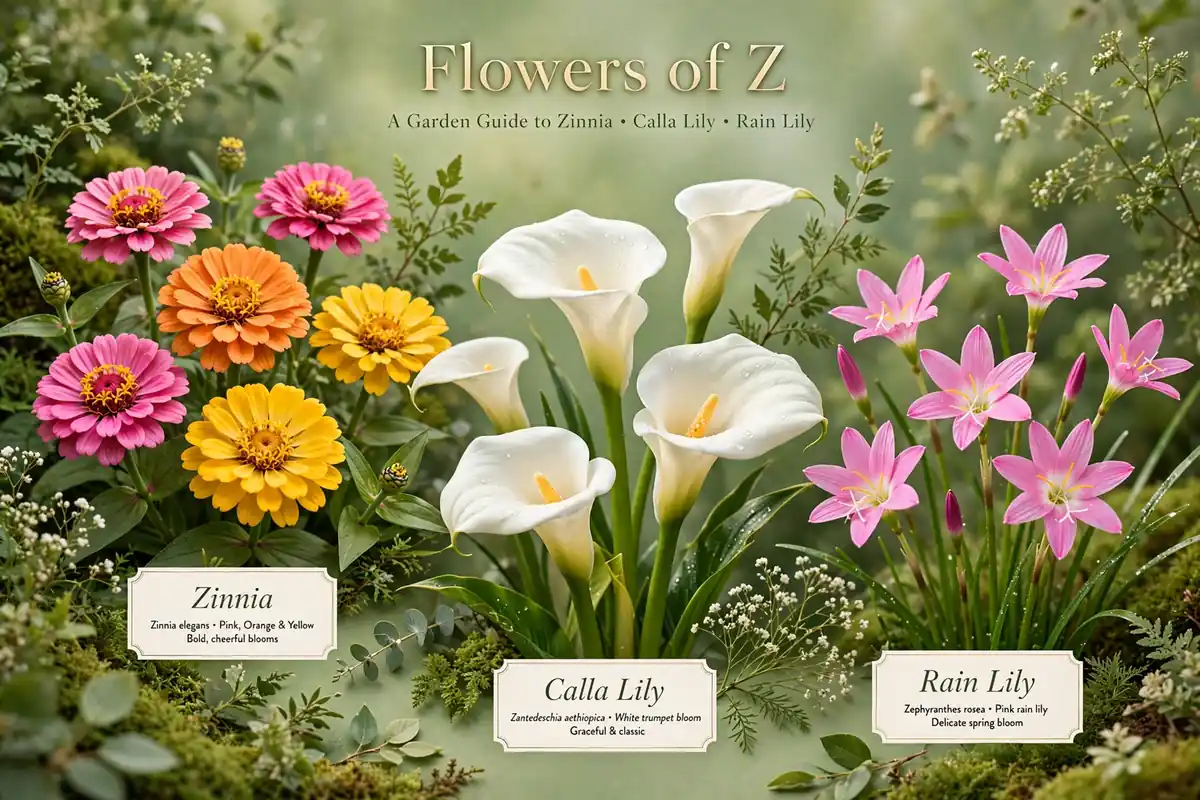
Looking for flowers that start with Z? You have come to the right place. The letter Z may be the last in the alphabet, but it delivers some of the garden’s biggest personalities — from the bold, butterfly-magnet zinnias that bloom nonstop all summer and the sculptural white spathes of calla lilies, to the fragrant night phlox that perfumes the evening garden and the exotic patterned blooms of zygopetalum orchids. Whether you are planning a cutting garden, filling a shady corner, or helping a young gardener with an alphabet planting project, this guide covers 55 real flowers that start with Z, each with a vivid description and practical growing advice.
Every entry below lists the flower’s scientific name, bloom season, sun needs, and USDA hardiness zone, so you can tell at a glance which Z-flowers fit your yard. You will also find a quick comparison table, practical growing tips, and answers to the questions gardeners ask most about flowers starting with Z. Let’s dig in.
Quick Answer
Yes — this page lists 55 flowers that start with Z, from zinnias and calla lilies to rain lilies and zebra plants. Use the at-a-glance table to filter by your USDA zone, sun and bloom season before you buy.
Table of Contents
Z-Flowers at a Glance
| # | Name | Scientific name | Bloom | Sun | Zone | Best for |
|---|---|---|---|---|---|---|
| 1 | Zinnia | Zinnia elegans | Summer to frost | Full sun | Grown as annual | Cut flowers, pollinator gardens, beginner gardeners |
| 2 | Calla Lily | Zantedeschia aethiopica | Late spring to summer | Full sun to part shade | 8–11; lift rhizomes elsewhere | Pond edges, containers, wedding flowers |
| 3 | Rain Lily | Zephyranthes candida | Summer to fall (after rains) | Full sun to part shade | 7–11 | Naturalizing, rain gardens, low-care borders |
| 4 | Zygopetalum Orchid | Zygopetalum spp. | Fall to winter | Bright indirect light | Houseplant (10–11 outdoors) | Fragrant indoor orchids, collectors |
| 5 | Night Phlox | Zaluzianskya ovata | Summer to fall | Full sun to part shade | 9–11; annual elsewhere | Evening fragrance, moon gardens, patios |
| 6 | Zonal Geranium | Pelargonium × hortorum | Spring to frost | Full sun | 9–11; annual/pots elsewhere | Containers, window boxes, bedding |
| 7 | Pink Calla | Zantedeschia rehmannii | Summer | Full sun to part shade | 8–11; lift rhizomes elsewhere | Containers, cut flowers, romantic color schemes |
| 8 | Yellow Calla | Zantedeschia elliottiana | Summer | Full sun to part shade | 8–11; lift rhizomes elsewhere | Bold yellow accents, containers, cut flowers |
| 9 | Zinnia ‘Profusion’ | Zinnia hybrid | Summer to frost | Full sun | Grown as annual | Edging, containers, disease-resistant bedding |
| 10 | Zinnia ‘Benary’s Giant’ | Zinnia elegans ‘Benary’s Giant’ | Summer to frost | Full sun | Grown as annual | Cut-flower farming, big bold blooms |
| 11 | Narrowleaf Zinnia | Zinnia angustifolia | Summer to frost | Full sun | Grown as annual | Hot dry sites, xeriscaping, low-care mass plantings |
| 12 | Mexican Zinnia | Zinnia haageana | Summer to frost | Full sun | Grown as annual | Cottage gardens, butterfly borders, warm color schemes |
| 13 | Red Spider Zinnia | Zinnia tenuifolia | Summer to frost | Full sun | Grown as annual | Airy texture, meadow plantings, butterfly gardens |
| 14 | Cuban Zephyrlily | Zephyranthes rosea | Summer to fall | Full sun to part shade | 8–11 | Rock gardens, container bulbs, surprise rain blooms |
| 15 | Pink Rain Lily | Zephyranthes grandiflora | Summer to fall | Full sun to part shade | 8–11 | Mass plantings, Southern gardens, rain-triggered displays |
| 16 | Yellow Rain Lily | Zephyranthes citrina | Summer to fall | Full sun | 9–11 | Rock gardens, mixed rain-lily drifts, sunny edging |
| 17 | California Fuchsia | Epilobium canum | Late summer to fall | Full sun | 8–11 | Hummingbirds, native gardens, xeriscaping |
| 18 | Dusty Zenobia | Zenobia pulverulenta | Late spring | Full sun to part shade | 5–9 | Native shrubs, fragrant spring flowers, evergreen structure |
| 19 | Zexmenia | Wedelia texana | Spring to fall | Full sun | 8–11 | Texas natives, xeriscaping, long-season yellow daisies |
| 20 | Christmas Cactus | Schlumbergera truncata | Late fall to winter | Bright indirect light | Houseplant (9–11 outdoors) | Holiday displays, heirloom houseplants, gifts |
| 21 | Zigzag Goldenrod | Solidago flexicaulis | Late summer to fall | Part shade to full sun | 4–8 | Shade natives, pollinators, fall color |
| 22 | Peruvian Zinnia | Zinnia peruviana | Summer to frost | Full sun | Grown as annual | Meadow gardens, wildflower mixes, heat tolerance |
| 23 | Zinnia violacea | Zinnia violacea (syn. of Z. elegans) | Summer to frost | Full sun | Grown as annual | Botanical curiosity, classic zinnia color |
| 24 | Zinnia ‘Zinderella’ | Zinnia elegans ‘Zinderella’ | Summer to frost | Full sun | Grown as annual | Romantic bouquets, vintage-style cutting gardens |
| 25 | Maryland Zinnia | Zinnia marylandica | Summer to frost | Full sun | Grown as annual | Humid climates, disease resistance, bedding |
| 26 | Cape Night Phlox | Zaluzianskya capensis | Summer to fall | Full sun to part shade | 9–11; annual elsewhere | Evening fragrance, moon gardens, sensory gardens |
| 27 | Calla ‘Black Magic’ | Zantedeschia ‘Black Magic’ | Summer | Full sun to part shade | 8–11; lift rhizomes elsewhere | Gothic gardens, dramatic containers, unique cut flowers |
| 28 | Rain Lily ‘Ajax’ | Zephyranthes ‘Ajax’ | Summer to fall | Full sun to part shade | 8–11 | Bulb collectors, Southern gardens, rain-triggered displays |
| 29 | Zinnia ‘Queen Lime’ | Zinnia elegans ‘Queen Lime’ | Summer to frost | Full sun | Grown as annual | Florist bouquets, sophisticated color palettes |
| 30 | Zygopetalum ‘Trozy Blue’ | Zygopetalum ‘Trozy Blue’ | Fall to winter | Bright indirect light | Houseplant (10–11 outdoors) | Orchid collectors, rare blue flowers, fragrance |
| 31 | Zinnia ‘Zahara’ | Zinnia marylandica ‘Zahara’ | Summer to frost | Full sun | Grown as annual | Southern gardens, disease-proof bedding, containers |
| 32 | Spotted Calla | Zantedeschia albomaculata | Summer | Full sun to part shade | 8–11; lift rhizomes elsewhere | Pond margins, wet soils, decorative foliage |
| 33 | Evening Rain Lily | Zephyranthes drummondii | Spring to fall (after rains) | Full sun | 7–10 | Texas natives, evening gardens, large rain-lily blooms |
| 34 | Zinnia ‘Cut and Come Again’ | Zinnia elegans ‘Cut and Come Again’ | Summer to frost | Full sun | Grown as annual | Beginner cutting gardens, kids’ gardens, budget color |
| 35 | Garrett’s Firechalice | Zauschneria garrettii | Late summer to fall | Full sun | 5–9 | Rock gardens, native plants, hummingbirds |
| 36 | Rocky Mountain Zinnia | Zinnia grandiflora | Summer to fall | Full sun | 5–9 | Rock gardens, native wildflowers, pollinators |
| 37 | Zinnia ‘Envy’ | Zinnia elegans ‘Envy’ | Summer to frost | Full sun | Grown as annual | Cut flowers, unique color palettes |
| 38 | Zinnia ‘Magellan’ | Zinnia elegans ‘Magellan’ | Summer to frost | Full sun | Grown as annual | Bedding, containers, cut flowers |
| 39 | Zinnia ‘State Fair’ | Zinnia elegans ‘State Fair’ | Summer to frost | Full sun | Grown as annual | Cut-flower giants, exhibition blooms |
| 40 | Atamasco Rain Lily | Zephyranthes atamasco | Spring | Full sun to part shade | 7–10 | Native bulbs, spring surprise blooms |
| 41 | Labuffarose Rain Lily | Zephyranthes labuffarosa | Summer to fall | Full sun | 8–10 | Collectors, warm-climate bulbs |
| 42 | Calla ‘Picasso’ | Zantedeschia ‘Picasso’ | Summer | Full sun to part shade | 8–11; lift rhizomes elsewhere | Containers, dramatic cut flowers |
| 43 | Calla ‘Mango’ | Zantedeschia ‘Mango’ | Summer | Full sun to part shade | 8–11; lift rhizomes elsewhere | Tropical color, cut flowers |
| 44 | Yellow Arum | Zantedeschia pentlandii | Summer | Full sun to part shade | 8–10; lift rhizomes elsewhere | Collectors, exotic color |
| 45 | Zygopetalum intermedium | Zygopetalum intermedium | Fall to winter | Bright indirect light | Houseplant (10–11 outdoors) | Fragrant orchids, collectors |
| 46 | Zygopetalum mackayi | Zygopetalum mackayi | Fall to winter | Bright indirect light | Houseplant (10–11 outdoors) | Fragrant orchids, collectors |
| 47 | Villous Night Phlox | Zaluzianskya villosa | Summer to fall | Full sun to part shade | 8–10; annual elsewhere | Evening fragrance, rock gardens |
| 48 | Heartleaf Alexanders | Zizia aptera | Spring | Full sun to part shade | 4–8 | Native gardens, early spring color |
| 49 | Zebra Plant | Calathea zebrina | Summer (indoor blooms) | Bright indirect light | Houseplant (10–11 outdoors) | Statement houseplants, striped foliage |
| 50 | Zebra Haworthia | Haworthiopsis attenuata | Spring (flower spikes) | Bright indirect light | 9–11; houseplant elsewhere | Succulents, windowsills |
| 51 | Zebra Grass | Miscanthus sinensis ‘Zebrinus’ | Late summer to fall | Full sun | 5–9 | Ornamental grasses, striped foliage |
| 52 | Zigzag Clover | Trifolium medium | Summer | Full sun to part shade | 4–8 | Pollinators, meadow groundcover |
| 53 | Zebra Aloe | Aloe zebrina | Spring (flower spikes) | Full sun to bright indirect | 9–11; houseplant elsewhere | Succulents, drought-tolerant containers |
| 54 | Soldier’s Orchid | Zeuxine strateumatica | Winter to spring | Full sun to part shade | 8–11 | Native orchids, lawn curiosities |
| 55 | Zygopetalum crinitum | Zygopetalum crinitum | Fall to winter | Bright indirect light | Houseplant (10–11 outdoors) | Rare orchids, collectors |
35 Flowers That Start With Z: The Complete List
Here they are — 35 beautiful, real flowers beginning with Z, each with growing notes so you can pick the right ones for your garden.
1. Zinnia (Zinnia elegans)
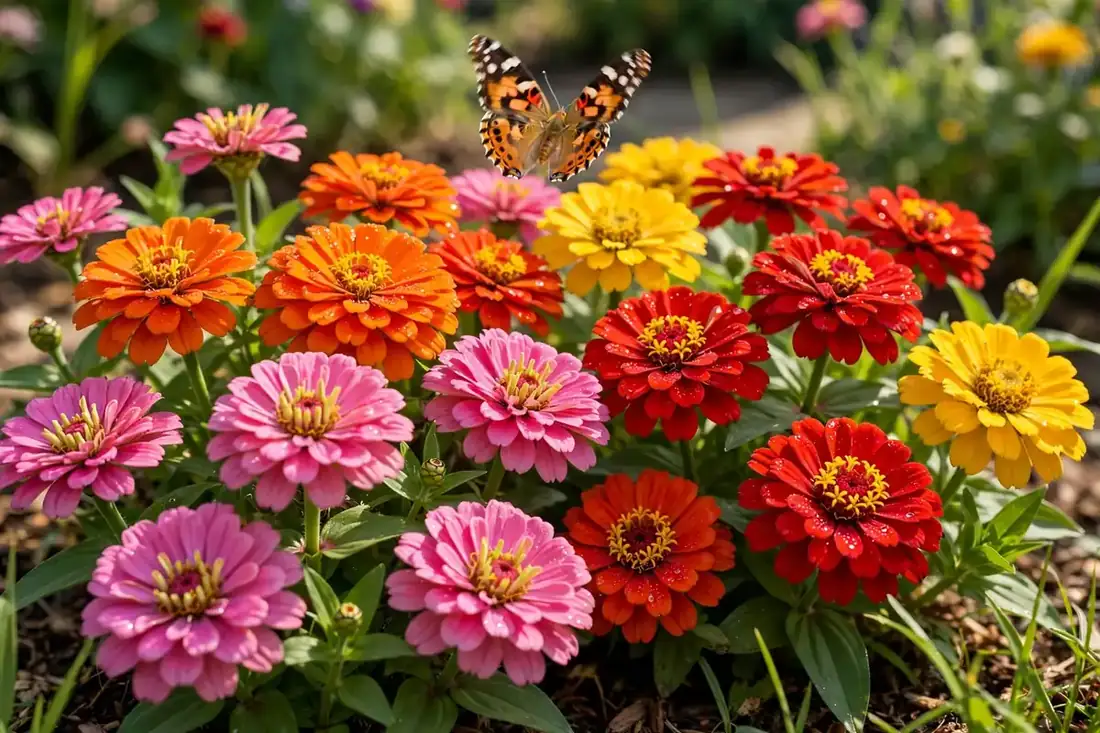
Zinnia is the undisputed champion of easy summer color, pumping out bold daisy-like blooms in every shade except true blue from midsummer until frost. Sow seeds directly in the garden after the last frost and they will germinate in days; plants grow fast, branch freely, and the more you cut, the more they bloom — the classic “cut and come again” flower. Give them full sun, average soil, and good air circulation to keep powdery mildew at bay, and water at the base rather than overhead. Butterflies, bees, and hummingbirds all flock to zinnias, making them a must for pollinator gardens and children’s first gardens alike.
Bloom: Summer to frost | Sun: Full sun | Zone: Grown as annual | Best for: Cut flowers, pollinator gardens, beginner gardeners
2. Calla Lily (Zantedeschia aethiopica)
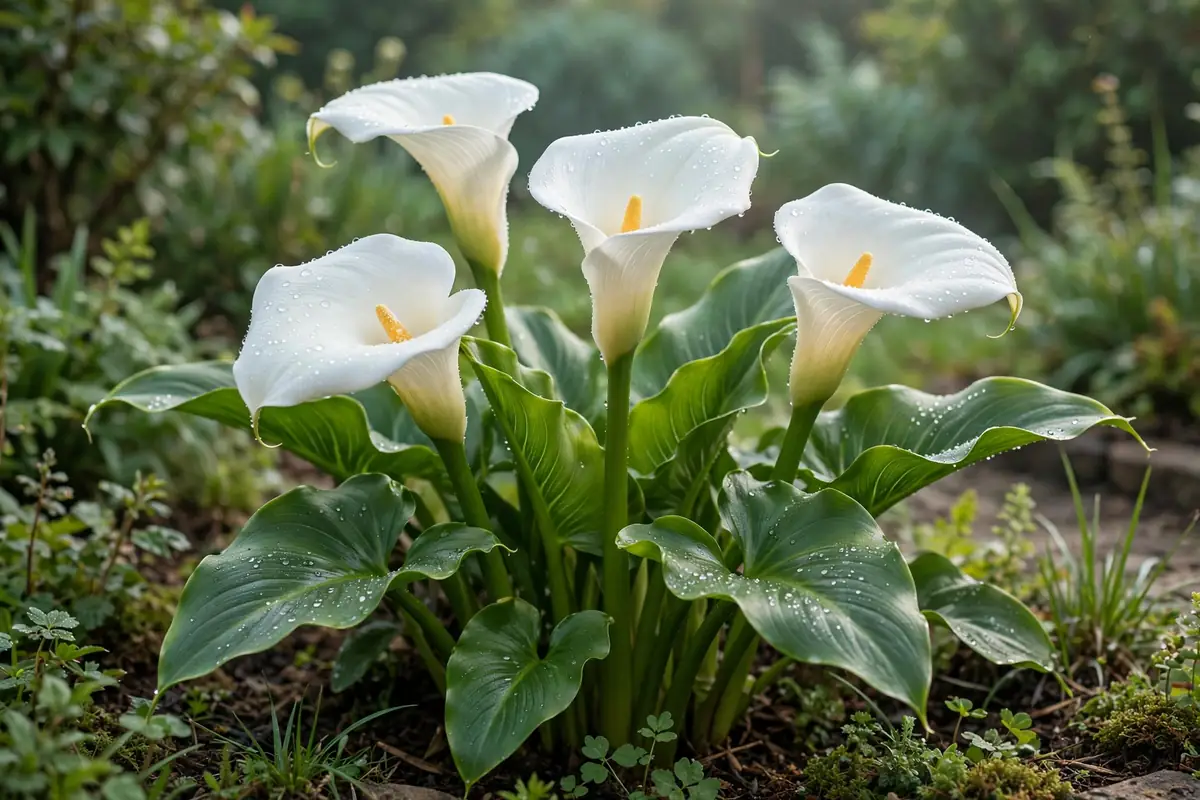
Calla lily is pure elegance — a sculptural white spathe wrapped around a golden spadix, rising above glossy arrow-shaped leaves. Despite the name, it is not a true lily but a South African arum that thrives in moist soil and even tolerates shallow standing water at a pond’s edge. Plant rhizomes in spring after frost danger passes, in full sun to part shade with rich, consistently moist soil. In zones 8–11 it returns yearly; in colder regions, lift the rhizomes in fall and store them dry and frost-free. The dramatic white blooms are a florist favorite for weddings and make striking container specimens.
Bloom: Late spring to summer | Sun: Full sun to part shade | Zone: 8–11; lift rhizomes elsewhere | Best for: Pond edges, containers, wedding flowers
3. Rain Lily (Zephyranthes candida)
Rain lily is a little bulb with a magic trick: it sits quietly through dry spells, then erupts in white crocus-like blooms within days of a soaking rain. Zephyranthes candida is the hardiest and most reliable of the group, with grass-like evergreen foliage and starry white flowers from summer into fall. Plant bulbs 2–3 inches deep in sun or part shade and average soil; they naturalize into generous clumps and need almost no care. They are perfect for the front of borders, rock gardens, and edging along paths where their surprise appearances delight. Note that all parts are toxic if eaten, so site them away from grazing pets.
Bloom: Summer to fall, after rains | Sun: Full sun to part shade | Zone: 7–11 | Best for: Naturalizing, rain gardens, low-care borders
4. Zygopetalum Orchid (Zygopetalum spp.)
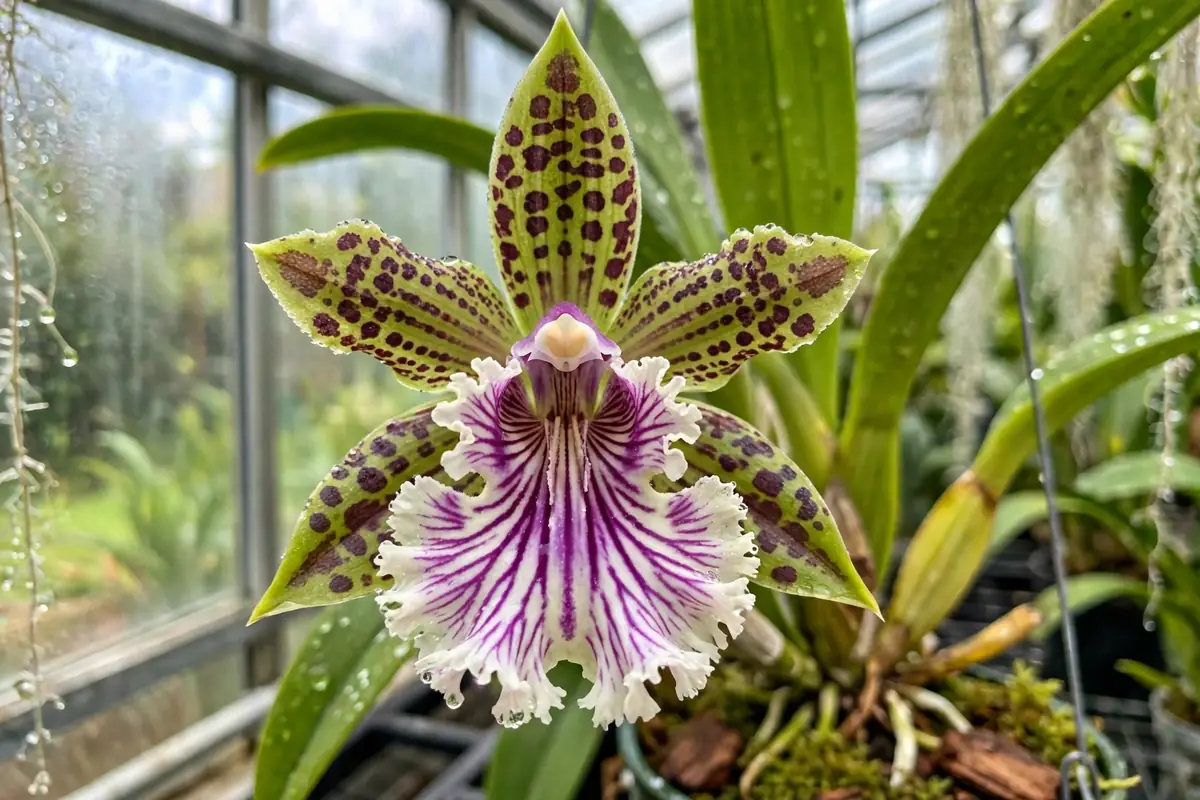
Zygopetalum orchids are the show-offs of the orchid world, with large, waxy, intensely fragrant blooms patterned in purple, green, white, and chocolate brown. Native to the cool, humid forests of Brazil, they prefer intermediate temperatures — 60s to 70s Fahrenheit — bright indirect light, and a coarse bark mix that drains freely. Unlike moth orchids, zygos like to stay evenly moist while actively growing, with a slight drying between waterings in winter. They typically bloom in fall and winter, and the spicy-sweet fragrance can perfume a whole room. A superb choice for orchid growers ready to move beyond phalaenopsis.
Bloom: Fall to winter | Sun: Bright indirect light | Zone: Houseplant (10–11 outdoors) | Best for: Fragrant indoor orchids, collectors
5. Night Phlox (Zaluzianskya ovata)
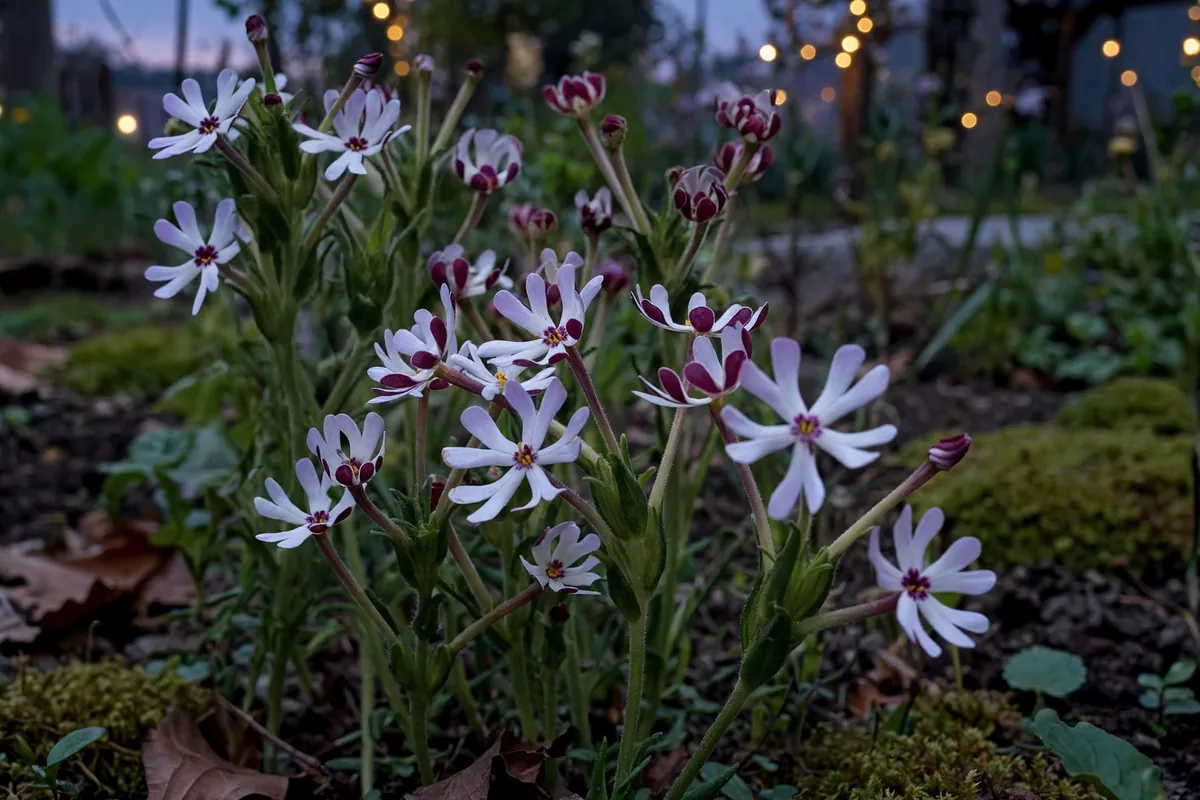
Night phlox is a garden secret worth knowing: its small white flowers with maroon reverses close by day and open at dusk, releasing a powerful sweet perfume of honey, vanilla, and cloves. Zaluzianskya ovata forms a low, spreading mound of fuzzy foliage topped with starry blooms from summer to fall. Plant it near patios, bedroom windows, or evening seating areas where you will actually smell it — in full sun to part shade with well-drained soil. In zones 9–11 it behaves as a short-lived perennial; elsewhere grow it as an annual from seed or cuttings. Evening fragrance gardens are incomplete without it.
Bloom: Summer to fall | Sun: Full sun to part shade | Zone: 9–11; annual elsewhere | Best for: Evening fragrance, moon gardens, patios
6. Zonal Geranium (Pelargonium × hortorum)
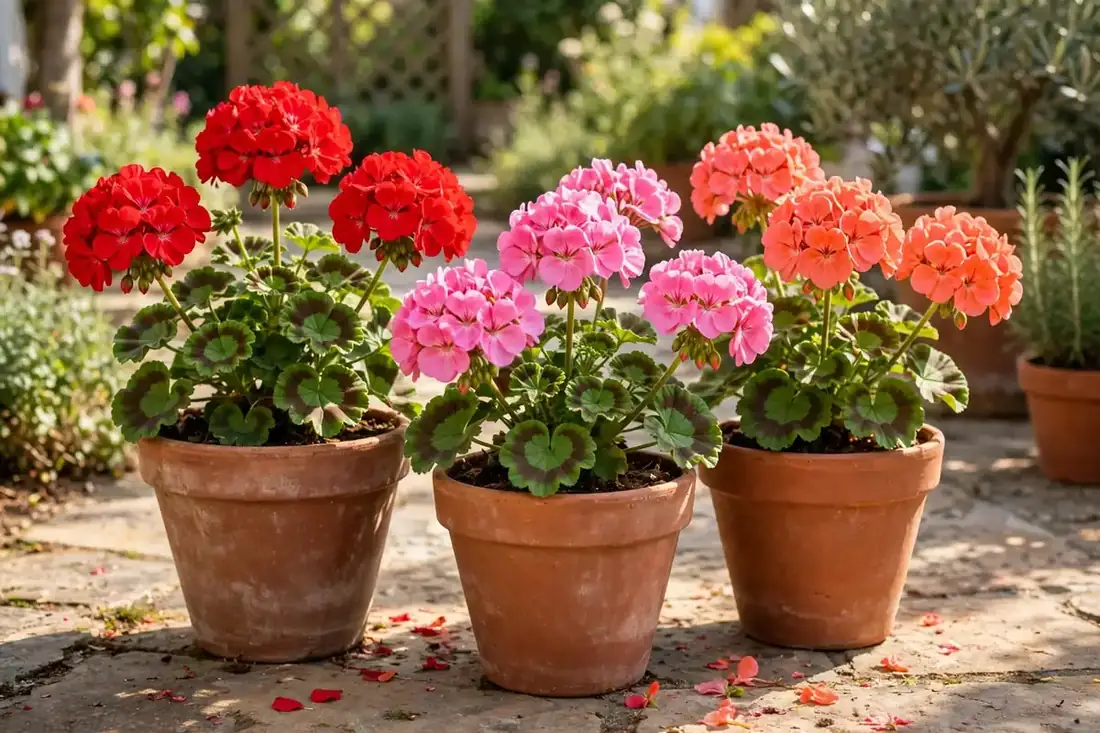
Zonal geraniums are the workhorses of summer containers, named for the darker “zone” banding on their rounded leaves. Their big globe-shaped clusters of red, pink, salmon, white, or orange flowers bloom relentlessly from spring to frost with almost no fuss. Give them full sun, average potting mix, and let the soil dry slightly between waterings — they rot in soggy soil. Deadhead spent clusters to keep the show going. In zones 9–11 they overwinter outdoors; everywhere else, bring pots inside before frost or take cuttings in fall. Few plants deliver this much color per dollar.
Bloom: Spring to frost | Sun: Full sun | Zone: 9–11; annual/pots elsewhere | Best for: Containers, window boxes, bedding
7. Pink Calla (Zantedeschia rehmannii)
Pink calla brings the elegance of the classic white calla in a soft, romantic pink. Zantedeschia rehmannii produces slender trumpet spathes in shades from blush to deep rose above narrow, sometimes spotted leaves, reaching about 18–24 inches tall. It wants the same care as its white cousin: rich, moist soil, full sun to part shade, and a warm start in spring. Pink callas are superb in pots, where their refined form really shines, and they make exquisite cut flowers. Like all callas, the plant is toxic if ingested, so keep it away from curious pets and children.
Bloom: Summer | Sun: Full sun to part shade | Zone: 8–11; lift rhizomes elsewhere | Best for: Containers, cut flowers, romantic color schemes
8. Yellow Calla (Zantedeschia elliottiana)
Yellow calla, or golden calla, lights up the summer garden with rich golden-yellow spathes and handsome white-spotted foliage. Zantedeschia elliottiana is slightly more compact than the white species, typically 18–24 inches, and its cheery blooms last for weeks on the plant. Grow it in moist, humus-rich soil in full sun to part shade, and feed regularly during the growing season for the biggest flowers. It pairs beautifully with blue and purple companions like salvias and verbena. In cold climates, lift the rhizomes after the first light frost and store them dry until spring.
Bloom: Summer | Sun: Full sun to part shade | Zone: 8–11; lift rhizomes elsewhere | Best for: Bold yellow accents, containers, cut flowers
9. Zinnia ‘Profusion’ (Zinnia hybrid)
Zinnia ‘Profusion’ changed the zinnia game: a compact, disease-resistant hybrid (a cross of Z. angustifolia and Z. elegans) that shrugs off powdery mildew and blooms nonstop without deadheading. Plants form tidy 12- to 18-inch mounds absolutely smothered in 2-inch daisy flowers in cherry, orange, white, yellow, and pink. It is a perfect edging and container zinnia, tolerating heat, humidity, and drought far better than older types. Sow or transplant after frost in full sun; ‘Profusion’ starts blooming early and does not quit until frost. An All-America Selections winner and one of the lowest-maintenance annuals you can grow.
Bloom: Summer to frost | Sun: Full sun | Zone: Grown as annual | Best for: Edging, containers, disease-resistant bedding
10. Zinnia ‘Benary’s Giant’ (Zinnia elegans ‘Benary’s Giant’)
‘Benary’s Giant’ is the professional cut-flower grower’s zinnia of choice, bred in Germany for huge 4- to 6-inch blooms on long, strong 3- to 4-foot stems. The fully double flowers come in a complete color range — including lime green, salmon rose, and deep wine — with excellent vase life of 7–10 days. Start seeds indoors 4–6 weeks before the last frost or direct-sow in warm soil; space plants 9–12 inches apart for stocky stems. Cut deeply and often to keep stems long and blooms coming. If you want armloads of zinnias for bouquets, this is the series to grow.
Bloom: Summer to frost | Sun: Full sun | Zone: Grown as annual | Best for: Cut-flower farming, big bold blooms
11. Narrowleaf Zinnia (Zinnia angustifolia)
Narrowleaf zinnia is the tough, wiry cousin of the garden zinnia, with slender foliage and masses of small single daisies in orange, yellow, and white. Native to the hot, dry regions of Mexico and the southwestern US, it laughs at heat, drought, and poor soil — conditions that stress fussier flowers. Plants grow 8–18 inches tall and spread into floriferous mounds that need no deadheading. It is outstandingly resistant to powdery mildew. Use it for hot hellstrips, xeriscape borders, and low-maintenance mass plantings where it blooms from summer straight through to frost.
Bloom: Summer to frost | Sun: Full sun | Zone: Grown as annual | Best for: Hot dry sites, xeriscaping, low-care mass plantings
12. Mexican Zinnia (Zinnia haageana)
Mexican zinnia is a charming old-fashioned species with small double and semi-double blooms in warm sunset shades — golden yellow, burnt orange, and mahogany bicolors with quilled or ruffled petals. Plants reach 12–24 inches and bloom profusely from midsummer to frost, attracting clouds of butterflies. It prefers full sun and well-drained soil and tolerates heat and drought once established. Mexican zinnia self-sows gently, so you may get free seedlings next spring. Try it in cottage gardens, butterfly borders, and mixed annual beds where its antique, jewel-toned colors glow.
Bloom: Summer to frost | Sun: Full sun | Zone: Grown as annual | Best for: Cottage gardens, butterfly borders, warm color schemes
13. Red Spider Zinnia (Zinnia tenuifolia)
Red spider zinnia is the oddball of the zinnia family — airy, fine-textured plants with wiry stems topped by small single flowers whose narrow, quilled red-orange petals radiate like a spider’s legs. Growing 2–3 feet tall with an open, see-through habit, it weaves beautifully through other plants without crowding them. It thrives in full sun and poor to average soil, blooms from summer to frost, and is a butterfly magnet. Use it to add lightness and movement to borders, meadow-style plantings, and wildflower mixes. It self-sows readily, so deadhead if you want to limit volunteers.
Bloom: Summer to frost | Sun: Full sun | Zone: Grown as annual | Best for: Airy texture, meadow plantings, butterfly gardens
14. Cuban Zephyrlily (Zephyranthes rosea)
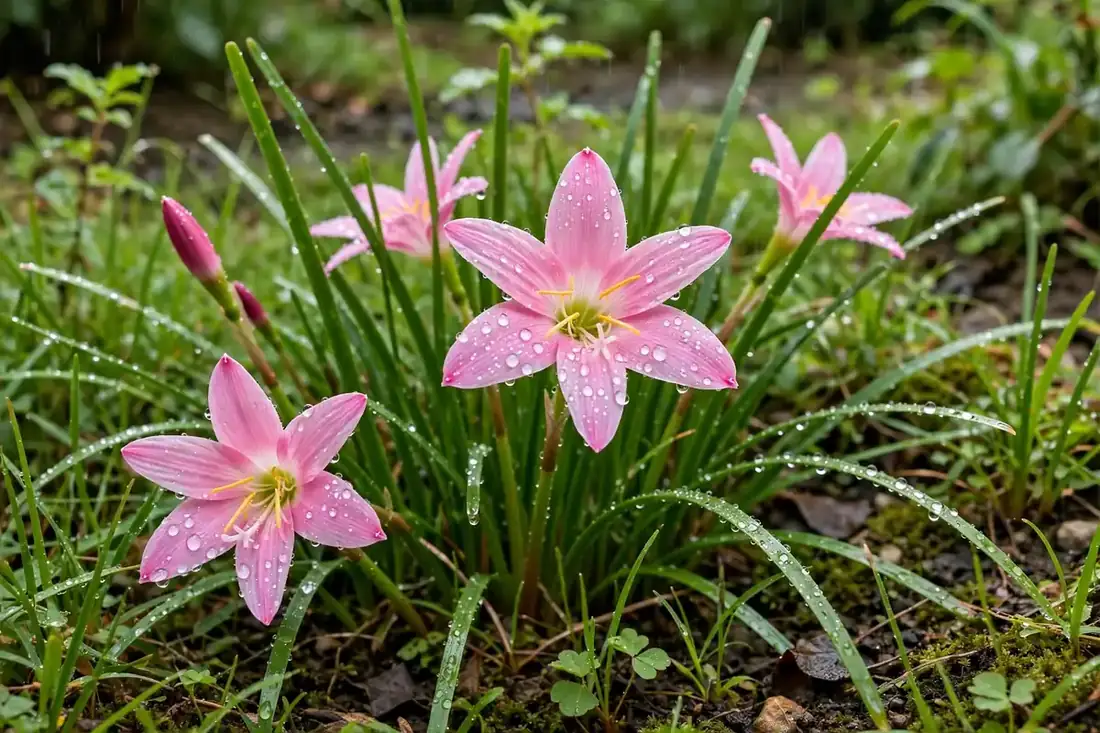
Cuban zephyrlily, sometimes called the pink fairy lily, produces exquisite rose-pink goblet flowers that emerge on naked stems after summer rains. Native to Cuba, it is one of the most cold-tender rain lilies, thriving in zones 8–11 in full sun to part shade. Plant bulbs 2 inches deep in well-drained soil; they multiply into clumps that put on their best show when planted thickly. In colder regions, grow Cuban zephyrlily in pots and overwinter them dry indoors. The delicate pink blooms look magical tucked among low groundcovers or in rock garden pockets.
Bloom: Summer to fall | Sun: Full sun to part shade | Zone: 8–11 | Best for: Rock gardens, container bulbs, surprise rain blooms
15. Pink Rain Lily (Zephyranthes grandiflora)
Pink rain lily is the classic fairy lily of Southern gardens, with large, soft-pink trumpet blooms up to 3 inches wide that pop up after summer downpours. Zephyranthes grandiflora hails from Mexico and Guatemala and forms lush clumps of grass-like foliage topped by waves of flowers from summer into fall. It is hardy in zones 8–11 and easy to grow in sun to part shade with average, well-drained soil. Plant bulbs in drifts of a dozen or more for the full effect — a whole patch blooming overnight after rain is unforgettable. Divide congested clumps every few years in spring.
Bloom: Summer to fall | Sun: Full sun to part shade | Zone: 8–11 | Best for: Mass plantings, Southern gardens, rain-triggered displays
16. Yellow Rain Lily (Zephyranthes citrina)
Yellow rain lily adds a sunny twist to the rain lily palette, with bright lemon-yellow starry flowers that appear in flushes after rain from summer through fall. Native to Mexico, Zephyranthes citrina is slightly more tender than the white species, happiest in zones 9–11, though it can be grown in pots farther north and overwintered frost-free. Give it full sun and sharp drainage; it dislikes sitting wet in winter. The cheerful yellow blooms combine beautifully with pink and white rain lilies in mixed drifts, and it is a fine choice for rock gardens, sunny edging, and alpine troughs.
Bloom: Summer to fall | Sun: Full sun | Zone: 9–11 | Best for: Rock gardens, mixed rain-lily drifts, sunny edging
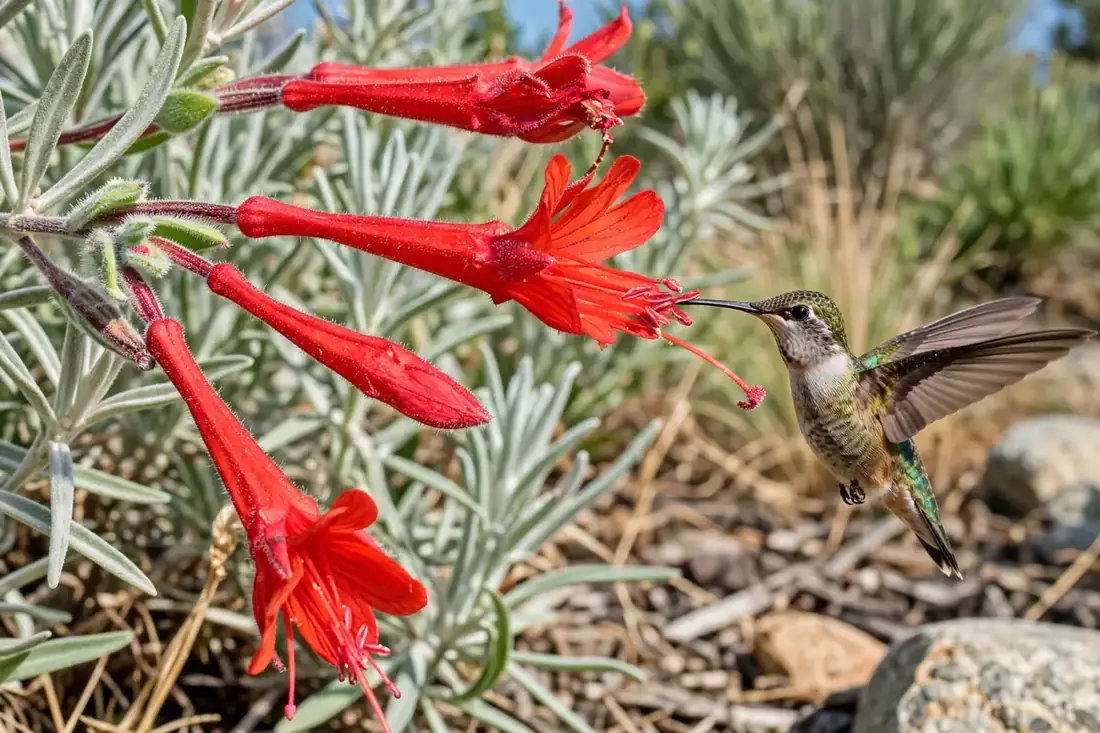
17. California Fuchsia (Epilobium canum)
California fuchsia is a hummingbird magnet like few other plants — a California native subshrub smothered in tubular scarlet-red (sometimes orange) flowers from late summer into fall, exactly when migrating hummingbirds need nectar most. Despite the name, it is not a true fuchsia; it was formerly classified as Zauschneria, which is why it earns its place among Z-flowers. It demands full sun and extremely sharp drainage, tolerates drought and poor soil, and spreads by rhizomes into handsome silvery mats. Cut it back hard in late winter. An essential plant for native, pollinator, and water-wise gardens in the West.
Bloom: Late summer to fall | Sun: Full sun | Zone: 8–11 | Best for: Hummingbirds, native gardens, xeriscaping
18. Dusty Zenobia (Zenobia pulverulenta)
Dusty zenobia is an underused native evergreen shrub with powdery blue-green foliage and dangling clusters of fragrant white bell flowers in late spring. The blooms resemble lily-of-the-valley on a larger scale, with a sweet anise-like scent, followed by attractive seed capsules. Native to the boggy pine flatwoods of the Southeast, it wants acidic, moist but well-drained soil and full sun to part shade in zones 5–9. It is slow to establish but long-lived and deer-resistant. Grow it in native shrub borders, woodland edges, and rain gardens where its glaucous foliage shines year-round.
Bloom: Late spring | Sun: Full sun to part shade | Zone: 5–9 | Best for: Native shrubs, fragrant spring flowers, evergreen structure
19. Zexmenia (Wedelia texana)
Zexmenia is a cheerful Texas native perennial that covers itself in golden-yellow daisy flowers from spring all the way to fall. The 1-inch blooms with darker yellow centers sit atop grayish-green, slightly rough foliage on mounding 1- to 2-foot plants. It is supremely heat- and drought-tolerant once established, asking only for full sun and well-drained soil. Butterflies visit the flowers constantly. Cut plants back by a third in midsummer to keep them compact and floriferous. A natural for Texas and Southwestern native gardens, xeriscapes, and hot sunny borders where fussier daisies melt.
Bloom: Spring to fall | Sun: Full sun | Zone: 8–11 | Best for: Texas natives, xeriscaping, long-season yellow daisies
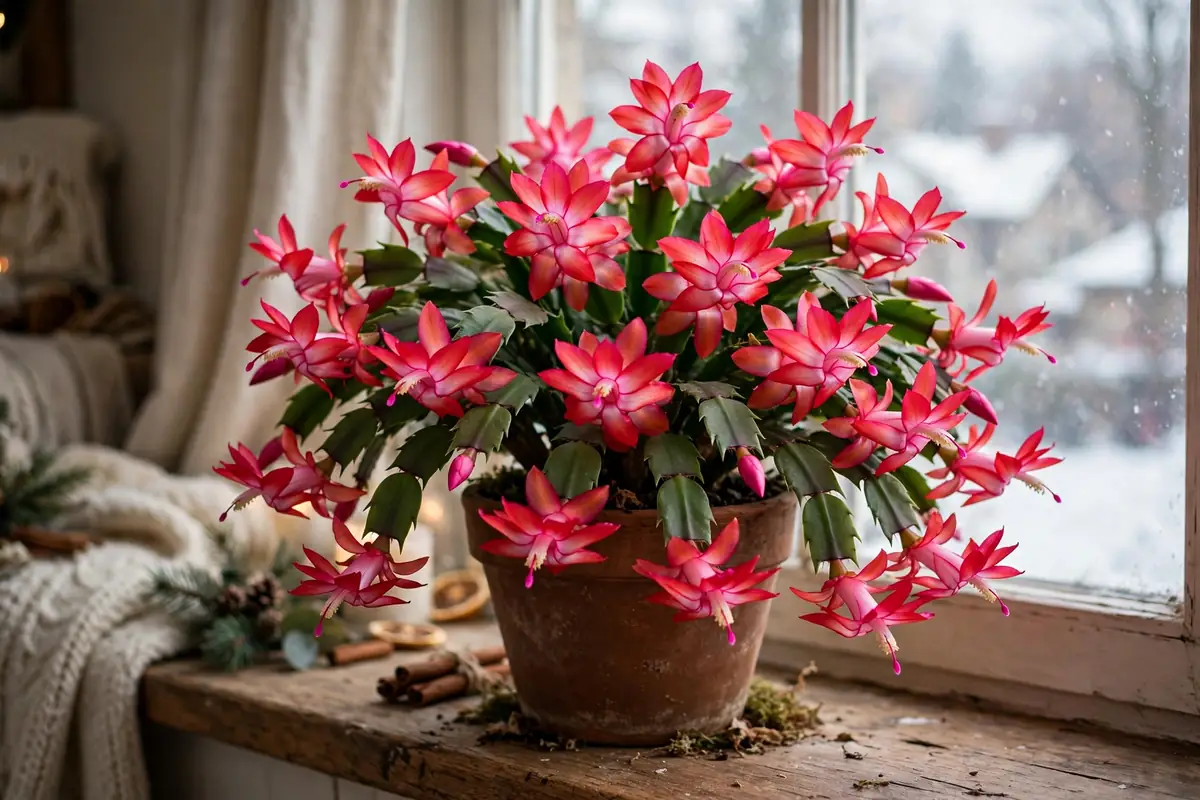
20. Christmas Cactus (Schlumbergera truncata)
Christmas cactus is the beloved holiday houseplant with cascading segmented stems tipped in layered, exotic blooms of pink, red, white, or orange in late fall and winter. It was once classified as Zygocactus — hence its Z credentials — and hails from the humid forests of Brazil, where it grows on trees, not in deserts. Give it bright indirect light, a fast-draining mix, and water when the top inch dries out. To trigger blooming, provide 12–14 hours of uninterrupted darkness and cool nights (55–65°F) for 3–6 weeks in fall. These long-lived plants are often passed down through generations.
Bloom: Late fall to winter | Sun: Bright indirect light | Zone: Houseplant (9–11 outdoors) | Best for: Holiday displays, heirloom houseplants, gifts
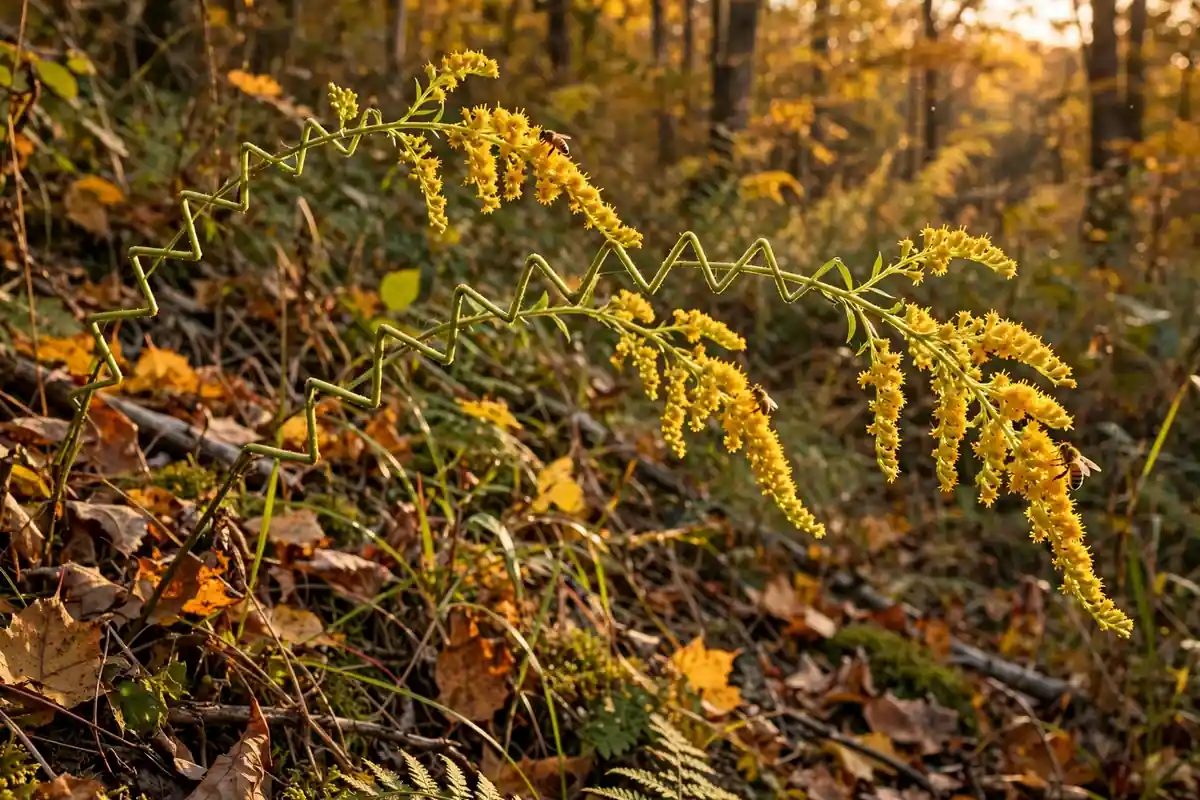
21. Zigzag Goldenrod (Solidago flexicaulis)
Zigzag goldenrod is the goldenrod for shade — a well-behaved native perennial with distinctive zigzagging stems and clusters of golden-yellow flowers tucked in the leaf axils from late summer into fall. Unlike its sun-loving cousins, it thrives in part shade and even dry shade under trees, spreading politely by rhizomes into handsome colonies. It is a critical late-season nectar source for migrating monarchs and native bees. Give it average soil in zones 4–8 and leave the seed heads for birds. Despite the myth, goldenrod pollen is heavy and insect-carried — it does not cause hay fever (blame ragweed).
Bloom: Late summer to fall | Sun: Part shade to full sun | Zone: 4–8 | Best for: Shade natives, pollinators, fall color
22. Peruvian Zinnia (Zinnia peruviana)
Peruvian zinnia is one of the original wild zinnias, with small single blooms in red, orange, and yellow on wiry, branching 1- to 2-foot plants. It is tougher and more heat-tolerant than modern garden zinnias, with excellent resistance to powdery mildew and a charming wildflower look. Sow directly in full sun after frost in average, well-drained soil; it blooms from summer to frost and self-sows freely. The small flowers are butterfly favorites. Use Peruvian zinnia in meadow gardens, cottage borders, and naturalized areas where its unpretentious, old-fashioned charm fits right in.
Bloom: Summer to frost | Sun: Full sun | Zone: Grown as annual | Best for: Meadow gardens, wildflower mixes, heat tolerance
23. Zinnia violacea (Zinnia violacea, synonym of Z. elegans)
Zinnia violacea is the botanical name under which the common garden zinnia was first formally described — today botanists treat it as a synonym of Zinnia elegans, but you will still find the name on old seed packets and in botanical references. The plants are exactly what you picture when you think “zinnia”: fast-growing Mexican annuals with bold, layered blooms in every hot color, flowering from summer to frost in full sun. Knowing this synonym helps when you encounter it in vintage gardening books or European seed catalogs. Grow it exactly like any garden zinnia — direct-sow after frost, cut often, and enjoy months of color.
Bloom: Summer to frost | Sun: Full sun | Zone: Grown as annual | Best for: Botanical curiosity, classic zinnia color
24. Zinnia ‘Zinderella’ (Zinnia elegans ‘Zinderella’)
Zinnia ‘Zinderella’ brings scabiosa-flowered romance to the zinnia patch, with fully double blooms whose centers erupt in a cushion of tiny florets surrounded by flat outer petals. The series comes in dreamy shades — peach, lilac, lavender, scarlet, and white — on sturdy 2- to 2.5-foot plants. Bred in the Netherlands, ‘Zinderella’ has good vigor and makes a superb cut flower with a vintage, almost antique look. Sow after frost in full sun and rich, well-drained soil; pinch young plants for bushier growth. Deadhead or cut regularly to keep the unusual blooms coming until frost.
Bloom: Summer to frost | Sun: Full sun | Zone: Grown as annual | Best for: Romantic bouquets, vintage-style cutting gardens
25. Maryland Zinnia (Zinnia marylandica)
Maryland zinnia is a breakthrough hybrid species — a cross of Z. angustifolia and Z. violacea developed at the University of Maryland — combining the best of both parents: the mildew resistance and compact habit of angustifolia with the larger, showier flowers of elegans-type zinnias. Plants grow 12–18 inches tall and bloom nonstop in orange, yellow, pink, and white without deadheading. It is exceptionally heat-tolerant and thrives in humid Southern summers where older zinnias struggle. Grow it in full sun as a bedding plant, edging, or container star. The ‘Zahara’ series (see #31) is its most famous offspring.
Bloom: Summer to frost | Sun: Full sun | Zone: Grown as annual | Best for: Humid climates, disease resistance, bedding
26. Cape Night Phlox (Zaluzianskya capensis)
Cape night phlox is the annual cousin of Zaluzianskya ovata, grown from seed for a single spectacular season of evening fragrance. Its white, maroon-backed flowers open at dusk and release an intoxicating perfume of honey, almond, and vanilla that carries across the whole garden. Sow seeds indoors 6–8 weeks before the last frost or direct-sow in warm soil; plants reach 12–18 inches in full sun to part shade. Tuck it along paths, near patios, and under bedroom windows — anywhere you linger on summer evenings. In zones 9–11 it may overwinter as a short-lived perennial.
Bloom: Summer to fall | Sun: Full sun to part shade | Zone: 9–11; annual elsewhere | Best for: Evening fragrance, moon gardens, sensory gardens
27. Calla ‘Black Magic’ (Zantedeschia ‘Black Magic’)
Calla ‘Black Magic’ is the goth garden’s dream calla — deep maroon-black spathes so dark they read as true black, with a velvety texture that looks almost unreal. Bred in New Zealand, this hybrid grows 16–20 inches tall with elegant dark stems and makes a jaw-dropping container specimen or cut flower. Give it rich, moist soil in full sun to part shade and regular feeding through summer. Pair it with silver foliage plants like dusty miller or artemisia for maximum drama. In zones 8–11 it can stay in the ground; elsewhere lift and store the rhizomes frost-free over winter.
Bloom: Summer | Sun: Full sun to part shade | Zone: 8–11; lift rhizomes elsewhere | Best for: Gothic gardens, dramatic containers, unique cut flowers
28. Rain Lily ‘Ajax’ (Zephyranthes ‘Ajax’)
Rain lily ‘Ajax’ is a prized hybrid zephyranthes with large, pale-yellow blooms that fade to creamy white — bigger and showier than most species rain lilies. Like all rain lilies, it blooms in waves triggered by rain or deep watering from summer into fall, with grass-like foliage forming tidy clumps. Plant bulbs 2–3 inches deep in full sun to part shade with good drainage in zones 8–11; in colder climates, grow it in pots and overwinter frost-free. ‘Ajax’ is more vigorous and floriferous than many species, making it a favorite among bulb collectors and Southern gardeners.
Bloom: Summer to fall | Sun: Full sun to part shade | Zone: 8–11 | Best for: Bulb collectors, Southern gardens, rain-triggered displays
29. Zinnia ‘Queen Lime’ (Zinnia elegans ‘Queen Lime’)
Zinnia ‘Queen Lime’ broke the zinnia color mold with its sophisticated lime-green petals — a revelation for florists tired of hot primary colors. The series now includes ‘Queen Lime Blush’ (green blushed with pink), ‘Queen Lime Orange,’ and ‘Queen Lime Red,’ all with the same fully double, dahlia-like form on 2.5- to 3-foot plants. The unusual green tones blend beautifully with both pastels and jewel tones in arrangements and have excellent vase life. Grow like any cutting zinnia: full sun, fertile soil, and frequent deep cutting. ‘Queen Lime’ is proof that zinnias can be elegant, not just exuberant.
Bloom: Summer to frost | Sun: Full sun | Zone: Grown as annual | Best for: Florist bouquets, sophisticated color palettes
30. Zygopetalum ‘Trozy Blue’ (Zygopetalum ‘Trozy Blue’)
Zygopetalum ‘Trozy Blue’ is one of the bluest orchids you can grow, with large, waxy, intensely fragrant blooms in shades of blue-violet, white, and green. True blue is vanishingly rare in orchids, which makes ‘Trozy Blue’ a collector’s treasure. It wants the standard zygo treatment: bright indirect light, intermediate temperatures, a coarse bark mix, and even moisture while growing. Blooms typically appear in fall and winter and last for weeks, filling a room with sweet perfume. Give it a prominent spot — this is a specimen orchid meant to be shown off.
Bloom: Fall to winter | Sun: Bright indirect light | Zone: Houseplant (10–11 outdoors) | Best for: Orchid collectors, rare blue flowers, fragrance
31. Zinnia ‘Zahara’ (Zinnia marylandica ‘Zahara’)
Zinnia ‘Zahara’ is the famous offspring of the Maryland zinnia breeding program — a series of compact, ultra-disease-resistant zinnias that bloom their hearts out in brutal heat and humidity. The 2- to 2.5-inch double flowers come in cherry, yellow, white, starlight rose, and more, on tidy 12- to 18-inch mounds that need no deadheading. ‘Zahara’ won multiple All-America Selections awards for its performance in Southern trial gardens. Use it for edging, mass bedding, and containers where other zinnias would mildew into a mess. Sow after frost in full sun and stand back.
Bloom: Summer to frost | Sun: Full sun | Zone: Grown as annual | Best for: Southern gardens, disease-proof bedding, containers
32. Spotted Calla (Zantedeschia albomaculata)
Spotted calla earns its name twice: elegant white to cream spathes above distinctive arrow-shaped leaves splashed with translucent white spots. Native to marshy areas of southern Africa, Zantedeschia albomaculata loves moisture — it is one of the best callas for boggy spots and pond margins. Grow it in full sun to part shade in rich, wet soil; it reaches 2–3 feet tall. The spotted foliage looks great even when the plant is not in bloom. In zones 8–11 it is perennial; in colder regions, lift the rhizomes in fall. A refined choice for water gardens and damp borders.
Bloom: Summer | Sun: Full sun to part shade | Zone: 8–11; lift rhizomes elsewhere | Best for: Pond margins, wet soils, decorative foliage
33. Evening Rain Lily (Zephyranthes drummondii)
Evening rain lily is a Texas native treasure with huge, fragrant white blooms — up to 4 inches across — that open in the evening after rain and often stay open into the next morning. Also called the giant prairie rain lily, Zephyranthes drummondii has the largest flowers of any North American rain lily. It is hardy in zones 7–10, thriving in full sun and well-drained, even rocky soil. Plant bulbs in fall or spring; established clumps bloom in waves from spring through fall whenever rain arrives. A must-have for Texas native gardens and anyone who loves a good evening garden surprise.
Bloom: Spring to fall, after rains | Sun: Full sun | Zone: 7–10 | Best for: Texas natives, evening gardens, large rain-lily blooms
34. Zinnia ‘Cut and Come Again’ (Zinnia elegans ‘Cut and Come Again’)
‘Cut and Come Again’ is the heirloom zinnia mix that taught generations of gardeners the joy of cutting flowers — the more you snip, the more it blooms. This classic blend produces 2- to 3-inch double and semi-double flowers in a cheerful mix of bright colors on branching 2- to 3-foot plants. It is fast from seed, blooms about 60 days after sowing, and keeps producing until frost if you harvest regularly. Grow it in full sun with average soil and water at the base. Perfect for children’s gardens, beginner cutting patches, and anyone who wants buckets of blooms for the price of a seed packet.
Bloom: Summer to frost | Sun: Full sun | Zone: Grown as annual | Best for: Beginner cutting gardens, kids’ gardens, budget color
35. Garrett’s Firechalice (Zauschneria garrettii)
Garrett’s firechalice is a rare Utah native in the California fuchsia family, forming low silvery mats topped with brilliant scarlet-orange trumpet flowers from late summer into fall. Named for botanist A.O. Garrett, this little subshrub is a rock garden gem — it wants full sun, lean gritty soil, and sharp drainage, and it positively thrives on neglect. Hummingbirds find the tubular blooms irresistible. Hardy in zones 5–9, it is tougher in cold than its Californian cousins. Cut back in late winter and divide congested clumps in spring. A choice plant for alpine gardens, troughs, and native-plant enthusiasts.
Bloom: Late summer to fall | Sun: Full sun | Zone: 5–9 | Best for: Rock gardens, native plants, hummingbirds
36. Rocky Mountain Zinnia (Zinnia grandiflora)
Bloom: Summer to fall | Sun: Full sun | Zone: 5–9 | Best for: Rock gardens, native wildflowers, pollinators
Note: Grow in the sun and zone shown in the table; check the plant label for the exact cultivar, as ranges vary by type. New entry — bloom, sun and zone NOT independently verified. Shares the Zinnia genus with the garden zinnia (live entry 1) — same genus, different species.
Rocky Mountain zinnia is the toughest of the wild zinnias — a low, spreading perennial (not an annual) native to the western plains and foothills, hardy all the way to zone 5. Its small yellow-orange daisies bloom from summer into fall on wiry stems, feeding butterflies and native bees. Give it full sun and lean, well-drained soil; it resents rich, wet ground.
37. Zinnia ‘Envy’ (Zinnia elegans ‘Envy’)
Bloom: Summer to frost | Sun: Full sun | Zone: Grown as annual | Best for: Cut flowers, unique color palettes
Note: Grow in the sun and zone shown in the table; check the plant label for the exact cultivar, as ranges vary by type. New entry — bloom, sun and zone NOT independently verified.
Zinnia ‘Envy’ is the zinnia that made chartreuse respectable — semi-double blooms in an unusual yellow-green that florists adore for softening hot bouquets. It grows and blooms exactly like any garden zinnia: sow after frost in full sun, cut often, and enjoy months of color. Pair it with purples and pinks for a sophisticated arrangement.
38. Zinnia ‘Magellan’ (Zinnia elegans ‘Magellan’)
Bloom: Summer to frost | Sun: Full sun | Zone: Grown as annual | Best for: Bedding, containers, cut flowers
Note: Grow in the sun and zone shown in the table; check the plant label for the exact cultivar, as ranges vary by type. New entry — bloom, sun and zone NOT independently verified.
Zinnia ‘Magellan’ is a compact, early-blooming series bred for bedding — fully double 4- to 5-inch flowers on stocky 14-inch plants that start blooming weeks ahead of taller types. It comes in the classic hot colors and holds up well in heat and humidity. Use it for mass bedding, front-of-border color, and containers where a big zinnia would flop.
39. Zinnia ‘State Fair’ (Zinnia elegans ‘State Fair’)
Bloom: Summer to frost | Sun: Full sun | Zone: Grown as annual | Best for: Cut-flower giants, exhibition blooms
Note: Grow in the sun and zone shown in the table; check the plant label for the exact cultivar, as ranges vary by type. New entry — bloom, sun and zone NOT independently verified.
Zinnia ‘State Fair’ is the old exhibition giant — enormous fully double blooms up to 6 inches across on tall, strong 3- to 4-foot stems. Bred for flower shows, it produces the biggest, boldest zinnia heads you can grow, in a full range of bright colors. Give it full sun, fertile soil, and room to grow; cut deeply and often for the longest stems.
40. Atamasco Rain Lily (Zephyranthes atamasco)
Bloom: Spring | Sun: Full sun to part shade | Zone: 7–10 | Best for: Native bulbs, spring surprise blooms
Note: Grow in the sun and zone shown in the table; check the plant label for the exact cultivar, as ranges vary by type. New entry — bloom, sun and zone NOT independently verified. Shares the Zephyranthes genus with the rain lily (live Z entry 3), the fairy lily (live Flowers F entry 42) and the rain lily on the live Flowers N page (entry 14) — same genus, different species.
Atamasco rain lily is the southeastern native that blooms in spring — elegant white trumpets with a pink flush that open before most other rain lilies wake up. It naturalizes in moist, humus-rich soil in part shade to sun, forming clumps that return reliably in zones 7–10. A lovely choice for native woodland edges and rain gardens.
41. Labuffarose Rain Lily (Zephyranthes labuffarosa)
Bloom: Summer to fall | Sun: Full sun | Zone: 8–10 | Best for: Collectors, warm-climate bulbs
Note: Grow in the sun and zone shown in the table; check the plant label for the exact cultivar, as ranges vary by type. New entry — bloom, sun and zone NOT independently verified. Shares the Zephyranthes genus with the rain lily (live Z entry 3), the fairy lily (live Flowers F entry 42) and the rain lily on the live Flowers N page (entry 14) — same genus, different species.
Labuffarose rain lily is a collector’s treasure from Mexico — large, deep-rose goblet flowers on sturdy stems, among the showiest blooms in the genus. It wants full sun, sharp drainage, and warm winters (zones 8–10), thriving in rock gardens and raised beds. Like all rain lilies, it blooms in waves after rain or deep watering.
42. Calla ‘Picasso’ (Zantedeschia ‘Picasso’)
Bloom: Summer | Sun: Full sun to part shade | Zone: 8–11; lift rhizomes elsewhere | Best for: Containers, dramatic cut flowers
Note: Grow in the sun and zone shown in the table; check the plant label for the exact cultivar, as ranges vary by type. New entry — bloom, sun and zone NOT independently verified. Shares the Zantedeschia genus with the calla lily (live Z entry 2), the arum lily (live Flowers A entry 42) and the calla lily on the live Flowers C page (entry 32) — same genus, different cultivar.
Calla ‘Picasso’ is pure drama — a deep purple-maroon spathe brushed with white at the edges, like a watercolor painting. This hybrid calla grows 18–24 inches tall with elegant dark stems, making a jaw-dropping container specimen or cut flower. Give it rich, moist soil in full sun to part shade; lift the rhizomes in cold zones.
43. Calla ‘Mango’ (Zantedeschia ‘Mango’)
Bloom: Summer | Sun: Full sun to part shade | Zone: 8–11; lift rhizomes elsewhere | Best for: Tropical color, cut flowers
Note: Grow in the sun and zone shown in the table; check the plant label for the exact cultivar, as ranges vary by type. New entry — bloom, sun and zone NOT independently verified. Shares the Zantedeschia genus with the calla lily (live Z entry 2), the arum lily (live Flowers A entry 42) and the calla lily on the live Flowers C page (entry 32) — same genus, different cultivar.
Calla ‘Mango’ brings tropical heat to the calla palette — glowing orange spathes with a golden throat that light up summer containers and bouquets. It wants the same care as other hybrid callas: rich, moist soil, full sun to part shade, and regular feeding. Pair it with deep purples and hot pinks for a sizzling summer display.
44. Yellow Arum (Zantedeschia pentlandii)
Bloom: Summer | Sun: Full sun to part shade | Zone: 8–10; lift rhizomes elsewhere | Best for: Collectors, exotic color
Note: Grow in the sun and zone shown in the table; check the plant label for the exact cultivar, as ranges vary by type. New entry — bloom, sun and zone NOT independently verified. Shares the Zantedeschia genus with the calla lily (live Z entry 2), the arum lily (live Flowers A entry 42) and the calla lily on the live Flowers C page (entry 32) — same genus, different species.
Yellow arum is the wild golden calla — a true species from South Africa with rich yellow spathes and handsome spotted foliage, parent of many modern yellow hybrids. It is a collector’s plant: less common in nurseries than the hybrids but prized for its exotic form. Grow it like other callas in moist, rich soil; lift the rhizomes where winters freeze.
45. Zygopetalum intermedium (Zygopetalum intermedium)
Bloom: Fall to winter | Sun: Bright indirect light | Zone: Houseplant (10–11 outdoors) | Best for: Fragrant orchids, collectors
Note: Grow in the sun and zone shown in the table; check the plant label for the exact cultivar, as ranges vary by type. New entry — bloom, sun and zone NOT independently verified. Shares the Zygopetalum genus with the zygopetalum orchid (live Z entry 4) and ‘Trozy Blue’ (live Z entry 30) — same genus, different species.
Zygopetalum intermedium is one of the classic species behind modern zygo hybrids — waxy, intensely fragrant blooms patterned in purple, green, and chocolate brown on tall arching spikes. Native to the cool forests of Brazil, it wants intermediate temperatures, bright indirect light, and a coarse bark mix kept evenly moist while growing. A must for zygo collectors.
46. Zygopetalum mackayi (Zygopetalum mackayi)
Bloom: Fall to winter | Sun: Bright indirect light | Zone: Houseplant (10–11 outdoors) | Best for: Fragrant orchids, collectors
Note: Grow in the sun and zone shown in the table; check the plant label for the exact cultivar, as ranges vary by type. New entry — bloom, sun and zone NOT independently verified. Shares the Zygopetalum genus with the zygopetalum orchid (live Z entry 4) and ‘Trozy Blue’ (live Z entry 30) — same genus, different species.
Zygopetalum mackayi is the workhorse species of the genus — free-flowering, easy to grow, and the parent of countless hybrids, with green-and-purple patterned blooms and a powerful sweet fragrance. It tolerates a wider range of conditions than fussier zygos, making it the best species for beginners. Grow it in bright indirect light with even moisture and a cool winter rest.
47. Villous Night Phlox (Zaluzianskya villosa)
Bloom: Summer to fall | Sun: Full sun to part shade | Zone: 8–10; annual elsewhere | Best for: Evening fragrance, rock gardens
Note: Grow in the sun and zone shown in the table; check the plant label for the exact cultivar, as ranges vary by type. New entry — bloom, sun and zone NOT independently verified. Shares the Zaluzianskya genus with the night phlox (live Z entry 5), Cape night phlox (live Z entry 26) and the night phlox on the live Flowers N page (entry 14) — same genus, different species.
Villous night phlox is the fuzzy cousin of the night phlox — soft, hairy foliage and the same starry white-and-maroon flowers that open at dusk with a powerful honey-vanilla perfume. It suits rock gardens and alpine troughs where its low, spreading habit shines. Grow it like other zaluzianskyas: full sun to part shade, well-drained soil, and a spot near evening seating.
48. Heartleaf Alexanders (Zizia aptera)
Bloom: Spring | Sun: Full sun to part shade | Zone: 4–8 | Best for: Native gardens, early spring color
Note: Grow in the sun and zone shown in the table; check the plant label for the exact cultivar, as ranges vary by type. New entry — bloom, sun and zone NOT independently verified. Shares the Zizia genus with Golden Alexanders (live Flowers G entry 22) — same genus, different species.
Heartleaf Alexanders is the western cousin of golden Alexanders — heart-shaped basal leaves and flat-topped clusters of tiny yellow flowers in spring. Native to prairies and open woods of the central US, it is an important early nectar source for native bees and a host plant for black swallowtail caterpillars. Give it full sun to part shade and average soil.
49. Zebra Plant (Calathea zebrina)
Bloom: Summer (indoor blooms) | Sun: Bright indirect light | Zone: Houseplant (10–11 outdoors) | Best for: Statement houseplants, striped foliage
Note: Grow in the sun and zone shown in the table; check the plant label for the exact cultivar, as ranges vary by type. New entry — bloom, sun and zone NOT independently verified. Tropical — not hardy outdoors in most US zones; grow as a houseplant.
Zebra plant is grown for its foliage — velvety, oval leaves up to 3 feet long striped in lime green and dark green like zebra hide. In bright indoor conditions it occasionally sends up purple flower spikes in summer, but the leaves are the show. It wants bright indirect light, high humidity, and evenly moist soil; crisp brown edges mean the air is too dry.
50. Zebra Haworthia (Haworthiopsis attenuata)
Bloom: Spring (flower spikes) | Sun: Bright indirect light | Zone: 9–11; houseplant elsewhere | Best for: Succulents, windowsills
Note: Grow in the sun and zone shown in the table; check the plant label for the exact cultivar, as ranges vary by type. New entry — bloom, sun and zone NOT independently verified.
Zebra haworthia is the perfect starter succulent — a rosette of dark green, pointed leaves banded with raised white stripes, looking like a tiny zebra-striped aloe. It thrives on neglect: bright indirect light, a gritty cactus mix, and water only when completely dry. Slender flower spikes rise in spring with small white blooms. One of the most forgiving houseplants you can grow.
51. Zebra Grass (Miscanthus sinensis ‘Zebrinus’)
Bloom: Late summer to fall | Sun: Full sun | Zone: 5–9 | Best for: Ornamental grasses, striped foliage
Note: Grow in the sun and zone shown in the table; check the plant label for the exact cultivar, as ranges vary by type. New entry — bloom, sun and zone NOT independently verified. Same species as Eulalia Grass (live Flowers E entry 50, Miscanthus sinensis ‘Gracillimus’) but a different cultivar.
Zebra grass is the striped show-off of the ornamental grass world — arching 5- to 7-foot blades banded horizontally in creamy yellow, glowing in the late-summer sun. In fall it adds feathery copper plumes and the foliage turns gold. Give it full sun and room to grow; cut it back to the ground in late winter. A single clump makes a stunning specimen.
52. Zigzag Clover (Trifolium medium)
Bloom: Summer | Sun: Full sun to part shade | Zone: 4–8 | Best for: Pollinators, meadow groundcover
Note: Grow in the sun and zone shown in the table; check the plant label for the exact cultivar, as ranges vary by type. New entry — bloom, sun and zone NOT independently verified. Shares the Trifolium genus with the red and white clovers on the live Flowers C page (entries 14 and 43) — same genus, different species.
Zigzag clover is the meadow clover with a twist — deep pink-red flower heads on stems that zigzag at each leaf node, forming a dense, weed-smothering groundcover. Bees and butterflies work the blooms all summer, and like all clovers it fixes nitrogen, enriching the soil. Sow it in meadows, orchards, and pollinator strips; it tolerates mowing and light foot traffic.
53. Zebra Aloe (Aloe zebrina)
Bloom: Spring (flower spikes) | Sun: Full sun to bright indirect | Zone: 9–11; houseplant elsewhere | Best for: Succulents, drought-tolerant containers
Note: Grow in the sun and zone shown in the table; check the plant label for the exact cultivar, as ranges vary by type. New entry — bloom, sun and zone NOT independently verified. Shares the Aloe genus with Aloe Vera (live Flowers A entry 28) — same genus, different species.
Zebra aloe is a collector’s aloe — a stemless rosette of broad, fleshy leaves mottled and banded in white, sending up tall spikes of coral-red tubular flowers in spring. It wants full sun to bright indirect light and extremely sharp drainage; water deeply but rarely. A striking succulent for warm-climate gardens and sunny windowsills.
54. Soldier’s Orchid (Zeuxine strateumatica)
Bloom: Winter to spring | Sun: Full sun to part shade | Zone: 8–11 | Best for: Native orchids, lawn curiosities
Note: Grow in the sun and zone shown in the table; check the plant label for the exact cultivar, as ranges vary by type. New entry — bloom, sun and zone NOT independently verified.
Soldier’s orchid is the tiny native orchid hiding in Southern lawns — a 2- to 4-inch terrestrial orchid with a spiral of hooded white flowers in late winter and spring. Naturalized across the Gulf states, it pops up in mowed grass, blooming below mower height like the nothoscordum on the Flowers N page. Leave a patch unmowed in spring and you may find this miniature marvel.
55. Zygopetalum crinitum (Zygopetalum crinitum)
Bloom: Fall to winter | Sun: Bright indirect light | Zone: Houseplant (10–11 outdoors) | Best for: Rare orchids, collectors
Note: Grow in the sun and zone shown in the table; check the plant label for the exact cultivar, as ranges vary by type. New entry — bloom, sun and zone NOT independently verified. Shares the Zygopetalum genus with the zygopetalum orchid (live Z entry 4) and ‘Trozy Blue’ (live Z entry 30) — same genus, different species.
Zygopetalum crinitum is the rare Brazilian species with shaggy-lipped blooms — green and maroon flowers with a fuzzy, bearded lip and the genus’s signature powerful fragrance. It is less common in cultivation than its cousins, making it a collector’s prize. Give it the standard zygo treatment: bright indirect light, intermediate temperatures, and even moisture while growing.
Growing Tips for Z-Flowers
With 55 different Z-flowers on this list, a few universal rules will set you up for success no matter which ones you choose.
Start with your zone and your sun. Check the hardiness zones in the table above before you buy. Tropical Z-flowers like zygopetalum orchids, Christmas cactus, and night phlox cannot survive freezing winters outdoors — grow them as houseplants or in pots you can move inside. Hardy natives like zigzag goldenrod, dusty zenobia, and Garrett’s firechalice sail through cold winters with no help, while the zinnias on this list are grown as annuals almost everywhere.
Give zinnias room to breathe. With so many zinnias on this list, it is worth knowing their one weakness: powdery mildew. Space plants generously, water at the base rather than overhead, and choose resistant series like ‘Profusion,’ ‘Zahara,’ and Maryland zinnias if mildew has plagued you before. Good air circulation keeps zinnia foliage clean and blooming hard from summer to frost.
Time your bulbs and rhizomes right. Rain lilies and calla lilies go in the ground in spring after frost danger passes, planted 2–3 inches deep (rain lilies) or 4 inches deep (callas) in rich, moist soil. In zones colder than their hardiness range, lift calla rhizomes after the first light frost and store them dry and frost-free; most rain lilies can be grown in pots and overwintered the same way.
Cut zinnias and geraniums to keep them coming. Zinnias are the original cut-and-come-again flower — harvesting blooms regularly (or deadheading) keeps new buds forming for months. Zonal geraniums respond the same way: snap off spent flower clusters and they will rebloom until frost. Never let either plant waste energy setting seed if you want maximum flowers.
Lean on natives for easy wins. California fuchsia, zigzag goldenrod, dusty zenobia, zexmenia, evening rain lily, and Garrett’s firechalice evolved in American soils and shrug off local pests, drought, and weather swings. They need less water, less fertilizer, and less fuss than exotic showboats — and they feed native bees, butterflies, and hummingbirds.
Additional growing tips for the new entries
- Give the new zinnias room to breathe. Rocky Mountain zinnia, ‘Envy’, ‘Magellan’, and ‘State Fair’ share the powdery-mildew weakness of the zinnias already on this page — space plants generously, water at the base rather than overhead, and choose resistant series like ‘Profusion’ and ‘Zahara’ (live entries 9 and 31) if mildew has plagued you before.
- Mind the tender plants. Calla ‘Picasso’, ‘Mango’, and the yellow arum need frost-free handling like the other callas — lift the rhizomes in cold zones. Zebra plant, zebra haworthia, zebra aloe, soldier’s orchid, and all three zygopetalum species are houseplants or pot subjects outside zones 9–11.
- Let the rain lilies naturalize. Atamasco and labuffarose rain lilies multiply like the rain lilies already on this page — plant bulbs in drifts with sharp drainage, and in cold zones grow them in pots you can overwinter frost-free, just like the Cuban zephyrlily and rain lily ‘Ajax’.
Which Z-Flowers Will You Grow?
From the summer-long fireworks of zinnias to the rain-triggered magic of rain lilies, the sculptural drama of callas, and the sweet night perfume of night phlox, flowers that start with Z span every season, every sun level, and USDA zones 4 through 11. Start with easy winners matched to your conditions — perhaps ‘Profusion’ or ‘Zahara’ zinnias for a sunny border, zigzag goldenrod or dusty zenobia for native plantings, a Christmas cactus for the windowsill, or a zygopetalum orchid for fragrance indoors. Pick three or four favorites from this list, give them the right spot, and the last letter of the alphabet will fill your garden with color from spring rain to winter frost.
Frequently Asked Questions
What flowers start with Z?
Dozens of garden favorites start with Z, including zinnia, calla lily (Zantedeschia), rain lily (Zephyranthes), zygopetalum orchid, night phlox (Zaluzianskya), zonal geranium, California fuchsia, Christmas cactus, zigzag goldenrod, dusty zenobia, and zexmenia. This guide covers 55 entries in total, each with its scientific name, bloom season, sun needs and hardiness zone.
What are the most popular flower names that start with Z?
The most searched flower names that start with Z are zinnia, calla lily, rain lily, zonal geranium, Christmas cactus, and night phlox. Zinnias lead by a wide margin — easy from seed and blooming nonstop from summer to frost — followed by elegant calla lilies, surprise rain lilies, and the holiday favorite Christmas cactus.
What yellow flowers start with Z?
Beautiful yellow Z-flowers include yellow calla (Zantedeschia elliottiana), yellow rain lily (Zephyranthes citrina), zexmenia, zigzag goldenrod, narrowleaf zinnia, and yellow forms of garden zinnia and ‘Zahara’. The new entries add the yellow arum’s exotic golden spathes and the Rocky Mountain zinnia’s yellow-orange daisies. Zexmenia and zigzag goldenrod are especially good native choices for long-season yellow color.
What white flowers start with Z?
White flowers that start with Z include calla lily (Zantedeschia aethiopica), spotted calla, rain lily (Zephyranthes candida), evening rain lily, night phlox, dusty zenobia, and white forms of zinnia, zonal geranium, and Christmas cactus. The new entries add the Atamasco rain lily’s spring trumpets and the soldier’s orchid’s miniature white blooms. A white Z-flower collection glows beautifully in evening and moon gardens.
Which perennial flowers start with Z?
Reliable perennial Z-flowers include rain lilies (Zephyranthes), calla lilies (Zantedeschia) in zones 8–11, zigzag goldenrod (zones 4–8), dusty zenobia (zones 5–9), California fuchsia (zones 8–11), zexmenia (zones 8–11), Garrett’s firechalice (zones 5–9), and evening rain lily (zones 7–10). Zinnias, zonal geraniums, and night phlox are grown as annuals in most climates. The new entries add Rocky Mountain zinnia (zone 5–9), heartleaf Alexanders, zebra grass, and zigzag clover to the perennial ranks.
What flowers that start with Z bloom in summer?
Summer bloomers include zinnias, calla lilies, rain lilies, zonal geraniums, California fuchsia, zexmenia, and night phlox — the peak season for Z-flowers. The new entries add ‘Envy’, ‘Magellan’, and ‘State Fair’ zinnias, the labuffarose rain lily, calla ‘Picasso’ and ‘Mango’, the yellow arum, and the Rocky Mountain zinnia’s late-season daisies — plant them together for a full-summer Z display.
What flowers beginning with Z grow well in shade?
Zigzag goldenrod is the standout shade-tolerant Z-flower, thriving in part shade where other goldenrods fail. Dusty zenobia handles part shade, and Christmas cactus and the zygopetalum orchids bloom indoors in bright indirect light. The new entries add zebra plant as a shade-tolerant houseplant and soldier’s orchid for dappled lawns. For deep shade, zigzag goldenrod and dusty zenobia form lovely native colonies.
Which flowers starting with Z are best for beginners?
Zinnias are nearly foolproof — sow after frost and cut often for months of color. For containers, try zonal geraniums or ‘Profusion’ zinnias. For houseplants, Christmas cactus and zebra haworthia are nearly indestructible. The new entries add ‘Envy’ and ‘Magellan’ zinnias for easy annual color and heartleaf Alexanders for a no-fuss native.
What flowers that start with Z attract hummingbirds and butterflies?
California fuchsia and Garrett’s firechalice are hummingbird magnets with their tubular scarlet flowers. Zinnias draw hummingbirds along with butterflies and bees, and the trumpet blooms of calla lilies and rain lilies attract a variety of pollinators. The new entries add Rocky Mountain zinnia’s butterfly-friendly daisies and zigzag clover’s bee magnets for season-long pollinator action.
Are there fragrant flowers that start with Z?
Yes! Night phlox perfumes the whole evening garden with honey, vanilla, and cloves. Zygopetalum orchids fill a room with spicy-sweet fragrance, and dusty zenobia’s white bells smell of anise. The new entries add villous night phlox’s dusk perfume, the zygopetalum species’ powerful scents, and calla ‘Picasso’ for cutting-garden fragrance.
What flowers that start with the letter Z make good cut flowers?
Zinnias are the original cut-and-come-again flower — ‘Benary’s Giant’, ‘State Fair’, ‘Queen Lime’, and ‘Zinderella’ all make superb bouquets. Callas (‘Black Magic’, ‘Picasso’, ‘Mango’) are florist favorites, and rain lilies add a delicate touch. The new entries add ‘Envy’ and ‘Magellan’ for sophisticated arrangements. Cut stems early in the morning for longest vase life.
Which flowers that start with Z are native to North America?
Native Z-flowers include zigzag goldenrod, dusty zenobia, zexmenia, California fuchsia, Garrett’s firechalice, evening rain lily, and Peruvian zinnia — excellent choices for native and pollinator gardens. The new entries add Rocky Mountain zinnia, the Atamasco rain lily, heartleaf Alexanders, zigzag clover, and the soldier’s orchid.
Explore More
- Flowers A
- Flowers B
- Flowers C
- Flowers D
- Flowers E
- Flowers F
- Flowers G
- Flowers H
- Flowers I
- Flowers J
- Flowers K
- Flowers L
- Flowers M
- Flowers N
- Flowers O
- Flowers P
- Flowers R
- Flowers S
- Flowers V
- Flowers W
- Plants T