55 Flowers That Start With D: Names, Pictures & Growing Tips
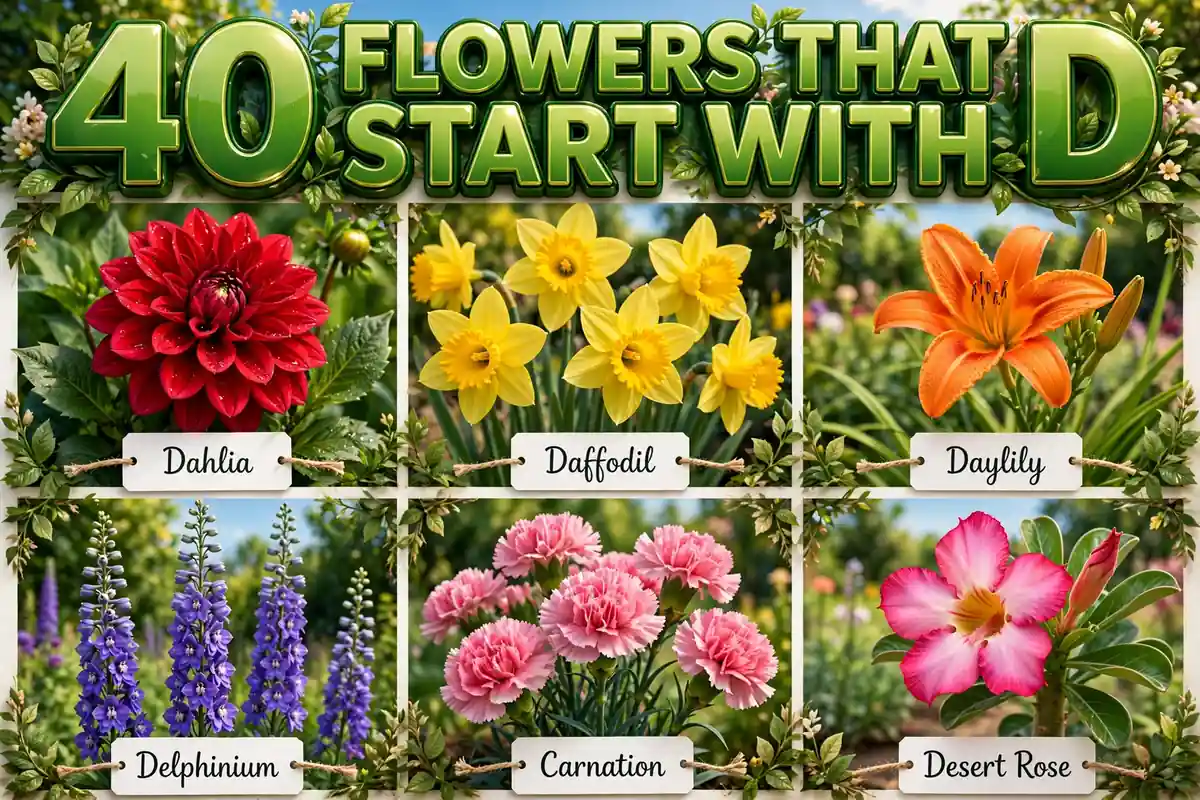
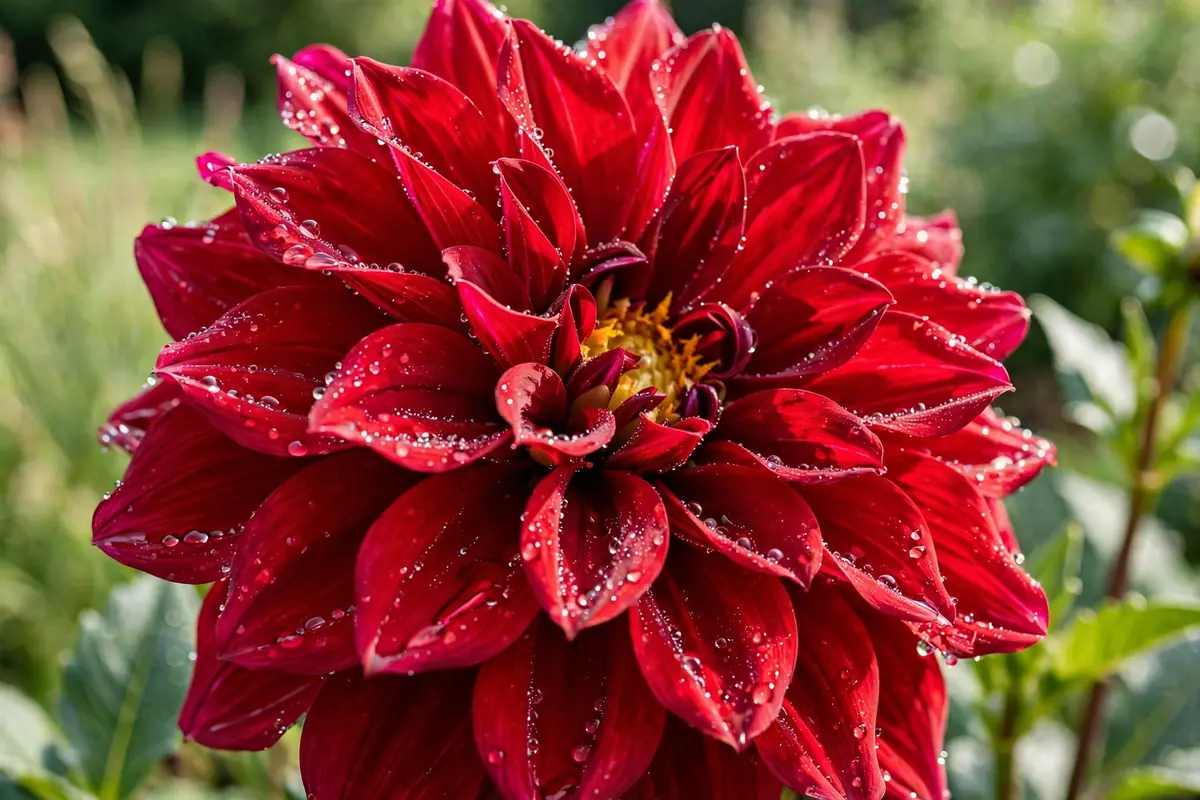
Searching for flower names that start with D? You have landed in the right spot. This guide now covers 55 flowers that start with D, from dahlias and daffodils to delphinium, dogwood and desert marigold, plus a strong group of desert flowers for dry gardens.
Every entry below lists the scientific name, bloom season, sun needs, and USDA hardiness zone.
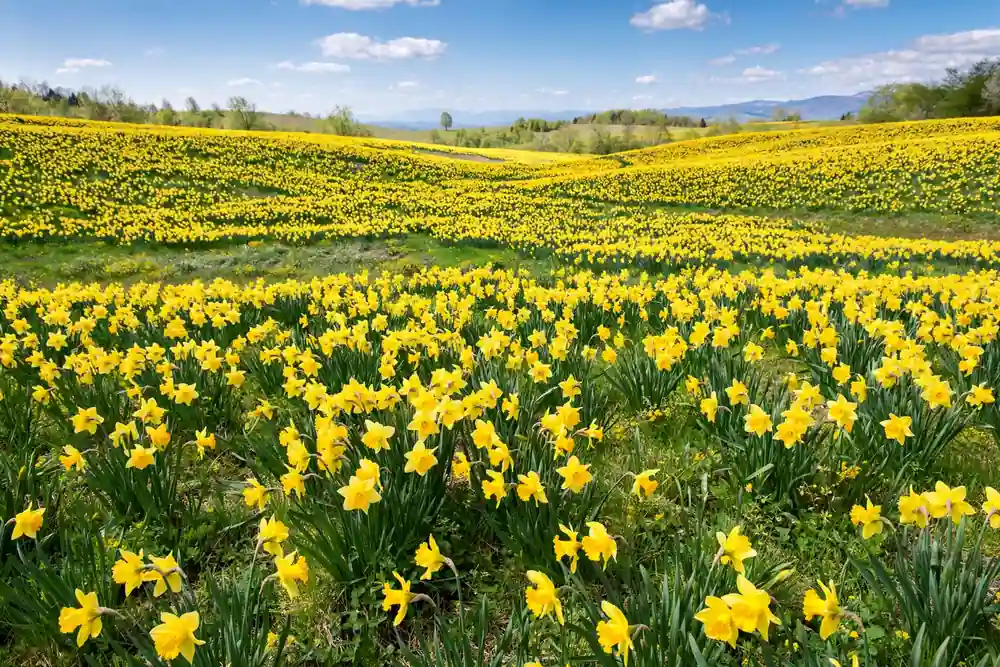
A note on this list: The bloom, sun and zone values below are published exactly as supplied in the approved expansion draft. They were not transcribed from the live 40-entry page and were not independently verified, so check the plant label for your exact cultivar. Carnation is kept on this D page as drafted, although it does not start with D. Nine of the 15 new entries (41-55) are desert species, as flagged in the draft itself, and the list is published as drafted without rebalancing.
Quick Answer
Yes – this page lists 55 flowers that start with D, from dahlia and daffodil to delphinium, dogwood and desert marigold. Use the at-a-glance table to filter by your USDA zone, sun and bloom season before you buy.
Table of Contents
- D-Flowers at a Glance
- 55 Flowers That Start With D: The Complete List
- D flowers by colour
- Best D flowers by season
- Indoor and container-friendly D flowers
- Beginner-friendly D flowers
- Rare and unusual D flowers
- D flowers with full guides
- Growing Tips for D-Flowers
- Which D-Flowers Will You Grow?
- Frequently Asked Questions
- References
D-Flowers at a Glance
Use this table to compare all 55 flowers that start with D side by side.
| # | Name | Scientific | Bloom | Sun | Zone | Best for |
|---|---|---|---|---|---|---|
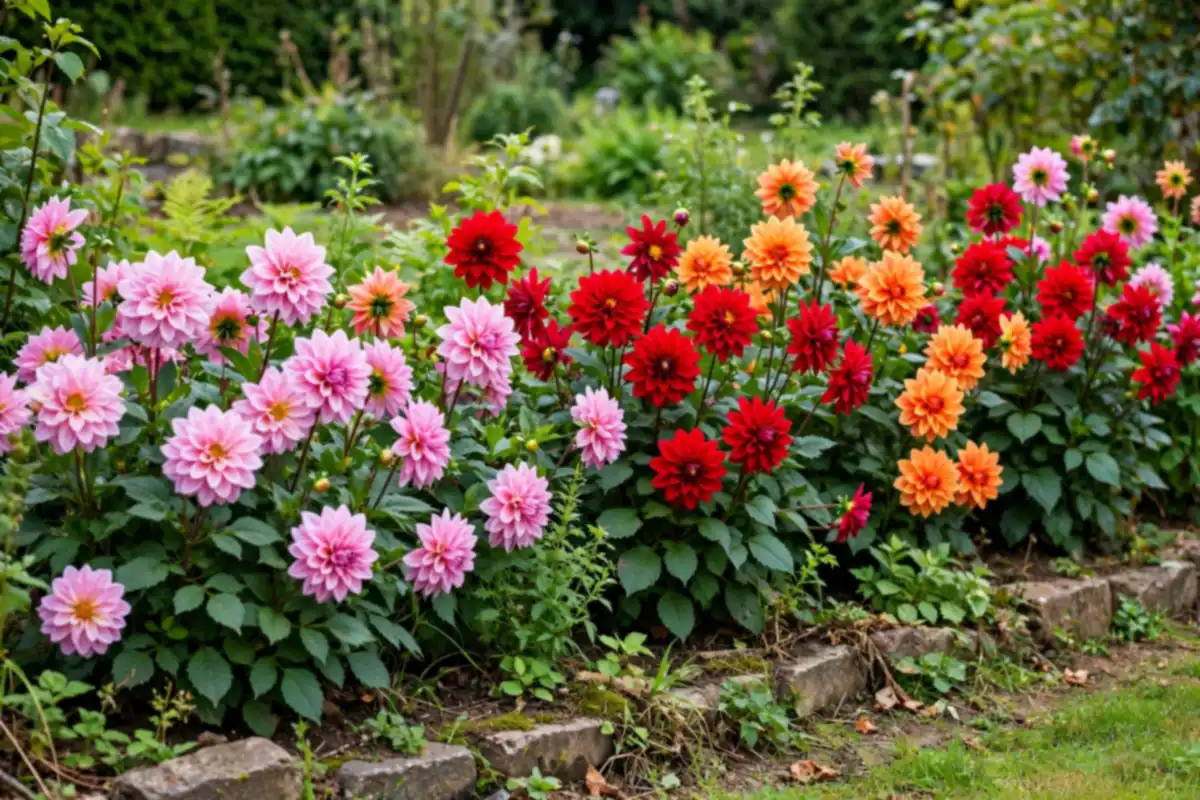
| 1 | Dahlia | Dahlia spp. | Summer to fall | Full sun | 8-11; annual elsewhere | Borders, cut flowers |
| 2 | Daylily | Hemerocallis spp. | Summer | Full sun to part shade | 3-9 | Borders, low maintenance |
| 3 | Daffodil | Narcissus spp. | Spring | Full sun to part shade | 3-8 | Spring bulbs, naturalising |
| 4 | Delphinium | Delphinium elatum | Summer | Full sun | 3-7 | Tall borders, cut flowers |
| 5 | English Daisy | Bellis perennis | Spring to early summer | Full sun to part shade | 4-8 | Lawns, edging, containers |
| 6 | Carnation | Dianthus caryophyllus | Spring to fall | Full sun | 6-9 | Cut flowers, bedding |
| 7 | Dendrobium Orchid | Dendrobium spp. | Winter to spring | Bright indirect light | Indoors; outdoors 10-11 | Houseplants, orchid collections |
| 8 | Dutchmans Breeches | Dicentra cucullaria | Spring | Part to full shade | 3-7 | Woodland gardens, spring ephemerals |
| 9 | Dutch Iris | Iris x hollandica | Spring | Full sun | 5-9 | Spring bulbs, cut flowers |
| 10 | Desert Rose | Adenium obesum | Spring to fall | Full sun | Indoors; outdoors 10-12 | Containers, succulent gardens |
| 11 | Flowering Dogwood | Cornus florida | Spring | Full sun to part shade | 5-9 | Flowering trees, spring colour |
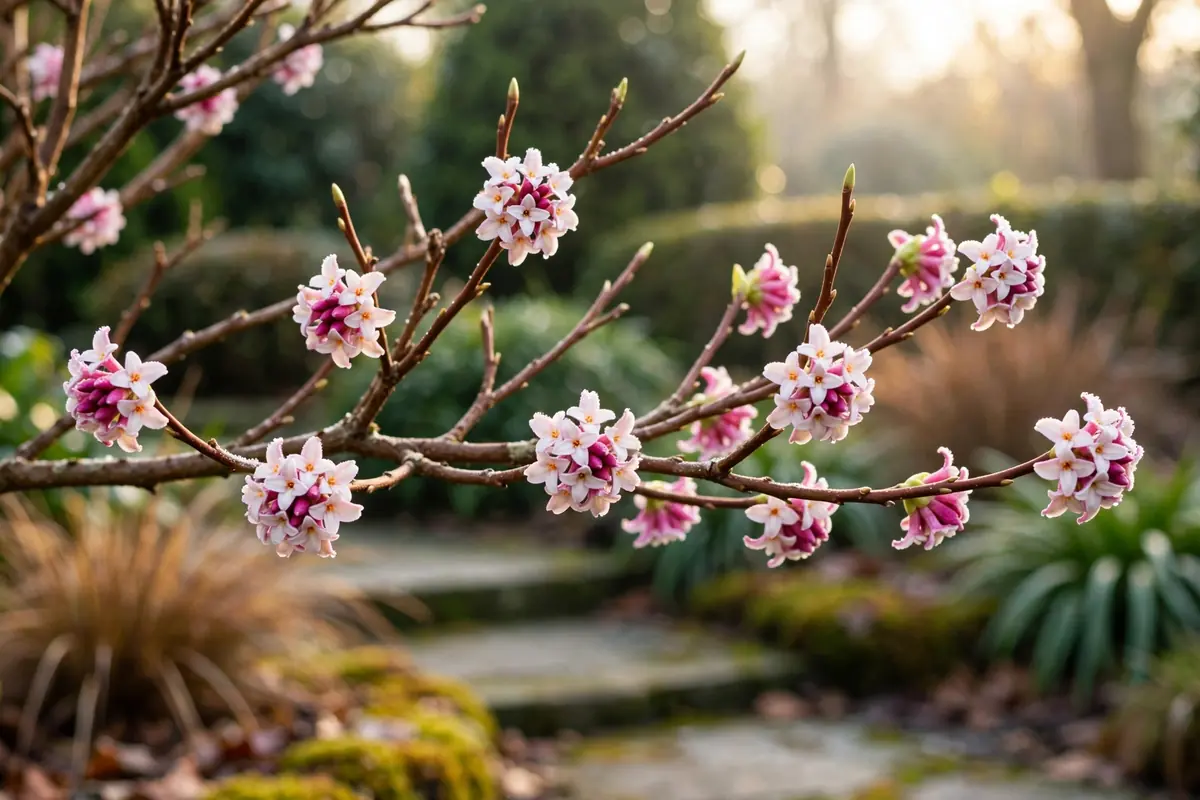
| 12 | Winter Daphne | Daphne odora | Late winter to spring | Part shade | 7-9 | Fragrant shrubs, winter colour |
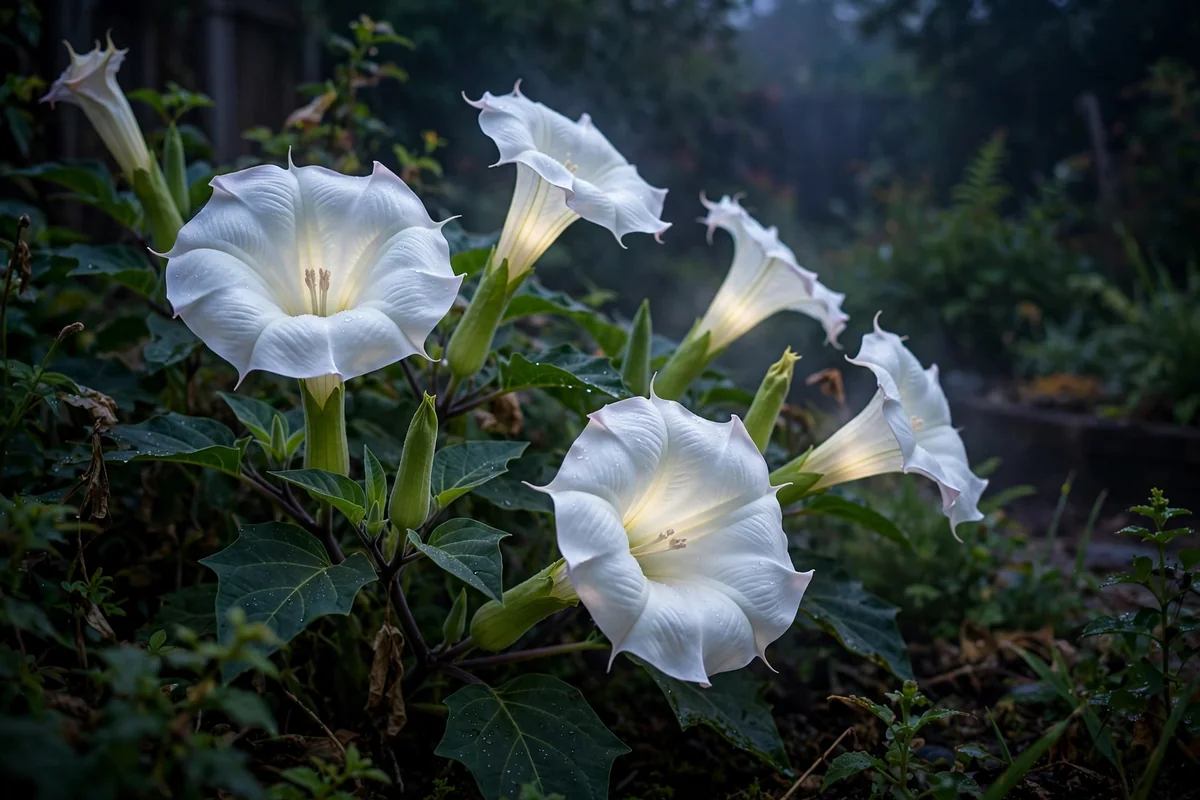
| 13 | Datura | Datura spp. | Summer to fall | Full sun | 9-11; annual elsewhere | Night gardens, large blooms |
| 14 | Sweet William | Dianthus barbatus | Late spring to early summer | Full sun | 3-9 | Cottage gardens, fragrant edging – see short cross-link in entry 14 to the S page |
| 15 | Dwarf Iris | Iris reticulata | Early spring | Full sun | 5-9 | Rock gardens, spring bulbs |
| 16 | Drumstick Allium | Allium sphaerocephalon | Summer | Full sun | 4-8 | Borders, pollinators, dried heads |
| 17 | Dahlberg Daisy | Thymophylla tenuiloba | Spring to fall | Full sun | 9-11; annual elsewhere | Edging, containers, groundcover |
| 18 | Desert Marigold | Baileya multiradiata | Spring to fall | Full sun | 8-10 | Dry borders, xeriscapes |
| 19 | Desert Bluebell | Phacelia campanularia | Spring | Full sun | Grown as annual | Dry borders, pollinators |
| 20 | Desert Willow | Chilopsis linearis | Summer to fall | Full sun | 7-10 | Small flowering trees, dry gardens |
| 21 | Desert Paintbrush | Castilleja spp. | Spring to summer | Full sun | 5-9 (by species) | Meadows, native gardens |
| 22 | Dogtooth Violet | Erythronium americanum | Spring | Part to full shade | 3-8 | Woodland gardens, spring ephemerals |
| 23 | Shooting Star | Primula meadia | Spring | Part shade | 4-8 | Woodland gardens, spring colour – see short cross-link in entry 23 to the S page |
| 24 | Dotted Blazing Star | Liatris punctata | Late summer to fall | Full sun | 3-9 | Meadows, pollinators, cut flowers |
| 25 | Drummonds Phlox | Phlox drummondii | Spring to summer | Full sun | Grown as annual | Bedding, cottage borders |
| 26 | Downy Phlox | Phlox pilosa | Spring to early summer | Full sun to part shade | 4-8 | Native borders, meadows |
| 27 | Dwarf Crested Iris | Iris cristata | Spring | Part shade | 3-8 | Woodland edge, groundcover |
| 28 | Dwarf Larkspur | Delphinium tricorne | Spring | Part shade | 4-8 | Woodland gardens, spring colour |
| 29 | Dames Rocket | Hesperis matronalis | Late spring to early summer | Full sun to part shade | 3-8 | Cottage borders, fragrant evenings |
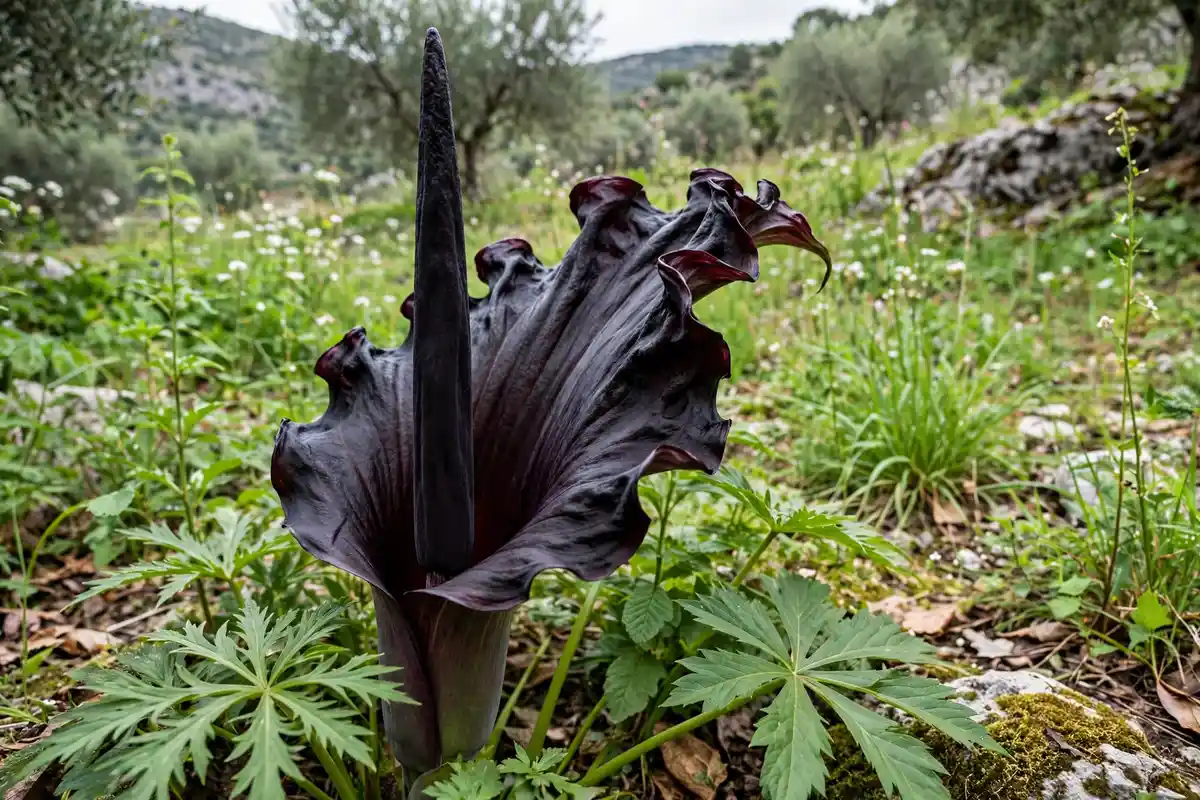
| 30 | Dragon Arum | Dracunculus vulgaris | Late spring to summer | Full sun to part shade | 6-10 | Exotic borders, dramatic foliage |
| 31 | Dutchmans Pipe | Aristolochia macrophylla | Late spring to summer | Part shade to full sun | 4-8 | Vines, shade walls, pipevine swallowtails |
| 32 | Dutch Hyacinth | Hyacinthus orientalis | Spring | Full sun to part shade | 4-8 | Spring bulbs, fragrance, containers |
| 33 | Dutch Crocus | Crocus vernus | Early spring | Full sun | 3-8 | Lawn edge, spring bulbs |
| 34 | Hardy Ice Plant | Delosperma cooperi | Summer to fall | Full sun | 5-9 | Groundcover, rock gardens, dry borders |
| 35 | Maiden Pink | Dianthus deltoides | Summer | Full sun | 3-8 | Groundcover, rock gardens, edging |
| 36 | Slender Deutzia | Deutzia gracilis | Spring | Full sun to part shade | 5-8 | Shrub borders, spring colour |
| 37 | Bush Honeysuckle | Diervilla lonicera | Summer | Full sun to part shade | 3-7 | Native shrubs, shade edges |
| 38 | Doublefile Viburnum | Viburnum plicatum f. tomentosum | Spring | Full sun to part shade | 5-8 | Shrub borders, layered form |
| 39 | Dwarf Fothergilla | Fothergilla gardenii | Spring | Full sun to part shade | 5-8 | Shrub borders, fall colour |
| 40 | Tree Dahlia | Dahlia imperialis | Fall | Full sun | 8-10 | Tall borders, dramatic fall blooms |
| 41 | Dusty Miller | Jacobaea maritima | Summer | Full sun | 8-10; annual elsewhere | Silver foliage, edging, containers |
| 42 | Desert Mallow | Sphaeralcea ambigua | Spring to fall | Full sun | 8-11 | Dry borders, pollinators, xeriscapes |
| 43 | Desert Zinnia | Zinnia acerosa | Spring to fall | Full sun | 8-11 | Dry borders, groundcover |
| 44 | Desert Sunflower | Geraea canescens | Spring | Full sun | 8-11 | Dry borders, wildflower meadows |
| 45 | Desert Evening Primrose | Oenothera caespitosa | Spring to summer | Full sun | 4-8 | Dry borders, evening colour, groundcover |
| 46 | Desert Lupine | Lupinus sparsiflorus | Spring | Full sun | 8-10 | Dry borders, wildflower meadows |
| 47 | Desert Poppy | Eschscholzia glyptosperma | Spring | Full sun | Grown as annual | Dry borders, wildflower meadows |
| 48 | Desert Sage | Salvia dorrii | Spring to summer | Full sun | 5-9 | Dry borders, pollinators, fragrance |
| 49 | Desert Sand Verbena | Abronia villosa | Spring to fall | Full sun | 8-11 | Dry borders, groundcover, sand gardens |
| 50 | Desert Star | Monoptilon bellioides | Spring | Full sun | 8-11 | Rock gardens, dry borders |
| 51 | Chinese Delphinium | Delphinium grandiflorum | Summer | Full sun | 3-7 | Borders, cut flowers, shorter delphiniums |
| 52 | Dwarf Coreopsis | Coreopsis auriculata | Spring to summer | Full sun | 4-9 | Edging, groundcover, pollinators |
| 53 | Dyers Chamomile | Anthemis tinctoria | Summer | Full sun | 3-7 | Dye gardens, borders, cut flowers |
| 54 | Dragonhead | Dracocephalum ruyschiana | Summer | Full sun | 4-8 | Rock gardens, borders, pollinators |
| 55 | Dierama | Dierama pulcherrimum | Summer | Full sun | 8-10 | Borders, arching stems, cut flowers |
55 Flowers That Start With D: The Complete List
Here they are – 55 flowers that start with D, each with growing notes so you can pick the right one for your garden. Grow in the sun and zone shown in the table; check the plant label for the exact cultivar, as ranges vary by type.
1. Dahlia (Dahlia spp.)
Grow in the sun and zone shown in the table; check the plant label for the exact cultivar, as ranges vary by type.
Bloom: Summer to fall | Sun: Full sun | Zone: 8-11; annual elsewhere | Best for: Borders, cut flowers
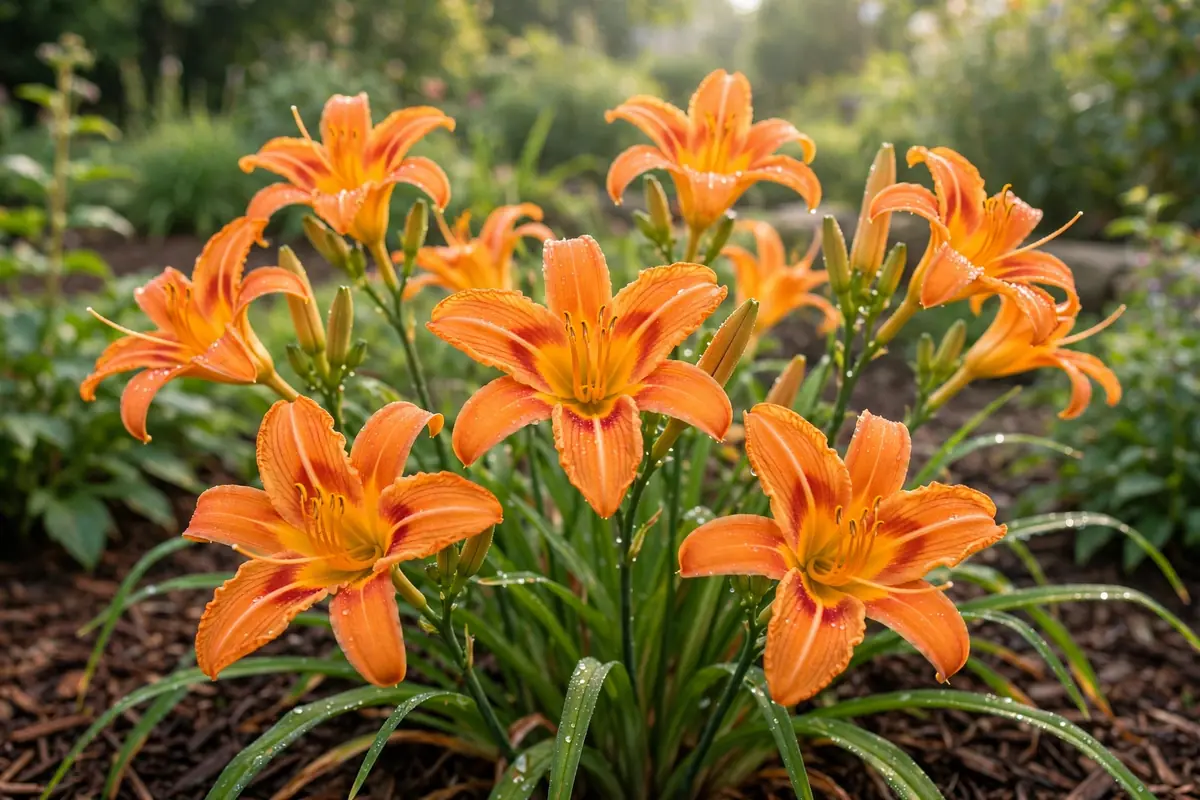
2. Daylily (Hemerocallis spp.)
Grow in the sun and zone shown in the table; check the plant label for the exact cultivar, as ranges vary by type.
Bloom: Summer | Sun: Full sun to part shade | Zone: 3-9 | Best for: Borders, low maintenance
3. Daffodil (Narcissus spp.)
Grow in the sun and zone shown in the table; check the plant label for the exact cultivar, as ranges vary by type.
Bloom: Spring | Sun: Full sun to part shade | Zone: 3-8 | Best for: Spring bulbs, naturalising
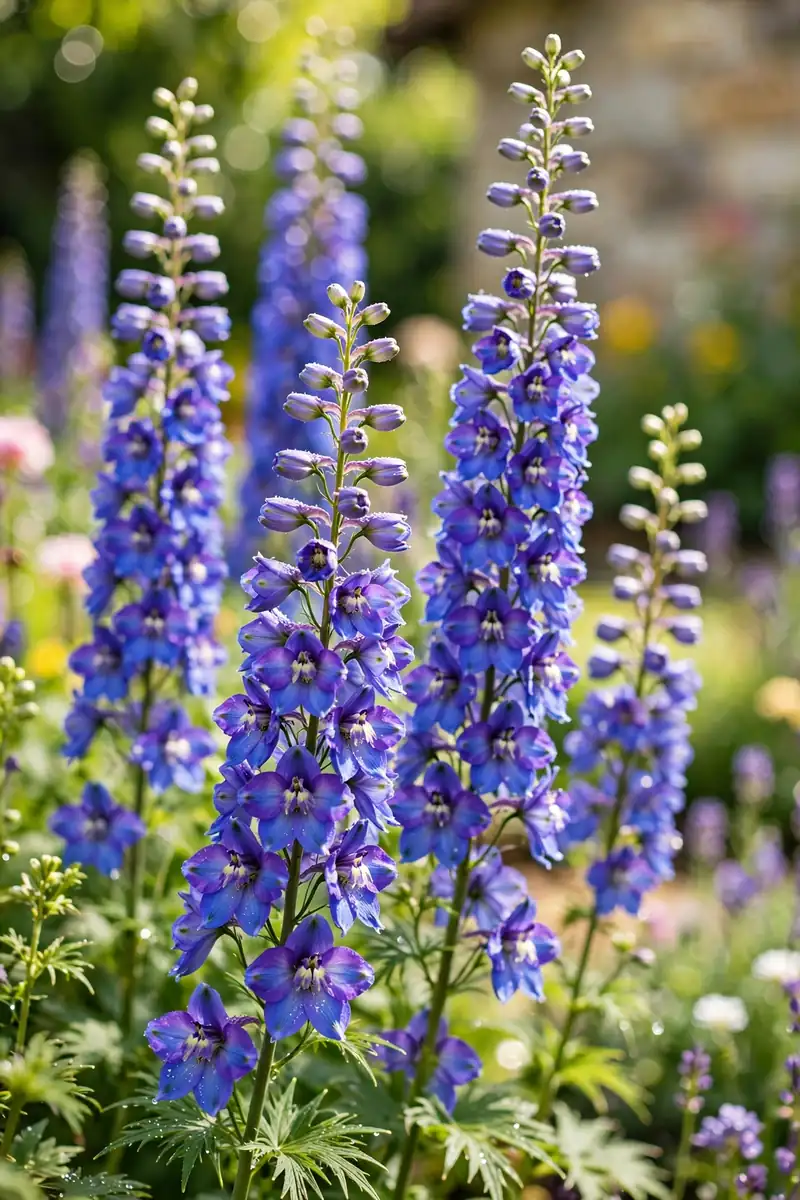
4. Delphinium (Delphinium elatum)
Grow in the sun and zone shown in the table; check the plant label for the exact cultivar, as ranges vary by type.
Bloom: Summer | Sun: Full sun | Zone: 3-7 | Best for: Tall borders, cut flowers
5. English Daisy (Bellis perennis)
Grow in the sun and zone shown in the table; check the plant label for the exact cultivar, as ranges vary by type.
Bloom: Spring to early summer | Sun: Full sun to part shade | Zone: 4-8 | Best for: Lawns, edging, containers
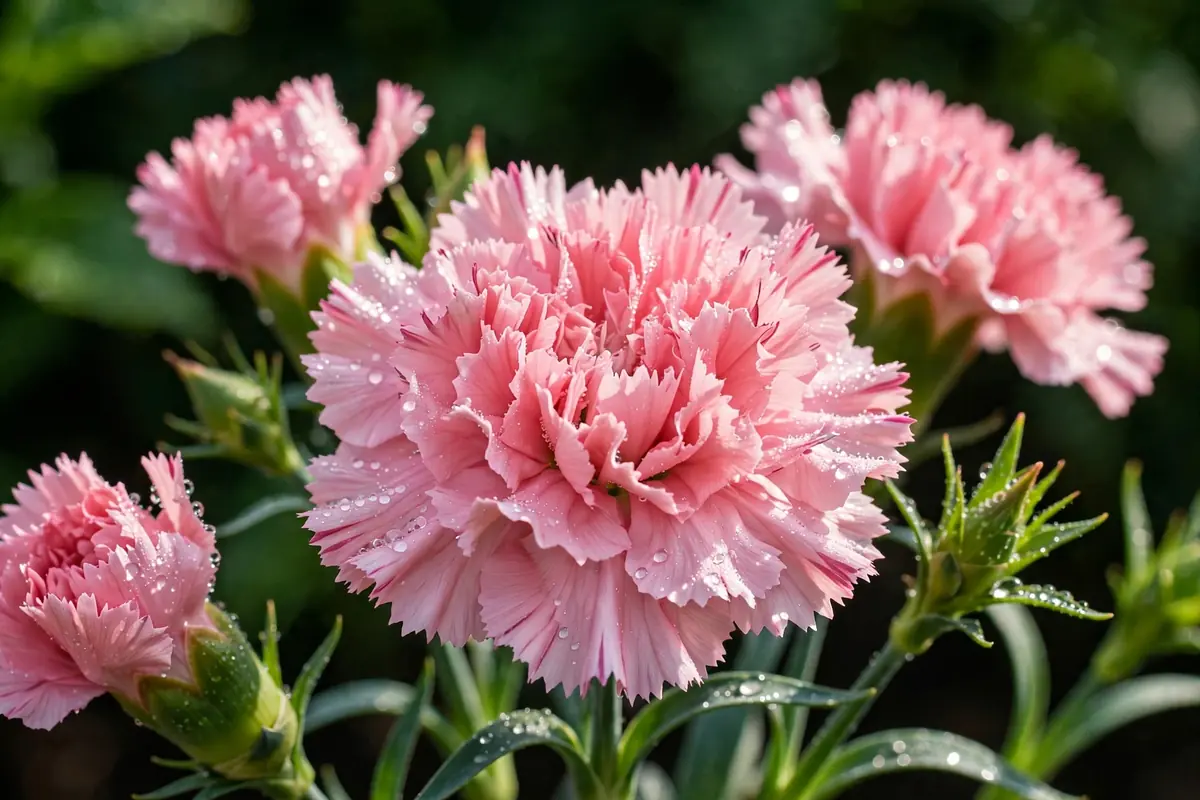
6. Carnation (Dianthus caryophyllus)
Grow in the sun and zone shown in the table; check the plant label for the exact cultivar, as ranges vary by type.
Bloom: Spring to fall | Sun: Full sun | Zone: 6-9 | Best for: Cut flowers, bedding
7. Dendrobium Orchid (Dendrobium spp.)
Grow in the sun and zone shown in the table; check the plant label for the exact cultivar, as ranges vary by type.
Bloom: Winter to spring | Sun: Bright indirect light | Zone: Indoors; outdoors 10-11 | Best for: Houseplants, orchid collections
8. Dutchmans Breeches (Dicentra cucullaria)
Grow in the sun and zone shown in the table; check the plant label for the exact cultivar, as ranges vary by type.
Bloom: Spring | Sun: Part to full shade | Zone: 3-7 | Best for: Woodland gardens, spring ephemerals
9. Dutch Iris (Iris x hollandica)
Grow in the sun and zone shown in the table; check the plant label for the exact cultivar, as ranges vary by type.
Bloom: Spring | Sun: Full sun | Zone: 5-9 | Best for: Spring bulbs, cut flowers
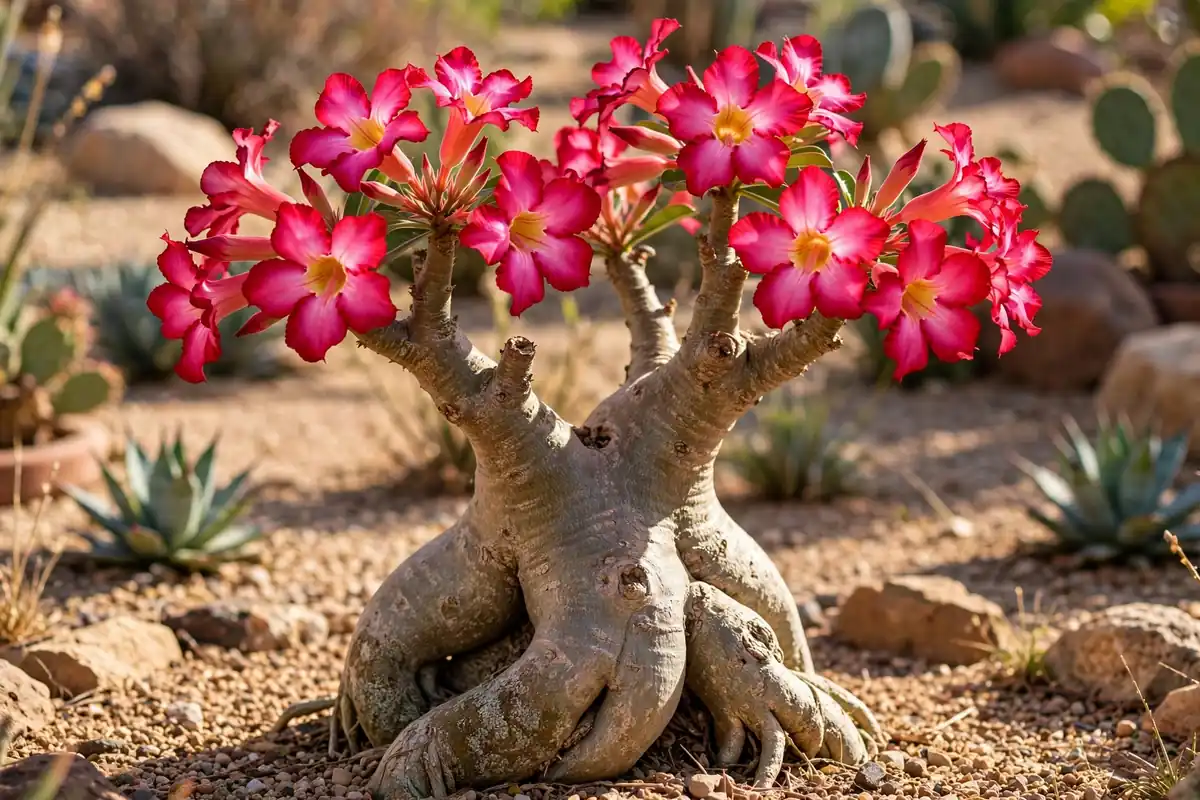
10. Desert Rose (Adenium obesum)
Grow in the sun and zone shown in the table; check the plant label for the exact cultivar, as ranges vary by type.
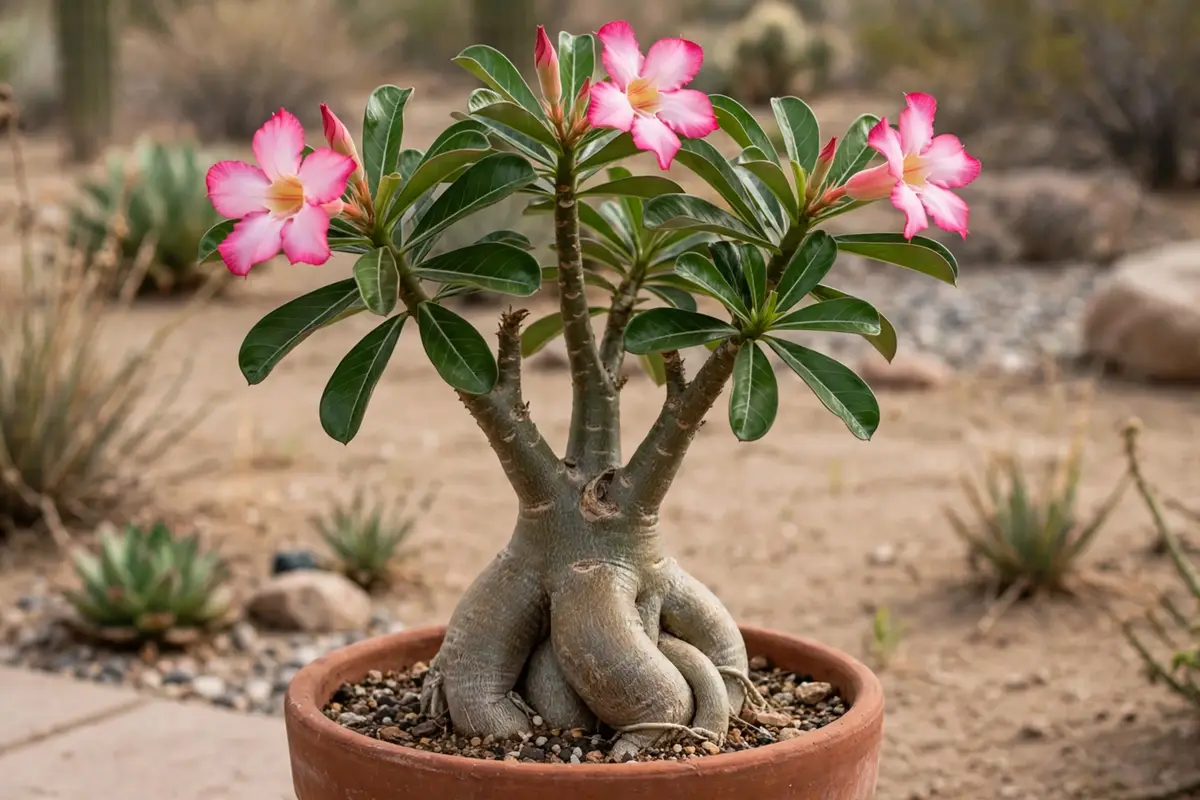
Bloom: Spring to fall | Sun: Full sun | Zone: Indoors; outdoors 10-12 | Best for: Containers, succulent gardens
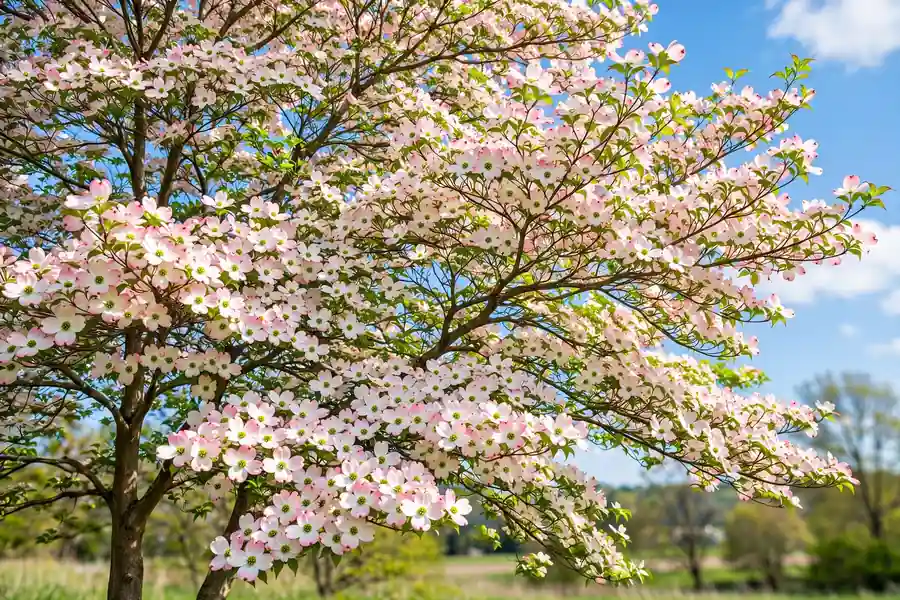
11. Flowering Dogwood (Cornus florida)
Grow in the sun and zone shown in the table; check the plant label for the exact cultivar, as ranges vary by type.
Bloom: Spring | Sun: Full sun to part shade | Zone: 5-9 | Best for: Flowering trees, spring colour
12. Winter Daphne (Daphne odora)
Grow in the sun and zone shown in the table; check the plant label for the exact cultivar, as ranges vary by type.
Bloom: Late winter to spring | Sun: Part shade | Zone: 7-9 | Best for: Fragrant shrubs, winter colour
13. Datura (Datura spp.)
Grow in the sun and zone shown in the table; check the plant label for the exact cultivar, as ranges vary by type.
Bloom: Summer to fall | Sun: Full sun | Zone: 9-11; annual elsewhere | Best for: Night gardens, large blooms
14. Sweet William (Dianthus barbatus) – short cross-link
Short cross-link: Sweet William also appears on Flowers That Start With S, so this is a short entry, not a silent full duplicate. See that page for the full Sweet William entry.
Grow in the sun and zone shown in the table; check the plant label for the exact cultivar, as ranges vary by type.
Bloom: Late spring to early summer | Sun: Full sun | Zone: 3-9 | Best for: Cottage gardens, fragrant edging
15. Dwarf Iris (Iris reticulata)
Grow in the sun and zone shown in the table; check the plant label for the exact cultivar, as ranges vary by type.
Bloom: Early spring | Sun: Full sun | Zone: 5-9 | Best for: Rock gardens, spring bulbs
16. Drumstick Allium (Allium sphaerocephalon)
Grow in the sun and zone shown in the table; check the plant label for the exact cultivar, as ranges vary by type.
Bloom: Summer | Sun: Full sun | Zone: 4-8 | Best for: Borders, pollinators, dried heads
17. Dahlberg Daisy (Thymophylla tenuiloba)
Grow in the sun and zone shown in the table; check the plant label for the exact cultivar, as ranges vary by type.
Bloom: Spring to fall | Sun: Full sun | Zone: 9-11; annual elsewhere | Best for: Edging, containers, groundcover
18. Desert Marigold (Baileya multiradiata)
Grow in the sun and zone shown in the table; check the plant label for the exact cultivar, as ranges vary by type.
Bloom: Spring to fall | Sun: Full sun | Zone: 8-10 | Best for: Dry borders, xeriscapes
19. Desert Bluebell (Phacelia campanularia)
Grow in the sun and zone shown in the table; check the plant label for the exact cultivar, as ranges vary by type.
Bloom: Spring | Sun: Full sun | Zone: Grown as annual | Best for: Dry borders, pollinators
20. Desert Willow (Chilopsis linearis)
Grow in the sun and zone shown in the table; check the plant label for the exact cultivar, as ranges vary by type.
Bloom: Summer to fall | Sun: Full sun | Zone: 7-10 | Best for: Small flowering trees, dry gardens
21. Desert Paintbrush (Castilleja spp.)
Grow in the sun and zone shown in the table; check the plant label for the exact cultivar, as ranges vary by type.
Bloom: Spring to summer | Sun: Full sun | Zone: 5-9 (by species) | Best for: Meadows, native gardens
22. Dogtooth Violet (Erythronium americanum)
Grow in the sun and zone shown in the table; check the plant label for the exact cultivar, as ranges vary by type.
Bloom: Spring | Sun: Part to full shade | Zone: 3-8 | Best for: Woodland gardens, spring ephemerals
23. Shooting Star (Primula meadia) – short cross-link
Short cross-link: Shooting Star also appears on Flowers That Start With S, so this is a short entry, not a silent full duplicate. See that page for the full Shooting Star entry.
Grow in the sun and zone shown in the table; check the plant label for the exact cultivar, as ranges vary by type.
Bloom: Spring | Sun: Part shade | Zone: 4-8 | Best for: Woodland gardens, spring colour
24. Dotted Blazing Star (Liatris punctata)
Grow in the sun and zone shown in the table; check the plant label for the exact cultivar, as ranges vary by type.
Bloom: Late summer to fall | Sun: Full sun | Zone: 3-9 | Best for: Meadows, pollinators, cut flowers
25. Drummonds Phlox (Phlox drummondii)
Grow in the sun and zone shown in the table; check the plant label for the exact cultivar, as ranges vary by type.
Bloom: Spring to summer | Sun: Full sun | Zone: Grown as annual | Best for: Bedding, cottage borders
26. Downy Phlox (Phlox pilosa)
Grow in the sun and zone shown in the table; check the plant label for the exact cultivar, as ranges vary by type.
Bloom: Spring to early summer | Sun: Full sun to part shade | Zone: 4-8 | Best for: Native borders, meadows
27. Dwarf Crested Iris (Iris cristata)
Grow in the sun and zone shown in the table; check the plant label for the exact cultivar, as ranges vary by type.
Bloom: Spring | Sun: Part shade | Zone: 3-8 | Best for: Woodland edge, groundcover
28. Dwarf Larkspur (Delphinium tricorne)
Grow in the sun and zone shown in the table; check the plant label for the exact cultivar, as ranges vary by type.
Bloom: Spring | Sun: Part shade | Zone: 4-8 | Best for: Woodland gardens, spring colour
29. Dames Rocket (Hesperis matronalis)
Grow in the sun and zone shown in the table; check the plant label for the exact cultivar, as ranges vary by type.
Bloom: Late spring to early summer | Sun: Full sun to part shade | Zone: 3-8 | Best for: Cottage borders, fragrant evenings
30. Dragon Arum (Dracunculus vulgaris)
Grow in the sun and zone shown in the table; check the plant label for the exact cultivar, as ranges vary by type.
Bloom: Late spring to summer | Sun: Full sun to part shade | Zone: 6-10 | Best for: Exotic borders, dramatic foliage
31. Dutchmans Pipe (Aristolochia macrophylla)
Grow in the sun and zone shown in the table; check the plant label for the exact cultivar, as ranges vary by type.
Bloom: Late spring to summer | Sun: Part shade to full sun | Zone: 4-8 | Best for: Vines, shade walls, pipevine swallowtails
32. Dutch Hyacinth (Hyacinthus orientalis)
Grow in the sun and zone shown in the table; check the plant label for the exact cultivar, as ranges vary by type.
Bloom: Spring | Sun: Full sun to part shade | Zone: 4-8 | Best for: Spring bulbs, fragrance, containers
33. Dutch Crocus (Crocus vernus)
Grow in the sun and zone shown in the table; check the plant label for the exact cultivar, as ranges vary by type.
Bloom: Early spring | Sun: Full sun | Zone: 3-8 | Best for: Lawn edge, spring bulbs
34. Hardy Ice Plant (Delosperma cooperi)
Grow in the sun and zone shown in the table; check the plant label for the exact cultivar, as ranges vary by type.
Bloom: Summer to fall | Sun: Full sun | Zone: 5-9 | Best for: Groundcover, rock gardens, dry borders
35. Maiden Pink (Dianthus deltoides)
Grow in the sun and zone shown in the table; check the plant label for the exact cultivar, as ranges vary by type.
Bloom: Summer | Sun: Full sun | Zone: 3-8 | Best for: Groundcover, rock gardens, edging
36. Slender Deutzia (Deutzia gracilis)
Grow in the sun and zone shown in the table; check the plant label for the exact cultivar, as ranges vary by type.
Bloom: Spring | Sun: Full sun to part shade | Zone: 5-8 | Best for: Shrub borders, spring colour
37. Bush Honeysuckle (Diervilla lonicera)
Grow in the sun and zone shown in the table; check the plant label for the exact cultivar, as ranges vary by type.
Bloom: Summer | Sun: Full sun to part shade | Zone: 3-7 | Best for: Native shrubs, shade edges
38. Doublefile Viburnum (Viburnum plicatum f. tomentosum)
Grow in the sun and zone shown in the table; check the plant label for the exact cultivar, as ranges vary by type.
Bloom: Spring | Sun: Full sun to part shade | Zone: 5-8 | Best for: Shrub borders, layered form
39. Dwarf Fothergilla (Fothergilla gardenii)
Grow in the sun and zone shown in the table; check the plant label for the exact cultivar, as ranges vary by type.
Bloom: Spring | Sun: Full sun to part shade | Zone: 5-8 | Best for: Shrub borders, fall colour
40. Tree Dahlia (Dahlia imperialis)
Grow in the sun and zone shown in the table; check the plant label for the exact cultivar, as ranges vary by type.
Bloom: Fall | Sun: Full sun | Zone: 8-10 | Best for: Tall borders, dramatic fall blooms
New entries 41-55 below are published as drafted. Nine of them are desert species: Desert Mallow, Desert Zinnia, Desert Sunflower, Desert Evening Primrose, Desert Lupine, Desert Poppy, Desert Sage, Desert Sand Verbena and Desert Star. Desert Poppy (Eschscholzia glyptosperma) is a different species from the C page California Poppy; Desert Sage (Salvia dorrii) differs from the S page Scarlet Sage; Dwarf Coreopsis differs from the C page Coreopsis grandiflora and the Plants T Tickseed.
41. Dusty Miller (Jacobaea maritima)
Grow in the sun and zone shown in the table; check the plant label for the exact cultivar, as ranges vary by type.
Bloom: Summer | Sun: Full sun | Zone: 8-10; annual elsewhere | Best for: Silver foliage, edging, containers
42. Desert Mallow (Sphaeralcea ambigua)
Grow in the sun and zone shown in the table; check the plant label for the exact cultivar, as ranges vary by type.
Bloom: Spring to fall | Sun: Full sun | Zone: 8-11 | Best for: Dry borders, pollinators, xeriscapes
43. Desert Zinnia (Zinnia acerosa)
Grow in the sun and zone shown in the table; check the plant label for the exact cultivar, as ranges vary by type.
Bloom: Spring to fall | Sun: Full sun | Zone: 8-11 | Best for: Dry borders, groundcover
44. Desert Sunflower (Geraea canescens)
Grow in the sun and zone shown in the table; check the plant label for the exact cultivar, as ranges vary by type.
Bloom: Spring | Sun: Full sun | Zone: 8-11 | Best for: Dry borders, wildflower meadows
45. Desert Evening Primrose (Oenothera caespitosa)
Grow in the sun and zone shown in the table; check the plant label for the exact cultivar, as ranges vary by type.
Bloom: Spring to summer | Sun: Full sun | Zone: 4-8 | Best for: Dry borders, evening colour, groundcover
46. Desert Lupine (Lupinus sparsiflorus)
Grow in the sun and zone shown in the table; check the plant label for the exact cultivar, as ranges vary by type.
Bloom: Spring | Sun: Full sun | Zone: 8-10 | Best for: Dry borders, wildflower meadows
47. Desert Poppy (Eschscholzia glyptosperma)
Grow in the sun and zone shown in the table; check the plant label for the exact cultivar, as ranges vary by type.
Bloom: Spring | Sun: Full sun | Zone: Grown as annual | Best for: Dry borders, wildflower meadows
48. Desert Sage (Salvia dorrii)
Grow in the sun and zone shown in the table; check the plant label for the exact cultivar, as ranges vary by type.
Bloom: Spring to summer | Sun: Full sun | Zone: 5-9 | Best for: Dry borders, pollinators, fragrance
49. Desert Sand Verbena (Abronia villosa)
Grow in the sun and zone shown in the table; check the plant label for the exact cultivar, as ranges vary by type.
Bloom: Spring to fall | Sun: Full sun | Zone: 8-11 | Best for: Dry borders, groundcover, sand gardens
50. Desert Star (Monoptilon bellioides)
Grow in the sun and zone shown in the table; check the plant label for the exact cultivar, as ranges vary by type.
Bloom: Spring | Sun: Full sun | Zone: 8-11 | Best for: Rock gardens, dry borders
51. Chinese Delphinium (Delphinium grandiflorum)
Grow in the sun and zone shown in the table; check the plant label for the exact cultivar, as ranges vary by type.
Bloom: Summer | Sun: Full sun | Zone: 3-7 | Best for: Borders, cut flowers, shorter delphiniums
52. Dwarf Coreopsis (Coreopsis auriculata)
Grow in the sun and zone shown in the table; check the plant label for the exact cultivar, as ranges vary by type.
Bloom: Spring to summer | Sun: Full sun | Zone: 4-9 | Best for: Edging, groundcover, pollinators
53. Dyers Chamomile (Anthemis tinctoria)
Grow in the sun and zone shown in the table; check the plant label for the exact cultivar, as ranges vary by type.
Bloom: Summer | Sun: Full sun | Zone: 3-7 | Best for: Dye gardens, borders, cut flowers
54. Dragonhead (Dracocephalum ruyschiana)
Grow in the sun and zone shown in the table; check the plant label for the exact cultivar, as ranges vary by type.
Bloom: Summer | Sun: Full sun | Zone: 4-8 | Best for: Rock gardens, borders, pollinators
55. Dierama (Dierama pulcherrimum)
Grow in the sun and zone shown in the table; check the plant label for the exact cultivar, as ranges vary by type.
Bloom: Summer | Sun: Full sun | Zone: 8-10 | Best for: Borders, arching stems, cut flowers
D flowers by colour
Planning a colour scheme? Here are the 55 D flowers above, grouped by their main flower colour. Several appear in more than one group — dahlias, carnations and delphiniums come in many colours — so check the numbered entry and the plant label for the exact cultivar.
| Colour | D flowers to try |
|---|---|
| Pink and red | Dahlia, Carnation, Dames Rocket, Desert Mallow, Desert Sand Verbena, Dierama, Tree Dahlia |
| Purple and blue | Delphinium, Desert Bluebell, Desert Sage, Desert Lupine, Dotted Blazing Star, Drumstick Allium, Dwarf Larkspur |
| White | English Daisy, Flowering Dogwood, Winter Daphne, Dutchmans Breeches, Desert Evening Primrose, Desert Star |
| Yellow and orange | Daffodil, Desert Marigold, Desert Sunflower, Desert Poppy, Dahlberg Daisy, Dyers Chamomile, Desert Zinnia |
Best D flowers by season
A good D border never has an empty month. These are the strongest picks from the list for each season, taken from the bloom column of the at-a-glance table — combine two or three per season and something is always in flower.
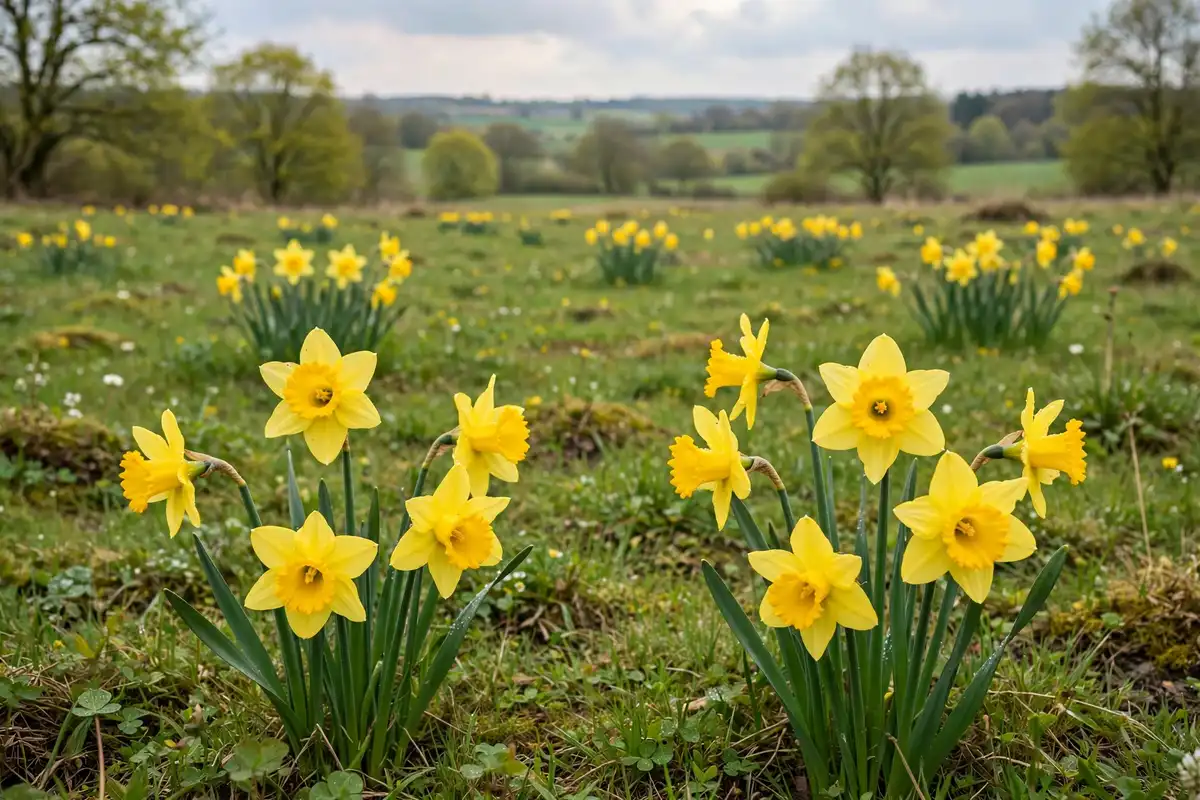
Spring: Daffodil is the season’s headline, with Dutch Iris, Dutch Crocus, Dwarf Iris, Flowering Dogwood, Winter Daphne and English Daisy — and the desert group (Desert Marigold, Desert Bluebell, Desert Poppy, Desert Lupine) opens early too. Summer: the long-season workers take over — Dahlia, Daylily, Delphinium, Drumstick Allium, Dwarf Coreopsis and Dragonhead. Fall: Dahlia and Tree Dahlia carry the season, joined by Dotted Blazing Star, Desert Rose, Hardy Ice Plant and Desert Marigold. Winter: Dendrobium Orchid flowers indoors through winter into spring, with Winter Daphne opening in late winter.
Indoor and container-friendly D flowers
No garden required: several D flowers are natural houseplants or container naturals. Dendrobium Orchid is the true houseplant of the list — bright indirect light indoors, outdoors only in zones 10–11. Desert Rose is a succulent-tree container plant, and Dahlia, English Daisy, Dahlberg Daisy and Dusty Miller all do well in containers with drainage holes and regular watering, as the FAQ confirms. Dutch Hyacinth is a classic pot bulb for spring fragrance, and Chinese Delphinium — the shorter delphinium — suits smaller borders and containers where tall delphinium would flop.
Beginner-friendly D flowers
New to gardening? Start with the page’s own easiest picks, named in the FAQ: Daffodil, Daylily, Dahlia, Dwarf Iris and Dutch Crocus — plant the bulbs or tubers at the right depth, give them sun, and they largely look after themselves. In dry, poor soil, the desert group earns its place: Desert Marigold, Desert Bluebell, Desert Willow, Hardy Ice Plant, Maiden Pink and Dusty Miller all tolerate dry soil once established, provided drainage is good — they still need water while getting established, as the FAQ warns. Daylily is the low-maintenance perennial of the list (zones 3–9), and English Daisy will even grow in a lawn.
Rare and unusual D flowers
Beyond the classics, the D list hides some genuine curiosities. Dragon Arum is the dramatic one — huge, dark, exotic blooms in late spring, but it can irritate skin, so handle it with care. Desert Rose is a swollen-stemmed succulent tree that flowers for months. Dierama — angel’s fishing rod — hangs its pink bells from arching stems. Dutchmans Pipe is a vine for shade walls and the host plant of pipevine swallowtails. Desert Willow is a small flowering tree for dry gardens, and Tree Dahlia grows tall enough to be a fall feature plant. And the one to respect: Datura opens large night-scented blooms, but it is toxic if eaten — keep it away from play areas, children and pets, as the FAQ says.
D flowers with full guides on HomeYorva
Several flowers in this list have their own complete growing and care guides elsewhere on HomeYorva. If one of these is your flower, start there:
- Dahlia Flower guide — meaning, types and how to grow dahlias
- Delphinium Flower guide — tall delphinium and Chinese delphinium, and how they differ
- Datura guide — types, meaning and how to grow it, including the toxicity facts
- Larkspur Flower guide — the wider larkspur family, including Dwarf Larkspur’s relatives
- Hyacinth Flower guide — growing and forcing bulbs, including Dutch Hyacinth
- Crocus Flower guide — bulbs, planting and spring displays, including Dutch Crocus
- Coreopsis guide — the tickseed flowers, including Dwarf Coreopsis
- March Birth Flower — daffodil is the March birth flower
- Fragrant Flowers — Winter Daphne and Dames Rocket are among the scented D flowers
- Blue Flowers — the full colour guide for blue and purple blooms, including delphinium and Desert Bluebell
Browse the rest of the letter: Flowers That Start With C · Flowers That Start With P · or see all 26 letters in the Flower Names A–Z hub.
Growing Tips for D-Flowers
- Match zone first. Start with the zone column in the at-a-glance table, then filter by sun and bloom season.
- Give full-sun plants real sun. Shade is a common reason sun-lovers bloom poorly.
- Improve drainage for desert, rock-garden and dry-border plants; give moist-border plants consistent water.
- Deadhead repeat-flowering annuals and perennials unless you want seed for birds or self-sowing.
- Check local invasiveness before planting vigorous spreaders, especially near wetlands.
Explore More Flowers
Plants That Start With T was checked at publish time and was not live, so it is omitted rather than linked to a 404 page.
Which D-Flowers Will You Grow?
From the spring trumpets of daffodils to the fall fireworks of dahlias, flowers that start with D span spring bulbs, summer perennials, native wildflowers, desert plants and tropical houseplants. Pick first by zone, then by sun, then by bloom season.
Frequently Asked Questions
How many flowers that start with D are on this page?
This draft lists 55 flowers that start with D, each with a scientific name, bloom season, sun needs and hardiness zone, so you can filter by what will actually grow in your garden.
What is the easiest D flower for beginners?
Daffodil, daylily, dahlia, dwarf iris and Dutch crocus are among the easiest: plant the bulbs or tubers at the right depth, give them sun, and they largely look after themselves.
Why is this new list so desert-heavy?
Nine of the 15 new entries are desert species, because D offers fewer familiar garden flowers once the live 40 are kept. That concentration is flagged in the draft itself. The approved draft said not to apply the Scarlet Dahlia or Disa orchid swap options, so the list is published as drafted.
Which D flowers are best for shade?
Dutchmans breeches, dogtooth violet, dwarf crested iris, dwarf larkspur and winter daphne are shade-leaning choices. Give them part to full shade and soil that does not dry out completely.
Which D flowers attract pollinators?
Daylily, drumstick allium, dotted blazing star, desert mallow, desert sage and dragonhead are strong pollinator plants.
Are any D flowers toxic?
Yes – datura is toxic if eaten, daffodil bulbs are toxic, and dragon arum can irritate skin. Keep toxic plants away from play areas, children and pets, and check each cultivar before planting.
What D flowers bloom in fall?
Dahlia, tree dahlia, desert rose, hardy ice plant and desert marigold extend colour into fall.
Can I grow D flowers in containers?
Many of them, yes: dahlia, English daisy, Dahlberg daisy, dusty miller and desert rose all do well in containers with drainage holes and regular watering.
What is the difference between delphinium and Chinese delphinium?
They are related but different plants: tall delphinium (Delphinium elatum) is a tall border perennial, while Chinese delphinium (Delphinium grandiflorum) is a shorter, more compact species suited to smaller borders and containers.
Can D flowers grow in dry soil?
Desert marigold, desert bluebell, desert willow, hardy ice plant, maiden pink and dusty miller tolerate dry soil once established, provided drainage is good. They still need water while getting established.
Why do Sweet William and Shooting Star also appear on the S page?
Those names are already on the live Flowers S page as well as the live Flowers D page – a pre-existing cross-letter duplication on the site. At publish, trim one copy or cross-link them rather than silently duplicating the same entry on two letter pages. This page uses short cross-links for both entries above.
How do I choose a D flower for my zone?
Start with the zone column in the at-a-glance table, then filter by sun and bloom season. If your exact cultivar differs from the species range given here, follow the plant label for that cultivar.
References
- Missouri Botanical Garden – Plant Finder
- Royal Horticultural Society – Plant Database
- USDA PLANTS Database
- The Old Farmers Almanac – Gardening Guides
- Lady Bird Johnson Wildflower Center – Native Plants
- Wikipedia – species articles for the scientific names used
Per-entry Wikipedia, Quora and Reddit links were not added as filler: no verified on-topic Quora or Reddit thread was supplied, and individual species links were not added where they could not be verified without risking broken links.

5 Comments