Delilah Flower: Meaning, Types and How to Grow It
Some flowers are species. The Delilah flower is a name — one of the most storied names a flower can carry. Gardeners meet it most often on a dahlia: rich, dramatic blooms sold as Dahlia ‘Delilah’, wearing a name that comes from the Bible’s most famous femme fatale and means, in the original Hebrew, “delicate”. A sultry name on a showgirl flower — the pairing is no accident.
This guide explains honestly what the Delilah flower is (and is not), the flowers that carry the name, the Samson story behind it, what Delilah means as a flower gift, and how to grow the dahlia that made the name famous in gardens.
Quick Answer
The Delilah flower is not a separate species — it is a cultivar name, borne most famously by Dahlia ‘Delilah’, a decorative dahlia sold for its large, richly coloured blooms, and also found on tulips and daylilies in nursery lists. The name comes from Delilah of the Book of Judges, the woman who undid Samson; in Hebrew it means “delicate” (and echoes layla, “night”). As a flower name it has come to mean allure, mystery and irresistible beauty — a bouquet with a warning label, given with a wink.
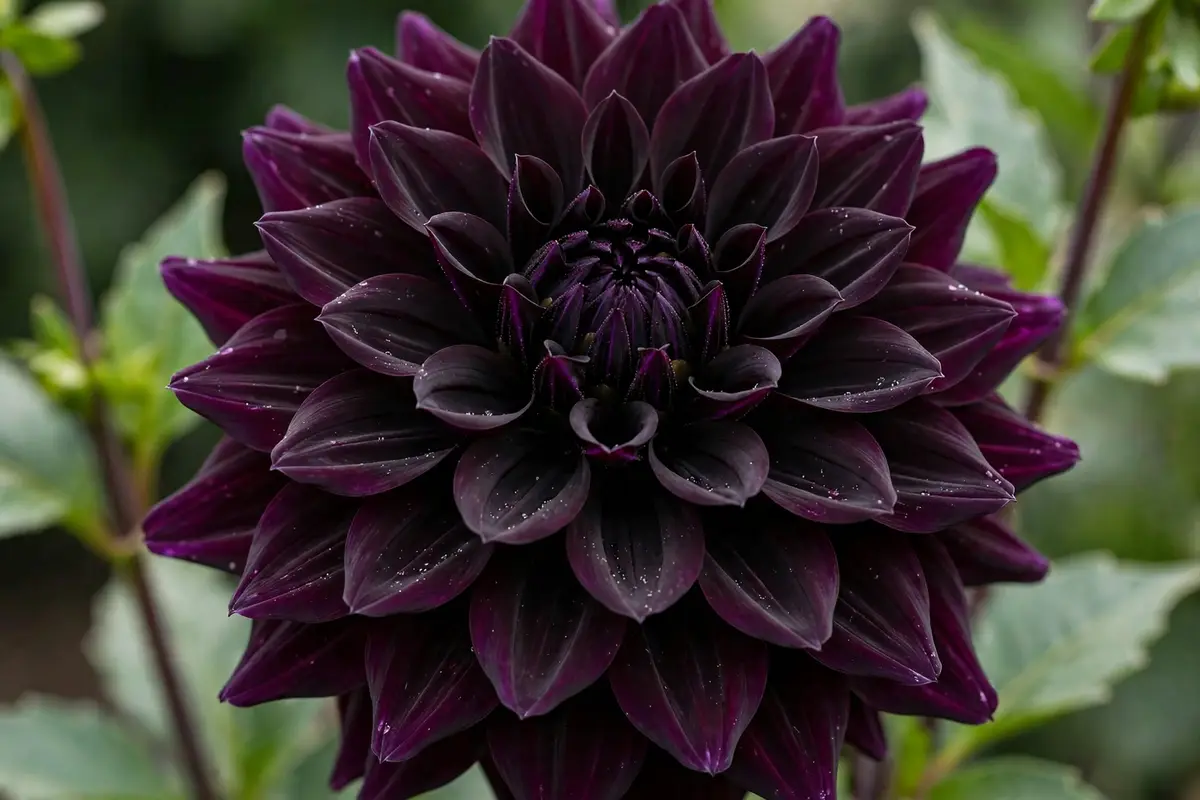
Table of Contents
- What Is the Delilah Flower?
- Flowers Named Delilah: 6 Bearers of the Name
- Delilah Flower Meaning and Symbolism
- Delilah Flower Colours and Their Meanings
- How to Grow Delilah (the Dahlia)
- Common Mistakes When Growing ‘Delilah’
- Delilah vs Dahlia: the Name and the Plant
- Frequently Asked Questions
What Is the Delilah Flower?
Start with the name, because the name is the whole story. Delilah appears in the Book of Judges (chapter 16) as the woman in the valley of Sorek whom Samson loves — and who, bribed by the Philistine lords, coaxes out the secret of his strength and has his hair shaved as he sleeps. Three thousand years of art, opera, poetry and at least one very famous Tom Jones song later, “a Delilah” means an irresistible, dangerous beauty. The Hebrew name itself, Delilah (דְּלִילָה), is usually read as “delicate” or “languishing” — and its sound leans on layla, night: delicacy and darkness in one word. You can read more on the Delilah page on Wikipedia.
Nursery breeders reach for names like this deliberately: a flower called ‘Delilah’ promises drama before it opens a petal. The name has been registered on several garden plants over the years — dahlias most prominently, and also tulips, daylilies and roses in various catalogues — because it sells the same thing every time: a bloom with presence. When gardeners ask for “the Delilah flower”, nine times out of ten they mean the dahlia: a big decorative dahlia in the deep, saturated tones — purples, wine reds, dusky pinks — that suit the name. The profiles below sort the bearers; the growing section that follows is dahlia care, since the dahlia is the name’s garden home.
Delilah Flower Quick Facts
- What it is: a cultivar name, not a species — chiefly Dahlia ‘Delilah’.
- Name origin: Hebrew, “delicate”; the Delilah of Judges 16.
- Plant type (dahlia): tender tuberous perennial, grown as an annual in cold zones.
- Height (dahlia): typically 3 to 4 feet.
- Bloom time (dahlia): midsummer to first frost.
- Sun and soil: full sun; rich, free-draining soil.
- Good to know: cultivar names are reused across plant groups — always check the genus on the label (“Dahlia ‘Delilah'” ≠ “Tulip ‘Delilah'”).
Flowers Named Delilah: 6 Bearers of the Name
One name, several plants, a single promise of drama. The table separates them; the profiles follow. For the full list of flower names, see our flower names A to Z guide.
| Bearer | Plant | Season | Character | Best use |
|---|---|---|---|---|
| Dahlia ‘Delilah’ | Decorative dahlia | Summer–frost | Large, rich-toned, the famous one | Borders, cutting |
| Tulip ‘Delilah’ | Spring bulb | April–May | Sleek spring goblets | Spring beds, pots |
| Daylily ‘Delilah’ | Hemerocallis cultivar | Early summer | Tough, repeat garden performer | Low-care borders |
| Rose ‘Delilah’ | Garden rose listings | Summer | Romance with thorns, aptly | Rose beds, gifts |
| ‘Delilah’ in seed mixes | Named dahlia seed strains | Summer–frost | Variable, seed-grown drama | Cheap summer colour |
| The name itself | Girls’ name & bouquet choice | All year | “Delicate night” | Naming, gifting |
1. Dahlia ‘Delilah’ — the Famous One
The bearer that owns the search: a decorative dahlia sold for dinner-plate presence in deep, saturated colour — the sort of bloom that stops a show bench. Like all dahlias it flowers from midsummer until frost does the editing, cuts beautifully, and asks for sun, food and a stake. Everything in the growing section below is written for this plant. For the wider family portrait, see our full dahlia flower guide.
2. Tulip ‘Delilah’ — the Spring Bearer
The name also appears on spring bulbs: tulips listed as ‘Delilah’ bring the drama forward to April, sleek goblets for beds and pots in the first act of the gardening year. If your ‘Delilah’ arrives in spring on a bulb, this is her — plant in autumn, in drifts, and let her open the season.
3. Daylily ‘Delilah’ — the Tough One
Daylily breeders name thousands of cultivars, and ‘Delilah’ is among them: a Hemerocallis for early-summer borders, each flower lasting a day but the buds arriving in squadrons. The toughest bearer of the name — drought-proof, neglect-proof, and perennial almost everywhere.
4. Rose ‘Delilah’ — Romance, With Thorns
Roses have carried the name in nursery listings too, and no plant wears it more aptly: beauty armed. Rose ‘Delilah’ listings come and go with fashion, so buy by the plant in front of you — the name promises a romantic bloom; the thorns are traditional.
5. ‘Delilah’ Seed Strains — Drama on a Budget
Seed houses have used the name for dahlia seed mixes promising Delilah-scale blooms from a packet. Seed-grown dahlias vary — that is the fun and the risk — but a summer of seedlings lets you keep the best, name-worthy or not, as tubers for next year.
6. The Name Itself — for Daughters and Bouquets
Half the searches for this flower are really about the name: Delilah has surged as a girls’ name (the Plain White T’s “Hey There Delilah” did its work), and florists field bouquet requests to match — deep-toned dahlias and roses for a baby shower or a Delilah’s birthday. The flower and the name now sell each other.
Delilah Flower Meaning and Symbolism
Floriography never listed Delilah — the Victorians preferred their bouquets respectable — but modern flower-meaning lists have adopted her wholesale, and the reading is consistent: allure, mystery, feminine power, and beauty with consequences. A Delilah bouquet is a compliment with an edge — you are irresistible, and everyone knows it — which makes it a gift between adults who share the joke: lovers, anniversaries with history, the friend whose charm is a known hazard. It is also, read generously, a flower of feminine strength: Delilah is one of the Bible’s few women who out-schemes every man in the story and walks away with the silver.
The kinder half of the name matters too: “delicate” is its literal meaning, and “night” its echo — so Delilah flowers also suit moon gardens, evening weddings, and anyone named for her. Handle the symbolism as you would the name: knowingly, and with pleasure.
Delilah Flower Colours and Their Meanings
- Deep purple — mystery and power: the classic ‘Delilah’ dahlia register.
- Wine red — desire and drama: Samson’s story in a single shade.
- Dusky pink — allure softened: the “delicate” half of the name.
- White — the night-blooming innocence reading; rare for this name, and striking for it.
How to Grow Delilah (the Dahlia)
Grow ‘Delilah’ exactly as you grow any decorative dahlia: warmth, sun, food, and a frost plan. Dahlia growers on r/dahlias on Reddit repeat one mantra for beginners: “dahlias are hungry, thirsty sun-lovers that sulk in cold soil — start them warm, plant them late, feed them like tomatoes.”
Planting the Tubers
Start tubers in pots indoors in spring (or buy plants after frost), and plant out only when the soil is warm and frost has finished — cold wet soil rots tubers before they wake. Set them 4–6 inches deep in rich, free-draining soil in full sun, stake at planting time (a 3–4 foot ‘Delilah’ in August flower is top-heavy), and water in. Pinch the growing tip once at about a foot tall for a bushier plant with more, slightly smaller blooms; leave it unpinched for fewer, larger show blooms.
Feeding, Watering and the Frost Plan
Feed with a balanced or tomato fertiliser every couple of weeks once buds form, water deeply in dry spells (shallow sips make shallow roots), and deadhead relentlessly — every faded bloom removed is two more buds encouraged. After the first frost blackens the foliage, cold-zone gardeners lift the tubers, dry them, and store them in barely-damp compost in a frost-free shed; mild-zone gardeners mulch deeply and gamble, usually successfully. Either way, one ‘Delilah’ tuber becomes a clump — divide in spring and the drama multiplies for free.
Common Mistakes When Growing ‘Delilah’
The classic dahlia mistake is planting too early: a ‘Delilah’ tuber in cold April soil rots where a late-May planting thrives. The second is skipping the stake — decorative dahlias carry dinner plates on hollow stems, and the first storm files the complaint. The third is high-nitrogen feeding all season, which grows a magnificent green bush with shy flowers; switch to tomato feed at bud stage.
The fourth is a naming mistake rather than a growing one: buying “Delilah” without checking the genus on the label. A tulip ‘Delilah’ planted in May for summer flowers, or a daylily expected to bloom till frost, disappoints through no fault of its own — the name is shared, the plants are not. Read the Latin, grow the plant you actually bought.
Delilah vs Dahlia: the Name and the Plant
They sound like cousins and are constantly confused, so, plainly: Dahlia is the plant — the whole genus of Mexican tuberous flowers, named for botanist Anders Dahl. Delilah is a person’s name, from the Hebrew Bible, which breeders have borrowed for individual cultivars — Dahlia ‘Delilah’ among them. Every ‘Delilah’ dahlia is a dahlia; almost no dahlias are ‘Delilah’. If a label says “Delilah flower” with no genus, it is almost certainly the dahlia being sold — but the two-minute label check in the mistakes section above will confirm which bearer you are holding.
Frequently Asked Questions
Is Delilah a real flower?
Yes and no — it is a real cultivar name, not a species. Dahlia ‘Delilah’ is a genuine, buyable plant, and the name also appears on tulips and daylilies. There is no wild “Delilah plant”; the flower is the name, and the name is the story. If your question is not answered here, the questions about the Delilah flower on Quora cover most of the rest.
What does the name Delilah mean?
“Delicate” in Hebrew — with an echo of layla, “night”, that poets have never been able to leave alone. The biblical Delilah of Judges 16 gives the name its second, unofficial meaning: the irresistible woman, beauty as a force of nature.
Is the Delilah flower the same as a dahlia?
Usually, in practice: most “Delilah flowers” sold are Dahlia ‘Delilah’. But the name is shared with other plants (tulips, daylilies), so the genus on the label is the deciding fact — see the comparison section above for the full Delilah-vs-dahlia untangling.
What colour is Dahlia ‘Delilah’?
Listings vary a little by grower and season, but the name is consistently sold in the deep register — purple, wine and dusky tones rather than pastels — because that is what the name promises. Buy from a photo of the actual stock where the exact shade matters to your scheme.
Are Delilah flowers good for cutting?
The dahlia bearer is an excellent cut flower — it is half the point of decorative dahlias. Cut in the cool of the morning, sear stem ends in hot water for 30 seconds, and expect the drama to last the better part of a week in the vase.
Why is a flower named after Delilah?
Because names sell feelings, and Delilah sells allure. Breeders borrow famous names constantly — roses for queens, dahlias for film stars — and a bloom called ‘Delilah’ arrives pre-loaded with three thousand years of story. It is marketing, but it is also honest: the flower really is a show-stopper. For more flowers under the same letter, see our guide to flowers that start with D.