
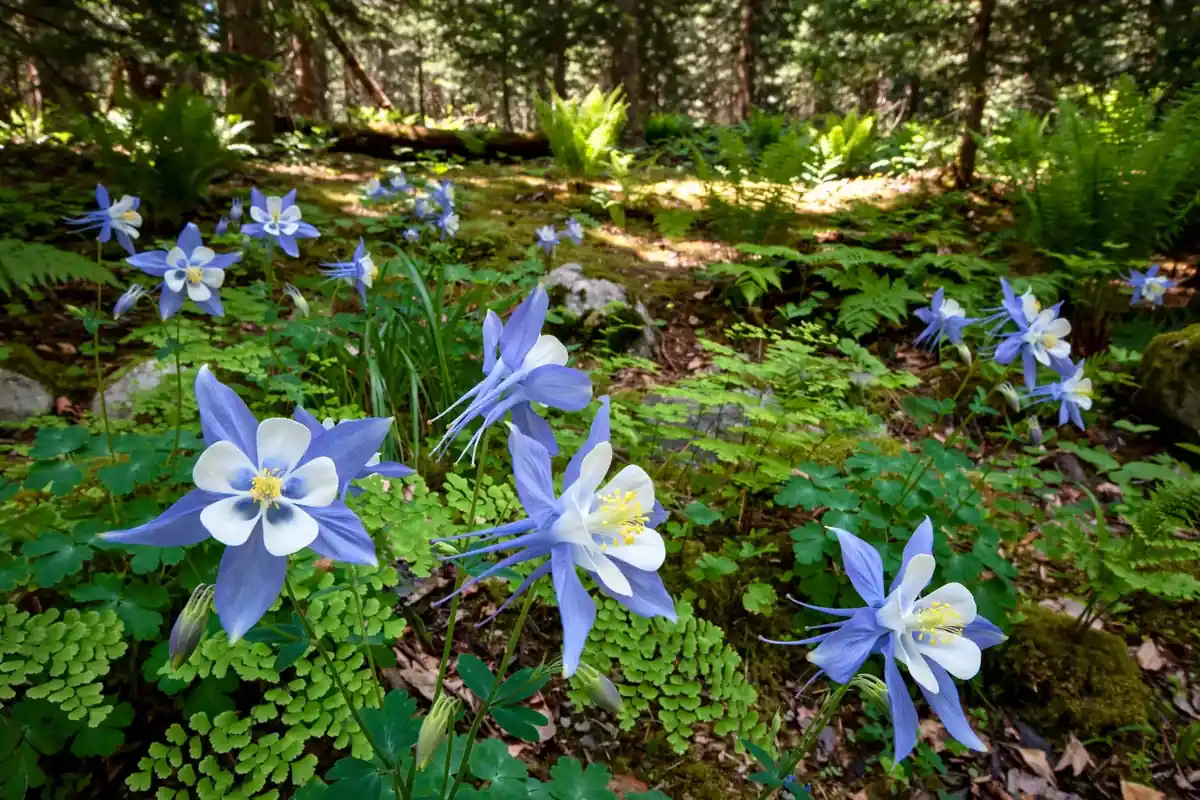
Columbine Flower: Types, Meaning, Symbolism and How to Grow Columbine
A columbine is easy to spot once you know what to look for. Its flowers look like small bells with five long spurs sticking out behind them, like tiny eagle talons. The blooms nod gently on thin stems above soft, fern-like leaves, and they come in almost every colour a garden can hold.
Columbines grow wild in woodlands and mountain meadows across North America, Europe and Asia. They are also one of the best flowers for a shady garden, because most types flower happily where sun-loving plants give up. The Rocky Mountain columbine is even the state flower of Colorado.
Quick Answer
A columbine flower is a nodding, spurred bloom from the genus Aquilegia, in the buttercup family. There are 60 to 70 species, and hundreds of garden hybrids. Most columbines are short-lived perennials that bloom in late spring to early summer, grow 1 to 3 feet tall, and do best in partial shade and well-drained soil in USDA zones 3 to 8.
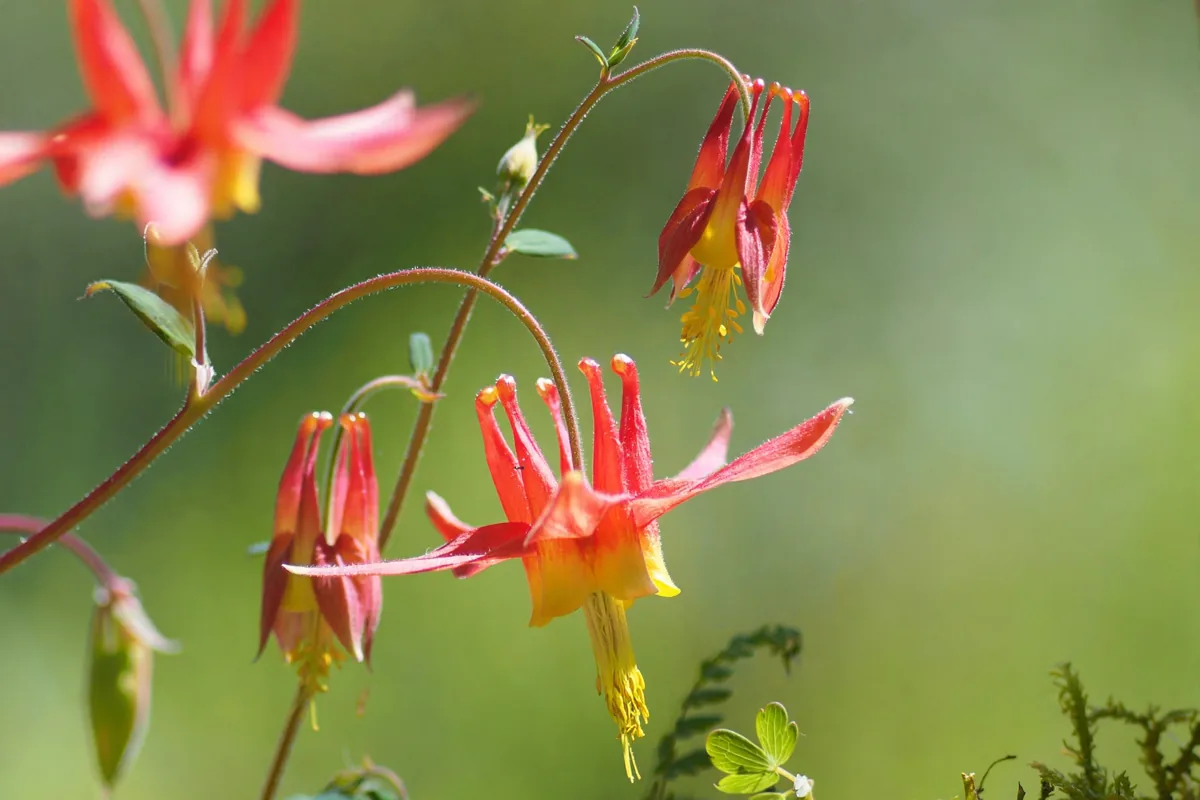
Table of Contents
- What Is a Columbine Flower?
- 6 Types of Columbine
- Columbine Flower Meaning and Symbolism
- What Each Columbine Colour Means
- How to Grow Columbine
- Common Mistakes When Growing Columbine
- Columbine in Bouquets and Cut Flowers
- Frequently Asked Questions
What Is a Columbine Flower?
Columbine belongs to the genus Aquilegia, in the buttercup family Ranunculaceae. The name comes from the Latin word aquila, meaning eagle, because the five long spurs at the back of each flower look like an eagle’s talons. Another old name for the flower is granny’s bonnet, from the shape of the bonnet-like petals.
Each flower has five sepals and five petals, and the petals stretch back into hollow spurs that hold nectar. Hummingbirds love the red and yellow types, because their long beaks reach the nectar easily. The blue and white Rocky Mountain columbine is mainly pollinated by bumblebees and hawkmoths. You can read more on the Rocky Mountain columbine page on Wikipedia.
Columbines bloom for about four weeks in late spring to early summer, usually after the spring bulbs have finished. Most plants are short-lived perennials: they flower heavily in their second year, set plenty of seed, and then fade. But they self-seed so freely that a patch often keeps itself going for years, with new seedlings filling the gaps.
Columbine Quick Facts
- Family: Ranunculaceae, the buttercup family.
- Genus: Aquilegia, with 60 to 70 species.
- Life cycle: short-lived herbaceous perennial.
- Height: 1 to 3 feet, depending on the type.
- Bloom time: late spring to early summer, about four weeks.
- Sun: partial shade is best; full sun only in cool climates.
- Zones: USDA 3 to 8 for most garden types.
- Good for wildlife: hummingbirds, bees, butterflies and hawkmoths.
6 Types of Columbine
With more than 60 species and hundreds of hybrids, columbine offers something for almost every garden. The six below are the ones you will meet most often in nurseries and seed packets.
| Type | Scientific Name | Colours | Height | Best For |
|---|---|---|---|---|
| Rocky Mountain columbine | Aquilegia coerulea | Blue and white | 1 to 2 feet | Mountain gardens, shade borders |
| Eastern red columbine | Aquilegia canadensis | Red and yellow | 2 to 3 feet | Hummingbird gardens, woodland edges |
| European columbine | Aquilegia vulgaris | Purple, blue, pink, white | 1 to 3 feet | Cottage gardens, old-fashioned borders |
| Golden columbine | Aquilegia chrysantha | Yellow | 2 to 4 feet | Hot, dry spots, late bloom |
| McKana Giants | Aquilegia x hybrida | Mixed, bicolour | 2 to 3 feet | Bold colour, big flowers |
| Fan columbine | Aquilegia flabellata | Blue and white | 1 foot | Rock gardens, edging, pots |
1. Rocky Mountain Columbine (Aquilegia coerulea)
This is the famous one. Its large, upward-facing flowers have violet-blue sepals and creamy white petals, with very long spurs. It grows wild in the Rocky Mountains, from 6,000 to 10,000 feet, and it has been the state flower of Colorado since 1899. Schoolchildren voted for it in 1891, and a 1925 Colorado law still protects it from being dug up on public land. It is also one of the most beautiful blue flowers you can grow, and it sits naturally beside the blooms in our guide to blue flowers.
2. Eastern Red Columbine (Aquilegia canadensis)
The eastern red columbine is a North American native with scarlet-red sepals and yellow inner petals. It blooms from April to June and is one of the first flowers hummingbirds visit in spring. It thrives in dappled shade and loamy soil, self-sows readily, and rarely becomes a nuisance. If you like red blooms that feed wildlife, our guide to red flowers has more of them.
3. European Columbine (Aquilegia vulgaris)
Also called granny’s bonnet, this is the old-fashioned columbine of cottage gardens. Its flowers are usually purple, blue, pink or white, with short spurs, and it has been grown in European gardens for centuries. It crosses easily with other types, so seedlings in your garden may surprise you with new colours.
4. Golden Columbine (Aquilegia chrysantha)
The golden columbine comes from the southwestern United States and Mexico. It has large, lemon-yellow flowers with extremely long spurs, up to 4 inches, and it is fragrant. It blooms later than most columbines, into early summer, and it handles heat and dry, gravelly soil better than any other type. Give it full sun and sharp drainage.
5. McKana Giants (Aquilegia x hybrida)
McKana Giants are a classic heirloom hybrid mix, introduced in the 1920s. They grow 2 to 3 feet tall with large, bicolour flowers in almost every shade: red, pink, yellow, blue, purple and white. They are the showiest columbines for a mixed border, and they come true enough from seed to be worth growing in a group.
6. Fan Columbine (Aquilegia flabellata)
The fan columbine is a dwarf species, only about a foot tall, with blue and white flowers and neat, fan-shaped leaves. It is perfect for rock gardens, edging and pots, where taller columbines would flop. It likes the same cool, well-drained spot as the other types, just in miniature.
Columbine Flower Meaning and Symbolism
In the old language of flowers, columbine means many things at once, and that is part of its charm. Its most common meaning is faithfulness and steadfast love, because the plant returns year after year from its own seed. It is also linked to courage and strength, from the eagle in its name, and to wisdom, from its quiet woodland home.
There is a softer side too. In Christian art, the columbine was a symbol of the Holy Spirit. In other traditions, the nodding flowers were seen as doves, which is why one old folk name for the plant is dove plant. Put together, the columbine says: stay faithful, stay brave, and stay gentle.
Columbine is not a birth flower, but its blue and white Rocky Mountain type shares the cool, calm feeling of many spring blooms. For more flowers that start with the same letter, browse our list of flowers that start with C.
What Each Columbine Colour Means
Columbine comes in nearly every colour, and each one carries its own message in the language of flowers. Blue means faithfulness and calm, and it is the colour of the Colorado state flower. White means purity and peace. Red means love and courage, and it is the colour hummingbirds notice first. Yellow means joy and friendship. Pink means love and kindness. Purple means dignity and admiration.
Because columbines cross-pollinate so freely, one patch can hold all of these colours at once. That is not a fault. It is one of the reasons gardeners love them: no two seedlings are quite the same.
How to Grow Columbine
Columbine is an easy plant for a beginner, as long as you give it the two things it really wants: partial shade and soil that drains well.
Sun and Soil
Plant columbine in partial shade or dappled sun. It can grow in full sun in cool climates, but in hot places the leaves scorch and the flowers fade fast. The soil should be moderately rich, moist but never soggy, and well drained. A slightly acidic to neutral soil, around pH 6.0 to 7.0, suits most types. Space plants 12 to 18 inches apart so air can move between them.
Growing From Seed
Seed is the easiest way to grow columbine. Sow outdoors in fall, so the winter cold breaks the seed’s dormancy, or start seeds indoors 6 to 8 weeks before the last frost. Press the seeds lightly onto the surface of moist soil and cover them only very thinly, because columbine seeds need light to germinate. Keep the soil evenly moist. Seedlings usually appear in 3 to 4 weeks, and most plants flower in their second year.
Water and Aftercare
Water regularly in the first year, while the roots settle in. After that, columbine needs only moderate water, and it dislikes wet feet. Mulch lightly to hold moisture, but keep the mulch away from the crown. Deadhead spent flowers to stretch the bloom by a couple of weeks, or leave a few to set seed if you want volunteers next year. Gardeners on r/gardening on Reddit share columbine patches and self-seeding stories from every climate.
Dividing and Replacing
Columbine grows from a taproot and does not like being moved, so divide it only if you must, in early spring. A simpler plan is to let it self-seed and pull out the seedlings you do not want. Replace tired plants every 3 to 4 years with fresh seedlings, and the patch will look young forever.
Common Mistakes When Growing Columbine
- Planting in full hot sun. Columbine is a woodland plant at heart. Give it afternoon shade, or the leaves burn.
- Wet, heavy soil. Soggy roots rot fast. If your soil holds water, plant on a slope or in a raised bed.
- Moving established plants. The taproot sulks after transplanting. Grow from seed instead, where the plant will stay.
- Letting leaf miners win. The squiggly white trails on the leaves are leaf miner damage. It looks bad but rarely kills the plant. Pick off the worst leaves and the plant will recover.
- Expecting it to bloom all summer. Columbine blooms for about a month in late spring. Deadheading adds a few weeks, but it is a spring flower, not a summer one.
- Eating any part of the plant. All parts of columbine are poisonous if eaten, so keep it out of salads and away from curious children and pets.
Columbine in Bouquets and Cut Flowers
Columbine makes a lovely cut flower, but it is a short-lived one. Cut the stems in the early morning, when the flowers have just opened, and put them straight into cool water. The nodding blooms look best in a small, low vase, where their spurs can be seen. They usually last 3 to 5 days indoors. Our guide on how to make cut flowers last longer covers the same tricks for other short-lived blooms. For a wilder, cottage-garden look, pair columbine with poppies: our poppy flower guide shows how the two share the same easy, self-seeding habit.
Frequently Asked Questions
What does a columbine flower symbolise?
Columbine stands for faithfulness, courage and wisdom. In old flower language it also meant steadfast love, because the plant returns from its own seed year after year.
Is columbine easy to grow?
Yes, as long as you give it partial shade and well-drained soil. It grows easily from seed, needs little care, and self-seeds freely. The one thing it hates is being moved, because of its taproot.
When does columbine bloom?
Most columbines bloom in late spring to early summer, for about four weeks. The exact time depends on your climate, and deadheading can stretch the show by a couple of weeks.
Is columbine a perennial or an annual?
It is a short-lived perennial. Most plants flower heavily in their second year, set seed, and then decline. But the self-sown seedlings keep the patch going, so it often behaves like a permanent plant.
Is columbine poisonous?
Yes. All parts of the columbine plant are poisonous if eaten, so it should never be used in food. It is safe to grow in the garden and to handle, but keep it away from children and pets who might chew it. For more grower views, see questions about the columbine flower on Quora.

One Comment