28 Plants That Start With G (With Growing Tips)
The letter G gives gardeners some of the most beloved plants on earth. Fragrant gardenias, towering gladiolus spikes, the indestructible golden pothos trailing from a shelf, homegrown ginger and garlic, stately ginkgo trees — plants that start with G span every corner of the garden, from the windowsill to the orchard. Whether you are hunting for a plant-themed gift, planning an alphabet garden, or just curious which botanical names hide behind the letter G, this guide has you covered.
Below you will find 28 real, botanically verified plants that start with G — each with its scientific name, plant type, and practical growing tips so you can actually plant them, not just read about them. Every entry is a genuine species or hybrid you can buy from a nursery or seed catalog; nothing here is invented. If you are after blooms specifically, see our companion list of flowers that start with G for even more flowering inspiration.
Quick Answer
What are the most popular plants that start with G? The standouts are Gardenia (fragrant evergreen shrub), Gladiolus (tall summer flower spikes), Golden Pothos (nearly unkillable houseplant), Geranium (classic bedding plant), Ginger and Garlic (edible staples), Grape Hyacinth (spring bulbs), Ginkgo (ancient shade tree), and Guava (tropical fruit). Beginners should start with golden pothos, zonal geraniums, grape hyacinth bulbs, or globe amaranth — all forgiving and fast to reward you.
Table of Contents
- Quick Answer
- Plants That Start With G: At a Glance
- 1. Geranium
- 2. Gardenia
- 3. Gerbera Daisy
- 4. Golden Pothos
- 5. Ginseng
- 6. Ginger
- 7. Grape Hyacinth
- 8. Gladiolus
- 9. Gazania
- 10. Ginkgo
- 11. Golden Chain Tree
- 12. Gooseberry
- 13. Globe Amaranth
- 14. Gypsophila (Baby’s Breath)
- 15. Goldenrod
- 16. Guava
- 17. Grape
- 18. Garlic
- 19. Garden Phlox
- 20. Gaura
- 21. Gloxinia
- 22. Giant Allium
- 23. Globe Thistle
- 24. Gentian
- 25. Garden Cress
- 26. Ghost Plant
- 27. Goat’s Beard
- 28. Golden Alexander
- Bloom, Water & Hardiness Comparison
- Frequently Asked Questions
- References
Plants That Start With G: At a Glance
Here is every plant in this guide with its scientific name and type, so you can scan the full list before diving into the details.
| # | Plant | Scientific Name | Type |
|---|---|---|---|
| 1 | Geranium | Pelargonium × hortorum | Flowering bedding plant |
| 2 | Gardenia | Gardenia jasminoides | Evergreen flowering shrub |
| 3 | Gerbera Daisy | Gerbera jamesonii | Flowering perennial |
| 4 | Golden Pothos | Epipremnum aureum | Tropical houseplant |
| 5 | Ginseng | Panax quinquefolius | Woodland perennial herb |
| 6 | Ginger | Zingiber officinale | Tropical edible rhizome |
| 7 | Grape Hyacinth | Muscari armeniacum | Spring-flowering bulb |
| 8 | Gladiolus | Gladiolus × hortulanus | Summer-flowering corm |
| 9 | Gazania | Gazania rigens | Drought-tolerant flower |
| 10 | Ginkgo | Ginkgo biloba | Deciduous tree |
| 11 | Golden Chain Tree | Laburnum × watereri | Flowering ornamental tree |
| 12 | Gooseberry | Ribes uva-crispa | Fruiting shrub |
| 13 | Globe Amaranth | Gomphrena globosa | Annual flower |
| 14 | Gypsophila (Baby’s Breath) | Gypsophila paniculata | Flowering perennial |
| 15 | Goldenrod | Solidago spp. | Native flowering perennial |
| 16 | Guava | Psidium guajava | Tropical fruit tree |
| 17 | Grape | Vitis vinifera | Fruiting vine |
| 18 | Garlic | Allium sativum | Edible bulb |
| 19 | Garden Phlox | Phlox paniculata | Flowering perennial |
| 20 | Gaura | Oenothera lindheimeri | Flowering perennial |
| 21 | Gloxinia | Sinningia speciosa | Tuberous houseplant |
| 22 | Giant Allium | Allium giganteum | Ornamental bulb |
| 23 | Globe Thistle | Echinops ritro | Flowering perennial |
| 24 | Gentian | Gentiana spp. | Flowering perennial |
| 25 | Garden Cress | Lepidium sativum | Edible microgreen |
| 26 | Ghost Plant | Graptopetalum paraguayense | Succulent |
| 27 | Goat’s Beard | Aruncus dioicus | Shade perennial |
| 28 | Golden Alexander | Zizia aurea | Native flowering perennial |
1. Geranium (Pelargonium × hortorum)
Few plants say “summer garden” like the geranium. The bright red, pink, and white pom-poms spilling from window boxes and patio pots are technically not true geraniums at all — they are Pelargoniums, tender South African perennials sold as annuals in most climates. True geraniums (cranesbills, Geranium spp.) are hardy perennials, but when gardeners say “geranium,” they mean these cheerful bedding plants.
Growing tips: Give zonal geraniums at least six hours of direct sun and soil that drains freely — soggy roots are their biggest enemy. Water when the top inch of soil feels dry, and deadhead spent flower clusters regularly to keep new buds coming all season. Feed every two to three weeks with a balanced liquid fertilizer. Before the first frost, you can bring pots indoors to a bright, cool spot and overwinter them, or take cuttings in late summer for next year’s plants. Hardy to zones 9–11 as a perennial; grown as an annual elsewhere.
2. Gardenia (Gardenia jasminoides)
The gardenia is the perfume bottle of the shrub world. Its creamy white, rose-like blooms release one of the most intoxicating fragrances in gardening, and its glossy evergreen leaves look good year-round. Native to Asia, gardenias are a signature plant of Southern gardens, thriving in zones 7–10. This entry continues our A–Z plant series — if you are working through the alphabet, catch up with our list of plants that start with A next.
Growing tips: Gardenias demand acidic soil (pH 5.0–6.5) — in alkaline soil their leaves turn yellow with iron chlorosis. Plant in morning sun with afternoon shade, and keep the soil consistently moist but never waterlogged; a thick layer of pine-bark mulch helps on both fronts. Feed with an acid-forming fertilizer formulated for azaleas and camellias. Avoid moving the plant once buds form, as gardenias famously drop buds when stressed by sudden changes in light, water, or temperature.
3. Gerbera Daisy (Gerbera jamesonii)
With their bold, painterly petals in every color except true blue, gerbera daisies look like they were designed for a florist’s window — because they were. Native to South Africa, they are among the world’s most popular cut flowers, and they grow just as happily in garden beds and containers. They are tender perennials (zones 8–10) but are most often grown as annuals or overwintered indoors in colder regions.
Growing tips: Plant gerberas in full sun with excellent drainage, keeping the crown of the plant slightly above soil level — buried crowns rot quickly. Water at the base rather than overhead, and let the soil dry slightly between waterings. Deadhead spent blooms down to the base to encourage continuous flowering from spring to frost. In hot climates, a little afternoon shade keeps the flowers from fading, and in zones below 8, lift potted plants indoors before frost.
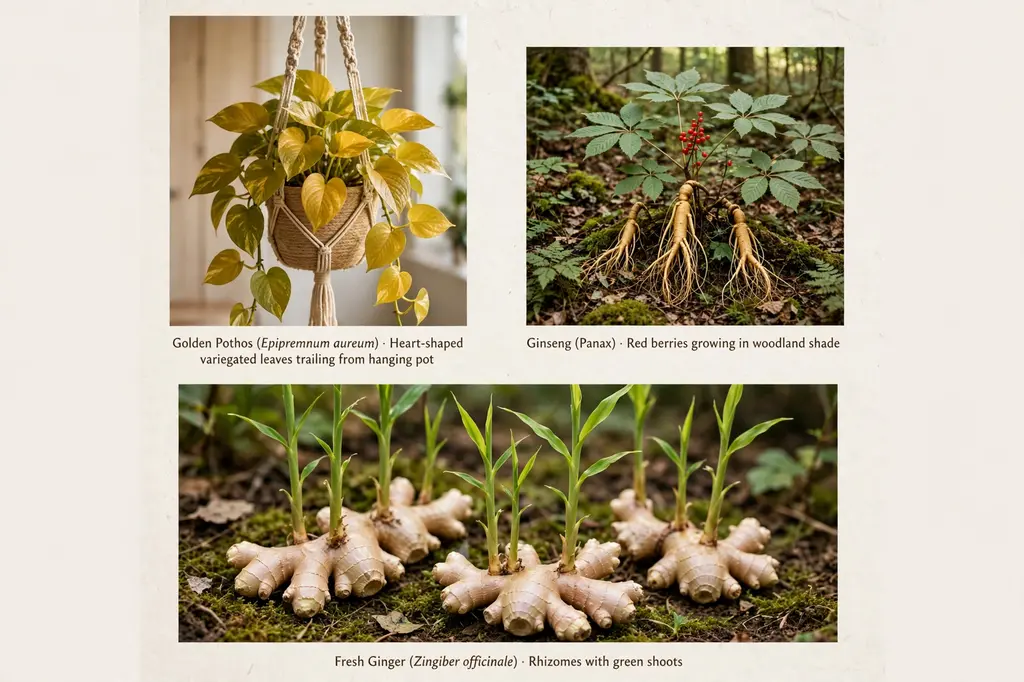
4. Golden Pothos (Epipremnum aureum)
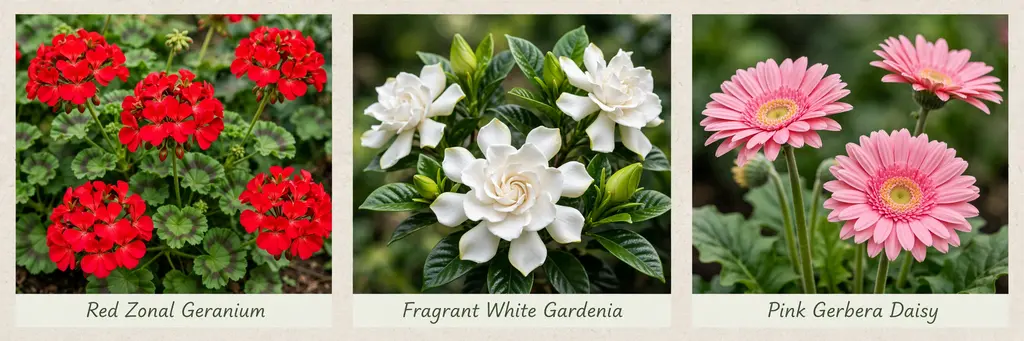
If houseplants had a hall of fame for toughness, golden pothos would be its first inductee. This tropical vine from French Polynesia tolerates low light, irregular watering, and general neglect while still pushing out glossy, heart-shaped leaves marbled with gold. It trails beautifully from hanging baskets, climbs a moss pole, or thrives in plain water in a jar on your desk.
Growing tips: Golden pothos prefers bright, indirect light but survives in dim corners (the variegation fades in low light, so move it brighter for more gold). Water when the top two inches of soil are dry — overwatering causes root rot, the one thing that reliably kills it. Trim long vines to encourage bushier growth, and root the cuttings in water for free new plants. Note: it is toxic to cats, dogs, and humans if eaten, so keep it away from curious pets and toddlers.
5. Ginseng (Panax quinquefolius)
American ginseng is one of North America’s most famous native medicinal plants — a slow-growing woodland perennial whose forked roots have been prized for centuries. Wild populations have been heavily overharvested, so growing your own from nursery stock is both a fascinating long-term project and a genuinely conservation-minded choice. Plants take five to seven years to develop harvestable roots, which makes this the ultimate patient gardener’s plant.
Growing tips: Ginseng needs what a forest floor provides: deep shade (70–80%), rich, well-drained soil high in organic matter, and a blanket of leaf mulch. Sow stratified seed in the fall about half an inch deep, or plant one-year-old rootlets in spring. Mark your planting beds well — the plants die back completely in winter. Never dig wild ginseng; many states regulate or prohibit it, and nursery-grown stock protects fragile wild populations.
6. Ginger (Zingiber officinale)
That knobby rhizome in the grocery store is a living plant waiting to happen. Ginger is a tropical perennial with lush, bamboo-like foliage and a warm, spicy rhizome used in cooking worldwide. Outdoors it is hardy only in zones 8–11, but it grows beautifully in pots anywhere warm — which means northern gardeners can grow their own fresh ginger on a sunny patio or windowsill. Our alphabet series continues from plants that start with F, if you are collecting the whole set.
Growing tips: Start with a plump, fresh rhizome with visible buds (“eyes”), soak it overnight, and plant it two inches deep in rich, moisture-retentive potting mix in spring. Ginger needs warmth above 70°F (21°C) to sprout and partial shade once growing — full hot sun scorches the leaves. Keep the soil evenly moist, feed monthly, and harvest after 8–10 months when the foliage yellows. In cold climates, bring the pot indoors well before the first frost.
7. Grape Hyacinth (Muscari armeniacum)
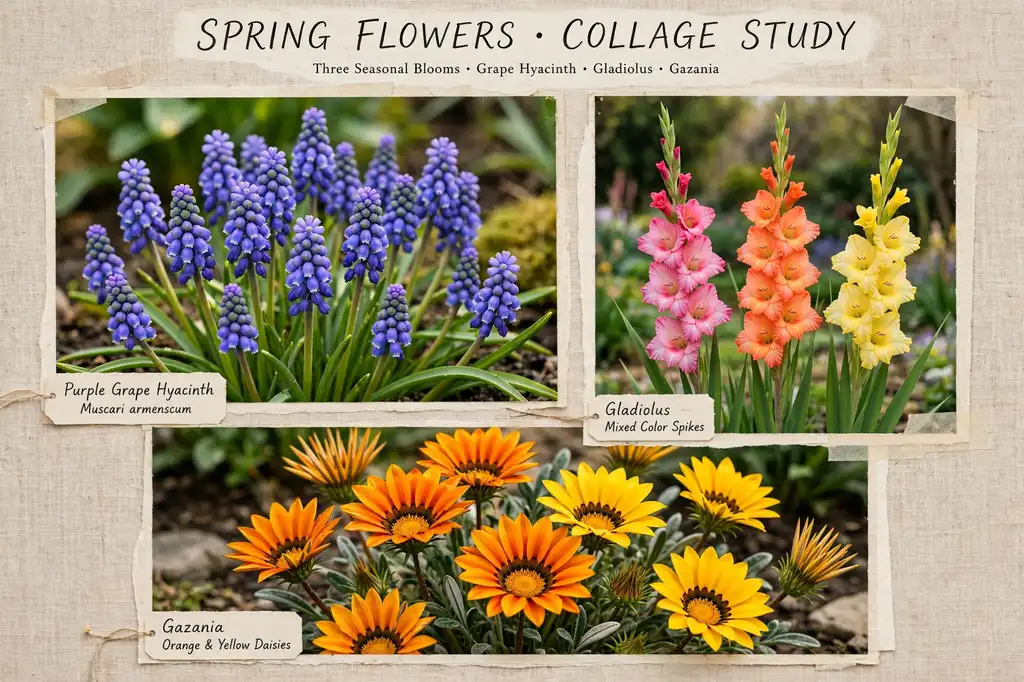
Grape hyacinths are the exclamation points of the spring garden — dense spikes of tiny, grape-clustered blue-purple bells that pop up in March and April, often while snow is still a recent memory. Despite the name, they are not true hyacinths, but they share the same irresistible fragrance in miniature. Plant them once and they naturalize, multiplying into bigger drifts every year.
Growing tips: Plant bulbs three to four inches deep in fall, in full sun to light shade. They are wonderfully undemanding: average soil, no fertilizer fuss, and they are ignored by deer and rodents. The crucial rule is to let the foliage die back naturally after blooming — those leaves are recharging the bulb for next year. Divide crowded clumps every few years in late summer, and try the white ‘Album’ or pale blue ‘Valerie Finnis’ cultivars for variety.
8. Gladiolus (Gladiolus × hortulanus)
Gladiolus — from the Latin gladius, meaning sword, for its blade-like leaves — sends up dramatic spikes of ruffled blooms in every color imaginable, flowering from midsummer into fall. These South African natives are the backbone of the cutting garden: few flowers give you so much vase life from such little effort. Modern hybrids bloom in sequence up the spike, so one stem can flower for two weeks.
Growing tips: Plant corms four inches deep and six inches apart in full sun after all frost danger has passed. For a continuous supply of cut flowers, plant a dozen corms every two weeks from spring through early summer. Tall varieties need staking in windy spots — plant them in groups so they support each other. In zones 7–10 corms can stay in the ground with mulch; in colder zones, lift them after the foliage yellows and store in a cool, dry place over winter.
9. Gazania (Gazania rigens)
When the summer sun turns brutal, gazania just shrugs and keeps blooming. This South African daisy produces large, jewel-toned flowers in hot oranges, yellows, pinks, and reds — often with dramatic contrasting stripes — on low, silvery-foliaged mounds. It is one of the toughest annuals for hot, dry, poor soils where fussier flowers give up by July.
Growing tips: Full, blazing sun is non-negotiable — gazania flowers literally close on cloudy days and reopen with sunshine. Plant in sandy, fast-draining soil and water sparingly once established; overwatering causes more problems than drought. Deadhead regularly to keep the show going from early summer to frost. Perennial in zones 9–11, grown as an annual elsewhere; it also makes an excellent edging plant for parking strips and hellstrips.
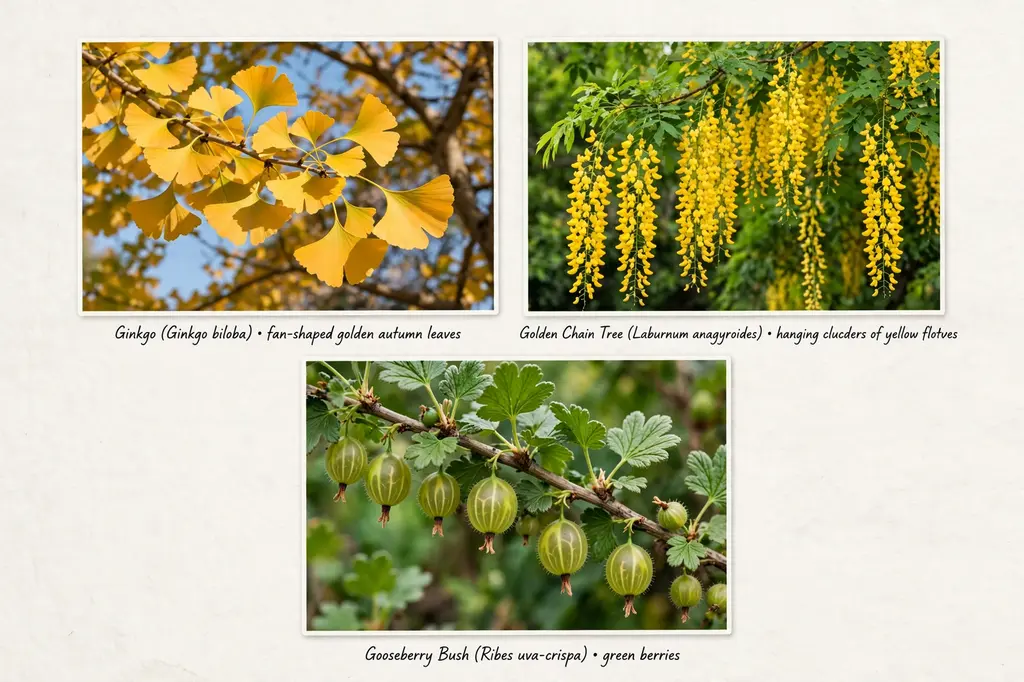
10. Ginkgo (Ginkgo biloba)
The ginkgo is a living fossil — a single species that has survived virtually unchanged for over 200 million years, outliving the dinosaurs. Its distinctive fan-shaped leaves turn a brilliant, clear gold in autumn, and the tree itself is famously tough: ginkgos survived the atomic blast at Hiroshima and shrug off urban pollution, compacted soil, and drought. It is one of the most reliable shade trees you can plant.
Growing tips: Plant ginkgos in full sun in almost any soil; they are remarkably unfussy once established. The critical buying tip: choose a named male cultivar such as ‘Autumn Gold’ or ‘Princeton Sentry.’ Female trees produce fleshy fruits that smell intensely unpleasant when they rot on sidewalks. Ginkgos grow slowly but live for centuries, so give yours room — mature trees reach 50–80 feet. Hardy in zones 3–8.
11. Golden Chain Tree (Laburnum × watereri)
For two or three glorious weeks each spring, the golden chain tree drapes itself in hanging racemes of bright yellow, wisteria-like flowers — the cultivar ‘Vossii’ produces chains up to two feet long. It is a small, elegant tree (15–25 feet) that creates an unforgettable spring moment, especially when planted where the low sun backlights the blossoms.
Growing tips: Plant in full sun to light shade in well-drained soil, sheltered from harsh winds that can damage the brittle branches. Prune lightly right after flowering to shape the tree. One serious caution: all parts of laburnum — especially the seeds — are poisonous, containing the alkaloid cytisine. Do not plant it where small children or pets play unsupervised, and sweep up fallen seed pods. Hardy in zones 5–7.
12. Gooseberry (Ribes uva-crispa)
Gooseberries are the tart, old-fashioned fruit your grandmother made into jam — translucent green, red, or yellow berries with a zingy flavor that shines in pies, fools, and preserves. These thorny, self-fertile shrubs are incredibly hardy (zones 3–8) and produce reliably even in cool, short summers where other fruits struggle.
Growing tips: Plant bare-root bushes in late winter in full sun to partial shade. Prune each winter to an open goblet shape, removing crossing branches to let air and light in — this also reduces mildew. Mulch annually and net the bushes as berries ripen, or the birds will harvest before you do. Important: some US states restrict or ban Ribes species because they host white pine blister rust, so check your local regulations before ordering plants.
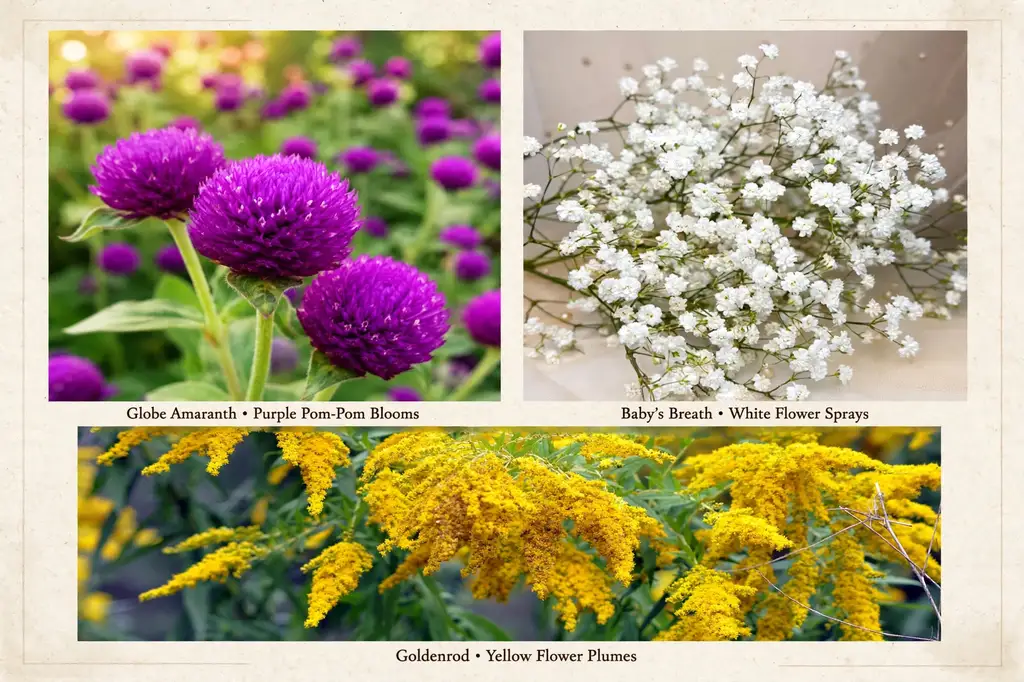
13. Globe Amaranth (Gomphrena globosa)
Globe amaranth looks like a bouquet of tiny clover pom-poms in magenta, purple, pink, white, and red — and it holds that color for months, both in the garden and in the vase. These heat-loving annuals bloom nonstop from summer to hard frost, asking for almost nothing in return. They are also one of the finest dried flowers: cut the blooms and hang them upside down, and they keep their shape and color for years.
Growing tips: Sow seeds indoors six to eight weeks before the last frost, or direct-sow after the soil warms — globe amaranth sulks in cold soil. Give it full sun and average, well-drained soil; it tolerates heat, humidity, and drought once established. Deadhead spent blooms to encourage more, though leaving a few to set seed gives you volunteers next year. Butterflies love it, making it a great addition to pollinator borders.
14. Gypsophila — Baby’s Breath (Gypsophila paniculata)
Every florist knows baby’s breath as the cloud of tiny white flowers that fills out bouquets, but in the garden it is a beautiful perennial in its own right — airy, knee-to-waist-high sprays that float above the border like mist. The classic ‘Bristol Fairy’ variety produces double white blooms all summer and pairs gorgeously with roses, lavender, and coneflowers.
Growing tips: Baby’s breath demands full sun and sharply drained, alkaline soil — it rots in wet winter ground, so add grit or plant on a slope if your soil is heavy. Never move an established plant; it develops a deep taproot and resents disturbance. Cut the plant back by a third after the first flush of blooms for a second round. Hardy in zones 3–9, it is a mainstay of cottage gardens and cutting beds alike.
15. Goldenrod (Solidago spp.)
Goldenrod deserves a reputation rescue. Those billowing plumes of golden yellow that light up fields and roadsides in late summer are wrongly blamed for hay fever — the real culprit is ragweed, which blooms at the same time but has inconspicuous green flowers. Goldenrod pollen is heavy and insect-carried, not windblown, and its flowers are a critical late-season nectar source for monarchs, bees, and beneficial insects. It pairs beautifully with autumn mums — see our mum care guide to keep those fall companions blooming.
Growing tips: Choose well-behaved clump-forming cultivars like ‘Fireworks’ or ‘Golden Fleece’ rather than aggressive wild species that spread by rhizomes. Plant in full sun in average soil — goldenrod tolerates clay and drought once established. Cut stems back in late winter or early spring rather than fall, leaving the seedheads for winter birds. Hardy in zones 3–9 and virtually maintenance-free.
16. Guava (Psidium guajava)
Few fruits smell as intoxicating as a ripe guava — sweet, musky, and tropical, with flesh ranging from white to deep pink. The common guava is a small evergreen tree or large shrub (zones 9–11) that fruits heavily with minimal fuss, and its fruit packs more vitamin C per ounce than almost any other. Dwarf varieties even grow in large containers that can be wheeled indoors for winter.
Growing tips: Plant guavas in full sun in well-drained soil; they are self-fertile, so one tree is enough. Young trees need protection below about 27°F (-3°C) — wrap them or move containers inside during freezes. Prune in late winter to maintain a manageable shape and remove suckers. Harvest when the fruit gives off its signature fragrance and yields slightly to pressure; underripe guavas are astringent, while tree-ripened ones are sublime.
17. Grape (Vitis vinifera)
Growing your own grapes — whether for fresh eating, juice, or jelly — is one of the most rewarding things a gardener can do. A single healthy vine can produce 15–20 pounds of fruit a year for decades. European wine and table grapes (Vitis vinifera) suit warm zones 7–9, while hardy American types like Concord (Vitis labrusca hybrids) thrive down to zone 4–5.
Growing tips: Plant dormant bare-root vines in early spring in the sunniest spot you have, with a sturdy trellis or arbor ready — grapes need support from day one. The secret to great grapes is pruning: every late winter, cut back to leave the right number of buds, since fruit forms on new growth. Thin crowded clusters in early summer for larger, sweeter berries, and net ripening clusters against birds. Water deeply but infrequently once established.
18. Garlic (Allium sativum)
Garlic is the easiest “plant it and forget it” edible in this entire list — and homegrown bulbs taste dramatically better than anything from a store shelf. Plant individual cloves in the fall, mulch them, ignore them all winter, and harvest fat, pungent bulbs the following summer. Hardneck varieties suit cold climates and produce delicious scapes; softnecks store longer and suit milder zones.
Growing tips: Plant the biggest cloves from your best bulbs, pointed end up, two inches deep and six inches apart, about a month before the ground freezes. Mulch thickly with straw after planting. In spring, feed with nitrogen as the green tops grow, then stop watering when the lower leaves start yellowing. Harvest when about half the leaves have browned, cure the bulbs in a dry, airy spot for two to three weeks, then store in a cool, dark place.
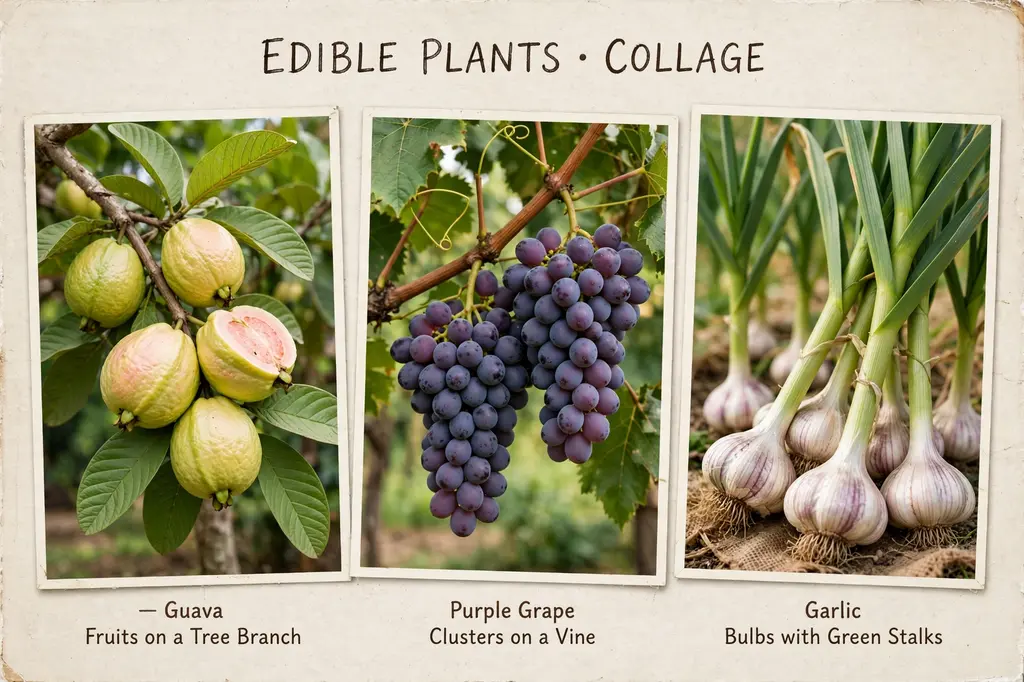
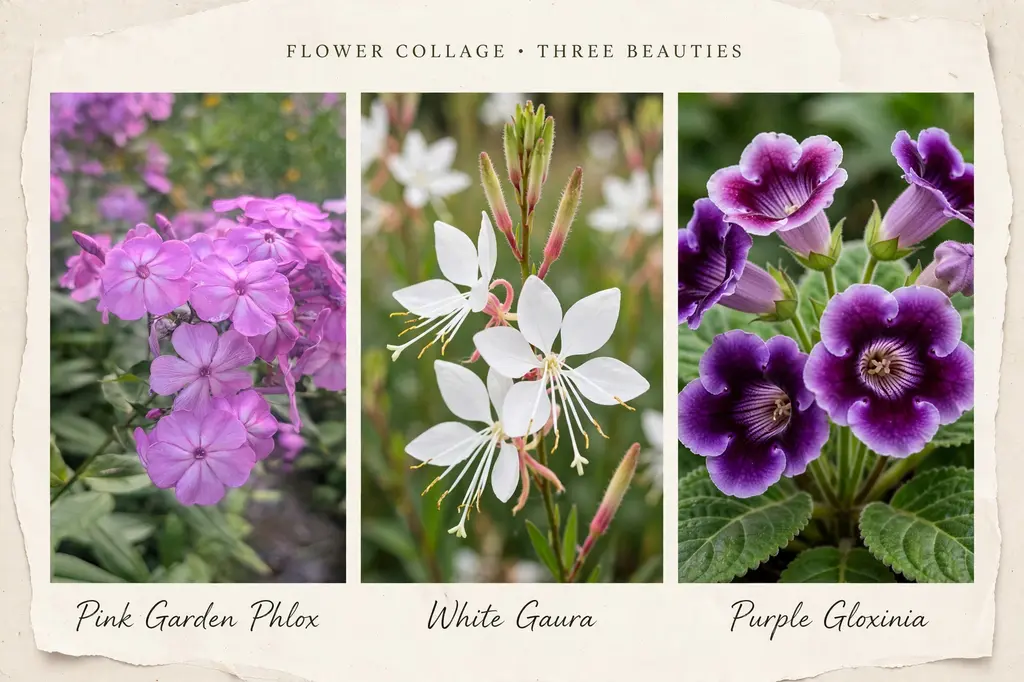
19. Garden Phlox (Phlox paniculata)
Garden phlox is the fragrance of high summer — tall, stately clusters of pink, white, lavender, and red blooms that perfume the evening air and draw butterflies by the dozen. These classic perennials (zones 4–8) anchor the middle of the summer border from July into September, and modern mildew-resistant varieties have solved the plant’s one historic weakness.
Growing tips: Plant in full sun with good air circulation to prevent powdery mildew — choose resistant cultivars like ‘David’ (white) or ‘Jeana’ (pink) for insurance. Space plants 18–24 inches apart and thin emerging stems to five or six per clump for airflow. Deadhead spent clusters to extend blooming, and divide clumps every three to four years in spring or fall to keep them vigorous. Water at the base to keep foliage dry.
20. Gaura (Oenothera lindheimeri)
Gaura’s delicate white and pink blossoms dance on wiry stems like a cloud of butterflies, moving with every breeze. Botanists recently reclassified it from Gaura lindheimeri to Oenothera lindheimeri (it is a true evening primrose relative), but nurseries still sell it as gaura — and gardeners still love it for bringing airy movement to sunny borders. It blooms from early summer until frost with almost no deadheading.
Growing tips: Give gaura full sun and lean, well-drained soil — rich soil and heavy fertilizer make it floppy. Once established it is remarkably drought-tolerant. Shear plants back by half in midsummer if they get leggy, and they will rebound with fresh blooms. Hardy in zones 5–9; in colder areas, grow it as an annual or mulch heavily. It self-sows gently, so you will often get delightful volunteers.
21. Gloxinia (Sinningia speciosa)
Gloxinia is the drama queen of indoor plants — huge, velvety, trumpet-shaped flowers in rich purples, pinks, reds, and whites, floating above soft, quilted leaves. This Brazilian native grows from a tuber and puts on a spectacular show for months, then politely goes dormant so you can rest it until next season. It is the perfect gift plant that keeps on giving year after year.
Growing tips: Provide bright, indirect light and warm temperatures — cold drafts cause buds to drop. Water from the bottom or carefully at the soil edge, because wet leaves and crowns rot quickly; allow the top inch of soil to dry between waterings. Feed every two weeks while blooming. When flowering finishes and the leaves yellow, stop watering, let the tuber rest dry and cool for two to three months, then repot and resume watering to start the cycle again.
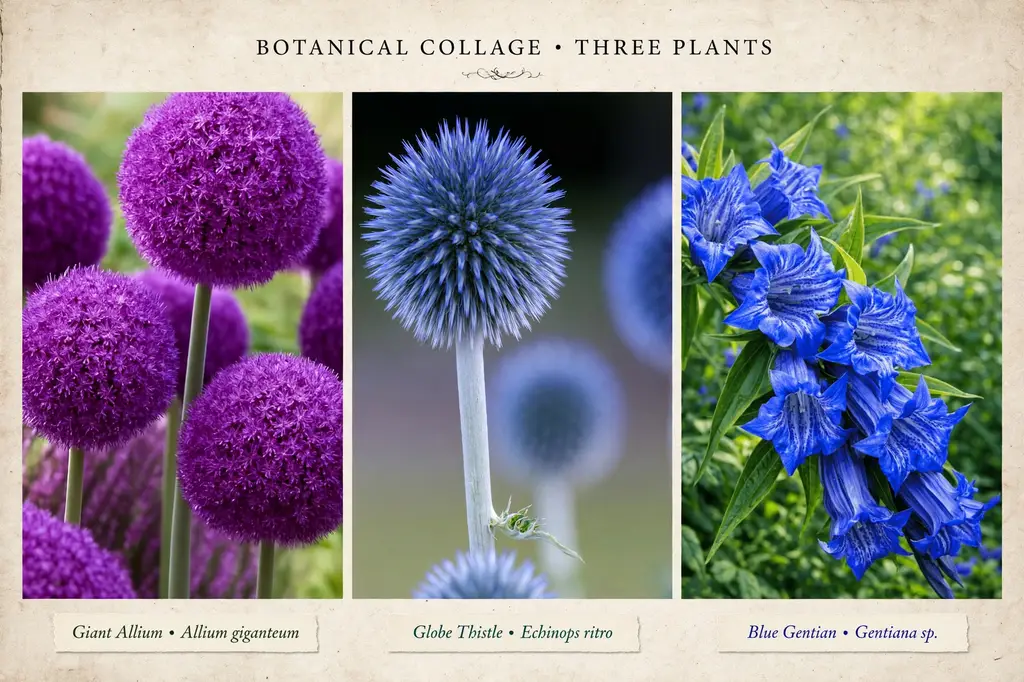
22. Giant Allium (Allium giganteum)
Few spring sights stop traffic like giant allium: perfect six-inch spheres of starry purple flowers floating on three- to four-foot stems above the late-spring border. These ornamental onions bridge the gap between spring bulbs and summer perennials, and their architectural seedheads stay attractive for weeks after the color fades.
Growing tips: Plant bulbs in fall, six to eight inches deep in full sun with excellent drainage — alliums rot in soggy soil. Because the strap-like foliage yellows as the flowers open, plant them behind or among perennials that will hide the dying leaves. Do not cut the foliage until it browns completely; it is feeding next year’s bloom. Deer, rabbits, and rodents all avoid them, and they are hardy in zones 4–8.
23. Globe Thistle (Echinops ritro)
Globe thistle brings steely-blue golf balls on stiff stems to the summer garden — a color so unusual it looks almost metallic. The spiky spheres are bee magnets, excellent cut flowers, and superb dried, holding their color indefinitely. The cultivar ‘Veitch’s Blue’ is a deeper, richer blue than the species and a fixture in professional landscape designs.
Growing tips: Plant in full sun in poor to average, well-drained soil — globe thistle actually performs better without rich soil or fertilizer, which makes it flop. It is extremely drought-tolerant once established. Deadhead before seeds mature if you want to limit self-sowing, or leave the heads standing for winter interest and goldfinches. Hardy in zones 3–8; cut the whole plant back in late fall or early spring.
24. Gentian (Gentiana spp.)
Gentians produce some of the truest, most intense blues in the entire plant kingdom — deep, saturated trumpet flowers that look almost unreal against green foliage. The bottle gentian (Gentiana andrewsii) of North American meadows never even fully opens, while alpine species like G. acaulis hug the ground in rock gardens. They are connoisseurs’ plants: a little fussy, but unforgettable.
Growing tips: Most gentians want cool, humus-rich, evenly moist soil and protection from hot afternoon sun — think woodland edge or rock garden conditions. Never let them dry out, and never disturb established roots; they resent transplanting. Mulch to keep roots cool in summer. Hardy generally in zones 3–7. If a gentian sulks, it is usually telling you the soil is too warm, too dry, or too alkaline.
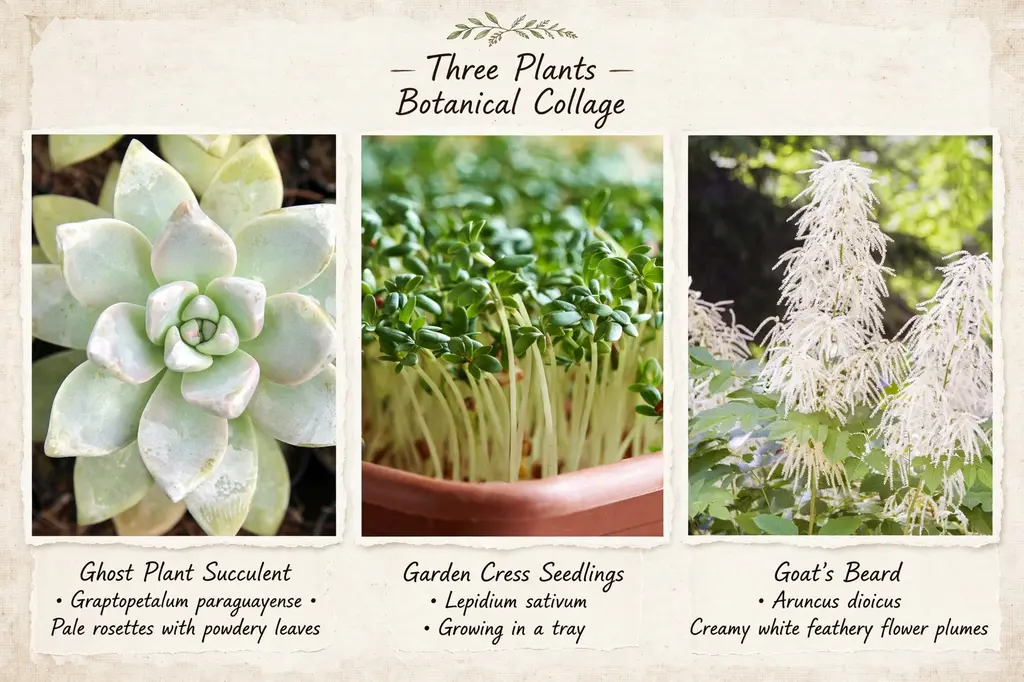
25. Garden Cress (Lepidium sativum)
Garden cress is the fastest food you can grow: sow it today and snip peppery, watercress-flavored sprouts in seven to fourteen days. This humble annual has been grown since ancient times, and it remains the perfect first “crop” for kids, apartment dwellers, and anyone who wants a confidence-building win. All you need is a tray, something damp, and a windowsill.
Growing tips: Scatter seeds thickly over moist potting soil, a damp paper towel, or even a sponge — cress is not picky. Keep it consistently moist (a spray bottle works perfectly) and in bright, indirect light. Harvest with scissors when seedlings are two to three inches tall, cutting just above the base. Sow a fresh batch every week for a continuous supply, and use the snippings in salads, sandwiches, and soups.
26. Ghost Plant (Graptopetalum paraguayense)
The ghost plant looks like it was carved from pale moonstone — thick, opalescent rosettes in shades of gray, lavender, and pink that trail gracefully over pot edges. This Mexican succulent is nearly indestructible, propagates from a single fallen leaf, and blushes pinker with more sun and a touch of drought stress. It also ranks among the best terrarium plants for open, airy glass containers.
Growing tips: Give ghost plant the brightest light you have and extremely gritty, fast-draining cactus soil — standard potting mix stays too wet. Water deeply but rarely, only when the soil is completely dry; in winter, water barely at all. Outdoors it is hardy to about 20°F (zones 9–10); elsewhere, grow it in pots and bring it inside before frost. To multiply, simply lay fallen leaves on dry soil and wait.
27. Goat’s Beard (Aruncus dioicus)
Goat’s beard is the exclamation point of the shade garden — a bold, architectural perennial that sends up towering plumes of creamy white flowers in early summer, reaching four to six feet tall and wide. It looks like a giant astilbe and fills the role of a shrub in shady borders where flowering shrubs refuse to bloom. Male plants have showier, fuller plumes than females.
Growing tips: Plant in partial to full shade in rich, consistently moist soil — goat’s beard wilts dramatically if it dries out, so site it near downspouts or in naturally damp spots. Give it room; this is not a plant for tight spaces. Cut spent flower plumes back after blooming, and leave the attractive foliage until fall cleanup. Hardy in zones 3–8 and deer-resistant once established.
28. Golden Alexander (Zizia aurea)
Golden Alexander is one of the best native plants hardly anyone grows — cheerful flat-topped clusters of golden yellow flowers in late spring, right when the garden needs them most. A member of the carrot family, it feeds early pollinators and serves as a host plant for black swallowtail butterfly caterpillars. It is the well-mannered native alternative to invasive look-alikes.
Growing tips: Plant in full sun to partial shade in average to moist soil; it tolerates clay and even periodic wetness, making it excellent for rain gardens. Deadhead if you want to limit its enthusiastic self-sowing, or leave the seedheads standing for birds. Cut back in midsummer if the foliage gets ragged and it will flush fresh growth. Hardy in zones 3–8 and essentially pest-free.
Bloom, Water & Hardiness Comparison
Use this table to compare flowering seasons, watering needs, and cold hardiness across all 28 plants at a glance.
| Plant | Bloom / Harvest Season | Water Needs | USDA Zones |
|---|---|---|---|
| Geranium | Summer to frost | Moderate; let top inch dry | 9–11 (annual elsewhere) |
| Gardenia | Late spring to summer | High; keep evenly moist | 7–10 |
| Gerbera Daisy | Spring to frost | Moderate; avoid wet crowns | 8–10 (annual elsewhere) |
| Golden Pothos | Rarely blooms indoors | Low–moderate | 10–12 (houseplant) |
| Ginseng | Summer (inconspicuous); red berries in fall | Moderate; forest-floor moist | 3–8 |
| Ginger | Late summer (ornamental); harvest rhizomes at 8–10 months | High; evenly moist | 8–11 (pot elsewhere) |
| Grape Hyacinth | Early to mid-spring | Low–moderate | 4–8 |
| Gladiolus | Midsummer to fall | Moderate | 7–10 (lift elsewhere) |
| Gazania | Summer to frost | Low; drought-tolerant | 9–11 (annual elsewhere) |
| Ginkgo | Spring (inconspicuous); gold foliage in fall | Low once established | 3–8 |
| Golden Chain Tree | Mid-spring (2–3 weeks) | Moderate | 5–7 |
| Gooseberry | Summer harvest | Moderate | 3–8 |
| Globe Amaranth | Summer to hard frost | Low–moderate; drought-tolerant | Grown as annual |
| Gypsophila | Summer | Low; needs sharp drainage | 3–9 |
| Goldenrod | Late summer to fall | Low–moderate | 3–9 |
| Guava | Fruit ripens late summer to fall | Moderate | 9–11 |
| Grape | Fruit ripens late summer to fall | Moderate; deep, infrequent | 4–9 (by variety) |
| Garlic | Harvest early to midsummer | Moderate; stop before harvest | 3–9 |
| Garden Phlox | Midsummer to early fall | Moderate | 4–8 |
| Gaura | Early summer to frost | Low–moderate; drought-tolerant | 5–9 |
| Gloxinia | Spring to fall indoors | Moderate; dry rest in winter | Houseplant (tuber) |
| Giant Allium | Late spring to early summer | Low–moderate | 4–8 |
| Globe Thistle | Midsummer to early fall | Low; drought-tolerant | 3–8 |
| Gentian | Late summer to fall | Moderate–high; never dry | 3–7 |
| Garden Cress | Harvest in 7–14 days | High; keep moist | Grown indoors/year-round |
| Ghost Plant | Spring (small starry flowers) | Very low | 9–10 (pot elsewhere) |
| Goat’s Beard | Early summer | High; never dry out | 3–8 |
| Golden Alexander | Late spring | Moderate; tolerates wet | 3–8 |
Frequently Asked Questions
What are the easiest plants that start with G for beginners?
Start with golden pothos (thrives on neglect indoors), zonal geraniums (bloom all summer in a sunny pot), grape hyacinth bulbs (plant in fall, enjoy every spring), globe amaranth (heat-proof annual), or garden cress (harvestable in under two weeks). All five forgive the mistakes beginners inevitably make.
Which plants starting with G make good houseplants?
Golden pothos is the classic, but gloxinia offers spectacular indoor flowers, ginger grows well in a warm sunny pot, and ghost plant is perfect for bright windowsills. Gardenias and geraniums can also winter indoors in pots if you have a bright, cool spot.
Are any plants that start with G poisonous?
Yes — handle with care. The golden chain tree (laburnum) is the most dangerous: all parts, especially the seeds, are toxic. Golden pothos is toxic to cats, dogs, and humans if eaten. Ginkgo seeds and unripe fruit can cause issues, and gooseberry thorns are just plain painful. Always check toxicity before planting around children and pets.
Which G plants are best for attracting pollinators?
Goldenrod is a late-season lifeline for monarchs and native bees, globe thistle and gaura are bee magnets all summer, golden Alexander hosts black swallowtail caterpillars, and garden phlox draws butterflies with its fragrant evening blooms.
What is the difference between a geranium and a Pelargonium?
True geraniums (Geranium spp., also called cranesbills) are hardy perennials. The “geraniums” sold as bedding plants are actually Pelargoniums — tender South African plants grown as annuals in cold climates. Nurseries use the common name loosely, but knowing the difference helps you buy the right plant for your zone.
Can I grow plants that start with G in containers?
Absolutely. Geraniums, gerbera daisies, gloxinia, ghost plant, ginger, garden cress, and grape hyacinth all thrive in pots. Even guava has dwarf varieties suited to large containers. Use quality potting mix, ensure drainage holes, and remember containers dry out faster than garden beds. When you finish the G list, keep going with our guides to plants that start with J, plants that start with N, and plants that start with R.
References
- Missouri Botanical Garden — Plant Finder — detailed botanical profiles and growing requirements for garden plants.
- Royal Horticultural Society — Find a Plant — hardiness ratings and cultivation advice from the RHS.
- The Old Farmer’s Almanac — planting calendars, frost dates, and vegetable and herb growing guides.
- Gardening Know How — practical how-to articles on flowers, edibles, and houseplant care.
- NC State Extension Plant Toolbox — research-based plant profiles including toxicity and landscape use.