40 Flowers That Start With L: Names, Pictures & Growing Tips
40 Flowers That Start With L: Names, Pictures & Growing Tips
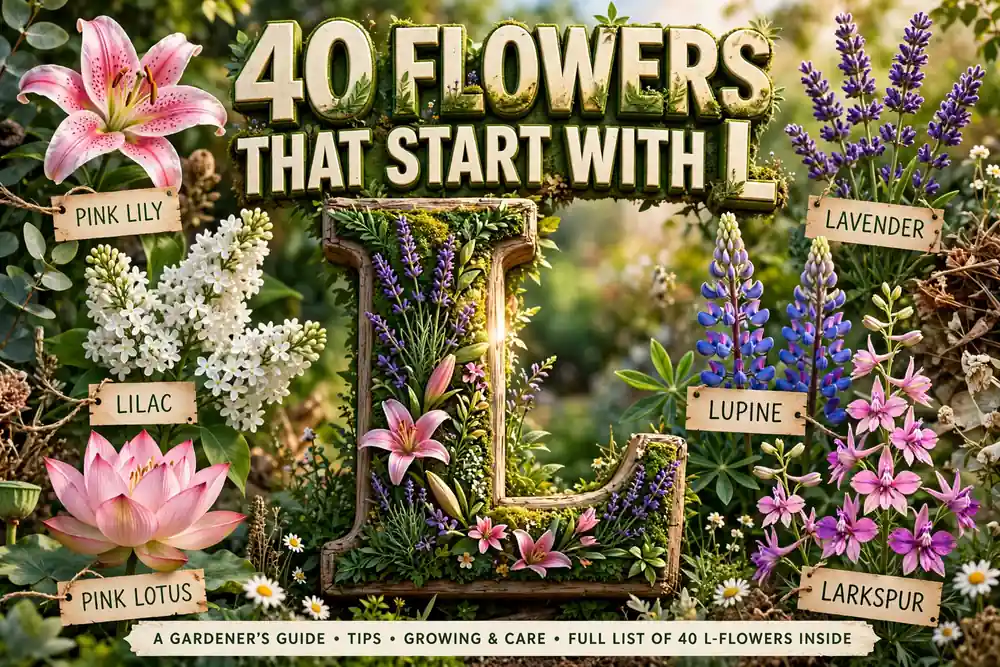
Looking for flower names that start with L? You have come to the right place. The letter L delivers some of the most beloved blooms in American gardens, from the statuesque summer lilies and fragrant lavender fields to the spring perfume of lilacs and the cottage charm of lupines. Whether you are designing a pollinator border, planning a fragrant cutting garden, or helping a child with an alphabet garden project, this guide covers 40 real flowers that start with L, each with a vivid description and practical growing advice for US gardeners.
Every entry below includes the flower’s scientific name, bloom season, sun needs, and USDA hardiness zone, so you can tell at a glance which L-flowers will thrive in your yard. You will also find two quick comparison tables, beginner-friendly growing tips, and answers to the most common questions gardeners ask about flowers beginning with the letter L. Let’s dig in.
Quick Answer
Popular flowers that start with L include Lily, Lavender, Lilac, Larkspur, Lisianthus, Lobelia, Lantana, Lupine, Lotus, and Lily of the Valley. They range from spring bulbs and summer perennials to fragrant shrubs and tropical aquatics, covering USDA zones 3–11, so there is an L-flower for nearly every US garden.
Table of Contents
L-Flowers at a Glance
Use this table to compare all 40 flowers that start with L side by side, from botanical names to native regions.
| Flower name | Scientific name | Type | Color | Native region |
|---|---|---|---|---|
| Lily | Lilium hybrids | Bulb | White, pink, orange, red, yellow | Asia, Europe, North America |
| Lavender | Lavandula angustifolia | Subshrub perennial | Purple, violet, white, pink | Mediterranean |
| Lilac | Syringa vulgaris | Deciduous shrub | Purple, pink, white, blue | Balkans, Eastern Europe |
| Larkspur | Consolida ajacis | Annual | Blue, purple, pink, white | Mediterranean |
| Lisianthus | Eustoma grandiflorum | Annual | Purple, pink, white, blue | Southern US, Mexico |
| Lobelia | Lobelia erinus | Annual | Blue, purple, white, pink | South Africa |
| Lantana | Lantana camara | Tender perennial | Yellow, orange, red, pink, purple | Central and South America |
| Lupine | Lupinus polyphyllus | Herbaceous perennial | Blue, purple, pink, white, yellow | Western North America |
| Lotus | Nelumbo nucifera | Aquatic perennial | Pink, white | Asia, Australia |
| Love-in-a-Mist | Nigella damascena | Annual | Blue, white, pink | Mediterranean |
| Lungwort | Pulmonaria officinalis | Evergreen perennial | Blue, pink | Europe |
| Lily of the Valley | Convallaria majalis | Rhizomatous perennial | White (pink forms) | Europe, Asia |
| Liatris | Liatris spicata | Herbaceous perennial | Purple, white | Eastern North America |
| Lady’s Mantle | Alchemilla mollis | Herbaceous perennial | Chartreuse-yellow | Europe, Asia |
| Leadwort | Ceratostigma plumbaginoides | Herbaceous perennial | Blue | Western China |
| Lavatera | Lavatera trimestris | Annual | Pink, white, rose | Mediterranean |
| Lamium | Lamium maculatum | Evergreen groundcover | Pink, purple, white | Europe, Middle East, North Africa |
| Lady’s Slipper | Cypripedium parviflorum | Woodland orchid | Yellow, pink | North America |
| Livingstone Daisy | Dorotheanthus bellidiformis | Annual succulent | Pink, orange, yellow, red, white | South Africa |
| Statice | Limonium sinuatum | Annual | Purple, blue, pink, white, yellow | Mediterranean |
| Shasta Daisy | Leucanthemum × superbum | Herbaceous perennial | White with yellow center | Hybrid (European/North American parents) |
| Maltese Cross | Lychnis chalcedonica | Herbaceous perennial | Scarlet red | Russia, Siberia |
| Gooseneck Loosestrife | Lysimachia clethroides | Herbaceous perennial | White | China, Japan |
| Lilyturf | Liriope muscari | Evergreen perennial | Purple, white | China, Japan |
| Lenten Rose | Helleborus × hybridus | Evergreen perennial | White, pink, purple, green | Hybrid (Balkan/European parents) |
| Lithodora | Lithodora diffusa | Evergreen subshrub | Blue | Southern Europe, Turkey |
| Chinese Fringe Flower | Loropetalum chinense | Evergreen shrub | Pink, white | China, Japan, Himalayas |
| Lemon Blossom | Citrus limon | Evergreen tree | White | South Asia (cultivated worldwide) |
| London Pride | Saxifraga × urbium | Evergreen perennial | Pink and white | Hybrid (European parents) |
| Surprise Lily | Lycoris radiata | Bulb | Red (pink and white forms) | China, Japan, Korea |
| Lady Banks’ Rose | Rosa banksiae | Climbing rose (thornless) | Yellow, white | China |
| Honeysuckle | Lonicera periclymenum | Deciduous vine | Cream, yellow, pink | Europe, North Africa |
| Honesty | Lunaria annua | Biennial | Purple, white | Southern Europe |
| Sweet Pea | Lathyrus odoratus | Annual vine | Pink, purple, white, red, blue | Sicily, Italy |
| Purple Toadflax | Linaria purpurea | Herbaceous perennial | Purple-pink | Italy, Sicily |
| Lion’s Ear | Leonotis leonurus | Tender perennial | Orange | South Africa |
| Leopard’s Bane | Doronicum orientale | Herbaceous perennial | Yellow | Europe, Turkey, Caucasus |
| Golden Groundsel | Ligularia dentata | Herbaceous perennial | Orange-gold | China, Japan |
| Summer Snowflake | Leucojum aestivum | Bulb | White | Europe, Western Asia |
| Lewisia | Lewisia cotyledon | Evergreen perennial | Pink, orange, white, yellow | Western North America |
Bloom Season, Sun Needs & Hardiness Zones
Planning your garden calendar? This second table shows when each L-flower blooms, how much sun it wants, and the USDA zones where it grows outdoors year-round.
| Flower name | Bloom season | Sun needs | Hardiness zone |
|---|---|---|---|
| Lily | Summer | Full sun to part shade | 4–9 |
| Lavender | Summer | Full sun | 5–9 |
| Lilac | Spring | Full sun | 3–8 |
| Larkspur | Late spring to summer | Full sun | Grown as annual |
| Lisianthus | Summer to fall | Full sun | 8–10; annual elsewhere |
| Lobelia | Summer to fall | Full sun to part shade | Grown as annual |
| Lantana | Summer to fall | Full sun | 8–11; annual elsewhere |
| Lupine | Late spring to early summer | Full sun to part shade | 4–8 |
| Lotus | Summer | Full sun | 4–10 (in water) |
| Love-in-a-Mist | Late spring to summer | Full sun | Grown as annual |
| Lungwort | Early spring | Part to full shade | 3–8 |
| Lily of the Valley | Spring | Part to full shade | 3–7 |
| Liatris | Summer | Full sun | 3–9 |
| Lady’s Mantle | Early summer | Full sun to part shade | 3–7 |
| Leadwort | Late summer to fall | Full sun to part shade | 5–9 |
| Lavatera | Summer to fall | Full sun | Grown as annual |
| Lamium | Spring | Part to full shade | 3–8 |
| Lady’s Slipper | Late spring | Part to full shade | 4–8 |
| Livingstone Daisy | Summer | Full sun | Grown as annual |
| Statice | Summer to fall | Full sun | 8–10; annual elsewhere |
| Shasta Daisy | Summer to fall | Full sun | 4–9 |
| Maltese Cross | Summer | Full sun | 3–8 |
| Gooseneck Loosestrife | Summer | Full sun to part shade | 3–8 |
| Lilyturf | Late summer to fall | Part to full shade | 6–10 |
| Lenten Rose | Late winter to spring | Part to full shade | 4–9 |
| Lithodora | Spring to early summer | Full sun to part shade | 6–8 |
| Chinese Fringe Flower | Spring | Full sun to part shade | 7–10 |
| Lemon Blossom | Spring (multiple flushes) | Full sun | 9–11 |
| London Pride | Late spring | Part shade | 6–8 |
| Surprise Lily | Late summer to fall | Full sun to part shade | 6–10 |
| Lady Banks’ Rose | Spring | Full sun | 8–11 |
| Honeysuckle | Summer | Full sun to part shade | 4–8 |
| Honesty | Spring | Full sun to part shade | 4–8 (biennial) |
| Sweet Pea | Spring to early summer | Full sun | Grown as annual |
| Purple Toadflax | Summer to fall | Full sun | 4–8 |
| Lion’s Ear | Late summer to fall | Full sun | 8–11; annual elsewhere |
| Leopard’s Bane | Spring | Part shade | 4–7 |
| Golden Groundsel | Late summer | Part shade | 4–8 |
| Summer Snowflake | Spring | Full sun to part shade | 4–9 |
| Lewisia | Spring to early summer | Full sun to part shade | 3–8 |
40 Flowers That Start With L: The Complete List
Here they are — 40 beautiful, real flowers beginning with L, each with growing notes so you can pick the right ones for your garden.
1. Lily (Lilium hybrids)
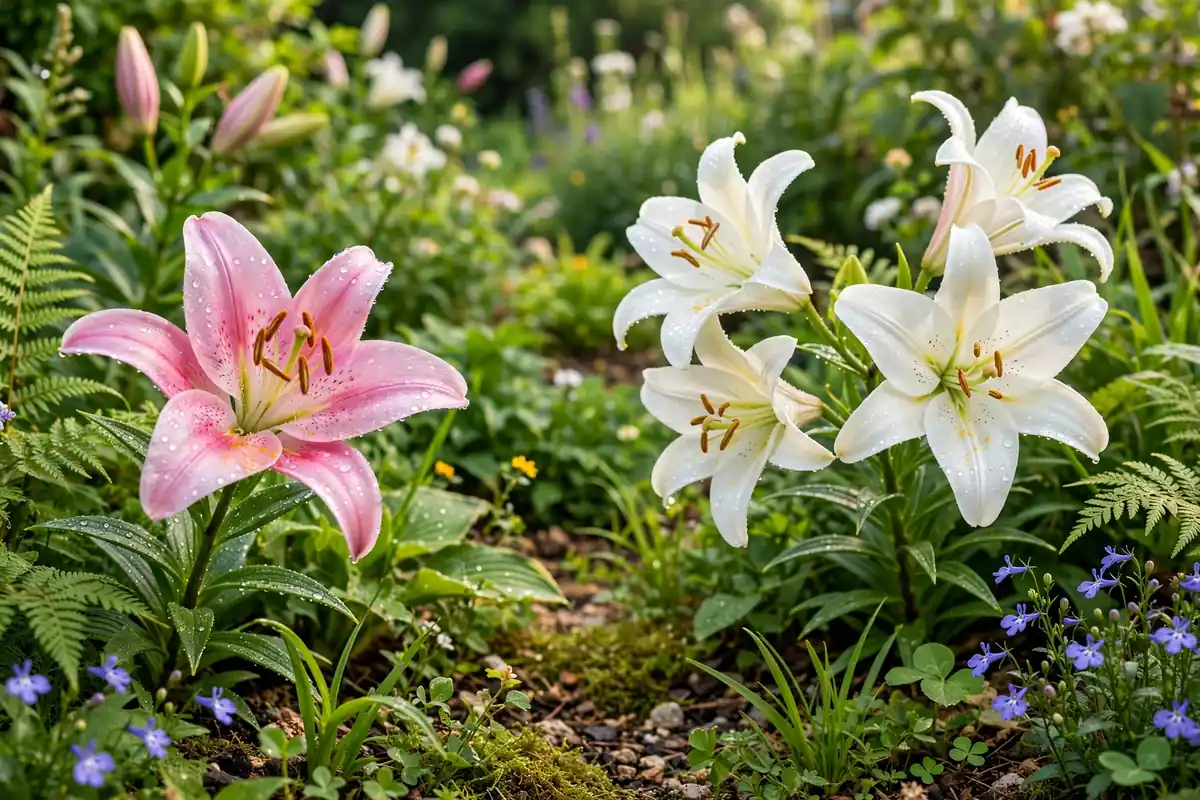
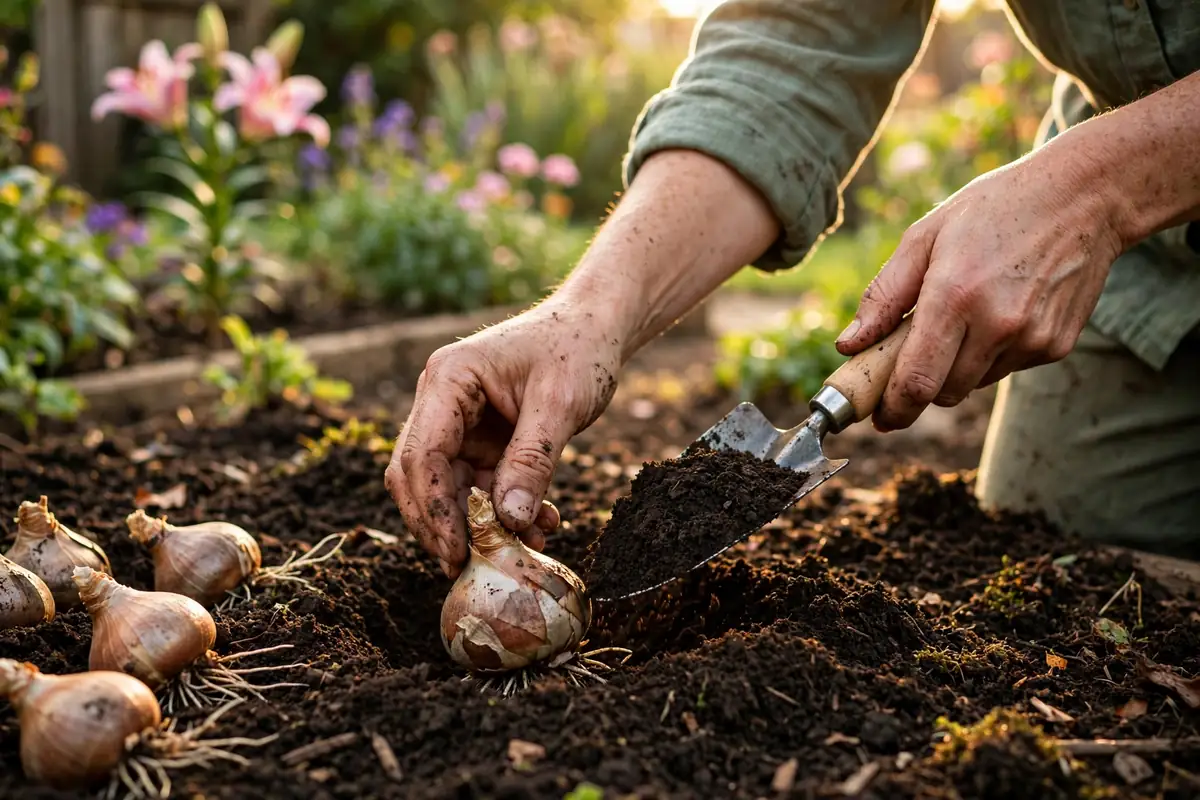
Lilies are the undisputed queens of the summer garden, with huge trumpet or bowl-shaped blooms on stems 2–6 feet tall. Asiatic types bloom early and come in nearly every color, while Oriental lilies flower later with intoxicating fragrance. Plant bulbs 6 inches deep in spring or fall in well-drained soil, and mulch to keep roots cool. Deadhead spent blooms but leave the foliage to feed next year’s bulbs.
Bloom: Summer | Sun: Full sun to part shade | Zone: 4–9 | Best for: Cut flowers, summer borders
2. Lavender (Lavandula angustifolia)
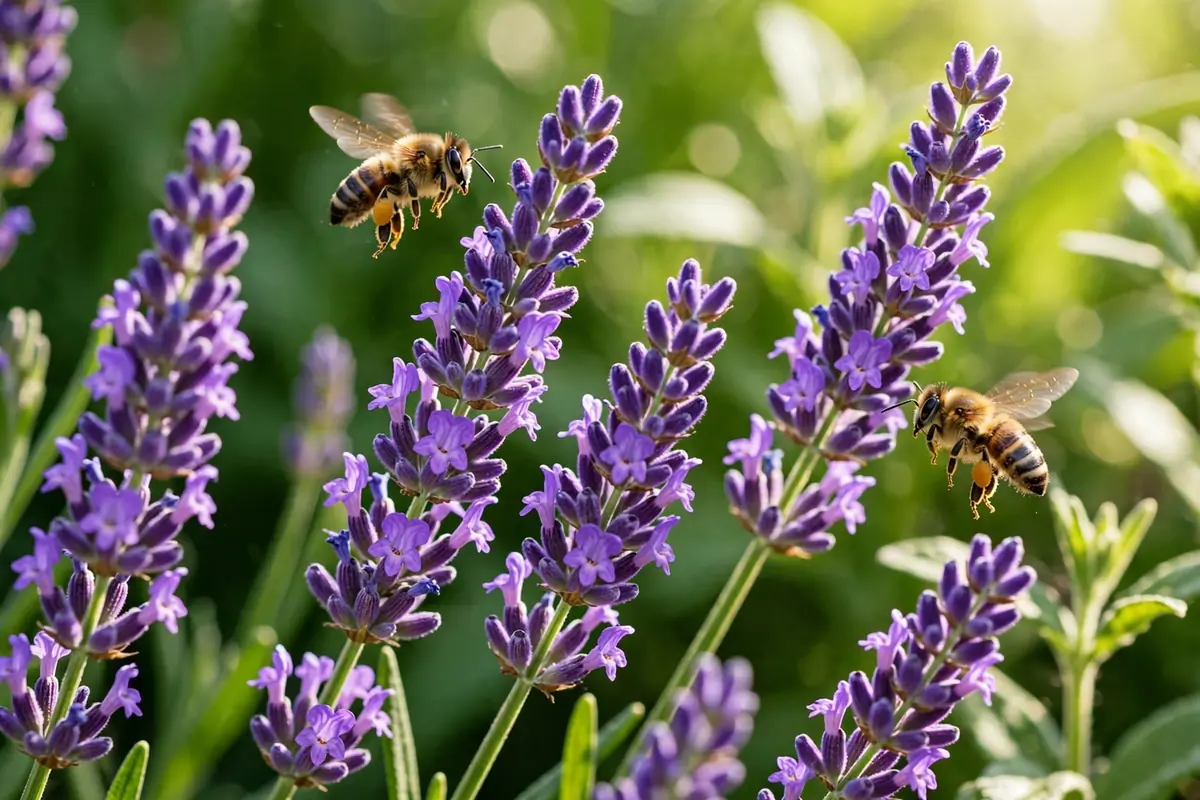
English lavender fills the summer garden with fragrant purple spikes and silvery foliage that bees adore. It thrives on neglect — full sun, lean alkaline soil, and sharp drainage are the whole recipe. ‘Hidcote’ and ‘Munstead’ are compact favorites for edging, while ‘Phenomenal’ handles humidity better than older types. Harvest stems just as buds open for the most potent dried bouquets and sachets.
Bloom: Summer | Sun: Full sun | Zone: 5–9 | Best for: Fragrance gardens, edging, containers
3. Lilac (Syringa vulgaris)
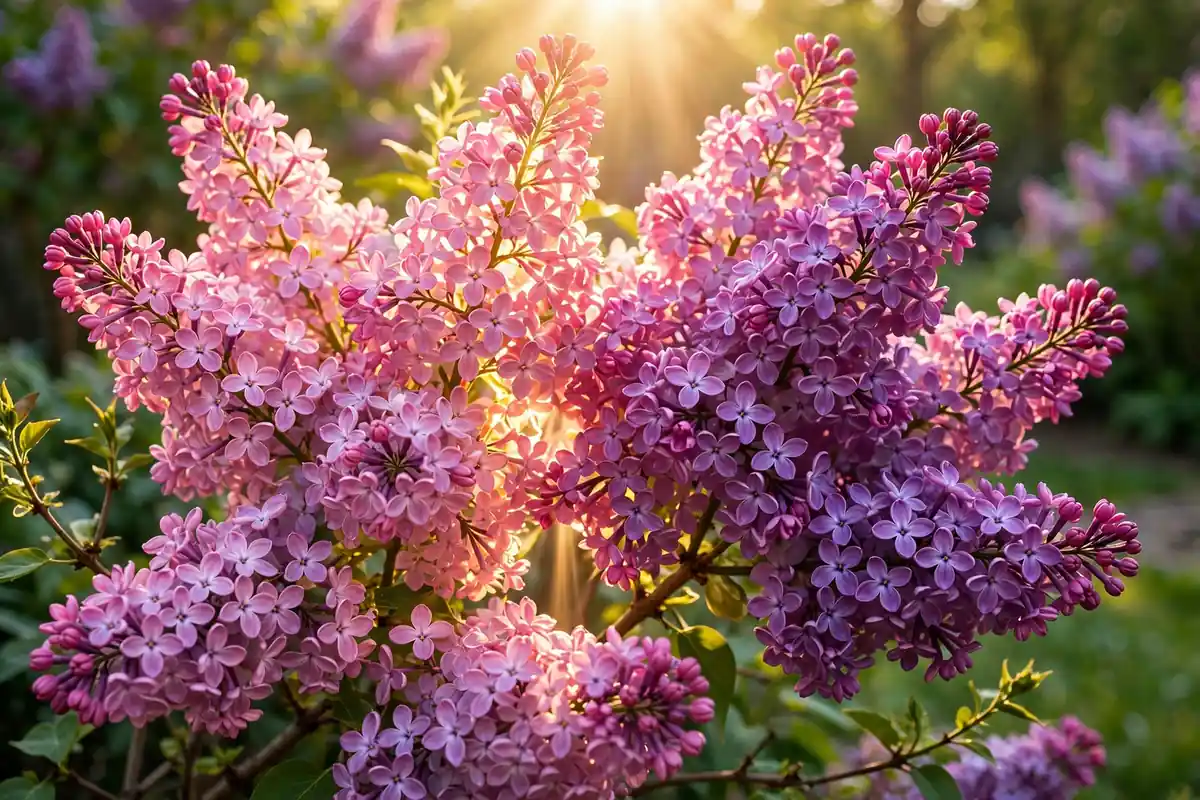
Few flowers announce spring like the sweet perfume of lilacs drifting through an open window. These classic deciduous shrubs produce dense panicles of purple, pink, white, or blue blooms for about three weeks each spring. Plant in full sun with good air circulation, prune right after flowering, and remove suckers to keep them tidy. Older varieties need winter chill, so southern gardeners should choose low-chill rebloomers like the Bloomerang series.
Bloom: Spring | Sun: Full sun | Zone: 3–8 | Best for: Spring fragrance, hedges
4. Larkspur (Consolida ajacis)
Larkspur brings vertical drama to cottage gardens with tall spires of blue, purple, pink, or white blooms on feathery foliage. These cool-season annuals are sown directly outdoors in fall or very early spring — they dislike transplanting and germinate best in cool soil. The flowers are excellent cut flowers and dry well. Note that all parts are toxic if eaten, so plant away from vegetable beds and curious pets.
Bloom: Late spring to summer | Sun: Full sun | Zone: Grown as annual | Best for: Cottage gardens, cut flowers
5. Lisianthus (Eustoma grandiflorum)
Lisianthus looks like a rose crossed with a tulip, with ruffled, satiny blooms in purple, pink, white, and blue that last up to three weeks in a vase. Native to the southern US, it is a florist favorite that gardeners can grow from seed or transplants. Give it full sun, consistent moisture, and slightly alkaline soil; pinching young plants encourages branching and more flowers.
Bloom: Summer to fall | Sun: Full sun | Zone: 8–10; annual elsewhere | Best for: Cut flowers, wedding bouquets
6. Lobelia (Lobelia erinus)
Edging lobelia is a bedding-plant staple, forming neat mounds of intense blue, purple, or white flowers all summer long. At 4–8 inches tall, it excels along borders, in window boxes, and spilling from hanging baskets. It prefers cool weather — in hot climates it sulks in August but rebounds in fall, and afternoon shade helps. Shear back leggy plants in midsummer for a fresh flush.
Bloom: Summer to fall | Sun: Full sun to part shade | Zone: Grown as annual | Best for: Edging, hanging baskets, containers
7. Lantana (Lantana camara)
Lantana is a heat-loving powerhouse whose flower clusters shift color as they age — yellow opening to orange and red — creating a multicolor effect butterflies cannot resist. It blooms nonstop from summer to frost with zero deadheading and shrugs off drought and heat. In zones 8–11 it is a perennial shrub; elsewhere grow it as an annual. Note: berries are toxic, so keep away from children and pets.
Bloom: Summer to fall | Sun: Full sun | Zone: 8–11; annual elsewhere | Best for: Pollinator gardens, heat-tough containers
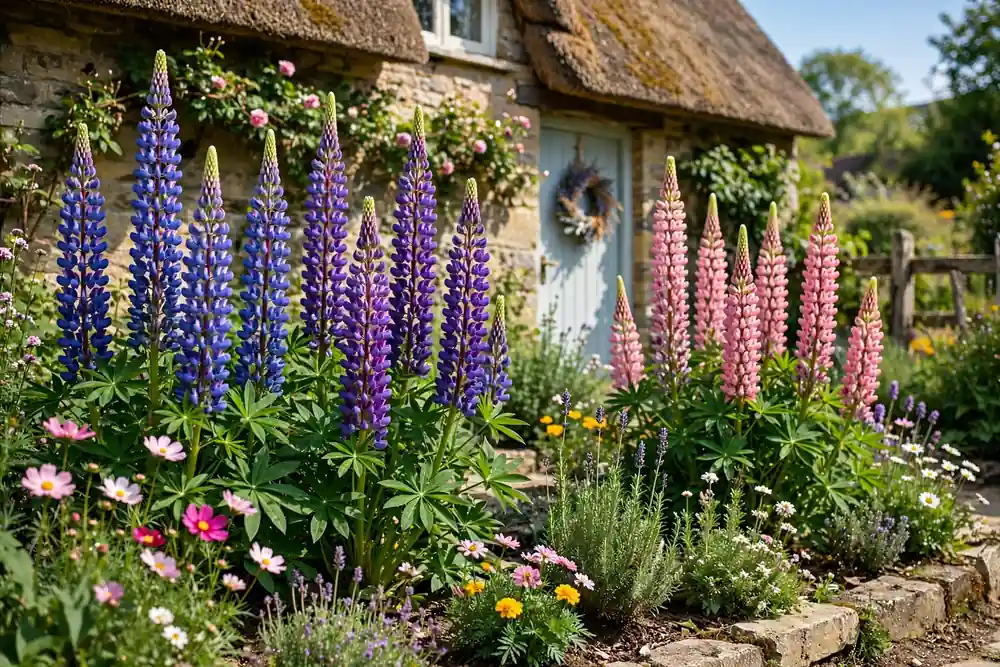
8. Lupine (Lupinus polyphyllus)
Russell hybrid lupines send up spectacular 2- to 3-foot spires of pea-like flowers in every shade from deep blue to pink, yellow, and white. These Pacific Northwest natives fix nitrogen in the soil and prefer cool summers — they struggle where nights stay hot. Sow seeds directly in fall or early spring, as lupines resent transplanting. Deadhead spent spikes promptly to encourage a second, smaller flush.
Bloom: Late spring to early summer | Sun: Full sun to part shade | Zone: 4–8 | Best for: Cottage gardens, wildflower meadows
9. Lotus (Nelumbo nucifera)
The sacred lotus is pure drama — dinner-plate leaves and enormous pink or white blooms rising above still water on 2- to 4-foot stalks. Sacred in Asian cultures, it grows from tubers planted in heavy loam in a wide, sunken pot placed in full sun. Lotus needs warm water (above 70°F) to bloom well. In zones below 6, sink the pot deep or overwinter it indoors.
Bloom: Summer | Sun: Full sun | Zone: 4–10 (in water) | Best for: Ponds, water gardens
10. Love-in-a-Mist (Nigella damascena)
Love-in-a-mist charms with cornflower-blue blooms floating in a cloud of feathery, fennel-like foliage, followed by striped balloon seed pods that dry beautifully. This easy annual self-sows freely once established — scatter seeds in early spring and let it naturalize. The pods are a dried-arrangement favorite. ‘Miss Jekyll’ is the classic blue, while ‘Persian Jewels’ offers a mixed color range.
Bloom: Late spring to summer | Sun: Full sun | Zone: Grown as annual | Best for: Self-sowing beds, dried flowers
11. Lungwort (Pulmonaria officinalis)
Lungwort is one of the first perennials to bloom, opening pink buds that mature to sky blue on the same plant — a two-tone spring show. Its silver-spotted foliage stays handsome in shade all season, making it a workhorse groundcover under trees. Plant it in moist, humus-rich soil; it dislikes drought. ‘Mrs. Moon’ and ‘Sissinghurst White’ are reliable garden varieties.
Bloom: Early spring | Sun: Part to full shade | Zone: 3–8 | Best for: Shade gardens, groundcover
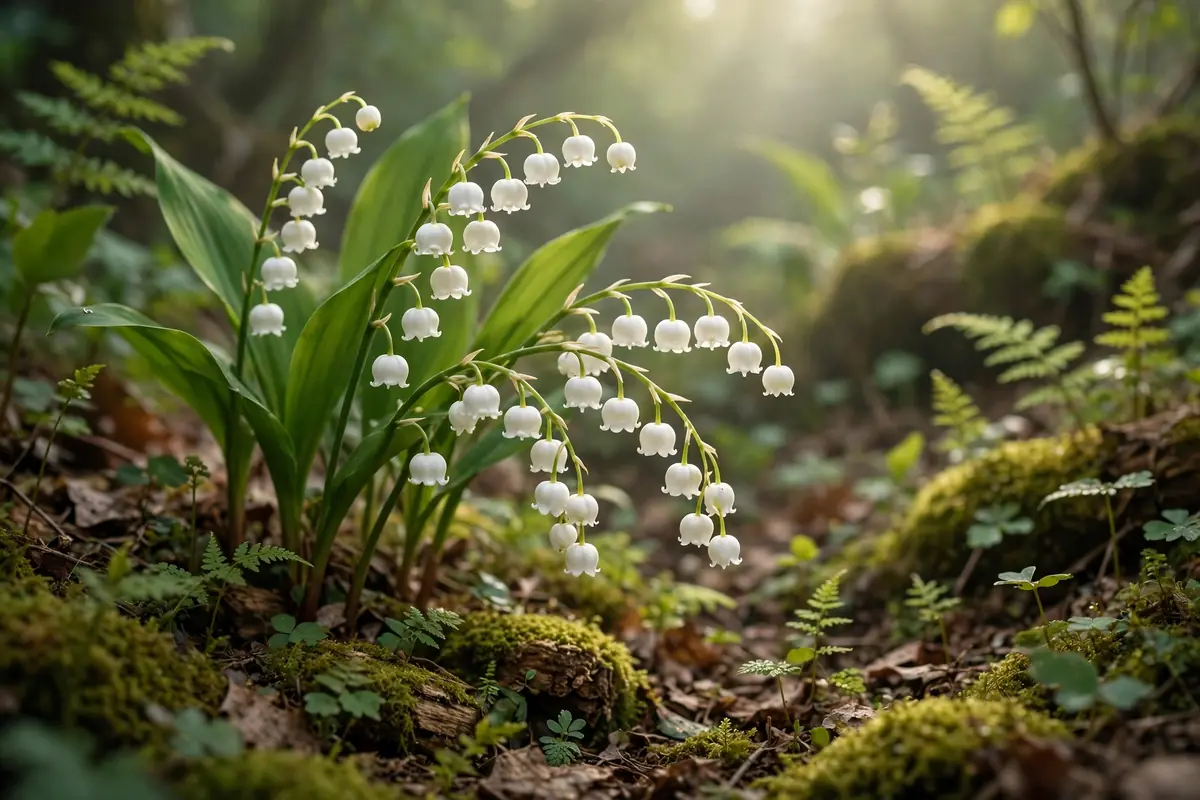
12. Lily of the Valley (Convallaria majalis)
Those tiny white bells carry the sweetest perfume of spring, and lily of the valley forms a lush, weed-smothering carpet under trees where little else grows. It spreads by rhizomes — vigorously, so give it room or a contained bed. Note that every part of the plant is highly toxic if eaten. ‘Rosea’ offers soft pink bells, and variegated forms brighten deep shade.
Bloom: Spring | Sun: Part to full shade | Zone: 3–7 | Best for: Fragrant shade groundcover
13. Liatris (Liatris spicata)
Blazing star turns the usual bloom order upside down — its purple bottlebrush spikes open from the top down, a quirk gardeners love. Native to eastern North American prairies, it is a magnet for butterflies, bees, and goldfinches that relish the seeds. Plant corms in full sun with good drainage; they rot in soggy winter soil. ‘Kobold’ is a compact variety suited to smaller beds.
Bloom: Summer | Sun: Full sun | Zone: 3–9 | Best for: Pollinator gardens, cut flowers
14. Lady’s Mantle (Alchemilla mollis)
Lady’s mantle is grown as much for its leaves as its flowers — scalloped, velvety foliage that holds raindrops like jewels, topped with frothy sprays of chartreuse blooms in early summer. It softens hard edges and looks stunning with roses. It self-sows freely; deadhead if you want to limit seedlings. Give it afternoon shade in hot climates to prevent leaf scorch.
Bloom: Early summer | Sun: Full sun to part shade | Zone: 3–7 | Best for: Cottage borders, foliage texture
15. Leadwort (Ceratostigma plumbaginoides)
Hardy leadwort earns its keep twice: vivid gentian-blue flowers from late summer into fall, then brilliant red foliage as temperatures drop. This spreading perennial makes an excellent groundcover for slopes and sunny banks, rooting where stems touch soil. It emerges late in spring, so mark its spot to avoid accidental digging. Full sun produces the heaviest bloom.
Bloom: Late summer to fall | Sun: Full sun to part shade | Zone: 5–9 | Best for: Groundcover, fall color
16. Lavatera (Lavatera trimestris)
Tree mallow is the fast fix for an empty back border — this annual grows 3–4 feet tall in a single season and covers itself in satiny pink, white, or rose hibiscus-like blooms from midsummer to frost. Sow seeds directly after the last frost in full sun; it tolerates poor soil and drought once established. ‘Silver Cup’ and ‘Mont Blanc’ are standout varieties.
Bloom: Summer to fall | Sun: Full sun | Zone: Grown as annual | Best for: Quick summer screens, cottage gardens
17. Lamium (Lamium maculatum)
Spotted dead nettle is a shade-garden hero, forming dense mats of silver-variegated foliage studded with pink, purple, or white flowers in spring. It fills dry shade under trees where grass refuses to grow. ‘Beacon Silver’ and ‘White Nancy’ are top performers. It can spread assertively, so choose named cultivars and trim back wandering stems in summer.
Bloom: Spring | Sun: Part to full shade | Zone: 3–8 | Best for: Shade groundcover, dry shade
18. Lady’s Slipper (Cypripedium parviflorum)
The yellow lady’s slipper is North America’s most enchanting native orchid, with pouch-shaped blooms on 1- to 2-foot stems in late spring. It grows in rich, moist woodland soil in part to full shade. Buy only nursery-propagated plants — wild-collected lady’s slippers rarely survive and harvesting them is illegal in many states. Once settled, clumps live for decades.
Bloom: Late spring | Sun: Part to full shade | Zone: 4–8 | Best for: Woodland gardens, native plant collections
19. Livingstone Daisy (Dorotheanthus bellidiformis)
Livingstone daisy is a South African succulent that blankets hot, dry spots with glittering pink, orange, yellow, or red daisies that open only in full sun — they close on cloudy days. It thrives in poor, sandy soil and needs almost no water once going, making it ideal for rock gardens and pavement edges. Sow directly in warm soil after frost.
Bloom: Summer | Sun: Full sun | Zone: Grown as annual | Best for: Rock gardens, hot dry spots
20. Statice (Limonium sinuatum)
Statice is the dried-flower champion — its papery purple, blue, pink, or yellow blooms hold their color for years after cutting. In the garden it forms rosettes of wavy-edged leaves with branching flower stems all summer. Sow seeds indoors 8–10 weeks before the last frost or buy transplants. Cut stems when most florets are open, then hang upside down to dry.
Bloom: Summer to fall | Sun: Full sun | Zone: 8–10; annual elsewhere | Best for: Dried flowers, cutting gardens
21. Shasta Daisy (Leucanthemum × superbum)
The Shasta daisy is the classic white daisy of American gardens, bred by Luther Burbank for bigger blooms and sturdier stems. Cheerful white petals around golden centers appear from midsummer into fall, especially if spent flowers are removed. Divide clumps every 2–3 years to keep them vigorous. ‘Becky’ and ‘Alaska’ are tall, reliable varieties for the back of the border.
Bloom: Summer to fall | Sun: Full sun | Zone: 4–9 | Best for: Classic borders, cut flowers
22. Maltese Cross (Lychnis chalcedonica)
Maltese cross blazes in the summer border with dense heads of scarlet-red, cross-shaped flowers that hummingbirds visit eagerly. This old-fashioned perennial from Siberia is tough as nails — hardy to zone 3 and tolerant of clay soil. Stake taller plants, deadhead for rebloom, and divide every few years. It pairs beautifully with blue delphiniums for a patriotic red-white-and-blue scheme.
Bloom: Summer | Sun: Full sun | Zone: 3–8 | Best for: Cottage gardens, hummingbirds
23. Gooseneck Loosestrife (Lysimachia clethroides)
Gooseneck loosestrife is named for its gracefully arching white flower spikes that nod like geese necks in midsummer. It is charming — and aggressive, spreading by underground runners to form large colonies, so plant it where it can roam or in a buried pot. It loves moist soil and tolerates wet spots. Cut back hard after flowering to prevent self-seeding.
Bloom: Summer | Sun: Full sun to part shade | Zone: 3–8 | Best for: Moist borders, naturalizing
24. Lilyturf (Liriope muscari)
Lilyturf is the evergreen workhorse of southern landscapes, forming grass-like clumps that send up grape-hyacinth-like purple flower spikes in late summer, followed by black berries. It tolerates shade, drought, and salt, making it perfect for edging paths and massing under trees. Cut old foliage to the ground in late winter before new growth emerges.
Bloom: Late summer to fall | Sun: Part to full shade | Zone: 6–10 | Best for: Edging, shade groundcover
25. Lenten Rose (Helleborus × hybridus)
Lenten roses bloom when almost nothing else dares — nodding white, pink, purple, or green flowers opening in late winter and lasting for months. Their leathery evergreen foliage looks good year-round in shade. Plant in rich, well-drained soil and leave them undisturbed; they resent moving. Remove tattered old leaves in late winter so the flowers take center stage.
Bloom: Late winter to spring | Sun: Part to full shade | Zone: 4–9 | Best for: Winter interest, shade gardens
26. Lithodora (Lithodora diffusa)
Lithodora spills over rock walls and slopes with some of the truest blue flowers in the garden world. This low evergreen subshrub blooms heavily in spring with a lighter repeat in fall. It demands acidic, sharply drained soil — plant it in a rock garden or raised bed with grit mixed in. ‘Grace Ward’ is the most widely grown cultivar. Protect from harsh winter wind in zone 6.
Bloom: Spring to early summer | Sun: Full sun to part shade | Zone: 6–8 | Best for: Rock gardens, slopes
27. Chinese Fringe Flower (Loropetalum chinense)
Chinese fringe flower is a southern landscape star, valued for burgundy-purple evergreen foliage and fringed pink or white blooms in spring. It makes a colorful hedge or foundation shrub that needs little pruning. Plant in acidic, well-drained soil with afternoon shade in the hottest climates. ‘Ruby’ and ‘Plum Delight’ are popular pink-flowered forms.
Bloom: Spring | Sun: Full sun to part shade | Zone: 7–10 | Best for: Foundation plantings, hedges
28. Lemon Blossom (Citrus limon)
Lemon blossoms are among the most fragrant flowers in the garden — waxy white blooms with a sweet orange-blossom perfume that fills the air in spring. In zones 9–11, grow lemon trees outdoors in full sun; elsewhere, keep a dwarf Meyer lemon in a pot and bring it inside for winter. The blossoms give way to fruit, so you get fragrance and harvest from one plant.
Bloom: Spring (multiple flushes) | Sun: Full sun | Zone: 9–11 | Best for: Fragrance, patio citrus
29. London Pride (Saxifraga × urbium)
London pride is a tough evergreen perennial that thrives in the cracks of walls and the shade of buildings, sending up airy sprays of pink-and-white flowers in late spring. Its rosettes of spoon-shaped leaves form an attractive carpet year-round. It tolerates dry shade and poor soil — plant it where fussy perennials fail. Divide crowded clumps after flowering.
Bloom: Late spring | Sun: Part shade | Zone: 6–8 | Best for: Rock gardens, wall crevices, dry shade
30. Surprise Lily (Lycoris radiata)
Surprise lily earns its name — strappy foliage appears in spring and vanishes, then bare stalks topped with spidery red blooms shoot up overnight in late summer, as if by magic. Plant bulbs in late summer with necks at the soil surface in a spot you will not disturb. The flowers make striking, long-lasting cuts. Pink and white forms are also available.
Bloom: Late summer to fall | Sun: Full sun to part shade | Zone: 6–10 | Best for: Fall surprises, woodland edges

31. Lady Banks’ Rose (Rosa banksiae)
Lady Banks’ rose is the gentle giant of spring — a nearly thornless climber that can drape a fence or arbor with thousands of small double yellow or white blooms. It flowers once, spectacularly, on old wood, so prune only right after blooming. In zones 8–11 it is evergreen; in colder areas give it a sheltered south-facing wall. ‘Lutea’ is the classic double yellow form.
Bloom: Spring | Sun: Full sun | Zone: 8–11 | Best for: Arbors, fences, thornless roses
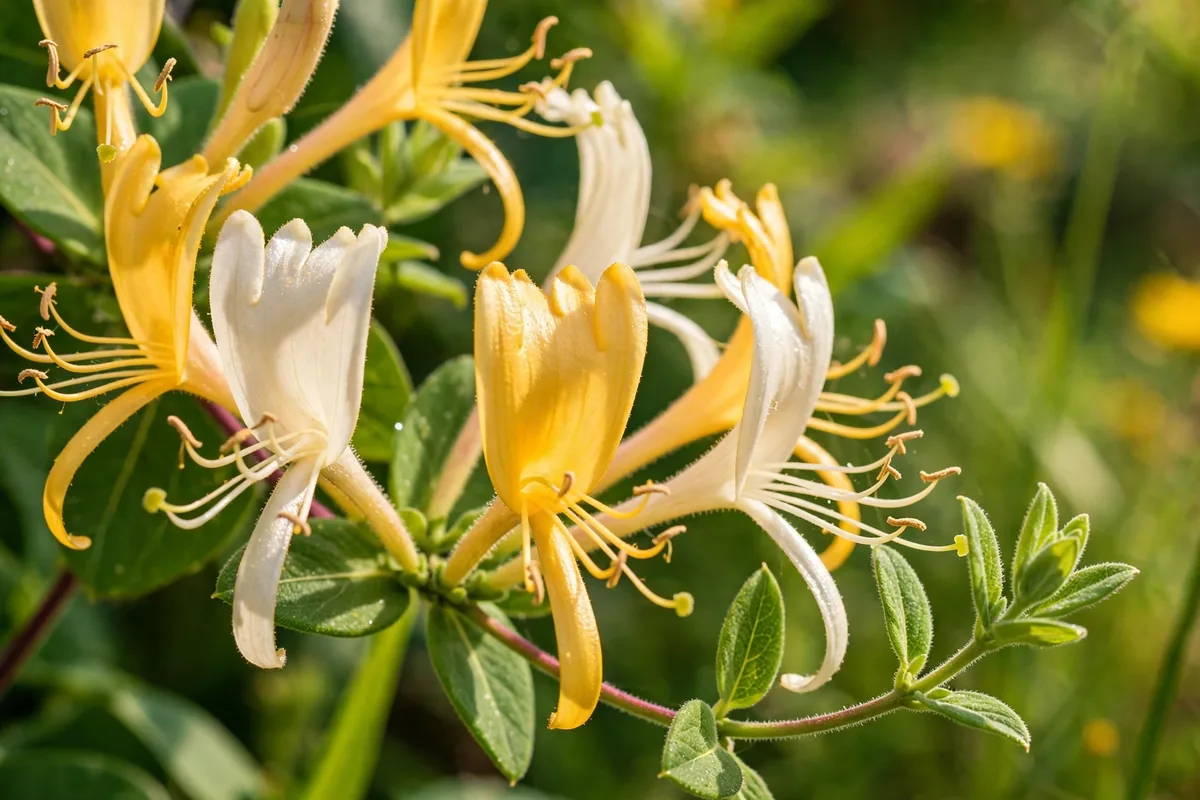
32. Honeysuckle (Lonicera periclymenum)
European woodbine honeysuckle perfumes summer evenings with creamy, blushing trumpet flowers that hummingbirds and hawk moths adore. Unlike its invasive Japanese cousin, this species stays well-behaved on a trellis or fence. Train young stems onto supports and prune after flowering to keep it tidy. Plant near a patio or bedroom window where the evening scent can be enjoyed.
Bloom: Summer | Sun: Full sun to part shade | Zone: 4–8 | Best for: Fragrant trellises, evening gardens
33. Honesty (Lunaria annua)
Honesty is a biennial with two seasons of interest: purple or white flowers in spring, then translucent silver-dollar seed pods that glow in dried arrangements. Sow seeds in early summer where you want them; plants form leafy rosettes the first year and bloom the second, then self-sow to keep the cycle going. The dried pods are a florist staple.
Bloom: Spring | Sun: Full sun to part shade | Zone: 4–8 (biennial) | Best for: Dried arrangements, cottage gardens
34. Sweet Pea (Lathyrus odoratus)
No flower beats the sweet pea for old-fashioned fragrance — ruffled blooms in pink, purple, white, and blue on climbing vines each spring. These cool-season annuals are sown in late winter or fall in mild climates; soak seeds overnight and provide a trellis from day one. Pick flowers relentlessly — the more you cut, the more they bloom. They fade once summer heat arrives.
Bloom: Spring to early summer | Sun: Full sun | Zone: Grown as annual | Best for: Fragrant cut flowers, trellises
35. Purple Toadflax (Linaria purpurea)
Purple toadflax is a cottage-garden charmer, sending up airy spires of tiny purple-pink snapdragon-like flowers all summer. It self-sows politely into gravel paths and wall crevices, filling gaps with almost no effort. Bees work the blooms constantly. Cut back the first flush in midsummer for fresh stems into fall. ‘Canon Went’ is a lovely soft-pink form.
Bloom: Summer to fall | Sun: Full sun | Zone: 4–8 | Best for: Wildflower meadows, cottage gardens
36. Lion’s Ear (Leonotis leonurus)
Lion’s ear is a late-season showstopper — tiered whorls of fuzzy orange tubular flowers stack up 4- to 6-foot stems just as the garden starts to fade. Hummingbirds mob it, and it blooms right up to frost. In zones 8–11 it is a woody perennial; northern gardeners grow it as a fast annual from seed started indoors. Give it full sun and room to reach its full height.
Bloom: Late summer to fall | Sun: Full sun | Zone: 8–11; annual elsewhere | Best for: Hummingbirds, fall color
37. Leopard’s Bane (Doronicum orientale)
Leopard’s bane is one of the earliest yellow daisies of spring, lighting up part-shade borders weeks before most perennials wake up. Its cheerful blooms on 18- to 24-inch stems make excellent early cut flowers. Plant in moist, rich soil — it goes dormant in summer drought, so site it among ferns and hostas that fill the gap. Divide every 3–4 years.
Bloom: Spring | Sun: Part shade | Zone: 4–7 | Best for: Early spring color, cut flowers
38. Golden Groundsel (Ligularia dentata)
Golden groundsel brings bold texture to moist shade — huge rounded leaves like dinner plates, topped with clusters of orange-gold daisies in late summer. It craves consistently damp soil and wilts dramatically in dry spells, so plant it near downspouts or pond edges and mulch heavily. ‘Desdemona’ has purple-tinged foliage; ‘Britt-Marie Crawford’ is nearly black-leaved.
Bloom: Late summer | Sun: Part shade | Zone: 4–8 | Best for: Moist shade, bold foliage
39. Summer Snowflake (Leucojum aestivum)
Summer snowflake is the bigger, later cousin of the spring snowdrop, with nodding white bells tipped in green on 18-inch stems. It naturalizes beautifully in moist lawns, woodland edges, and along streams, multiplying into impressive drifts over the years. Plant bulbs 4 inches deep in fall. ‘Gravetye Giant’ is the most vigorous and widely planted variety.
Bloom: Spring | Sun: Full sun to part shade | Zone: 4–9 | Best for: Naturalizing, woodland edges
40. Lewisia (Lewisia cotyledon)
Lewisia is the jewel of the rock garden — evergreen rosettes of fleshy leaves send up stems crowded with striped pink, orange, white, or yellow blooms in spring. Named for Meriwether Lewis, it demands perfect drainage; plant it in gritty alpine mix, a rock crevice, or a trough, with the crown tilted so water runs off. It hates wet winters more than cold ones.
Bloom: Spring to early summer | Sun: Full sun to part shade | Zone: 3–8 | Best for: Rock gardens, alpine troughs
Growing Tips for L-Flowers
With 40 different L-flowers on this list, a few universal rules will set you up for success no matter which ones you choose.
Match the plant to your zone first. Check the hardiness zones in the tables above before you buy. Tender L-flowers like lantana, lion’s ear, and Chinese fringe flower cannot survive a hard freeze — grow them in pots you can move inside, or treat them as annuals in colder regions.
Map your sun. Watch your garden for a day and note which spots get 6+ hours of direct sun (full-sun lovers like lavender, lupine, and liatris go there) and which stay shady (lungwort, lamium, and lily of the valley will thank you). Most flowering plants bloom poorly in too much shade.
Drainage beats fertilizer. More L-flowers die from soggy roots than from hunger. Lavender, lithodora, and lewisia demand sharp drainage — mix grit or perlite into heavy clay, or plant them in raised beds. When planting, set the crown at the same depth it grew in the pot; burying stems invites rot.
Deadhead for more blooms. Snipping spent flowers off annuals like larkspur, lobelia, and sweet pea redirects energy into new buds instead of seeds, stretching the show by weeks. Leave seed heads on perennials like liatris and honesty if you enjoy winter structure or want self-sown seedlings.
Feed lightly, mulch well. A 2- to 3-inch layer of mulch keeps roots cool, holds moisture, and suppresses weeds around lilacs, lilies, and most perennials. Go easy on nitrogen-heavy fertilizer — it grows leaves at the expense of flowers. A balanced slow-release feed in spring is plenty for most L-flowers.
Explore More Flowers
Which L-Flowers Will You Grow?
From the spring perfume of lilacs to the summer drama of lilies and the fall fireworks of lion’s ear, flowers that start with L cover every season, every sun level, and every USDA zone from 3 to 11. Start with easy winners matched to your conditions — perhaps lavender and lantana for a hot sunny border, lungwort and lamium for shade, or a lemon tree for the patio. Pick three or four favorites from this list, give them the right spot and the right watering, and you will be amazed how quickly the letter L fills your garden with color.
Frequently Asked Questions
What flowers start with L?
Dozens of garden favorites start with L, including lily, lavender, lilac, larkspur, lisianthus, lobelia, lantana, lupine, lotus, love-in-a-mist, liatris, and lily of the valley. This guide covers 40 of them with growing details for each.
What are some common flower names that start with L for a garden?
For an easy-care garden, start with lavender, lantana, lobelia, Shasta daisy, liatris, and love-in-a-mist. They are widely available at nurseries, adapt to many US climates, and bloom reliably with basic care. Add a lilac shrub or lilies for bigger seasonal impact.
What purple flowers start with L?
Top purple choices are lavender, lilac, larkspur, lisianthus, lobelia, liatris, lilyturf, and purple toadflax. For the truest blue-purple, look for lithodora in rock gardens and ‘Hidcote’ English lavender for borders.
What pink flowers start with L?
Beautiful pink L-flowers include lilac, lisianthus, lupine, lotus, love-in-a-mist, lavatera, lamium, lewisia, and Chinese fringe flower. Lady Banks’ rose and sweet pea also come in lovely pink shades perfect for spring cutting.
What white flowers start with L?
White L-flowers include lily of the valley, Shasta daisy, summer snowflake, lemon blossom, gooseneck loosestrife, and white forms of lily, lilac, lisianthus, and lobelia. Lily of the valley and lemon blossom are the most fragrant of the bunch.
Which perennial flowers start with L?
Reliable perennial L-flowers include lily, lavender, lilac, lupine, liatris, lady’s mantle, leadwort, lungwort, lamium, Shasta daisy, Maltese cross, and leopard’s bane. Most return bigger and better each year with minimal care.
What flowers that start with L bloom in spring?
Spring bloomers include lilac, lungwort, lily of the valley, honesty, sweet pea, leopard’s bane, summer snowflake, lewisia, Lady Banks’ rose, and Chinese fringe flower. Plant a mix for continuous spring color.
Which flowers starting with L are best for beginners?
Lavender, lantana, lobelia, love-in-a-mist, Shasta daisy, and liatris are nearly foolproof — they transplant easily, bloom for months, and forgive missed waterings. For shade, try lungwort or lamium; both thrive on neglect once established.
What flowers that begin with L grow well in shade?
Shade-tolerant L-flowers include lungwort, lamium, lily of the valley, lady’s slipper, lenten rose, golden groundsel, leopard’s bane, and lilyturf. Most of these prefer the cool, moist conditions found under trees.
Are there fragrant flowers that start with L?
Yes! Lilac is the classic spring fragrance, while lily of the valley, lemon blossom, honeysuckle, lavender, and sweet pea all carry beautiful scents. Oriental lilies perfume the summer garden, and surprise lily flowers smell sweetly too.
What flowers that start with L make good cut flowers?
Lily stems last over a week in a vase — among the best of the bunch. Also excellent: lisianthus (up to three weeks), larkspur, sweet pea, Shasta daisy, statice, liatris, and leopard’s bane. Cut stems early in the morning for longest life.
Which L-flowers attract butterflies and bees?
Lantana, liatris, lavender, lupine, Maltese cross, lion’s ear, and purple toadflax are pollinator magnets. Planting several together creates a buffet that supports butterflies and bees from spring through fall.