Sunflower Varieties: 35 Beautiful Types, Meaning and How to Grow Sunflowers
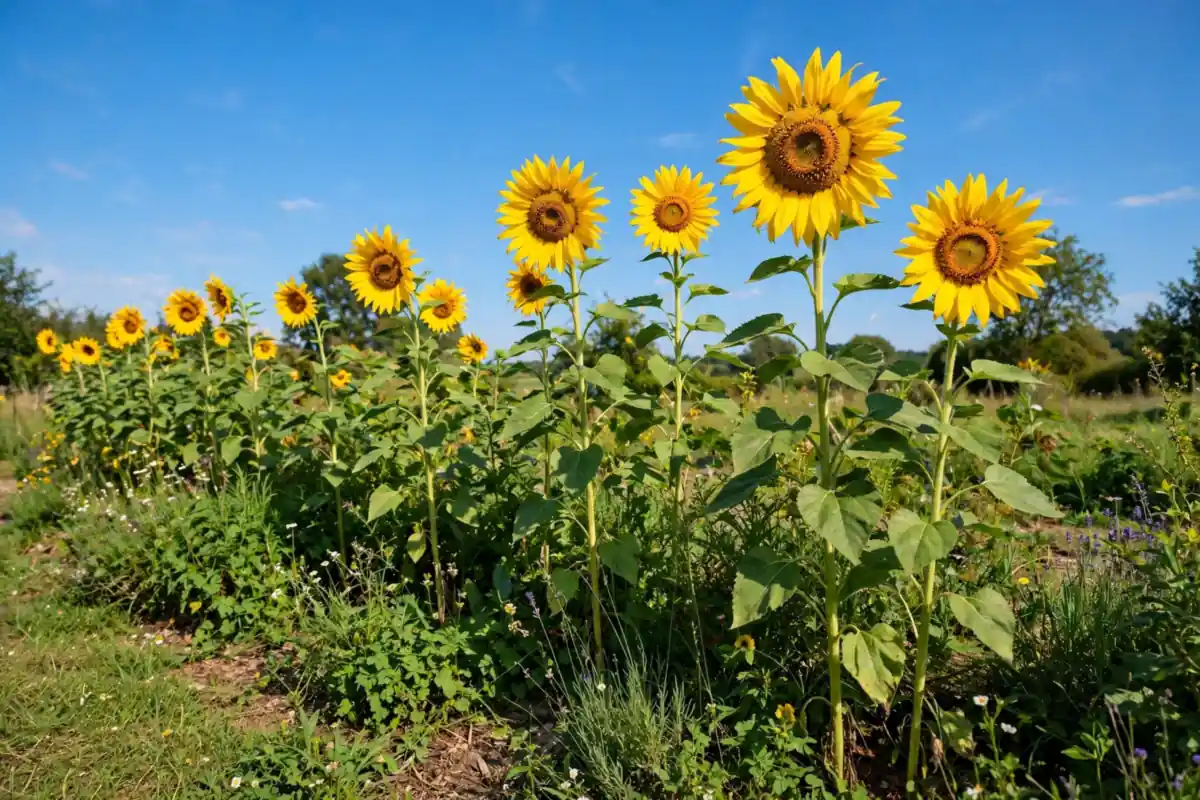
A sunflower is the easiest way to make a garden feel like summer. One seed, sown straight into warm soil, can grow into a plant taller than the gardener who planted it, crowned with a golden head as wide as a dinner plate. Few flowers give so much for so little work.
Sunflowers are also some of the most generous plants you can grow. Bees work their centres all summer, birds feast on the seeds in autumn, and the flowers themselves come in far more colours and shapes than the classic yellow giant most people picture. There are dwarf sunflowers for pots, deep red ones, creamy white ones, fluffy double ones that look like pom-poms, and pollen-free ones bred specially for the vase.
Quick Answer
Sunflower varieties are the many garden forms of Helianthus annuus, the common sunflower, plus a few perennial sunflower species. There are about 70 species in the genus Helianthus, and hundreds of named garden varieties, from dwarf types under 2 feet tall to giants over 12 feet. Most garden sunflowers are annuals: sow them outdoors after the last frost, give them full sun and well-drained soil, and they bloom in 55 to 100 days, depending on the variety. Sunflowers are the state flower of Kansas and the national flower of Ukraine.
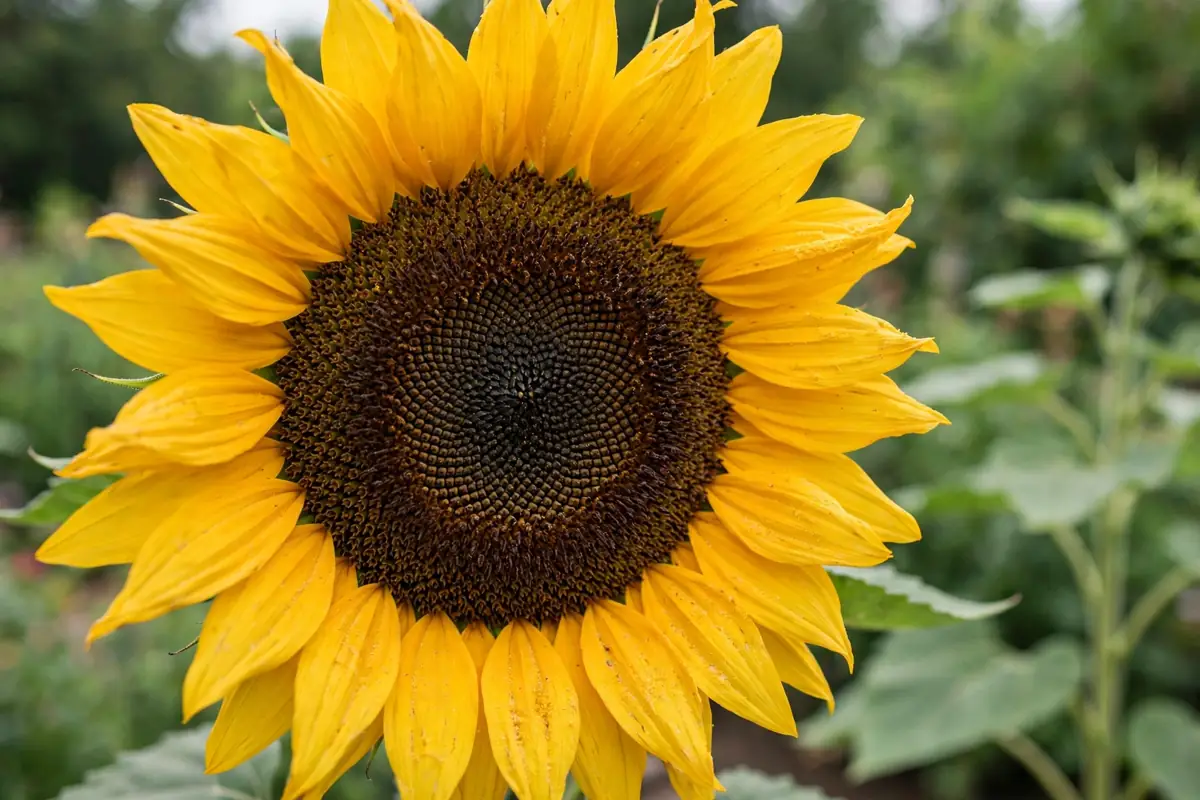
Table of Contents
- What Is a Sunflower?
- Sunflower Varieties: 35 Types to Grow
- Sunflower Meaning and Symbolism
- What Each Sunflower Colour Means
- How to Grow Sunflowers
- Common Mistakes When Growing Sunflowers
- Sunflowers as Cut Flowers
- Frequently Asked Questions
What Is a Sunflower?
Sunflower belongs to the genus Helianthus, in the daisy family Asteraceae. The name comes from the Greek helios, meaning sun, and anthos, meaning flower. Sunflowers are native to North America, where they were first grown for food thousands of years ago; the seeds were eaten, pressed for oil, and ground into flour long before the flower became a garden favourite. You can read more on the Helianthus page on Wikipedia.
What looks like one big flower is really hundreds of tiny flowers packed together. The dark centre is a disc of up to 2,000 tiny florets, each of which can become a seed, and the yellow “petals” around the edge are ray florets. That is why a sunflower head can hold so many seeds, and why bees spend so long working a single bloom. Sunflowers are annuals like poppies, another full-sun favourite in our guide to the poppy flower.
Young sunflower buds really do follow the sun. During the day they turn to track it from east to west, a habit called heliotropism, and at night they swing back to face east again. Once the flower opens, the head mostly stays facing east, warming up early in the morning so bees visit sooner.
Sunflower Quick Facts
- Family: Asteraceae, the daisy family.
- Genus: Helianthus, with about 70 species, all native to the Americas.
- Life cycle: most garden sunflowers are annuals, grown from seed each year; a few species are perennials.
- Height: dwarf types 1 to 2 feet; garden types 5 to 7 feet; giant types 10 to 16 feet.
- Bloom time: summer to early autumn, 55 to 100 days from sowing, depending on the variety.
- Sun: full sun, at least 6 to 8 hours a day.
- Zones: grown as annuals almost everywhere; perennial species suit USDA zones 4 to 9.
- Good to know: sunflower is the state flower of Kansas, the national flower of Ukraine, and the tallest sunflower ever measured grew to more than 30 feet.
Sunflower Varieties: 35 Types to Grow
Every sunflower variety below belongs to one of eight groups. Giants are grown for height and huge heads. Branching garden types carry many flowers on one plant and bloom for weeks. Red, white and double types are grown for colour and form. Dwarf types fit pots and small gardens. Pollenless types are bred for cutting, and the last group covers perennial and oilseed sunflowers. Together they cover every garden, from a balcony pot to a back fence.
Giant Sunflowers
1. Mammoth (Russian Mammoth). The classic giant, 9 to 12 feet tall with heads up to a foot across and a heavy crop of striped seeds. The standard choice for growing the tallest sunflower in the street.
2. American Giant. A giant hybrid that regularly reaches 12 to 15 feet, with golden heads up to 20 inches across. One flower per stem, so give it room and a strong stake.
3. Titan. One of the tallest named varieties, often 12 feet or more, with huge heads on thick stems. A favourite for height competitions.
4. Kong. A giant that can reach 14 feet, bred for height rather than seed. Its heads are smaller than Mammoth, but the plant itself is the show.
5. Sunzilla. A hybrid giant that can grow 12 to 16 feet in rich soil, with a single large head. Needs full sun and plenty of water to reach its best.
6. Giant Sungold. A tall double sunflower, 6 to 8 feet, with fluffy golden pom-pom heads instead of the usual flat disc. Bees cannot reach the centre easily, so grow it for looks.
Branching Garden Sunflowers
7. Autumn Beauty. The best-loved branching mix, 5 to 7 feet tall, with flowers in gold, bronze, rust and cream on every plant. One plant can carry a dozen blooms over several weeks.
8. Lemon Queen. A tall branching sunflower, 5 to 7 feet, with soft lemon-yellow flowers and a dark centre. Blooms for months and is one of the best for bees.
9. Soraya. A golden-orange branching type, about 5 to 6 feet, with long stems that make it excellent for cutting. Blooms early and keeps going until frost.
10. Velvet Queen. A branching sunflower with deep velvety red-brown flowers, 5 to 6 feet tall. Its dark heads look striking against pale garden walls.
11. Earthwalker. A branching mix in earthy tones: bronze, rust, terracotta and gold, 5 to 6 feet tall. Every plant is a little different, which is half the charm.
12. Evening Sun. A branching mix of dark red, bronze and gold flowers, 5 to 6 feet tall, with the dusky colours gardeners love in late summer borders.
Red and Dark Sunflowers
13. Moulin Rouge. The famous deep burgundy-red sunflower, 4 to 6 feet tall, with velvety petals and a dark centre. One of the darkest reds you can grow.
14. Chianti. A wine-red branching sunflower, 4 to 5 feet, with smaller heads and no pollen. A cross between a sunflower and a wine-coloured wild species, and a lovely cut flower.
15. Prado Red. A deep red single-stem sunflower, about 5 feet tall, with dark stems and dark-centred blooms. Striking in a row with yellow types.
16. Ruby Eclipse. A ruby-red sunflower with a pale gold edge on the petals, 5 to 6 feet tall. The bicolour ring makes each flower look hand-painted.
17. Chocolate Cherry. A branching type in deep chocolate-burgundy, 5 to 6 feet tall, with flowers that fade a little paler as they age. A favourite for moody, modern planting.
White, Cream and Pale Sunflowers
18. Italian White. A creamy-white branching sunflower, 5 to 7 feet tall, with pale petals around a dark centre. The white sunflower most gardeners start with.
19. Vanilla Ice. A branching sunflower with pale cream-yellow flowers, 4 to 5 feet tall. Soft and cool in evening light, and very good for cutting.
20. Strawberry Blonde. A branching sunflower in blush pink, cream and pale gold, 5 to 6 feet tall. Its pastel colours are unlike any classic sunflower, and it fades gracefully in the vase.
21. Buttercream. A branching sunflower with soft buttery-yellow flowers, about 5 feet tall. A gentle colour for cottage gardens and wedding bouquets.
Double and Pom-Pom Sunflowers
22. Teddy Bear. The classic dwarf double, only 2 to 3 feet tall, with fluffy golden pom-pom heads 4 to 5 inches across. Perfect for pots and for children to grow.
23. Double Dandy. A double sunflower in mixed colours: gold, rust and burgundy, 5 to 6 feet tall. Each head is fully double, like a golden dahlia.
24. Goldy Double. A tall double sunflower, about 5 feet, with dense golden heads. Good for cutting, and the doubled petals last well in a vase.
25. Double Quick Orange. A fast, compact double sunflower, 4 to 5 feet, with bright orange pom-pom heads. One of the quickest doubles to bloom.
Dwarf Sunflowers for Pots
26. Suntastic. A dwarf branching sunflower, about 20 inches tall, bred for pots and window boxes. Carries many small golden heads on one neat plant.
27. Ms Mars. A dwarf sunflower in rich red, 2 to 3 feet tall, with single stems that suit containers and the front of a border.
28. Firecracker. A dwarf bicolour sunflower, 2 to 3 feet, with red petals tipped in gold. Small plants, big colour.
29. Sunspot. A dwarf giant-headed sunflower, only 2 feet tall, with one huge head on a short stem. The classic choice for growing a sunflower in a pot.
30. Little Becka. A dwarf bicolour sunflower, 1 to 2 feet tall, with orange petals ringed in red. Bred for pots, and one of the neatest small sunflowers.
Pollenless Sunflowers for Cutting
31. ProCut Orange. The florist’s favourite: a single-stem sunflower, 5 to 6 feet, with golden flowers and no pollen to stain clothes or trigger allergies. Cut it just as the petals open.
32. Sunrich Orange. A pollenless single-stem type, about 5 feet, with bright orange-gold heads and strong stems. Bred to hold up in the vase for a week or more.
33. Vincent’s Choice. A pollenless sunflower with round golden heads, 5 to 6 feet, on long straight stems. The standard cut-flower sunflower in many flower farms.
Perennial and Oilseed Sunflowers
34. Peredovik. An oilseed sunflower, 4 to 5 feet tall, grown for its small black seeds, which are pressed for oil or left for birds. The seeds are far oilier than the striped snacking types.
35. Maximilian Sunflower. A true perennial sunflower, 5 to 7 feet tall, that returns every year with masses of small golden flowers in late summer. Give it room: it spreads, and it is a magnet for bees and butterflies. For more plants that love the same sunny spots, see our guide to perennials for full sun.
Sunflower Meaning and Symbolism
The sunflower means adoration, loyalty and longevity. In the Victorian language of flowers, giving a sunflower said: I adore you, and my feelings will not fade. That meaning comes straight from the flower’s habit of turning to follow the sun all day, as if it cannot look away from the thing it loves.
Sunflowers also stand for happiness, warmth and good fortune, and they are the flower of summer itself. In China the sunflower is a symbol of long life and good luck, and in Ukraine, where the flower is grown across whole fields for oil and seed, it has become a national symbol of warmth, peace and the land itself. A bunch of sunflowers is a cheerful gift in almost any culture, and it suits birthdays, thank-yous and get-well wishes alike. For more blooms beginning with the same letter, browse our list of flowers that start with S.
What Each Sunflower Colour Means
Sunflowers come in more colours than most people expect, and each colour carries its own message in the language of flowers.
- Yellow sunflowers mean happiness, joy and friendship. Yellow is the classic sunflower colour and the most given.
- Orange sunflowers mean enthusiasm, energy and admiration. Orange types like Soraya and ProCut Orange are the brightest of all.
- Red sunflowers mean passion, loyalty and devotion. Deep reds like Moulin Rouge and Chianti are the most dramatic in the garden.
- White and cream sunflowers mean purity, new beginnings and quiet elegance. Italian White and Vanilla Ice suit weddings and pale planting schemes.
- Bronze and burgundy sunflowers mean warmth, richness and good fortune. Earthy mixes like Autumn Beauty and Earthwalker are autumn in a flower.
- Pink-blush sunflowers mean gentle affection and admiration. Strawberry Blonde is the softest sunflower of all.
How to Grow Sunflowers
Sunflowers are one of the easiest flowers to grow, and most of the work is choosing the right spot. Give them sun, sow them where they will grow, and they do the rest.
Sun and Soil
Plant sunflowers in full sun, at least 6 to 8 hours a day, in soil that drains well. They are not fussy about soil and grow in poor ground better than most flowers, but they grow tallest in rich, loose soil. Space garden types about 2 feet apart and giants about 3 feet apart, so the air moves and the stems stay strong. Cosmos is another full-sun annual that thrives in the same conditions; see our guide to the cosmos flower.
Sowing: The Golden Rule
Sow sunflower seed outdoors, directly where the plants will grow, after the last frost, when the soil feels warm. This is the golden rule. Sunflowers grow a long taproot quickly and resent being moved, so seedlings started indoors often sulk after transplanting. Sow seeds about an inch deep, water them in, and expect shoots in 7 to 14 days. For a longer season, sow a few seeds every two weeks until early summer.
Watering and Aftercare
Water deeply in dry spells, especially while the plants are young and again when the heads are forming. Sunflowers drink a lot on hot days, and a drooping head in the afternoon usually means thirst, not disease. A thick layer of mulch keeps the soil cool and moist. Tall and giant types need a stake from the start: push it in at sowing time, not later, so you do not damage the roots. Gardeners on r/gardening on Reddit swap sunflower height stories every summer, and the advice is nearly always the same: stake early, water deep.
Harvesting Seeds
Leave the heads on the plant until the back of the flower turns from green to yellow-brown and the seeds feel plump and striped. Then cut the head with a foot of stem, hang it somewhere dry and airy, and rub the seeds out once they are fully dry. Cover ripening heads with a mesh bag if birds get there first, or leave a few heads standing for the birds on purpose: goldfinches love them.
Common Mistakes When Growing Sunflowers
- Starting them indoors and transplanting. The taproot hates disturbance. Sow outdoors, directly in place, after the last frost.
- Sowing too early in cold soil. Seeds rot in cold, wet ground. Wait until the soil is warm to the touch.
- Too much shade. In shade, sunflowers stretch, flop and flower poorly. They need full sun to grow tall and set big heads.
- Too much nitrogen feed. Rich feed grows huge leaves and weak, floppy stems. A little compost at planting is enough.
- Planting too close together. Crowded plants compete for light and water and stay small. Give giants 3 feet of space.
- Forgetting to stake giants. A 12-foot sunflower with a heavy wet head will fall in the first strong wind. Stake it at sowing time.
- Watering over the leaves. Wet leaves invite mildew and rust. Water at the base instead, and water in the morning.
Sunflowers as Cut Flowers
Sunflowers make superb cut flowers, and the pollenless types are the best of all: no pollen means no yellow dust on tables and clothes, and no sneezing. Cut stems in the morning, when the petals have just opened, and put them straight into a bucket of cool water. Strip off any leaves that would sit below the waterline, and change the water every two days. A fresh sunflower lasts 7 to 10 days in a vase. Our guide on how to make cut flowers last longer covers the same tricks for other short-lived blooms.
For a bouquet, mix one tall sunflower with branching types like Soraya or Autumn Beauty, plus a few double Teddy Bears for texture. The classic pairing is sunflowers with blue or purple flowers, which makes the gold look even brighter.
Frequently Asked Questions
When should I plant sunflowers?
Sow them outdoors after the last frost, when the soil is warm. In most gardens that means late spring. Sow a few seeds every two weeks until early summer for flowers from midsummer into autumn.
Do sunflowers follow the sun?
Young buds do: they turn east to west through the day and swing back overnight, a habit called heliotropism. Once the flower opens, the head mostly stays facing east, warming up early so bees visit sooner.
Are sunflowers annuals or perennials?
Most garden sunflowers are annuals: they grow, flower, set seed and die in one season. A few species, like Maximilian sunflower and Jerusalem artichoke, are perennials that return every year.
How tall do sunflowers grow?
Dwarf types stay under 2 feet, garden types reach 5 to 7 feet, and giant types like American Giant and Titan grow 12 feet or more. The tallest sunflower ever measured grew to more than 30 feet.
Are sunflower seeds safe to eat?
Yes. The striped seeds of varieties like Mammoth are grown for eating, and the small black seeds of oilseed types are pressed for oil or eaten too. Let the seeds dry fully first, and keep in mind that sunflower seeds are a common allergen, so check before sharing them. For more grower views, see questions about sunflower varieties on Quora.