Flower Wall: Types, Costs and How to Make Your Own Step by Step
A flower wall turns any plain backdrop into the most photographed spot at the party. Weddings, baby showers, birthdays, shop displays and home studios all use them — a dense panel of blooms behind the cake table, the photo booth or the sofa, glowing in every picture.
This guide explains the types of flower walls, what they cost, and exactly how to make your own DIY flower wall step by step — whether you build it from fresh flowers for one big day, or from silk and paper flowers you can reuse for years.
Quick Answer
A flower wall is a freestanding panel covered densely with flowers, used as a decorative backdrop for events and photos. Most DIY flower walls are built on foam boards, plywood or a pipe frame, covered with silk or paper flowers (fresh flowers only last a day). A standard backdrop is about 8 × 8 feet; a DIY silk version typically costs a few hundred in materials, while renting a ready-made wall or hiring a florist for a fresh one costs considerably more.
Table of Contents
- What Is a Flower Wall?
- Types of Flower Walls
- The Best Flowers for a Flower Wall
- How to Make a DIY Flower Wall Step by Step
- What Does a Flower Wall Cost?
- Tips for a Wall That Photographs Beautifully
- Frequently Asked Questions
What Is a Flower Wall?
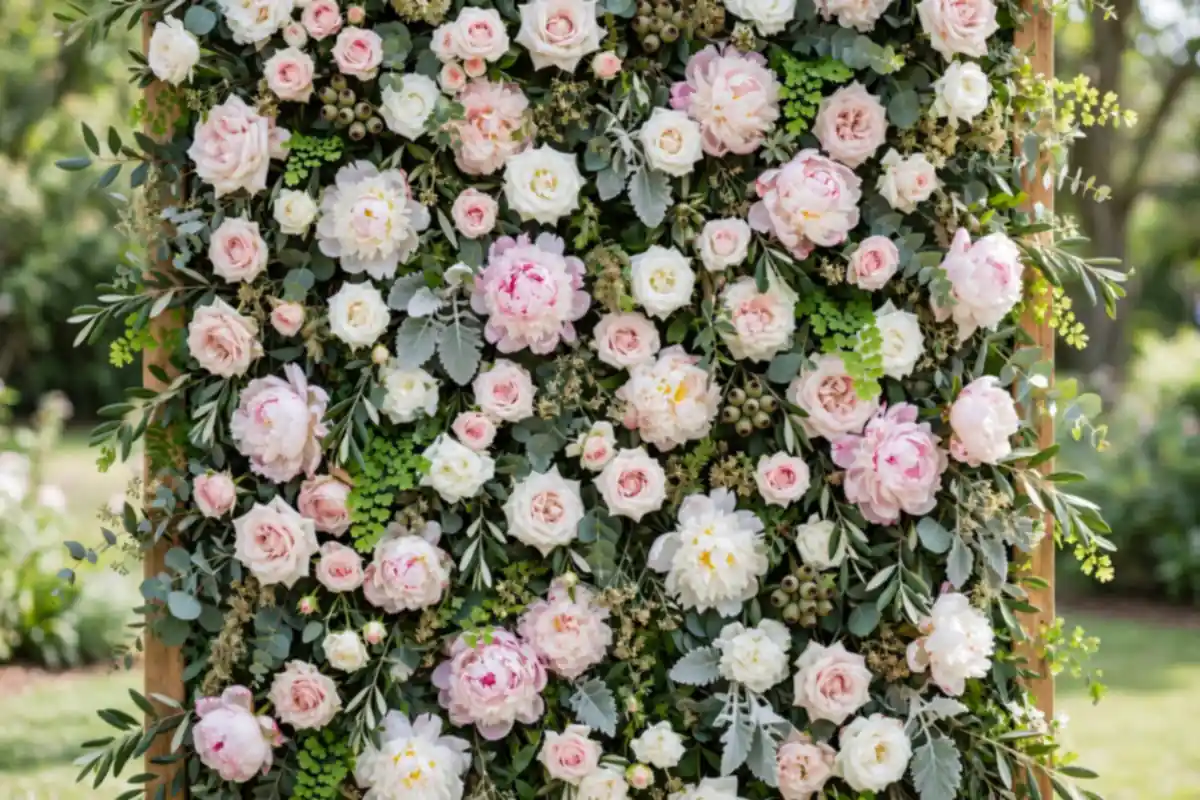
A flower wall is a vertical panel — usually 6 to 10 feet wide — covered edge to edge with flower heads so no backing shows through. Florists build them on site for luxury weddings; event companies rent ready-made ones; and crafters build their own on foam insulation boards, plywood sheets or grid panels that clip together.
The idea is simple: from the camera’s side, the wall should read as one solid surface of blooms. That means density matters more than expensive flowers — a wall of well-packed mid-range silk roses photographs better than a sparse wall of costly fresh peonies.
Types of Flower Walls
| Type | Lasts | Best for | Good to know |
|---|---|---|---|
| Fresh flower wall | 1 day | Weddings, luxury events | Built on floral foam by a florist; stunning but the most expensive and it cannot be moved once built |
| Silk (faux) flower wall | Years | Rentals, salons, home studios, repeat events | The most popular type — reusable, transportable, no wilting; quality varies, so buy a sample first |
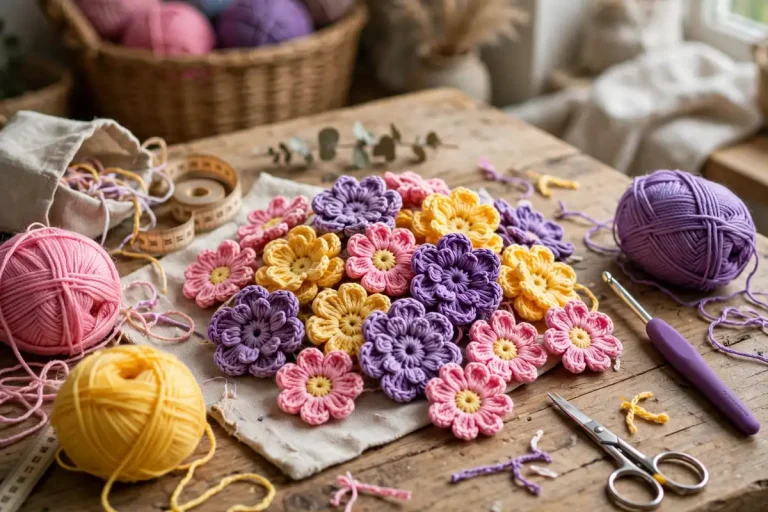
| Paper flower wall | Months–years indoors | DIY parties, nurseries, photo booths | Cheapest to make and fully customisable; giant paper blooms are light, so walls are easy to hang |
| Greenery wall | Years (faux) | Modern weddings, logos and signage | Faux foliage panels with flowers dotted through; the base panels clip together in minutes |
| Preserved/dried wall | Months | Boho weddings, cafes, home decor | Dried grasses and preserved roses give a muted, vintage palette; keep out of damp rooms |
Most home and rental walls today are silk or greenery-based — modern artificial flowers are realistic enough that guests usually only realise when they touch them.
The Best Flowers for a Flower Wall
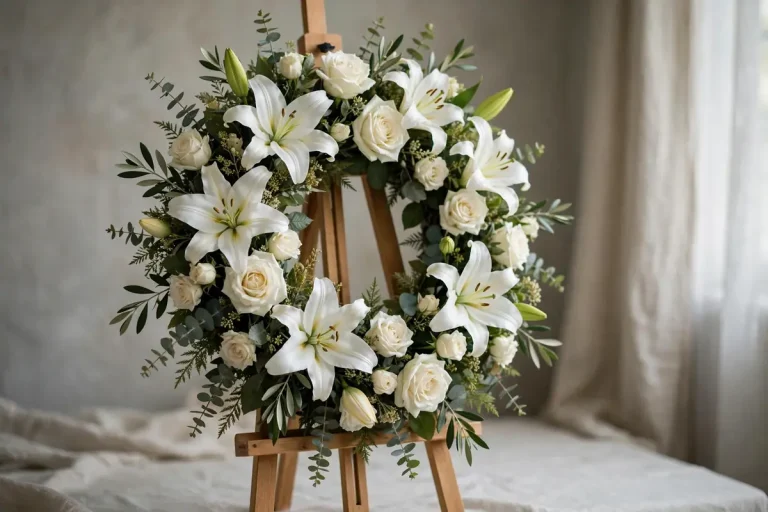
Choose flowers with big, flat, face-forward heads that pack tightly: roses, peonies, hydrangeas, dahlias and chrysanthemums are the classic wall flowers. Roses are the backbone of most wedding walls — see our rose types and names guide for the colours available — and peonies add the soft, romantic volume everyone wants in photos (our peony flower guide covers the shades). For a white or pastel wall, the combinations in our white flowers guide translate directly into silk shopping lists.
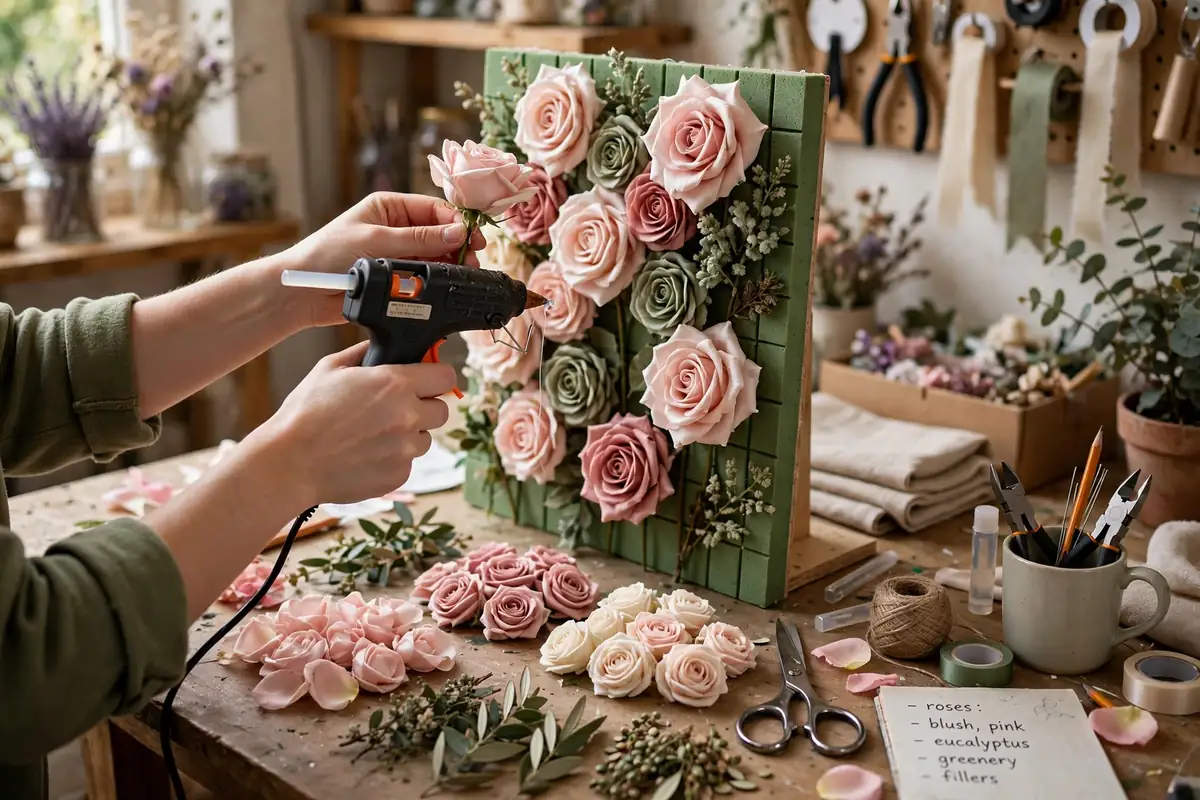
A reliable recipe: 70% one main flower in your lead colour, 20% a second flower in a shade lighter or darker, and 10% accents — small buds, berries or greenery — pushed into any gaps. Ombre walls (dark at the bottom fading to pale at the top) are the most forgiving design for beginners because small colour mismatches disappear in the gradient.
How to Make a DIY Flower Wall Step by Step
You need: backing panels (foam insulation boards, thin plywood, or faux greenery grid panels), silk flower heads and stems, a hot-glue gun or cable ties, wire cutters, and a frame or heavy-duty hooks to stand the wall up. For an 8 × 8 ft wall, plan on roughly 400–600 medium flower heads for full coverage.
- Build the backing. Join your panels into one surface the size you want. Foam boards are light and easy; plywood is sturdier for outdoor use. If the wall must stand alone, attach the panels to a simple wooden or pipe frame with feet.
- Cover the base. Paint the backing a colour close to your flowers, or cover it with greenery panels or fabric first. Any gap that appears later will then read as shadow or leaf, not bare board.
- Prep the flowers. Cut silk heads from their stems, leaving about an inch of stem for gluing or tying. Sort them by colour and size before you start.
- Work from one corner, in rows. Glue or tie flowers in tight, slightly overlapping rows. Press each head flat and face-forward. Mix sizes as you go — a big head, then two smaller ones filling its shoulders.
- Check from a distance every few rows. Step back three metres and squint: holes and stripes invisible up close jump out at photo distance. Fill gaps with buds, small heads or leaves.
- Finish the edges. Wrap flowers or greenery around the sides so the wall looks finished from an angle, and check the top row from below — guests’ cameras will see it.
- Stand it safely. A full 8 × 8 wall is heavy and catches wind. Use a frame with wide feet or sandbags, and never rely on leaning it against a wall outdoors.
What Does a Flower Wall Cost?
Prices vary widely by country and city, but the pattern is consistent. Renting a ready-made silk or greenery wall is usually the cheapest route for a single event — you pay for delivery, setup and one day of beauty, and someone else stores it afterwards. DIY silk costs more upfront in materials but the wall is yours to reuse, lend or sell. A fresh florist-built wall is the premium option — priced per square foot, it can run into the thousands for a full backdrop, and it exists for one day only. Paper is the budget champion: cardstock, a glue gun and time.
If you will use a wall three or more times — a salon, a venue, a content studio — DIY or buying pays off. For a single wedding, compare one rental quote against your materials list before you commit weekends to glue guns.
Tips for a Wall That Photographs Beautifully
- Matte beats shiny. Cheap silk with a plastic sheen flashes white in photos. Look for “real touch” or matte-finish flowers, and avoid glitter finishes.
- Light it from the front. A wall lit only from above casts petal shadows on itself. Two soft lights at 45 degrees make colours glow.
- Mind the floor line. Extend flowers to the very bottom of the panel or hide the base behind a row of potted plants — a visible board edge ruins full-length photos.
- Add one focal point. A name sign, monogram or a cluster of oversized blooms gives photos a centre and makes the wall yours, not a rental lookalike.
- Test with your phone first. Photograph the finished wall in the actual room light before the event; phone cameras reveal gaps and glare that your eyes forgive.
Frequently Asked Questions
How big should a flower wall be?
8 × 8 feet (about 2.4 × 2.4 m) is the standard event size — wide enough for group photos of four to six people. For a home studio or a cake-table backdrop, 6 × 6 feet is plenty, and smaller 4-foot panels work as photo props.
How many flowers do I need for a flower wall?
For full, gap-free coverage with medium silk heads (roses, peonies), plan roughly 400–600 flowers for an 8 × 8 ft wall — about 6–9 heads per square foot. Bigger heads cover faster; greenery panels underneath can cut the flower count by a third.
Can I make a flower wall with real flowers?
Yes — florists build fresh walls on water-soaked floral foam panels, usually the day before or the morning of the event. It is the most beautiful and most expensive option, it cannot be transported once built, and it lasts about a day.
How do you hang a flower wall without a frame?
Light foam-board and paper walls can hang from a photography backdrop stand, a curtain rod, or removable heavy-duty hooks. Anything plywood-based or over about 6 feet wide needs a proper frame with feet or sandbags for safety.
How long does a silk flower wall last?
Years with basic care: store it flat or hanging in a dry place, dust it with a cool hairdryer or soft brush, and keep it out of strong direct sunlight, which slowly fades the colours.