Flower Wrapping Paper: Types, Colours and How to Wrap a Bouquet
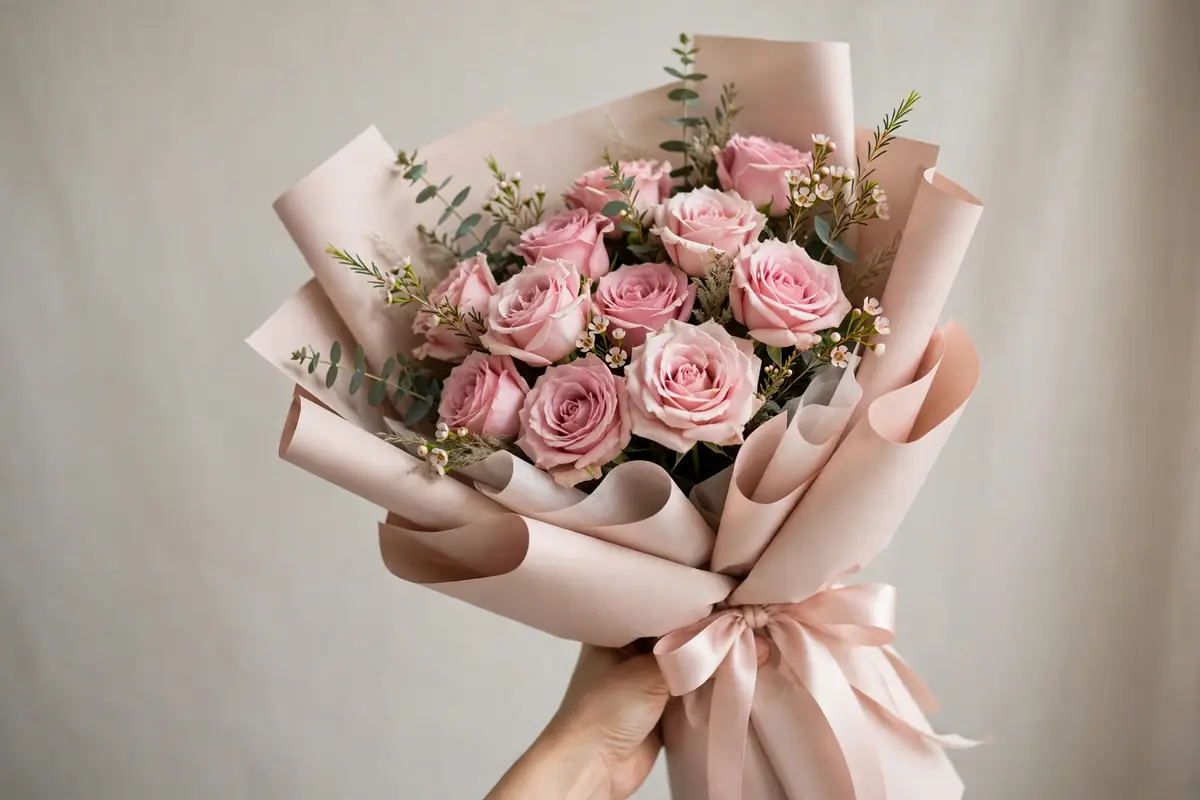
Flower wrapping paper is the difference between a bunch of flowers and a bouquet. The layered, ruffled wrap you see in florist photos — matte paper fanned around the blooms, tied with ribbon — takes about five minutes once you know the method, and it makes supermarket flowers look like a florist’s signature piece.
This guide covers the types of flower wrapping paper, how to choose colours that flatter your flowers, and the full step-by-step for wrapping a bouquet the Korean florist way — plus the simpler cone wrap for beginners and gift-wrapping tips.
Quick Answer
Flower wrapping paper is the decorative paper used to wrap bouquets and floral gifts. For bouquets, the best choice is waterproof matte wrapping paper (often sold as Korean bouquet wrapping paper) in 58 × 58 cm sheets — it resists stem moisture, holds crisp folds and photographs beautifully. Wrap by layering 3–5 sheets in a fan around the bouquet, tying at the stems, then adding tissue and ribbon.
Table of Contents
- What Is Flower Wrapping Paper?
- Types of Flower Wrapping Paper
- How to Choose Colours and Patterns
- How to Wrap a Bouquet Step by Step (Layered Florist Wrap)
- The Simple Cone Wrap (Beginner Method)
- Wrapping Gifts With Floral Paper
- Frequently Asked Questions
What Is Flower Wrapping Paper?
The phrase covers two close cousins: paper printed with floral designs (for gifts), and the plain or subtly patterned paper florists wrap around bouquets. This guide focuses mainly on bouquet wrapping — the craft behind every beautiful flower bouquet photo — with a section on floral gift wrap at the end.
Bouquet paper has a harder job than gift paper: it must survive damp stems, hold stiff sculptural folds, and frame the flowers without competing with them. That is why florist paper is usually matte, slightly thick, and often waterproof.
Types of Flower Wrapping Paper
| Type | Feel and finish | Best for |
|---|---|---|
| Waterproof matte paper (“Korean” wrap) | Smooth, opaque, plastic-coated, holds sharp folds | The layered florist look; the modern standard for bouquets |
| Kraft paper | Brown, natural, rustic | Wildflower and garden bouquets, dried flowers, eco styling |
| Tissue paper | Thin, soft, translucent | The inner ruffle layer around flower heads; padding in gift boxes |
| Cellophane | Clear and glossy | Protecting a finished bouquet for transport; gift baskets |
| Non-woven fabric wrap | Soft mesh-like sheets | Volume and softness behind paper layers; very forgiving |
| Burlap / linen | Textured natural fabric | Rustic and boho bouquets, sunflower and dried arrangements |
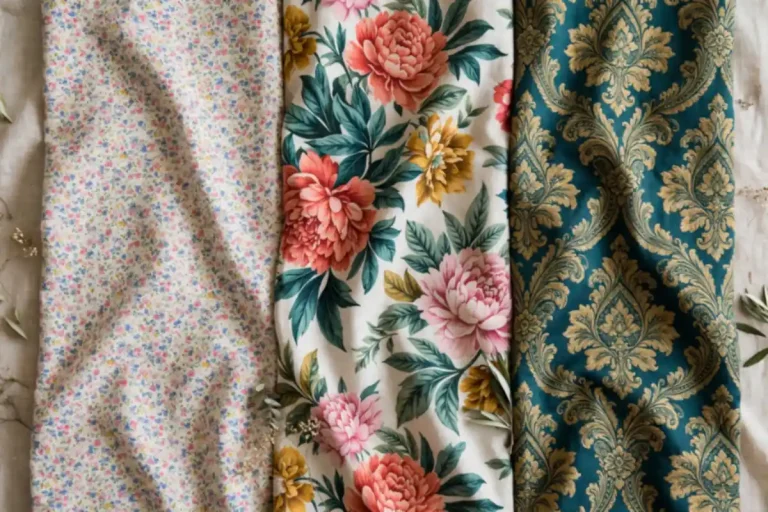
| Printed floral gift paper | Glossy or matte paper with flower prints | Gift boxes, books and jars — not for wet stems unless lined |
How to Choose Colours and Patterns
The paper is the frame, not the picture. Three rules cover almost every bouquet:
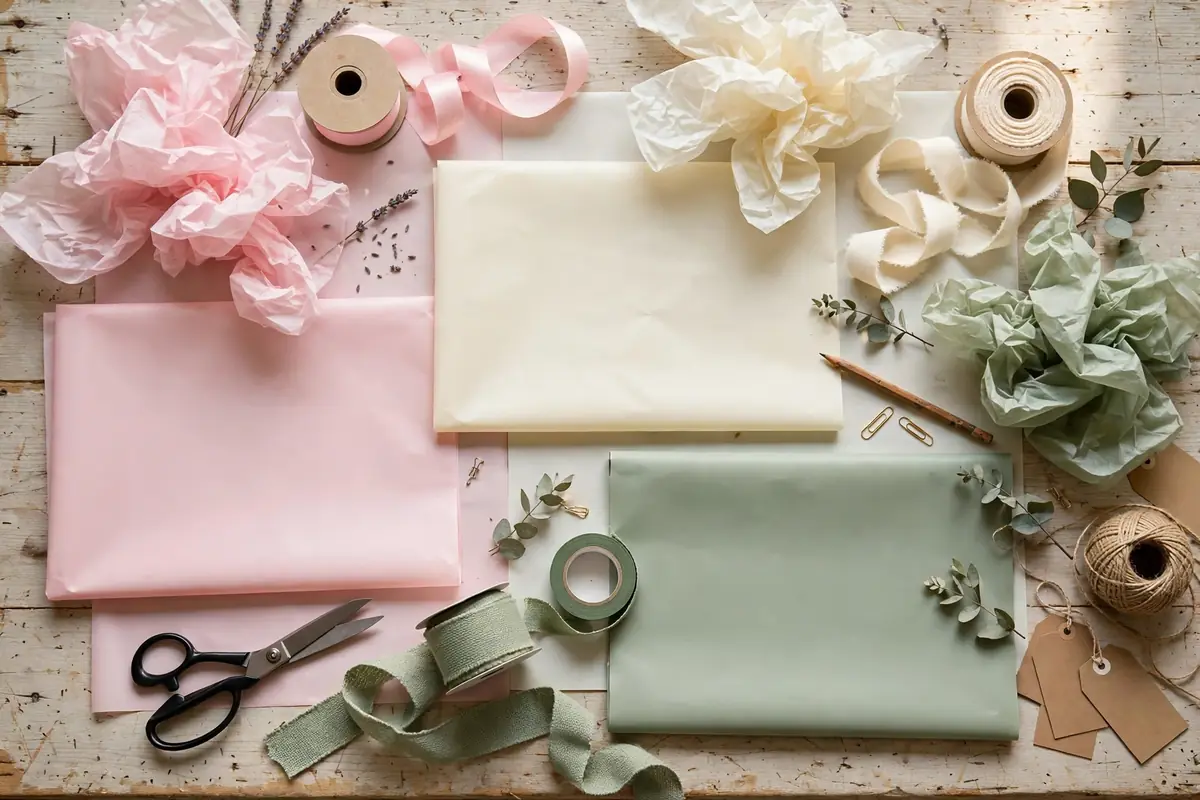
- Contrast gently. Pale paper makes deep-coloured flowers glow; deep paper (charcoal, burgundy, forest) makes white and pastel flowers look luminous. Paper the exact colour of the flowers makes the whole bouquet go flat.
- Match the occasion, not just the flowers. Blush and cream for weddings and Mother’s Day, kraft and burlap for rustic birthdays, black matte for dramatic modern gifts. Giving a birth flower bouquet? Echo one colour from the flower in the ribbon rather than the paper.
- Keep patterns quiet. Tiny polka dots, fine stripes and subtle textures read as luxury. Big floral prints fight the real flowers — save printed paper for gift boxes instead.
How to Wrap a Bouquet Step by Step (Layered Florist Wrap)
You need: 4–6 sheets of waterproof wrapping paper (58 × 58 cm), 1–2 sheets of tissue, tape, scissors, ribbon or twine, and your arranged bouquet with stems trimmed and tied.
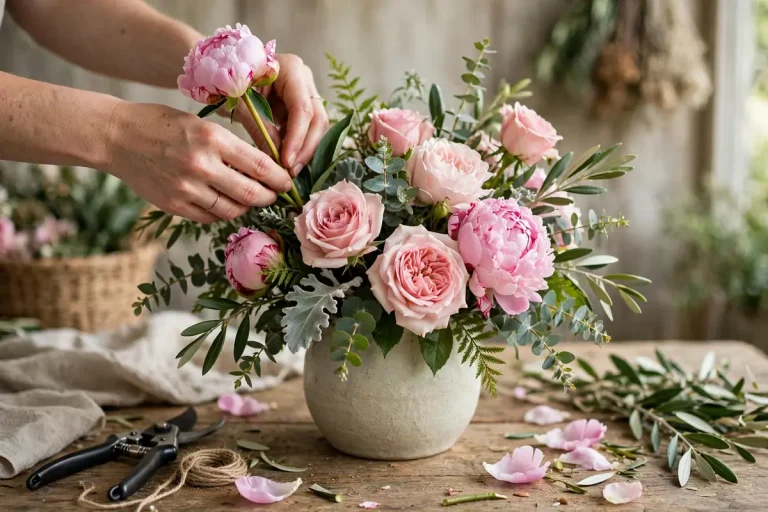
- Prep the bouquet. Arrange the flowers, tie the stems firmly with twine at the binding point (about a third down from the heads), and trim the stem ends level. Wrap the stem ends in a damp paper towel inside a small plastic bag if the bouquet will wait before gifting.
- Add the tissue ruffle. Gather one or two tissue sheets around the flower heads like a collar, points up — this soft inner layer hides the mechanics and makes blooms look fuller.
- Fold the first sheet. Lay a wrapping sheet as a diamond, fold the bottom point up off-centre (the classic asymmetric fold), and place the bouquet on it with heads above the top edge.
- Wrap and tape. Bring the left side across the stems, then the right, forming a cone that is wide at the top and snug at the binding point. Tape at the back.
- Layer the remaining sheets. Repeat with each sheet fanned at a slightly different angle, each new layer a little lower than the last, so the edges form steps or “stairs” around the bouquet. This layering is the whole secret of the florist look.
- Tie it off. Wrap ribbon or twine several times around the binding point over the paper, and finish with a bow at the front. Fluff the top edges outward with your fingers.
The Simple Cone Wrap (Beginner Method)
One sheet, one minute: lay a square of kraft or wrapping paper as a diamond, place the bouquet diagonally across the middle, fold the bottom point up over the stems, fold the left corner in, then roll the right corner around the whole bunch. Tape or tie. It is the market-flower wrap — simple, honest, and perfect for garden flowers and dried bunches.
Wrapping Gifts With Floral Paper
For boxes and jars, floral-printed paper shines where it cannot compete with real blooms. Measure paper to wrap the box with a 3–4 cm overlap, fold raw edges under for crisp lines, and keep the pattern running one way on all sides. Finish with a real or handmade touch: a sprig of dried lavender under the ribbon, or a small paper bloom — our origami flower guide shows how to fold one in minutes. For a vase gift, wrap the pot in floral paper gathered with twine instead of using a box at all.
Frequently Asked Questions
What size wrapping paper do I need for a bouquet?
Standard florist sheets are 58 × 58 cm (about 23 × 23 in), and 4–6 sheets wrap a medium bouquet in the layered style. For large bouquets use 6–8 sheets or tape two sheets together per layer.
Is flower wrapping paper waterproof?
The matte “Korean” bouquet paper is waterproof — it is plastic-coated so damp stems and florist foam do not soak through. Kraft and tissue are not waterproof; line them with a sheet of cellophane or waterproof paper if stems are wet.
Can I wrap flowers in regular gift wrapping paper?
For a dry, quick gift, yes — the cone method works with any sturdy gift paper. For a bouquet that must travel or wait, gift paper tears and water-spots; use waterproof florist paper, or wrap the stems in plastic first.
How do florists get the layered, ruffled look?
By layering: several sheets folded asymmetrically and fanned around the bouquet at descending heights, over a tissue-paper collar. The steps (“stairs”) of paper edges create the ruffle — it is layering, not a special paper.
What can I use instead of wrapping paper for a bouquet?
Burlap, linen or cotton fabric, a vintage scarf, brown paper bags opened flat, or even newspaper for a rustic look. Anything stiff enough to hold a fold and kind to damp stems can work with the cone method.