Flower Crown: How to Make One Step by Step (Fresh, Dried & Silk)
A flower crown takes ten flowers and fifteen minutes to make, and turns any outfit — wedding dress, festival clothes, a child’s birthday dress — into a celebration. Florists charge handsomely for them, but the method is simple wire, tape and patience.
This guide shows how to make a flower crown step by step, which flowers survive a whole day out of water, how to size a crown for adults and children, and how to make one ahead and keep it fresh.
Quick Answer
A flower crown is a wearable garland of flowers worn on the head for weddings, festivals, photos and parties. To make one: form a wire circle to fit the head, wrap it in floral tape, then wire and tape flowers on one by one, overlapping each stem under the next bloom. The best flowers for crowns are small, sturdy ones that last out of water — spray roses, waxflower, baby’s breath, ranunculus and lavender. A fresh crown lasts about a day; make it the morning of the event or store it in the fridge overnight.
Table of Contents
- What Is a Flower Crown?
- The Best Flowers for a Flower Crown
- How to Make a Flower Crown Step by Step
- Flower Crown Styles
- Sizing a Crown for Adults and Children
- Making Ahead and Keeping a Crown Fresh
- Frequently Asked Questions
What Is a Flower Crown?
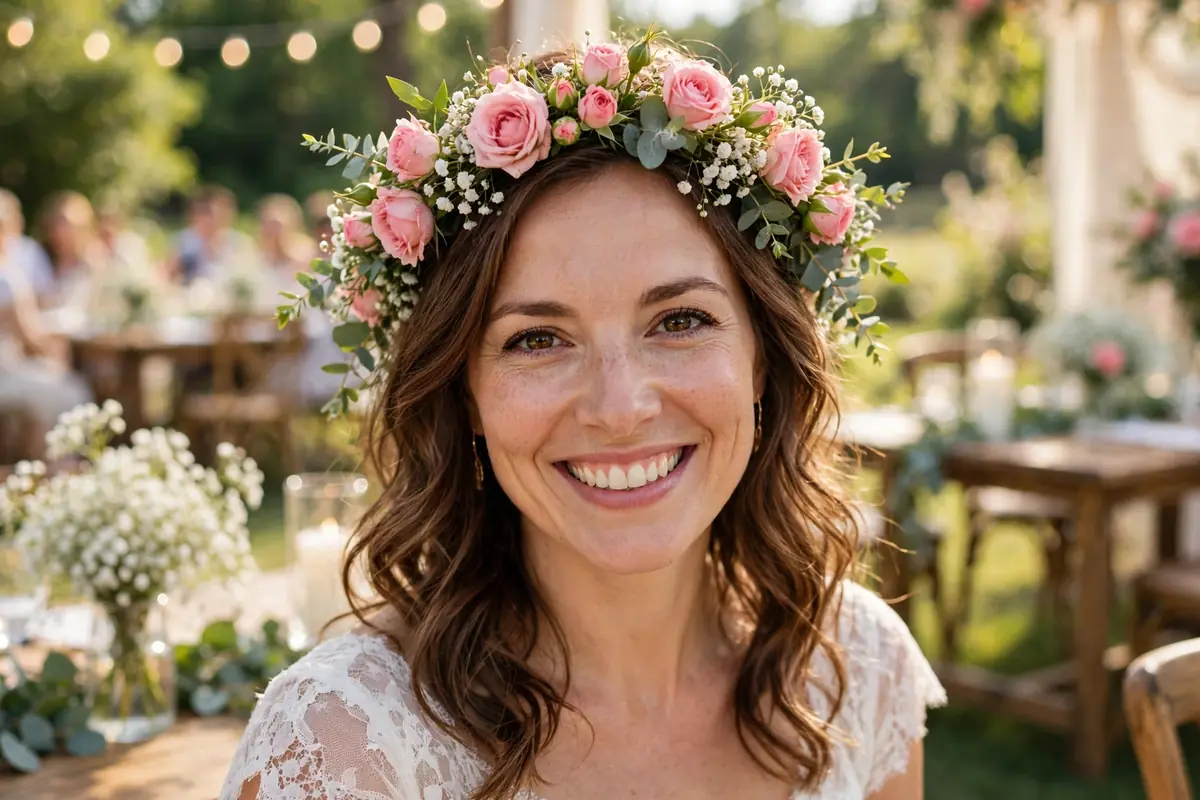
A flower crown is a circular garland of fresh, dried or artificial flowers worn as a headpiece. Versions appear across centuries and cultures — ancient Greek and Roman laurel and flower wreaths, Ukrainian vinok crowns, Hawaiian lei poʻo, and the Swedish midsummer crown — and the modern version is a wedding and festival staple, from boho brides to flower girls to music-festival crowds.
Crowns come in two builds: wired crowns (each flower wired individually onto a base — neat, durable, the florist method taught below) and taped garlands (flowers taped along a length of wire or vine — faster and more rustic). Silk and dried crowns use the same methods and last for years.
The Best Flowers for a Flower Crown
Crown flowers live a hard life: no water, warm sun, constant handling. Choose small heads on sturdy stems that do not wilt or shatter:
| Flower | Why it works | Notes |
|---|---|---|
| Spray roses | Small heads, tough petals, every colour | The classic crown flower — see rose types for shades |
| Waxflower | Woody stems, lasts days out of water | The professional’s secret filler and framework flower |
| Baby’s breath | Feather-light, forgiving, dries in place | Perfect base layer and gap-filler |
| Ranunculus | Layered petals, jewel colours | Wire the heads — stems are hollow and soft |
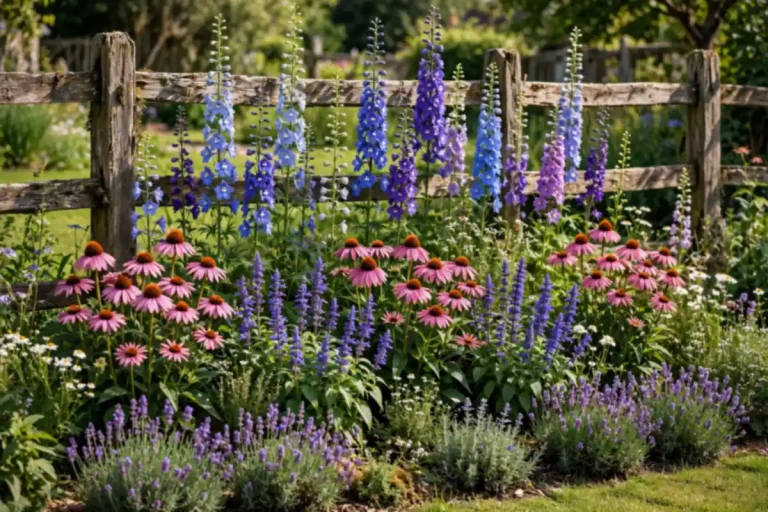
| Lavender | Fragrant, dries beautifully | Ideal for rustic and dried crowns |
| Daisies & chamomile | Cheerful, flat, light | The midsummer and children’s crown classic |
| Eucalyptus & ruscus | Flexible greenery that survives | The green base that makes flowers pop |
Avoid: tulips, anemones and sweet peas (wilt within hours), lilies (pollen stains clothes and skin), and anything with thorns left on. For a bridal crown, the whites and creams in our white flowers guide are the traditional palette; for a personal touch, build the crown from the wearer’s birth flower.
How to Make a Flower Crown Step by Step
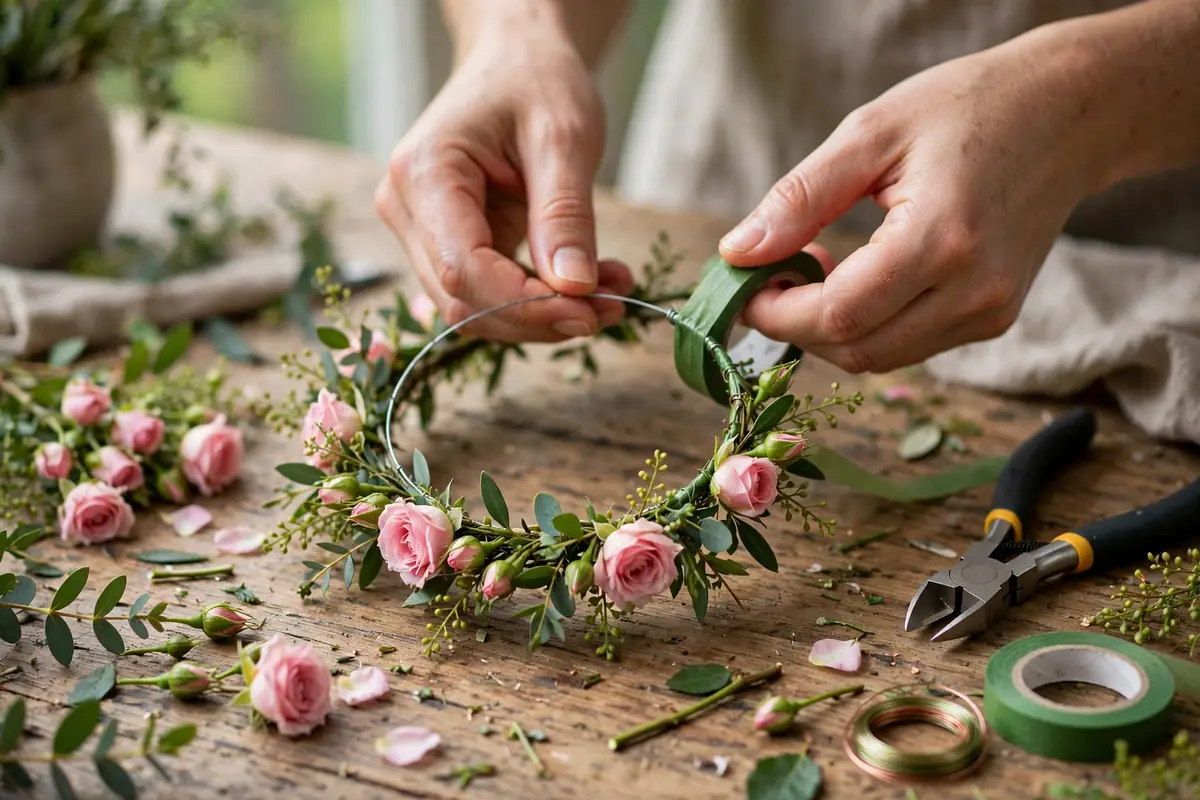
You need: thick floral wire or a pre-made wire crown base, thin floral wire (stub wire), floral tape, scissors, ribbon, and your flowers and greenery with stems trimmed to 5–8 cm.
- Make the base. Wrap thick wire around the head where the crown will sit, add 3 cm, and twist the ends into a closed circle (or form two loops for strength). Wrap the whole circle in floral tape — this grips the flowers and hides the wire.
- Condition the flowers. Cut stems to 5–8 cm, strip leaves, and let the flowers drink in water for at least an hour before you start. Hydrated flowers survive the day; thirsty ones wilt by lunch.
- Add the greenery first. Lay a sprig of greenery along the base, bind it with thin wire (three wraps) or tape, then add the next sprig overlapping the first stem. Work all the way around — this green track is what the flowers sit on.
- Wire the feature flowers. Push a thin wire through the base of each flower head (or behind the calyx of a rose) and twist it into a short stem. This gives every flower a wire “handle” even if its real stem is weak.
- Attach flowers one by one. Lay each flower on the greenery, pointing outward and slightly forward, and bind its wire/stem to the base. Overlap each new bloom over the previous stem so no mechanics show. Alternate sizes and colours evenly — and check the balance in a mirror as you go.
- Fill the gaps. Tuck baby’s breath and small buds into any holes, especially around the joins. Then tie ribbon over the back join — it hides the mechanics and lets the wearer adjust the fit.
Flower Crown Styles
- Full crown — flowers all the way around; the wedding and flower-girl classic.
- Half crown / halo — flowers across the front or back only; pairs with veils and updos.
- Boho crown — loose, asymmetric, mixed wildflowers and trailing greenery.
- Festival crown — big, bold, often silk or dried so it survives the whole weekend.
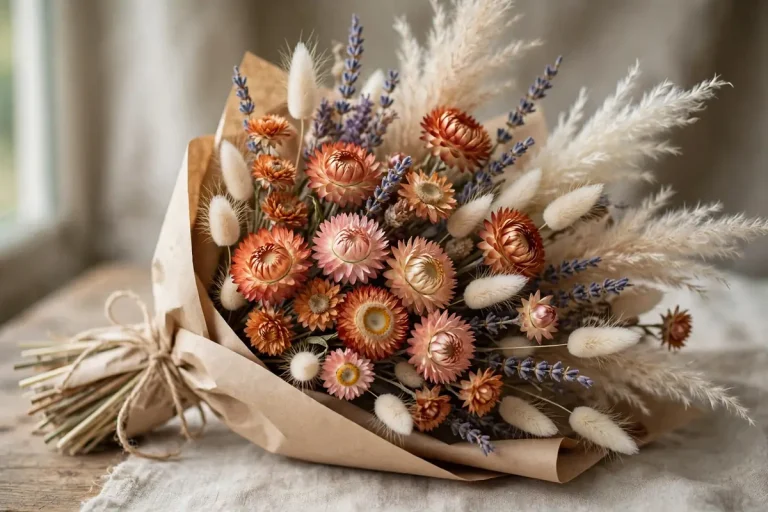
- Dried crown — lavender, strawflowers and grasses; keeps for years as a keepsake.
Sizing a Crown for Adults and Children
Measure around the head exactly where the crown will sit — usually just above the ears and across the forehead’s widest point — then add 2–3 cm of ease; crowns should perch, not grip. Average adult heads measure about 55–58 cm, children 48–54 cm depending on age, but always measure the actual wearer if you can. Making for someone far away? Build the crown on an adjustable ribbon-tie base instead of a closed circle — the ribbon absorbs all sizing error.
Making Ahead and Keeping a Crown Fresh
Fresh crowns are best made the morning of the event. If you must make one the day before: finish it, mist it lightly, lay it in a box lined with damp tissue, and keep it in the fridge (away from fruit — ethylene again) for up to 24 hours. Sturdy flowers (waxflower, spray roses, baby’s breath) hold up best to this treatment. Silk and dried crowns can be made weeks ahead and stored in a box out of sunlight.
Frequently Asked Questions
How long does a fresh flower crown last?
About 6–12 hours looking its best, depending on the flowers and the heat. Sturdy choices like waxflower, spray roses and baby’s breath last a full day; delicate flowers wilt within a few hours. Fridge storage overnight extends a crown made the day before.
How many flowers do I need for a flower crown?
For a full adult crown: roughly 15–25 small flower heads (spray roses, ranunculus) plus 8–10 sprigs of greenery and a handful of filler like baby’s breath. Half crowns need about half that.
Can I make a flower crown without wire?
Yes — plait or braid three long flexible stems (or lengths of twine with flowers tucked in) for a rustic garland, or tape flowers along a ribbon or a ready-made vine base. Wired crowns are neater and last longer, but the braided version is a lovely children’s activity with daisies.
What flowers should I avoid in a crown?
Fast-wilters (tulips, anemones, sweet peas, hydrangea heads), pollen-heavy lilies that stain clothes, anything thorny that has not been de-thorned, and known skin irritants. For children, also avoid berries that look edible.
How do you keep a flower crown on your head?
A correctly sized crown perches on its own; for dancing and children, secure it with two bobby pins crossed over the base at each side, or tie the ribbon ends under the hair at the nape.