
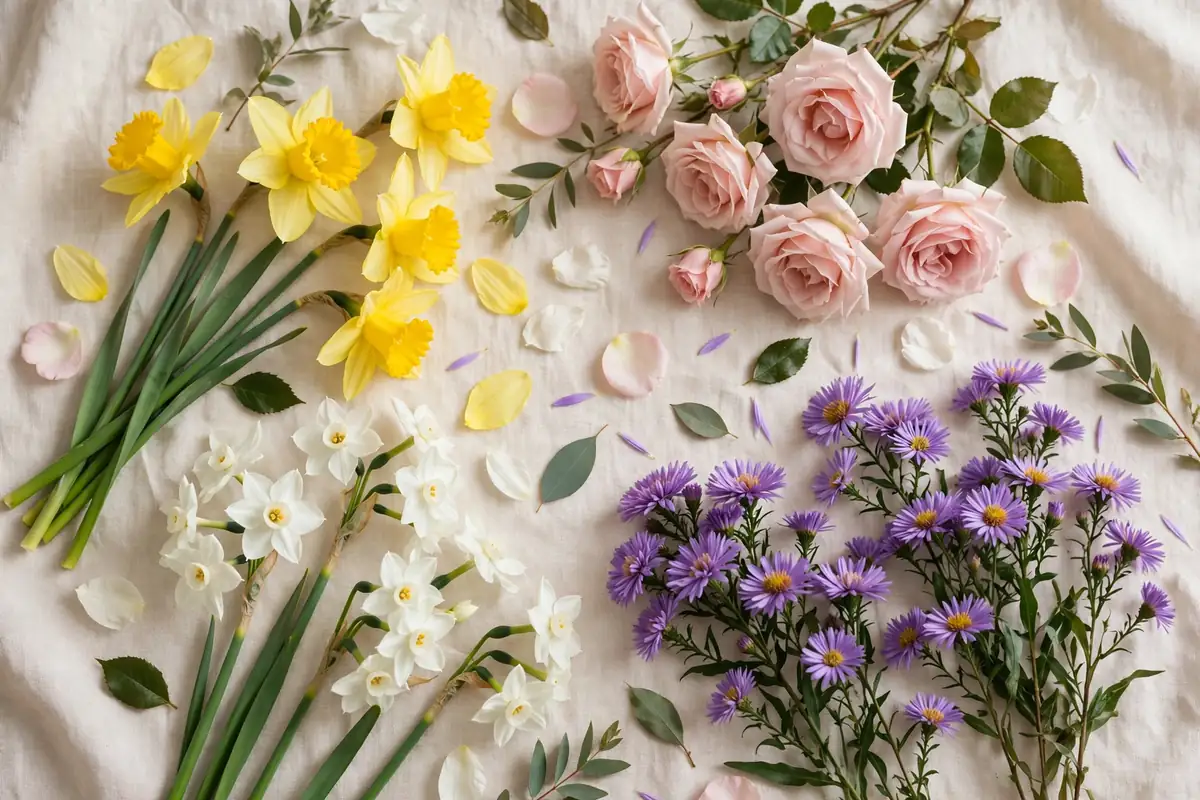
Birth Flowers by Month: Complete Chart, Meanings and Guide
Everyone knows their birthstone. Far fewer people know their birth flower — and that is a shame. A birth flower is the flower linked to the month you were born. It says something small but sweet about your personality, and it makes any birthday feel more personal.
Most months have two birth flowers, not one. The first is the main, classic choice. The second is an older or traditional partner flower. This guide gives you the full picture in one place: a simple chart of all 12 months, the core meaning of every flower, short stories behind the tradition, and links to our full guides for the months we have covered in depth.
Quick Answer
Every month of the year has one or two birth flowers, each with its own meaning. For example, January has the carnation and snowdrop, June has the rose and honeysuckle, and September has the aster and morning glory. Find your month in the chart below to meet your flower in seconds.
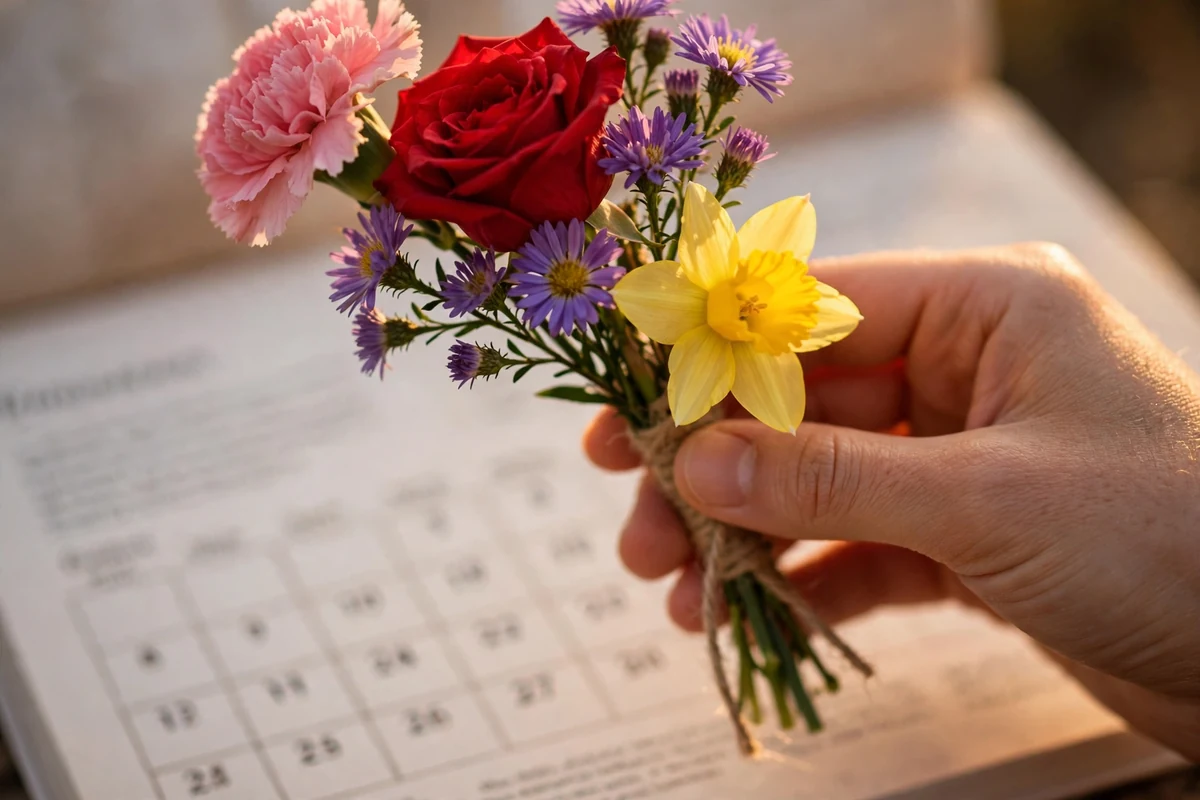
Table of Contents
- Birth Flower Chart: All 12 Months
- How Birth Flowers Work
- Birth Flowers and Birthstones
- How to Use Your Birth Flower
- Frequently Asked Questions
Birth Flower Chart: All 12 Months
Here is the whole year at a glance. Save this chart, share it, or use it next time a birthday comes up. Every month of the year now has its own full guide on this site, with meanings, colours, growing tips and gift ideas. Just follow the links in their rows.
| Month | Birth Flowers | Core Meaning |
|---|---|---|
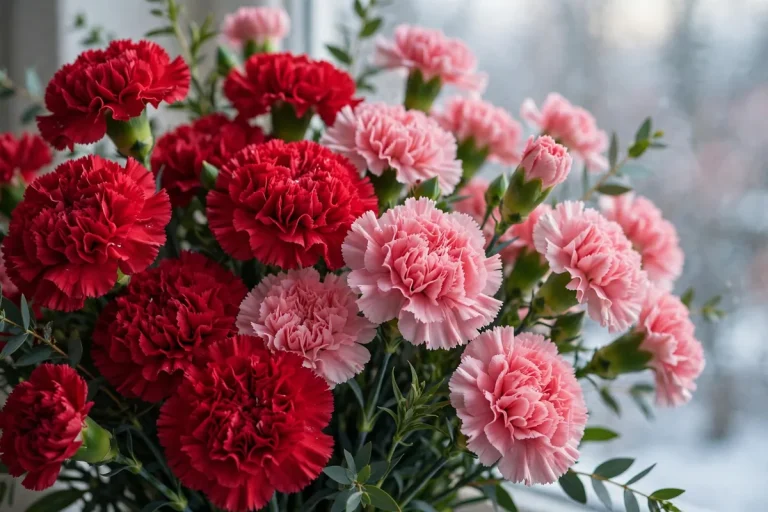
| January | Carnation & Snowdrop | Devotion, hope |
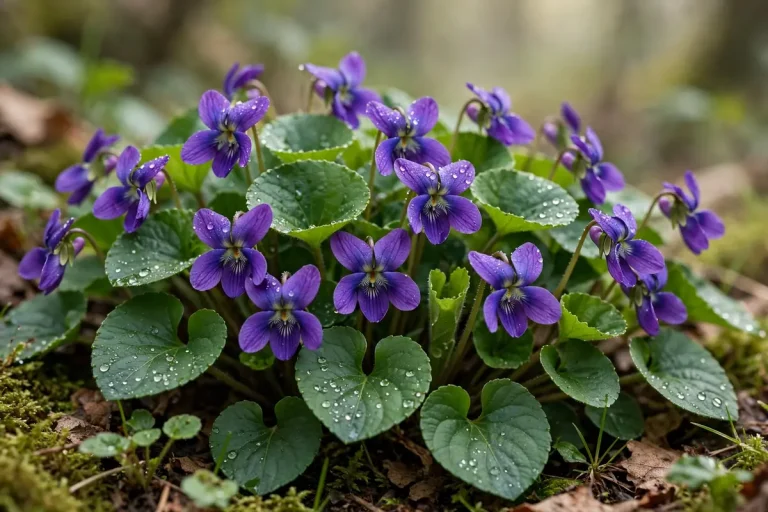
| February | Violet & Primrose | Faithfulness, young love |
| March | Daffodil & Jonquil | New beginnings, desire |
| April | Daisy & Sweet Pea | Innocence, blissful pleasure |
| May | Lily of the Valley & Hawthorn | Sweetness, hope |
| June | Rose & Honeysuckle | Love, devotion |
| July | Larkspur & Water Lily | Positivity, purity |
| August | Gladiolus & Poppy | Strength, remembrance |
| September | Aster & Morning Glory | Love, wisdom / affection |
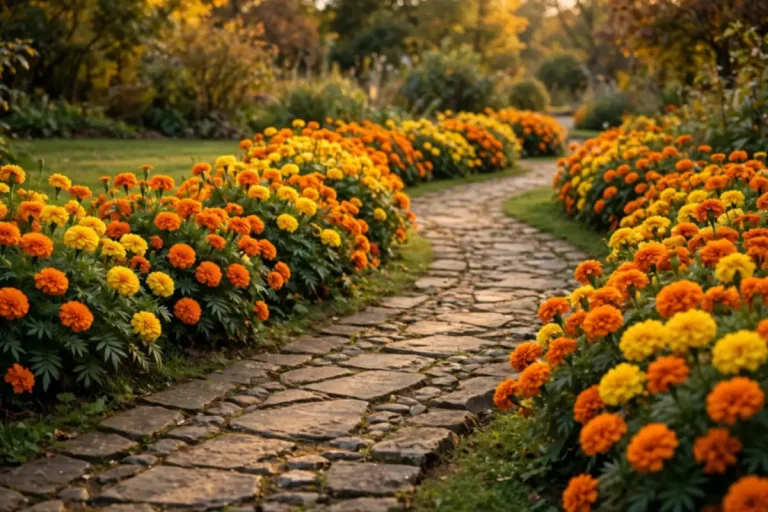
| October | Marigold & Cosmos | Creativity, harmony |
| November | Chrysanthemum & Peony | Loyalty, joy / romance, prosperity |
| December | Narcissus & Holly | Rebirth, hope / protection, luck |
Notice how well the flowers match their seasons. Daffodils open the spring. Roses rule the first month of summer. Asters and marigolds bring the warm colours of autumn, and holly closes the year in deep green and red. The list was built by people who watched gardens all year — and it shows.
How Birth Flowers Work
The idea is older than you may think. In Roman times, people already linked certain flowers to certain seasons and gods. But the system we use today grew up in Victorian Britain, in the 1800s, through something called floriography — the “language of flowers.” You can read more about the tradition of the birth flower and how these lists took shape over time.
In the Victorian language of flowers, every bloom carried a secret message. A red rose said “I love you.” A violet said “I am faithful.” Lovers and friends sent small bouquets, called tussie-mussies, and the receiver decoded the message flower by flower. No card was needed. The flowers did the talking.
So why do the lists sometimes differ? Because there was never one single official list. British lists and American lists grew up side by side. Old, traditional lists and newer, modern lists also picked different flowers. That is why most months ended up with two birth flowers instead of one — one from each tradition. It is not a problem. It simply gives you a choice: pick the flower you love more, or use both together in one bouquet.
One more thing worth knowing: birth flowers are about the month, not the exact date. If you were born on any day in June, the rose is your flower, from the 1st to the 30th. Simple, and easy to remember.
Birth Flowers and Birthstones
Flowers are only half of the birthday story. Every month also has a birthstone, and the two often make a lovely pair. September pairs the deep blue sapphire with purple asters. November pairs golden topaz and citrine with warm chrysanthemums. December pairs cool turquoise with paperwhite narcissus. And June is doubly lucky: the pearl, pure and soft, sits beside the rose.
Here is a small gift trick that always works. Match the stone’s colour to the flower. Blue sapphire with violet-blue asters. Yellow citrine with golden mums. White pearl with white or blush roses. The colours echo each other, and the gift looks thoughtful, rich and planned — even if you bought it the day before.
How to Use Your Birth Flower
Knowing your flower is step one. Using it is where the fun starts.
- Birthday gifts: A bouquet of the person’s birth flower beats a random bunch every time. It shows you know their month and did your homework. Add the flower’s meaning on the card for a perfect finish.
- A gift that smells as good as it looks: Many birth flowers — roses, sweet peas, lily of the valley — sit proudly on any list of fragrant flowers. A scented birth flower bouquet fills the whole room with the message.
- Tattoos: Birth flowers are among the most loved tattoo designs in the world. They are personal, they never go out of style, and each one carries a meaning you can explain in one sentence. Small line-art asters, roses and daffodils are all popular picks.
- In the garden: Plant your birth flower and it returns like a birthday card from the soil. Perennials such as asters, peonies and daffodils come back year after year. Growers in communities such as r/gardening on Reddit happily share which varieties do best in each climate.
- Weddings: Use the couple’s two birth flowers in the bouquets and table arrangements. A June bride’s red roses beside a September groom’s purple asters tells their story without a single word.
- Home decor: A framed print of your birth flower, a cushion in its colours, or a vase of it in your birth month — small touches that make a home feel like yours.
Frequently Asked Questions
What is a birth flower?
A birth flower is the flower traditionally linked to your birth month. Each one carries a meaning — the rose means love, the daffodil means new beginnings. Think of it as the floral twin of your birthstone: one you wear, one you grow.
Does every month have two birth flowers?
Almost every month does, yes. Most months have a main flower and a second, traditional one. January has the carnation and the snowdrop, October has the marigold and the cosmos, and so on. A few lists name only one flower for some months, but the two-flower chart above is the version most people follow today.
What is my birth flower?
Easy — find your birth month in the chart at the top of this page. Born in April? Your flowers are the daisy and sweet pea. Born in August? Yours are the gladiolus and poppy. Every row of the chart links to that month’s full guide, so your complete guide is one click away.
Are birth flowers the same as zodiac flowers?
No, they are close cousins, not twins. Birth flowers follow the calendar month. Zodiac flowers follow the star signs, which start and end mid-month. So a person born on 25 August has the August birth flowers — gladiolus and poppy — but the Virgo zodiac flower. When in doubt, the birth month flower is the one most people mean.
What is the most popular birth flower?
The rose is the clear favourite — June’s birth flower is the most gifted flower on Earth, and red roses lead every birthday and romance list. The carnation, January’s flower, is a strong second: it lasts for weeks in a vase and comes in almost every colour. Still curious? See questions about birth flowers on Quora, where gardeners and florists swap favourites all year round.

5 Comments