Flower Garden: How to Start and Plan a Flower Garden Step by Step
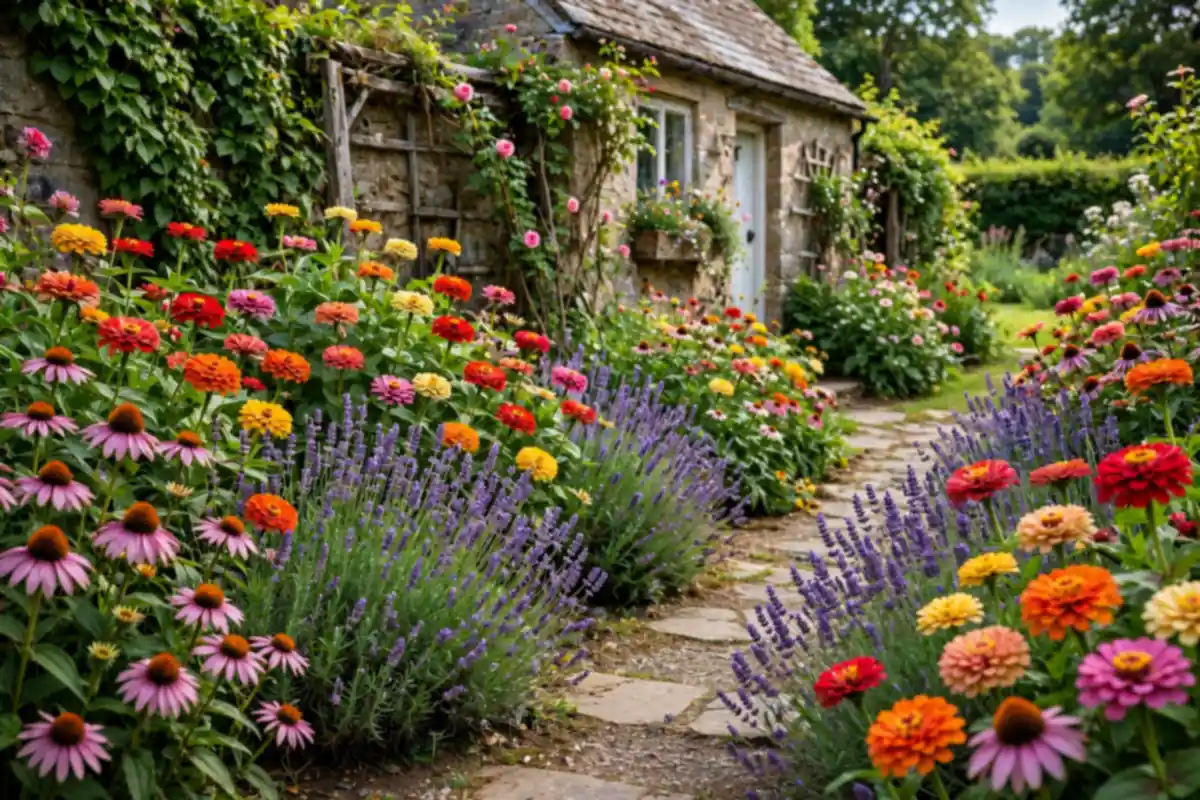
A flower garden is simply a space planted mainly for blooms — and it is the most rewarding patch of ground a gardener can own. Whether yours is a cottage-style border spilling with roses, a neat row of cutting flowers, or three pots on a balcony, the principles are the same.
This guide walks you through planning and starting a flower garden from scratch: choosing the spot, preparing the soil, picking flowers that bloom in succession, and keeping everything flowering with simple care.
Quick Answer
To start a flower garden: pick a spot with 6+ hours of sun, improve the soil with compost, plant a mix of perennials (which return yearly) and annuals (which bloom all season), group plants by height, water deeply, and mulch. Begin small — a bed 3 × 1.2 m (10 × 4 ft) is plenty for a first year — and choose beginner-proof flowers like zinnias, cosmos, marigolds, coneflowers and sunflowers.
Table of Contents
- Types of Flower Garden
- How to Start a Flower Garden Step by Step
- Best Flowers for a Flower Garden
- Planning for Blooms All Season
- Flower Garden Care Basics
- Frequently Asked Questions
Types of Flower Garden
| Type | Character | Best for |
|---|---|---|
| Cottage garden | Informal, densely planted, romantic mix | Traditional homes, pollinators |
| Perennial border | Structured beds of plants that return yearly | Low long-term effort |
| Cutting garden | Rows of flowers grown to cut for the house | Bouquet lovers |
| Pollinator garden | Nectar-rich flowers for bees and butterflies | Wildlife, easy care |
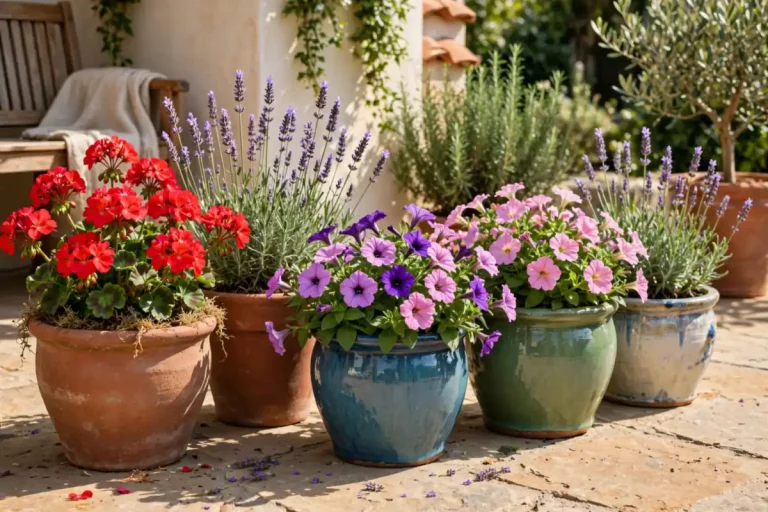
| Container garden | Flowers in pots on patios and balconies | Small spaces, renters |
| Native garden | Regional wildflowers suited to local climate | Lowest water and care — see our Australian native flowers guide for the style |
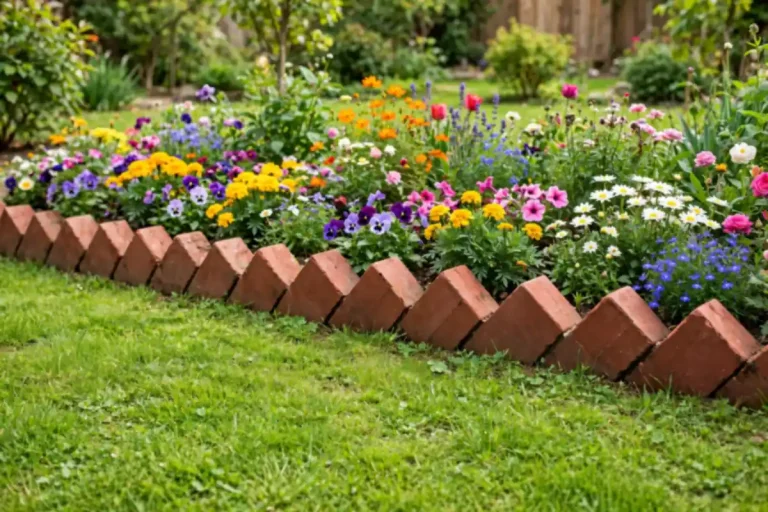
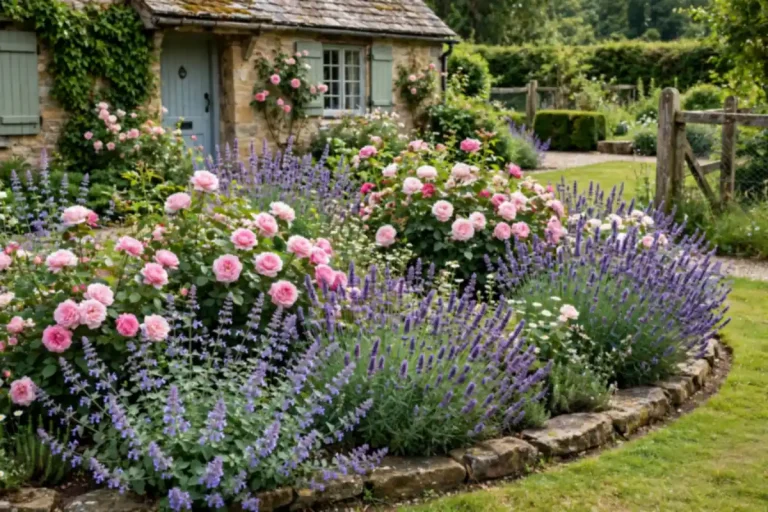
Most real gardens blend two or three types — a perennial border with annuals tucked in for colour, for example. If shaping the beds themselves is your current puzzle, our flower border guide covers layouts and edging in depth. (For the history and grand examples of the craft, the flower garden article on Wikipedia is a lovely browse.)
How to Start a Flower Garden Step by Step
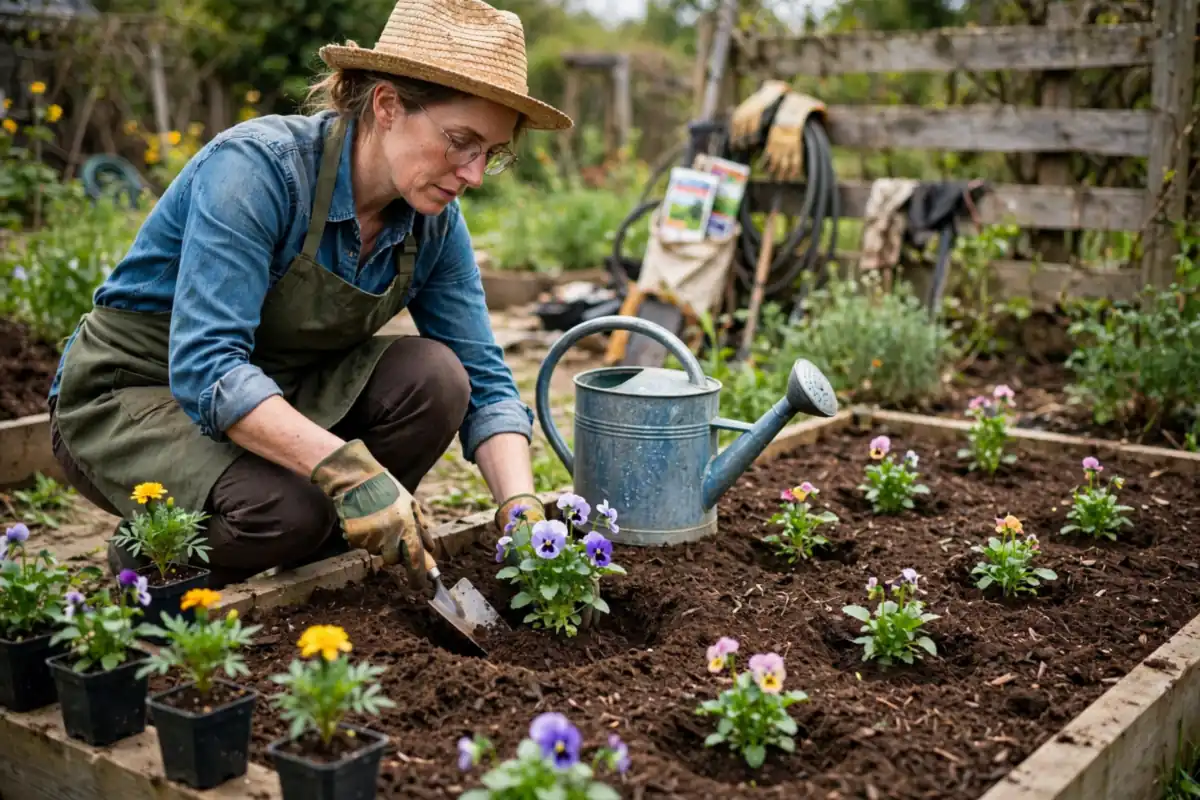
- Choose the sunniest spot. Most flowering plants need at least 6 hours of direct sun. Watch the space for a day before committing — and keep beds where you can see them from the house; gardens near windows get tended.
- Clear and prepare the soil. Remove grass and weeds, loosen the soil 25–30 cm deep, and mix in 5–8 cm of compost. Good soil is 80% of gardening success — flowers forgive many things, but not starvation in concrete-hard ground.
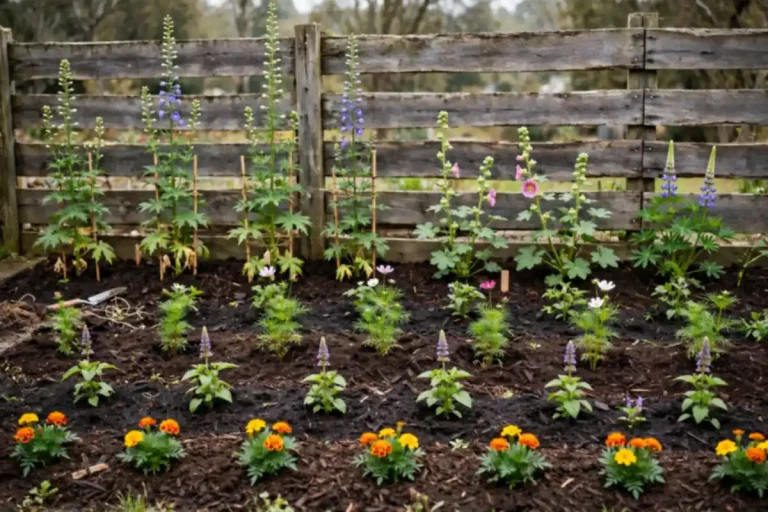
- Sketch a simple plan. Tall plants at the back (or centre of an island bed), medium in the middle, low edging plants at the front. Plant in odd-numbered groups of 3, 5 or 7 — drifts look natural; single plants dotted about look lost.
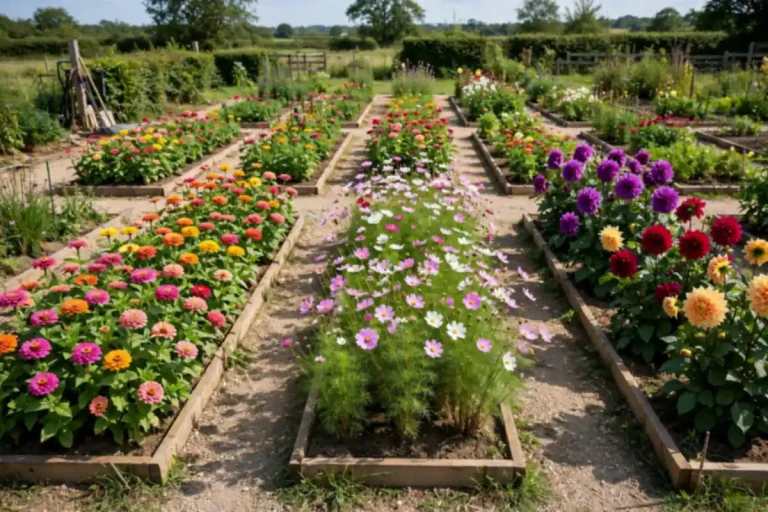
- Mix perennials and annuals. Perennials (coneflower, salvia, daylily) form the permanent skeleton and return each year; annuals (zinnia, cosmos, marigold) fill gaps and bloom non-stop in year one.
- Plant at the right time. Perennials and hardy annuals go in during spring (or autumn in mild climates); tender annuals wait until after the last frost. Space plants by their mature size on the label, not their size in the pot.
- Water in well and mulch. Soak each plant at planting, then cover bare soil with 5–8 cm of mulch, keeping it off the stems. Mulch halves your watering and weeding.
Best Flowers for a Flower Garden
| Flower | Type | Bloom season | Why gardeners love it |
|---|---|---|---|
| Zinnia | Annual | Summer to frost | Fast, colourful, nearly unkillable |
| Cosmos | Annual | Summer to autumn | Feathery, self-seeds, loves poor soil |
| Coneflower (echinacea) | Perennial | Mid-summer to autumn | Bees adore it; returns for years |
| Marigold | Annual | Spring to frost | Edging hero, deters some pests |
| Sunflower | Annual | Summer | Instant height and joy — see our sunflower varieties guide |
| Salvia | Perennial | Late spring to autumn | Long spires of blue and purple |
| Lavender | Perennial | Summer | Fragrance and structure; drought-tough |
| Sweet pea | Annual | Spring to early summer | The perfume champion — more in our fragrant flowers guide |
Planning for Blooms All Season
The beginner’s disappointment is a garden that flowers gloriously for three weeks and then goes green. The fix is succession: choose something for each act of the season. Spring: bulbs (tulips, daffodils), pansies, sweet peas. Early summer: roses, lavender, salvia, poppies. High summer: zinnias, coneflowers, sunflowers, dahlias. Autumn: asters, chrysanthemums, late dahlias, cosmos still going. Overlap the acts by a few weeks each and the show never fully stops. Foliage plants — grasses, hostas, heucheras — carry the garden between acts.
Flower Garden Care Basics
- Water deeply, not daily. A long soak twice a week beats a daily sprinkle; water at the base in the morning.
- Deadhead. Snipping spent flowers tells annuals to make more — five minutes with scissors weekly keeps zinnias and cosmos pumping out blooms.
- Feed lightly. A spring layer of compost suits most perennials; heavy feeders (roses, dahlias) appreciate a balanced feed monthly in season.
- Stake early. Tall dahlias, delphiniums and sunflowers need support before they need rescuing.
- Leave some seed heads. Coneflower and sunflower heads feed birds in autumn and look sculptural in frost.
Frequently Asked Questions
What is the best month to start a flower garden?
Spring is the classic start — soil is warming, nurseries are full, and perennials and hardy annuals establish before summer. In mild climates (zones 8–10), autumn planting is equally good and gives roots a winter head start. Tender annuals always wait until after the last frost.
How much sun does a flower garden need?
Most flowering plants want full sun — 6 or more hours of direct light. A part-shade garden (3–6 hours) still works with shade-tolerant flowers like impatiens, begonias, hostas and astilbe, but the classic sun-lovers (zinnias, lavender, sunflowers) will sulk and stretch.
What is the easiest flower garden for a beginner?
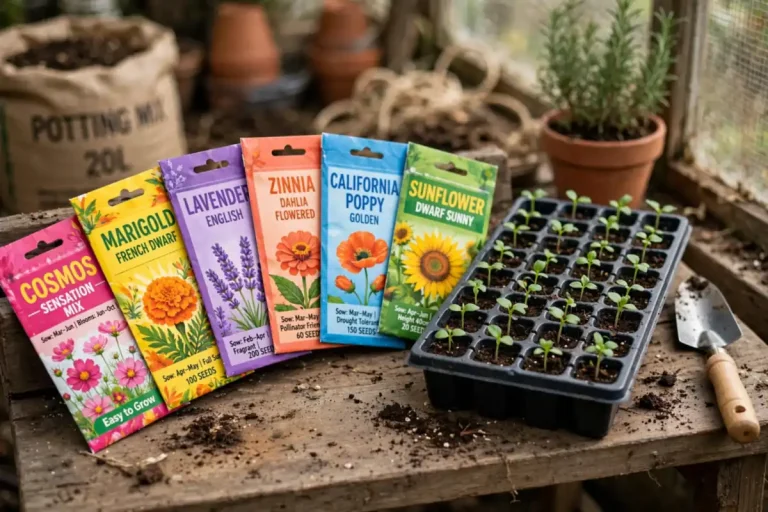
A single sunny bed planted with zinnias, cosmos and marigolds from seed, plus two or three coneflower and salvia perennials for permanence. That combination forgives irregular watering, blooms from early summer to frost, and costs very little.
How big should a first flower garden be?
Start with about 3–4 square metres (a bed roughly 3 × 1.2 m). It is big enough for a real display and small enough to weed in 15 minutes. Gardens fail from being too big far more often than from being too small — you can always extend next year.
Do flower gardens attract bees?
Yes — and that is a feature. Single, open flowers (coneflowers, cosmos, salvias, lavender) feed bees and butterflies all season. Avoid spraying insecticide while flowers are in bloom, and your garden becomes a genuine little ecosystem.
One Comment