Flower Bed: How to Make a Flower Bed Step by Step
A flower bed is the basic building block of almost every garden: a defined patch of soil, edged against lawn or path, and planted with flowers. Build one well and it rewards you for years; build it hastily and you fight weeds, mud and muddle every season.
This guide covers how to make a flower bed properly — choosing the shape and site, digging and improving the soil, layering plants by height, and the mistakes that make beds look scruffy.
Quick Answer
To make a flower bed: mark the shape, strip the grass, loosen the soil 30 cm deep and mix in compost, add an edge to keep lawn out, then plant in layers — tall at the back, medium in the middle, low at the front — water well and mulch 5–8 cm deep. A bed 1–1.2 m deep is the sweet spot: deep enough for three layers of plants, shallow enough to weed without stepping in it.
Table of Contents
- What Is a Flower Bed?
- How to Make a Flower Bed Step by Step
- Flower Bed Shapes and Layouts
- What to Plant in a Flower Bed
- Common Flower Bed Mistakes
- Frequently Asked Questions
What Is a Flower Bed?
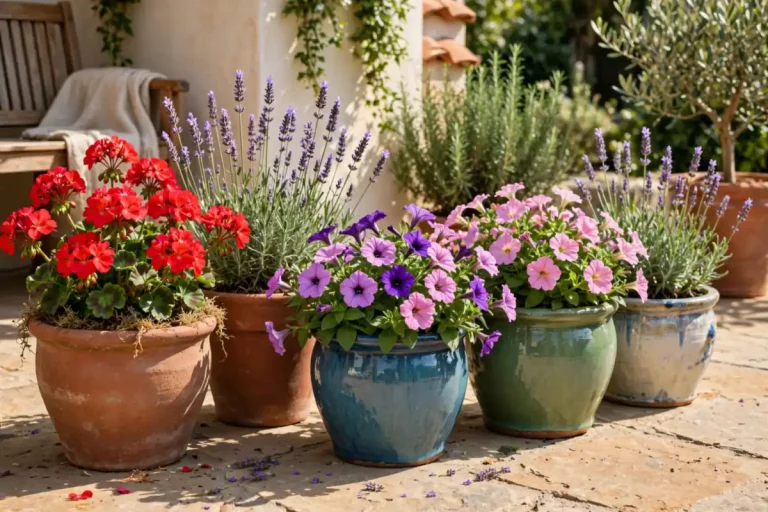
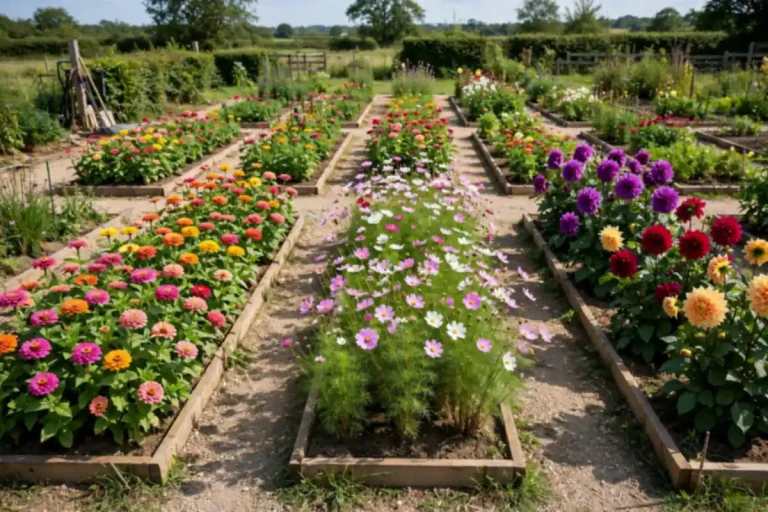
A flower bed is a prepared, defined area of soil planted with flowers — as opposed to a border, which runs along a boundary like a fence or wall and is viewed from one side, and an island bed, which sits in open lawn and is viewed from all sides. The term flowerbed is often used loosely for all three. Within a whole flower garden, beds are the individual planting units — get each bed right and the garden follows. Beds can be in-ground (dug into the soil) or raised (built up with timber, stone or metal sides), and raised beds win on poor, wet or stony ground.
How to Make a Flower Bed Step by Step
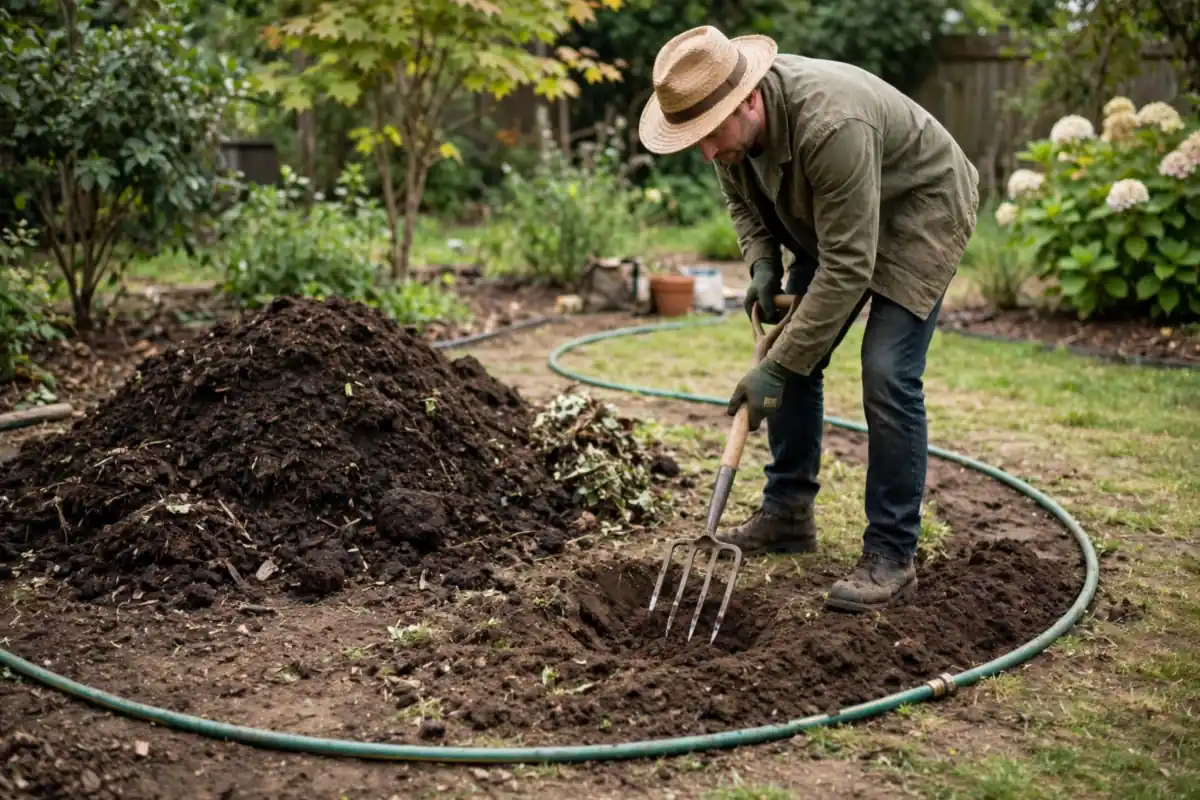
- Mark the shape. Lay a garden hose or rope on the ground to outline the bed — curves are easier to mow around if they are gentle. View it from upstairs windows and the house before digging.
- Strip the turf or clear the ground. Slice off grass with a spade (stack it grass-side-down in a corner; it rots into lovely compost), or smother it under cardboard for a no-dig bed.
- Loosen and feed the soil. Fork or dig 25–30 cm deep, removing roots and big stones, then spread 5–8 cm of compost or well-rotted manure and fork it through the top layer.
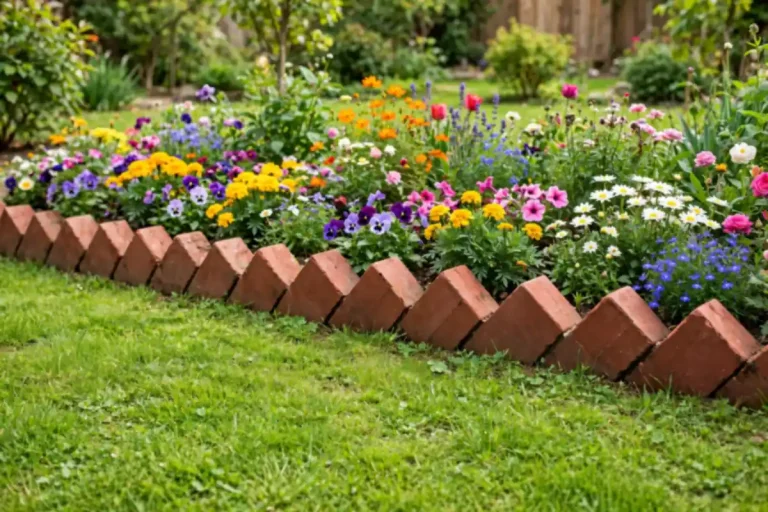
- Set the edge. A clean cut edge, bricks, stone or metal edging keeps lawn grass from creeping in — the single biggest cause of scruffy beds. Our edging guide in this series goes deeper once it lands.
- Arrange plants before planting. Set pots out on the soil in their final positions, stand back, adjust — then plant. It is far easier to move a pot than a planted shrub.
- Plant, water, mulch. Plant at the same depth as the pot, firm in, water each plant deeply, then mulch the whole bed 5–8 cm deep, keeping mulch off stems.
Flower Bed Shapes and Layouts
| Shape | Suits | Planting rule |
|---|---|---|
| Straight border | Along fences, walls, paths | Tall at back, low at front |
| Curved bed | Informal and cottage gardens | Drifts of 3–5 plants sweeping along the curve |
| Island bed | Middle of a lawn | Tallest in the centre, stepping down all round |
| Corner bed | Awkward garden corners | One feature shrub + underplanting |
| Raised bed | Poor soil, small gardens, patios | Any layout; add trailing plants at the edges |
| Circular bed | Around a tree or focal point | Rings of colour, or a single massed variety |
However you shape it, keep the bed in proportion: in a small garden, one generous bed looks better than three skinny ones. Design-wise, beds and flower borders follow the same layering rules — the border guide in our crafts series has the full layout patterns.
What to Plant in a Flower Bed
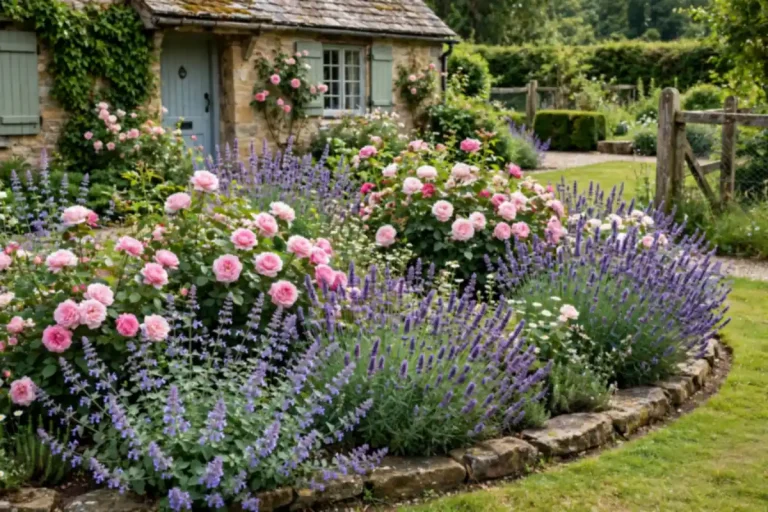
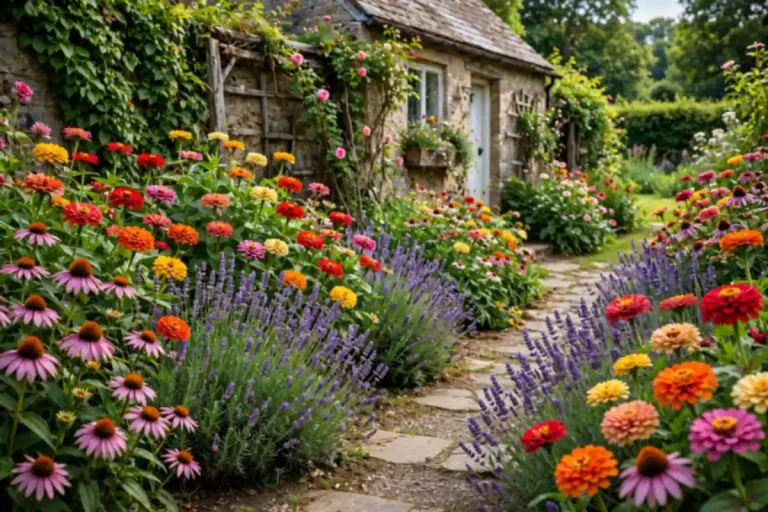
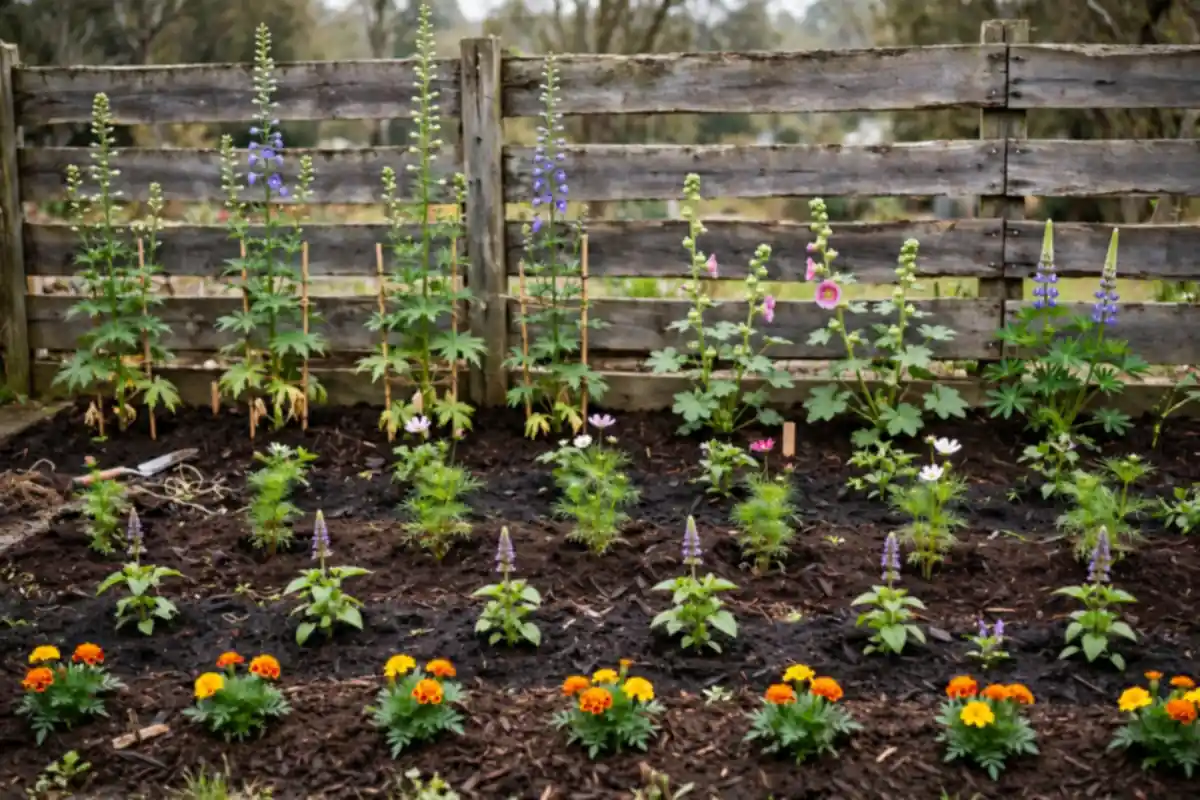
Think in three layers. Back layer (structure): tall perennials and small shrubs — delphiniums, hollyhocks, roses, hydrangeas where suited. Middle layer (the body): coneflowers, salvias, daylilies, dahlias, lavender. Front layer (the edge): low, tidy plants that hide bare stems — marigolds, geraniums, alyssum, catmint, dwarf zinnias. Repeat two or three varieties through the bed rather than planting one of everything; repetition is what makes a bed look designed instead of collected. Add spring bulbs under everything in autumn — they flower before the perennials wake and double the bed’s season.
Common Flower Bed Mistakes
- Making the bed too narrow. A 40 cm strip fits one row of plants and always looks mean. Go 1 m deep minimum wherever space allows.
- Planting in straight single rows. Staggered groups and drifts look natural; soldiers in a line do not.
- Ignoring mature size. That cute shrub may want 2 m. Crowded beds mean disease, competition and constant cutting back.
- Skipping the mulch. Bare soil grows weeds and bakes dry. Mulch is the bed’s finishing touch, not an optional extra.
- No edge. Within a season, lawn grass colonises an un-edged bed from both sides.
- All flowers, no foliage. Beds rest between flower flushes; good foliage (grasses, hostas, heucheras) keeps them handsome in the gaps.
Frequently Asked Questions
How deep should a flower bed be?
Two meanings: the bed should be 1–1.2 m deep front-to-back for good layering, and the soil should be loosened 25–30 cm down so roots can grow. Raised beds need at least 30 cm of soil depth, 45 cm is better for shrubs and hungry perennials.
What do you put at the bottom of a flower bed?
For an in-ground bed, nothing — just loosened native soil improved with compost. For a raised bed, a layer of coarse material (small branches, straw) at the very bottom of deep beds saves topsoil and rots down slowly; never use plastic sheeting, which blocks drainage and worms.
Can I make a flower bed without digging?
Yes — the no-dig method: mow the area short, lay overlapping cardboard over it, soak it, then add 15 cm of compost/topsoil on top and plant into it. The grass and weeds die underneath and feed the soil. It is slower to look finished but far kinder to your back and the soil life.
How often should you water a new flower bed?
Deeply at planting, then keep the soil consistently moist for the first 4–6 weeks while roots establish — in dry weather that may mean a good soak every 2–3 days. Once established, most beds thrive on one deep watering a week in summer droughts.
What is the cheapest way to fill a flower bed?
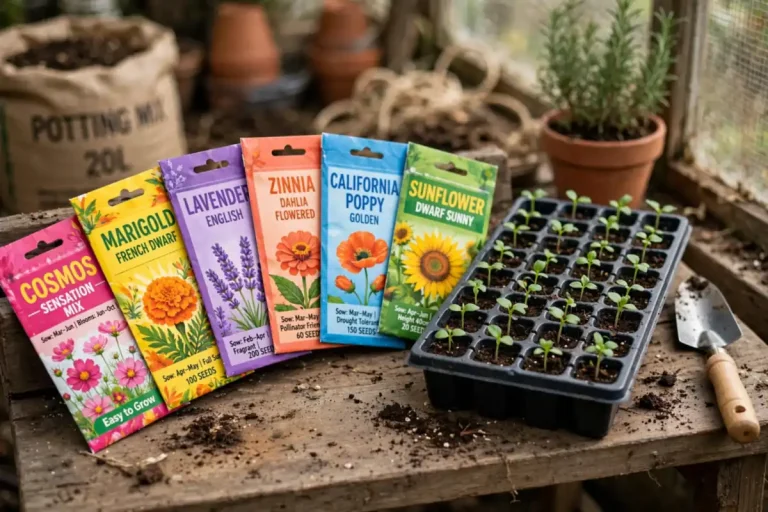
Seeds. A packet of zinnia, cosmos or marigold seed costs very little and fills metres of bed; add a few perennial plants as the permanent skeleton and divide them in later years for free plants. Mulch with homemade compost or wood chips to finish cheaply.