

How Much Sun Do Mums Need? A Practical Chrysanthemum Care Guide
Quick answer: Mums need at least 6 hours of direct sunlight per day — full sun — to grow bushy and bloom heavily in fall. In very hot climates, a little afternoon shade helps. In summer, mums look like an unremarkable green bushy mound with no flowers at all (if you are pinching them correctly); buds form in late summer and open in fall.
Table of Contents
- How Much Sun Do Mums Need?
- What Do Mums Look Like Through the Seasons?
- Planting Mums
- Watering Mums
- Pinching Mums for Bushier Fall Blooms
- Deadheading Mums
- Overwintering Mums (Including Potted Mums)
- Frequently Asked Questions
- References
How Much Sun Do Mums Need?
Mums are sun lovers. For the strongest growth and the fullest fall bloom display, give them at least 6 hours of direct sunlight every day — what gardeners call full sun. This minimum is confirmed by multiple university extension programs: N.C. Cooperative Extension, the University of Illinois Extension, Mississippi State Extension, and the Missouri Botanical Garden all land on six hours daily as the floor.
What happens with less sun? Mums grown in too much shade stretch tall and floppy, produce fewer flowers, develop a thin open canopy, and grow weaker roots. Illinois Extension notes that for perennial mums, long-term shade also makes them more susceptible to winter damage.
A few nuances worth knowing:
- More sun is generally better, provided the plants get enough water in hot weather.
- In very hot climates (roughly zone 8 and warmer), a little afternoon shade is ideal. Intense midday and afternoon heat can stress the plants; morning sun with some afternoon relief is the sweet spot in the South.
- Sunlight also keeps foliage dry after rain or watering, which reduces powdery mildew and other fungal problems.
- Keep mums away from artificial light at night. Mums are "short-day" plants — they set flower buds in response to lengthening nights (darkness beyond about 12 hours, per the Missouri Botanical Garden). A porch light or landscape spotlight shining on them after dark can confuse their bloom timing and delay or prevent flowering. (Practical tip from nursery growers; site them away from night lighting.)
The bottom line: pick the sunniest well-drained spot you have, aim for six-plus hours of direct sun, and give hot-climate mums a break from the harshest afternoon rays.
What Do Mums Look Like Through the Seasons?
If you bought mums in fall for their gorgeous blooms and are wondering what to expect the rest of the year, here is the honest seasonal picture.
Spring
Mums wake up slowly. New green shoots emerge from the base, and the plant spends spring building roots and foliage. It looks like a small, unremarkable clump of green leaves — nothing like the flowering showpiece you bought. This green stage is essential: the plant is gathering strength for fall.
Summer — What Do Mums Look Like in the Summer?
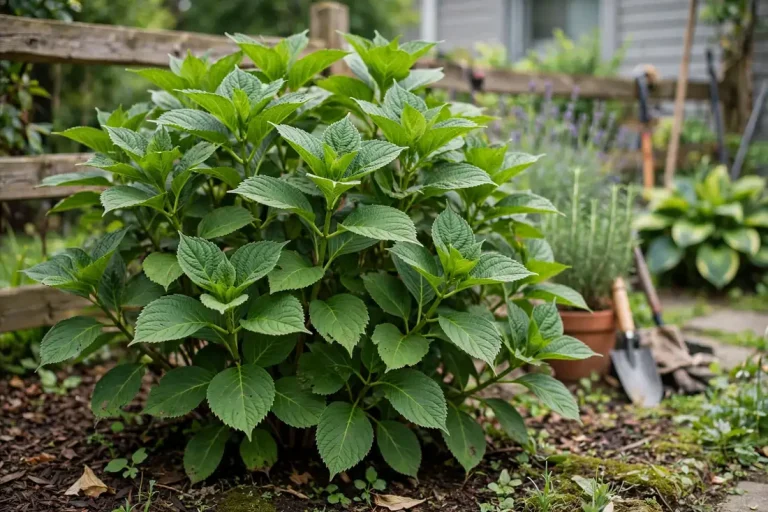
In summer, a well-kept mum looks like a plain green bushy mound — no flowers at all. This surprises many gardeners, but it is exactly right. Through June and July the plant is all foliage: dense, dark-green, slightly aromatic leaves forming a rounded mound. If you are pinching (see below), the mound stays compact and tidy.
Two things to know about the summer look:
- No blooms in summer is normal — it means the plant is on track. The energy is going into branching, which is what creates hundreds of flower buds later.
- If your mums ARE blooming in summer, they were not pinched. Without pinching, mums naturally bloom in mid-summer instead of fall. That is not harmful, but you get an earlier, usually sparser show instead of the classic fall display.
By late August, the picture changes: tiny bumps appear on the stem tips. Those are baby flower buds — your entire fall show, already forming. A mum left alone in late summer rounds itself into the classic dome shape on its own.
Fall
This is the payoff. As days shorten and nights lengthen past about 12 hours of darkness, buds swell and open into the familiar daisy, pompon, button, or decorative blooms in yellows, oranges, reds, pinks, purples, and whites. A well-grown plant blooms for roughly 3–4 weeks.
Winter
After hard frost, the foliage turns brown and the plant looks dead. It is not — the crown and roots are dormant underground. Leave the brown stems standing; they insulate the crown.
Planting Mums
- When: Spring planting gives the best results — the plant has a full season to establish roots before winter. Fall-bought mums can go in the ground too, but plant them early enough (at least 6 weeks before hard frost) and mulch well.
- Where: Full sun (6+ hours), per the section above.
- Soil: Any well-drained garden soil rich in organic matter. Mums will not survive winter in soggy soil — drainage is non-negotiable.
- Spacing: Give plants 12–18 inches of space (some large cultivars need up to 36 inches — check the plant label). They look small in spring but need room to reach full size.
- How: Plant at the same depth they were growing in the pot. Water well after planting.
One caution: there are two kinds of mums. Hardy garden mums are bred to come back year after year outdoors. Florist mums (often sold wrapped in decorative foil) are greenhouse cultivars bred for a short indoor display — they can survive outdoors in mild climates but are far less reliable as perennials. When buying for the garden, choose plants labeled hardy or garden mums.
Watering Mums
Mums like consistent moisture but hate wet feet:
- Water at the base (not overhead) whenever the top inch of soil feels dry.
- Newly planted mums need regular watering until established.
- Container mums dry out fast. On hot days in early fall, potted mums may need water once a day — even twice a day in heat. Check them every morning.
- Good drainage matters as much as watering: soggy soil rots crowns, especially in winter.
Pinching Mums for Bushier Fall Blooms
Pinching is the single most important summer task for fall mums. It means snipping off the soft growing tips of the stems, which forces the plant to branch — more branches means more flower buds and a compact, mounded shape instead of a tall floppy plant.
How to do it:
1. Start in late spring, when new shoots are about 6 inches tall. Pinch or snip off the top inch or so of each stem. 2. Repeat every few weeks as stems regrow through June and into early July. 3. Stop pinching around the Fourth of July (late June in northern areas, no later than mid-July). This is the critical deadline.
Why the deadline matters: mums need several weeks after the last pinch to build flower buds. Pinch too late and you snip off the very tips where buds are forming — fewer flowers, and a display that arrives late or not at all. After mid-July, put the pruners away and let the plant do its work.
Note: some modern cultivars (such as Belgian mums) branch naturally into a dome with no pinching needed. If your plant label says pinching is unnecessary, believe it.
Deadheading Mums
Once blooms open in fall, snip off faded flowers regularly. Deadheading keeps the plant looking fresh and encourages remaining buds to open, stretching the display. It is the same reason you deadhead annuals — the plant stops wasting energy on seed production.
Overwintering Mums
In the ground
- Do not cut mums back in fall. Leave the brown stems and foliage standing — they protect the crown from winter cold.
- After the ground freezes, mulch generously (a thick layer of leaves or straw) around the base.
- In spring, once the soil can be worked, cut away the dead brown material and let the new green shoots emerge.
Potted mums
Potted mums bought in fall can survive winter with a little help:
- Keep watering even after blooms fade — this encourages new root growth.
- Before hard frost, either plant them in the ground (preferred) or move pots to a sheltered spot such as an unheated garage.
- If planting in the ground in fall, do it early enough for roots to establish, and mulch heavily.
- In spring, dig up survivors, discard all brown material, keep only sections with green shoots, and replant in a sunny spot with good drainage.
Be realistic: fall-planted mums are always a gamble compared to spring-planted ones, and florist mums are the least likely to return. Hardy garden mums planted in spring are your best bet for a perennial display.
Frequently Asked Questions
How much sun do mums need?
At least 6 hours of direct sunlight per day — full sun. Less than that leads to leggy growth, fewer blooms, and weaker plants. In very hot climates, morning sun with some afternoon shade is ideal.
What do mums look like in the summer?
Like a plain green bushy mound with no flowers. That is normal and healthy — the plant is building the branches that will carry fall buds. If your mums are blooming in summer, they were not pinched back in spring.
Why are my mums all green with no blooms in fall?
The most common causes: pinching too late into summer (buds were snipped off), too much shade (under 6 hours of sun), or artificial light at night disrupting their short-day bloom trigger. High-nitrogen fertilizer late in the season can also push leafy growth at the expense of flowers.
When should I stop pinching mums?
Around the Fourth of July — late June in northern areas, no later than mid-July. Mums need several weeks after the last pinch to form flower buds before fall.
Do mums come back every year?
Hardy garden mums do, when planted in spring in a sunny, well-drained spot (many are rated for zones 5–9; check your plant label). Florist mums from the grocery store are bred for indoor display and are unreliable as perennials — treat them as seasonal color.
Can I plant the mums I bought in fall?
Yes, but spring planting establishes far better. If planting in fall, get them in at least 6 weeks before hard frost, water well, and mulch heavily after the ground freezes.
How often should I water mums?
Water at the base when the top inch of soil feels dry. In-ground plants need regular water until established; container mums may need daily watering, or twice daily on hot days.
Should I deadhead mums?
Yes. Removing faded blooms keeps the plant tidy and pushes the remaining buds to open, extending the fall display by weeks.
Why did my mums bloom in summer instead of fall?
They were not pinched. Unpinched mums naturally bloom in mid-summer. To shift the show to fall, pinch stem tips from late spring until early July.
Should I cut mums back in fall?
No — leave the stems standing over winter; they insulate the crown. Cut away the dead brown material in spring once new green shoots appear.
Explore More
- Flowers That Start With M — includes the Garden Mum entry
- Flowers That Start With C — includes the Chrysanthemum entry

One Comment